




2025 Work Truck Safety Study: Basics Strong, Tech Adoption Still Unsteady
Parking lots and urban streets top the list for fleet crashes, with most training done at onboarding, but many fleets still skip key tools like the FMCSA crash program.

The 2025 Work Truck Fleet Safety Study explores where fleets stand on training, tech, and policy — and where there’s room to grow.
Photo: Work Truck
The latest Work Truck Fleet Safety Study reveals that while Class 1-6 fleet operators continue to lean on core safety strategies like well-maintained vehicles and in-person training, there is still considerable hesitation around adopting new safety tech.
And even though most fleets are subject to federal safety and drug testing regs, a surprising number aren’t taking advantage of available tools like the FMCSA’s Crash Preventability Program.
Conducted in collaboration with Heavy Duty Trucking, this year’s study included qualified respondents operating Class 1-6 trucks across construction, utilities, HVAC, agriculture, and other vocational sectors.
Fleet Safety Starts with Maintenance and Policy
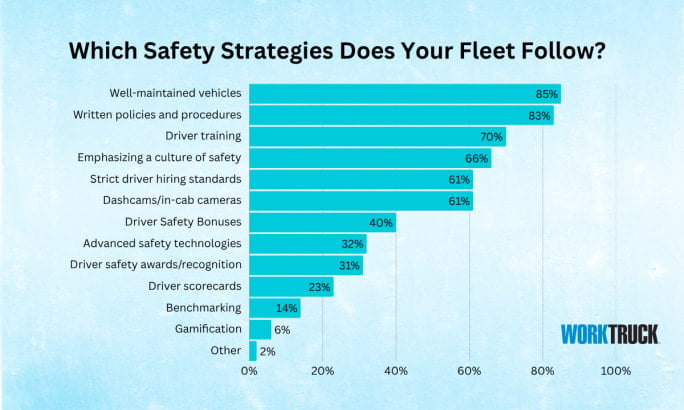
Traditional safety strategies like well-maintained vehicles, written policies, and in-person training continue to lead the way across vocational fleets.
Source: Bobit Business Media Research Department
At the foundation of most safety programs? Maintenance and documentation. Over 80% of fleet professionals surveyed said well-maintained vehicles and written safety policies and procedures are central to their fleet safety strategy.
These results match what we’ve seen in past years: Safety starts with the basics. That means keeping trucks in working order and making sure expectations for drivers are clearly communicated.
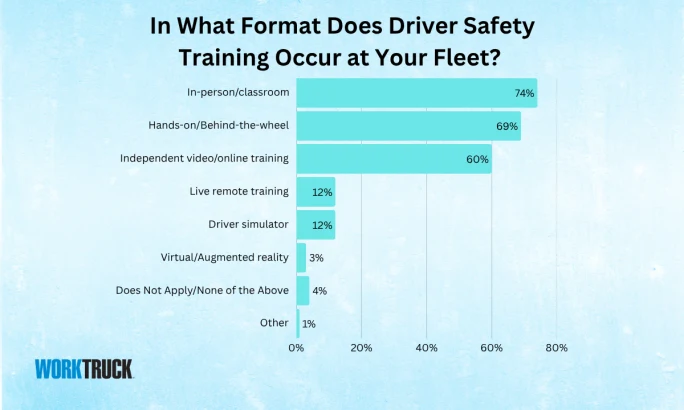
Old school is still in session — nearly three-quarters of fleets rely on in-person safety training, with many also adding hands-on and video-based methods.
Source: Bobit Business Media Research Department
Training tactics remain traditional, with nearly 75% of Class 1-6 fleets still relying on in-person, classroom-style training, and 82% conducting safety training during the driver onboarding process.
But onboarding isn’t the only time training happens. Sixty-nine percent of fleets said they provide safety training when new technology or equipment is introduced, while 60% offer additional training after an incident occurs. A smaller portion of fleets build safety into their routine more proactively: 12% said they train monthly, and another 12% offer quarterly refreshers.
These added touchpoints suggest fleets are thinking about safety as an ongoing conversation, not just a one-and-done event. That kind of culture-building can make a big difference when introducing new tools or tackling risky behaviors.
Safety Tech Use Is Holding Steady
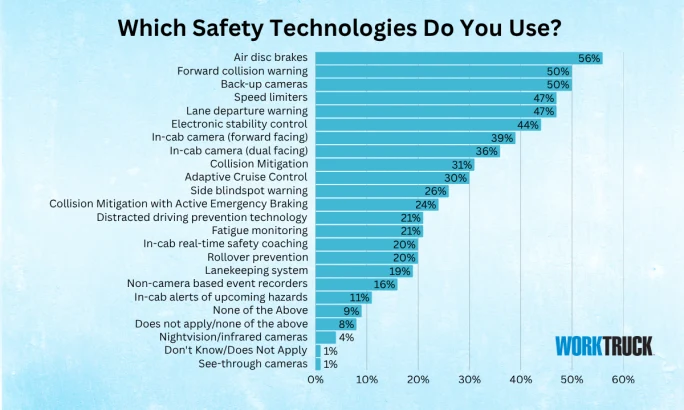
Half or more of respondents said their fleets use air disc brakes, forward collision warning, and backup cameras — now seen as baseline safety must-haves.
Source: Bobit Business Media Research Department
When it comes to technology, fleet adoption appears to have plateaued a bit. At least half of the Class 1-6 fleets surveyed reported using air disc brakes (note many of these fleets also operate heavy-duty vehicles), forward collision warning systems, or backup cameras, all tools that have been gaining ground in recent years and are now widely viewed as table stakes for safety-minded operations.
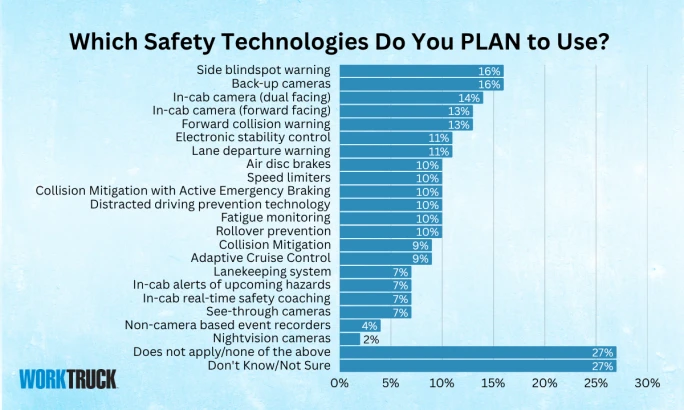
Despite the tech options out there, only 16% of fleets plan to adopt new safety tools like side blindspot warning or backup cameras in the coming year.
Source: Bobit Business Media Research Department
But when asked about future implementation, only 16% of fleets said they plan to adopt new safety tech in the next year, such as side blind spot monitoring or additional backup cameras. Meanwhile, 20% said they don’t plan to implement anything, and 27% aren’t sure yet.
That’s a cautious response from a segment that’s usually quicker to adopt practical solutions, and it reflects some of the broader fatigue and hesitation fleets have expressed in recent years.
AI Tools Make a Small Entrance
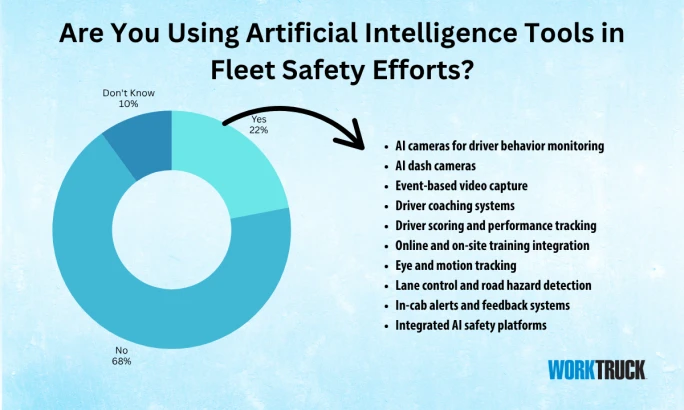
Only 22% of fleets say they’re using AI tools in their safety programs — but those that are report using camera-based systems and coaching tools most often.
Source: Bobit Business Media Research Department
The study also asked about the use of artificial intelligence tools in fleet safety programs. While still not widespread, nearly a quarter of fleets said they are using some form of AI, with camera-based systems noted most frequently.
That includes tools like event recorders, driver monitoring, or real-time coaching aids. While this segment remains small, it's gaining traction, especially among fleets trying to better understand driver behavior without over-policing or micromanaging.
Crash Accountability and the CPDP Gap
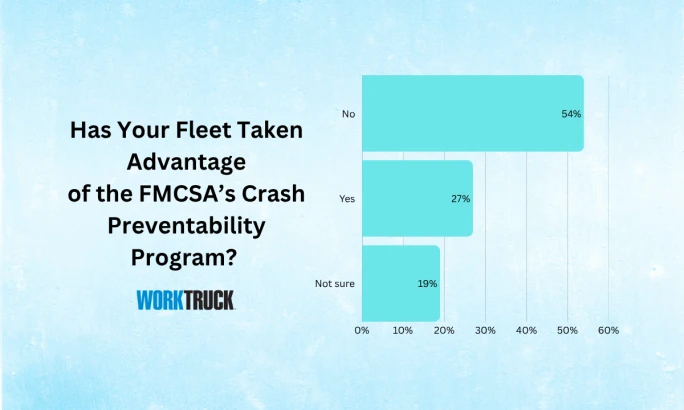
Despite the opportunity to clear non-preventable crashes, 54% of fleets haven’t used the CPDP program — often citing time constraints or confusion about the process.
Source: Bobit Business Media Research Department
While a little over one-third of respondents reported that fewer than 25% of their crashes were ruled as at-fault in 2023, most have still not used the Crash Preventability Determination Program (CPDP) from FMCSA.
CPDP lets carriers request a review of non-preventable crashes and potentially get those removed from their safety score. But more than half of the Class 1-6 fleet respondents haven’t taken advantage of the program, likely due to time constraints, confusion about eligibility, or uncertainty about how it might benefit them.
Crashes Most Often Happen Close to Home
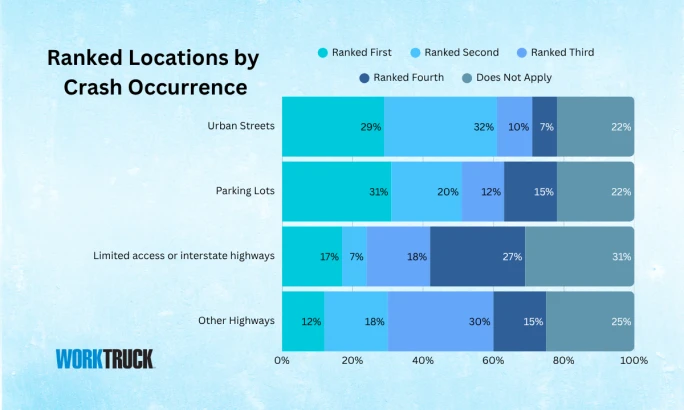
Parking lots and urban streets continue to top the list for crash locations, while interstates and highways were less frequently ranked as trouble spots.
Source: Bobit Business Media Research Department
Surveyed fleet managers were asked to identify where crashes happen most often. The most common answers?
Parking lots ranked first, followed by urban streets, mirroring last year’s trends. These environments offer high congestion, tight turns, and plenty of distractions, making them prime zones for fender benders and visibility issues.
Several respondents also pointed to limited sightlines and pedestrian traffic as growing concerns. As delivery demand increases, these high-traffic areas are only getting busier.
Truck Parking and Driver Safety? Not a Crisis, Yet
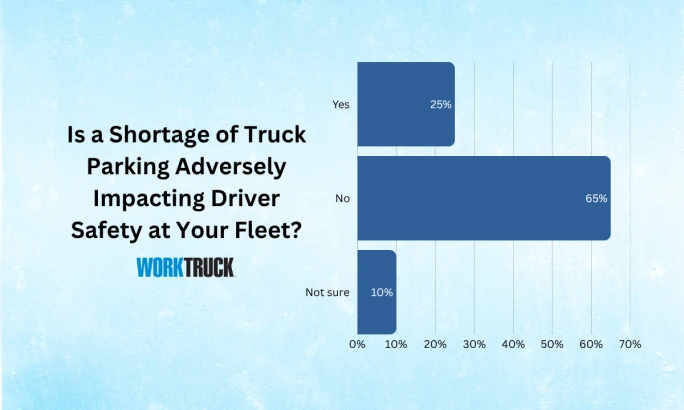
Only 25% of fleets said truck parking shortages are affecting driver safety, but that number could rise as demand for space grows in shared corridors.
Source: Bobit Business Media Research Department
We’ve all heard about the national truck parking shortage. But for the light- and medium-duty fleets surveyed, it’s not raising too many red flags just yet.
About two-thirds said parking shortages aren’t impacting their driver safety, a sharp contrast to what we’re hearing from long-haul and heavy-duty operators. Still, it’s an area to watch, especially for fleets whose routes overlap with over-the-road corridors.
That said, several fleet managers noted that when parking is tight, drivers may be forced into riskier or less secure locations — think dark alleys behind buildings or awkward shoulder stops. These situations might not lead to crashes, but they can increase the chances of theft or personal safety concerns.
As urban development grows and more delivery vehicles hit the road, even smaller fleets may start feeling the squeeze.
Drug Testing Compliance is High, but Hair Testing Isn’t
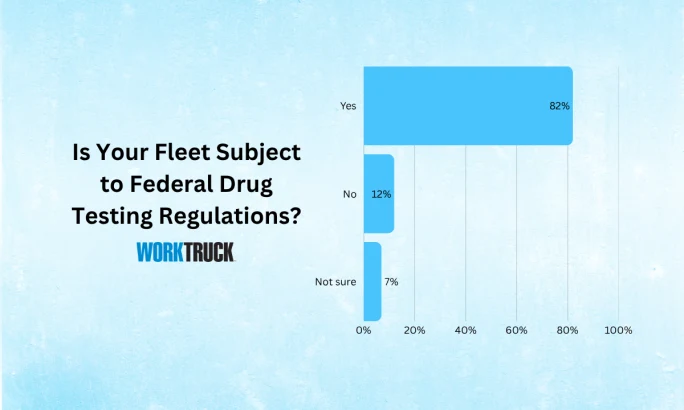
Over 80% of surveyed fleets are subject to federal drug testing regs, but there’s still some uncertainty — with 7% unsure if they qualify.
Source: Bobit Business Media Research Department
More than 80% of fleet respondents confirmed that their operations are subject to federal drug testing regulations, as expected. However, the use of hair testing is still minimal, with fewer than 20% of Class 1-6 fleets saying they use it, either for pre-employment screening or other drug testing needs.
Hair testing continues to be debated at the federal level, but the lack of adoption here might reflect both regulatory uncertainty and cost. As reported in Work Truck, saliva-based drug testing could soon be an option for motor carriers when sending CDL drivers for U.S. Department of Transportation (DOT) testing. Do you know what to expect?
Final Fleet Safety Thoughts
The 2025 Work Truck Safety Study reinforces a consistent theme: maintenance, written policy, and driver training remain the foundation of fleet safety programs. While these fundamentals are widely adopted, implementation of more advanced technologies and federal safety programs continues to lag.
The data suggests that many fleets are committed to safety but are navigating competing demands — regulatory compliance, rising costs, workforce pressures — that can limit their ability to adopt new solutions or optimize existing ones.
Establishing a strong safety culture requires more than just baseline compliance. It involves proactive planning, ongoing education, and a willingness to integrate new tools and processes where appropriate. For fleets aiming to reduce risk and improve outcomes, revisiting and reinforcing these practices regularly is essential.
More Safety
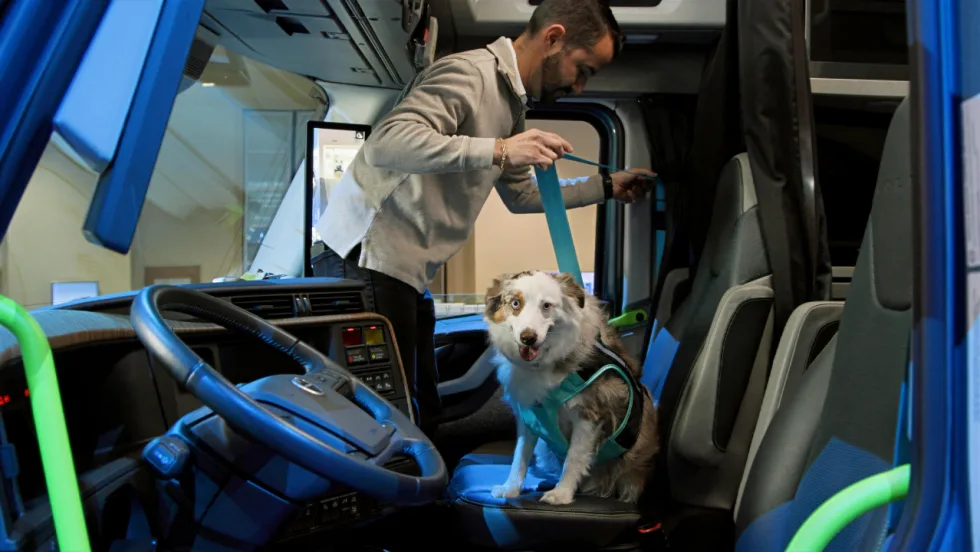
Volvo Trucks Releases New Safety Recommendations for Traveling with Pets
One of the most important recommendations for professional drivers traveling with pets is to ensure pets are properly restrained while the truck is moving. Other tips are available in the new guide from Volvo Trucks North America and Center for Pet Safety.
Read More →
API Issues Refueling Safety Guidelines
The American Petroleum Institute offers a list of safe vehicle refueling guidelines, including ways to avoid potential problems with static electricity discharges in fall, winter, and early spring.
Read More →
Winter Fleet Prep: Expert Tips to Keep Vehicles Running Smoothly
Cold weather can expose weak batteries, tires, fuel systems, and maintenance gaps fast. Use this winter fleet checklist to prepare trucks and drivers before temperatures drop.
Read More →
When a Work Truck Breaks Down, the Job Can Stop, Too
A work truck breakdown can stop more than the vehicle. Discover how payloads, jobsites, and specialty equipment change the roadside response.
Read More →
What Stronger Long-Term Fleet Service Partnerships Actually Require
Fleet service partnerships rarely fall apart all at once. Learn the three warning signs that trust is eroding and what fleets and providers can do before downtime, frustration, and lost revenue follow.
Read More →
Applause & TRUCE Software Partner to Improve Driver Safety Through AI-Powered Telematics & Employee Performance Management
Applause has integrated TRUCE driving metrics directly into its employee-first performance and safety platform that transforms mobile devices into AI-powered telematics.
Read More →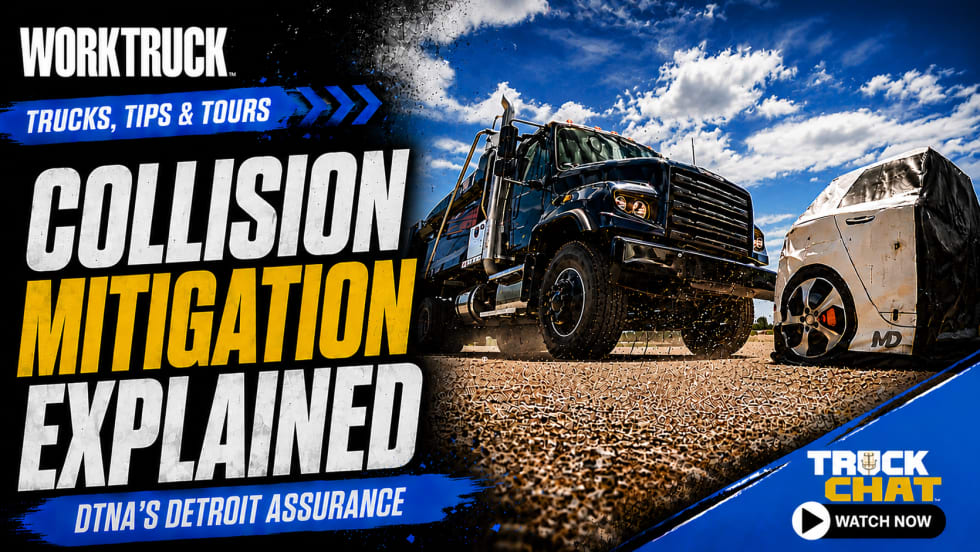
How Detroit Assurance with Active Brake Assist Works
Do you want to see what it is like to experience Detroit Assurance’s Active Brake Assist? In this video, Work Truck will put you in the cab to see how it all works and then hear more details from DTNA’s Mike Young.
Read More →
Get Left of Loss: A 5-Step Workplace Violence Prevention Framework for Fleet Operators
Violence risks do not stop at the driver’s door. Learn five practical steps fleets can take to spot threats early and protect workers before loss occurs.
Read More →
How Better Visibility Cut Speeding Violations by 48%
Fleet leaders don't need more data, they need clearer visibility into what the data is saying. This case study explores how one utility replaced speeding-event counts with a single metric — miles driven in violation — to strengthen safety and significantly reduce speeding violations.
Read More →
13 Safe Driving Tips for Commercial Vehicle Drivers
Make sure you are spending time on the road safely with these important tips.
Read More →