




Work Truck Fleets: The Road to Electrification
For fleet operators who are in search for cost savings, analyzing an electric vehicle's total cost of ownership provides a compelling reason to invest.
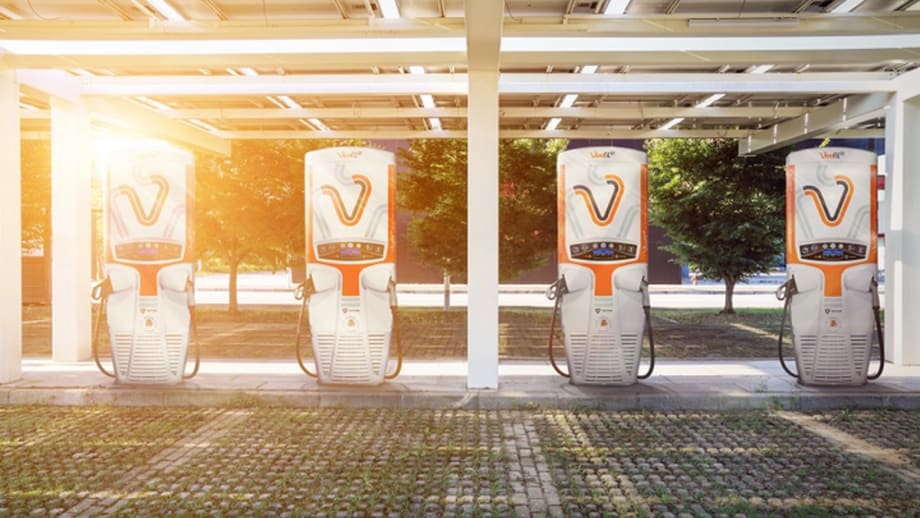
Gilbarco Veeder-Root Veefil-RT electric charging stations.
Photo: Gilbarco Veeder-Root
The future of transportation is swiftly being electrified. From the horse and carriage of early transportation to the internal combustion engine (ICE), transportation is evolving once again.
There are expected to be more than 18 million electric vehicles (EVs) on American roads by 2030. This represents about 7% of the total number of vehicles projected to be on the road in 2030, according to the Edison Electric Institute.
The transition to EVs is driven by numerous factors; however, environmental improvements, technological developments, and charging infrastructure expansion each play a consequential role in increased EV adoption.
While most individuals make decisions for a sole automobile, fleet managers make procurement choices for tens to hundreds of vehicles. As EV improvements continue and electrification funding expands, fleet managers find themselves in a unique position to make fleet replacement decisions that will have immense economic, environmental, and societal consequences.
With more than 13 million fleet vehicles in operation, fleets will make an outsized contribution on the road to electrification, according to the Transportation Energy Data Book. At the current juncture, the electrification discussion is primarily reserved for passenger cars. However, EV pickup trucks are expected to be commercially available later this year, with Ford, Chevrolet, Tesla, and Rivian all racing to introduce an electric pickup truck.
Fleet owners with trucks in the mix should expect EVs to rival their ICE counterparts. Manufacturers estimate electric trucks’ towing capacity will range from 6,000 to 14,050 pounds, and payload capacity will range from 1,760 to 5,000 pounds. Although these specifications only scratch the surface, fleet managers who manage trucks should be highly engaged in the electrification conversation.
As fleet owners assess if it is the right moment to electrify, Gilbarco Veeder-Root’s e-Mobility group has found that decision-makers have three primary questions: Why should I electrify? How do I electrify? And, how do I manage a mixed fleet?
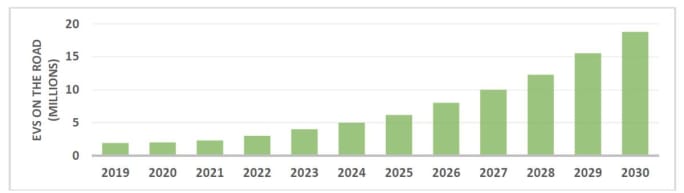
The transition to EVs is driven by numerous factors; however, environmental improvements, technological developments, and charging infrastructure expansion each play a consequential role in increased EV adoption.
Source: Edison Electric Institute
Why Should I Electrify?
Organizations are motivated by a plethora of reasons to electrify their fleets ranging from environmental goals to potential government regulations to public relations.
However, as managers make capital allocation decisions and examine expenditures, the total cost of ownership (TCO) invariably is a leading consideration. In a UPS survey, 64% of large organizations listed lower TCO as a primary motivator to electrify their fleets.
For fleet operators who are in search of cost savings, analyzing an EV’s TCO provides a compelling reason to invest.
Historically, there have been pervasive narratives that EVs are considerably more expensive than traditional ICE vehicles. However, roughly half of EVs available today have a manufacturer’s suggested retail price that is less than the average price of a new car.
To further depress initial capital outlays, fleet managers can take advantage of tax incentives and state and local electrification funding programs. Many electrification programs also can be applied to the cost of electric-charging infrastructure.
But the savings do not stop at purchase; often, managers who operate EVs see savings in maintenance and fuel costs. EVs have considerably fewer parts than ICE vehicles.
For example, a drivetrain in an ICE vehicle contains more than 2,000 moving parts, compared to about 20 in an EV drivetrain. This 99% reduction in moving parts creates far fewer points of failure, which limits and, in some cases, eliminates traditional vehicle repairs and maintenance requirements, creating immense savings for fleet managers.
Though each fleet’s electrification model will be different, the transition to electricity offers material cost reductions and savings.
How Do I Electrify?
With countless decision points, many decision-makers are eager to electrify but do not know where to start. Gilbarco Veeder-Root e-Mobility suggests a four-step approach:
Assess
Identify
Test
Scale
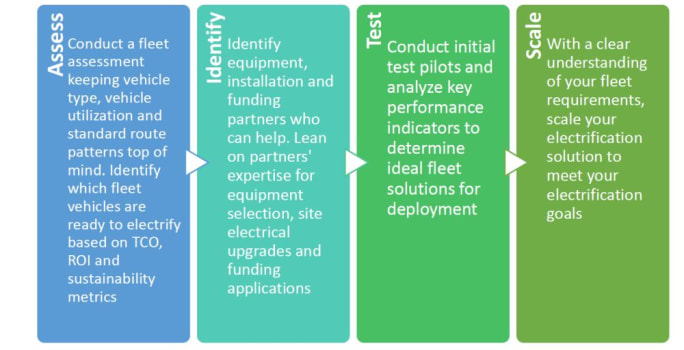
Gilbarco Veeder-Root recommends a four-step approach to electrifying your fleet.
Source: Gilbarco Veeder-Root
How Do I Manage a Mixed Fleet?
Several fleet managers will electrify in phases, creating an environment in which management of ICE vehicles and EVs is required. To maintain fleet continuity, leaders should seek a fleet management software solution that can provide visibility into all activities involving traditional fueling and EV Charging.
Having a single platform to access all transactional level fueling, charging, and authorization activities significantly diminishes the complexity of operating a mixed fleet.
Invariably issues will arise, and when they do, fleet managers need a reliable, trustworthy, and competent service partner who can swiftly restore operations. Uptime is critical for fleets, and your partner should have the capacity to help manage uptime across the entire fleet.
Instead of managing multiple relationships, fleets should identify a service partner who understands traditional and electric fueling infrastructure.
The Bottom Line
As the transition to electrified fleets continues to unfold, fleet managers who take early action will understand what it takes to navigate in a future that is increasingly becoming the present.
Electrification is no longer a hollow idea reserved for EV enthusiasts, but a core concept to be adopted to remain competitive in the 21st century.
About the Authors: Kevin Ferguson, Brian Kuebert, Deepesh Nayanar & Allen Goetz are members of Gilbarco Veeder-Root’s e-Mobility business, which provides charging hardware, software and service solutions to retail fueling and commercial fleet customers, which are largely underserved today.
Originally posted on Charged Fleet
More Sustainability
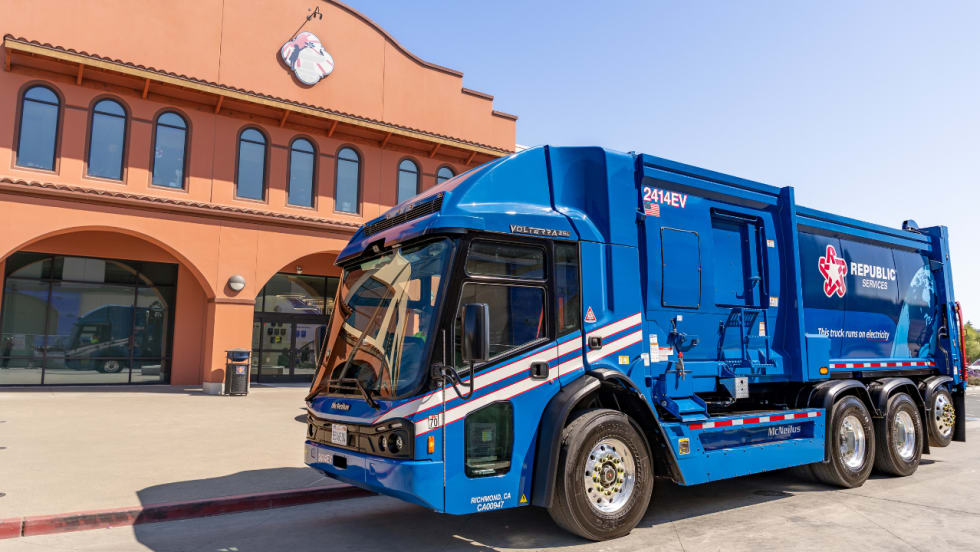
What Republic Services Learned Moving Electric Trucks Beyond the Pilot
With 250 electric refuse trucks now in service, Republic Services is learning that scaling a new powertrain depends as much on routes, drivers, technicians, and daily operations as it does on the truck itself.
Read More →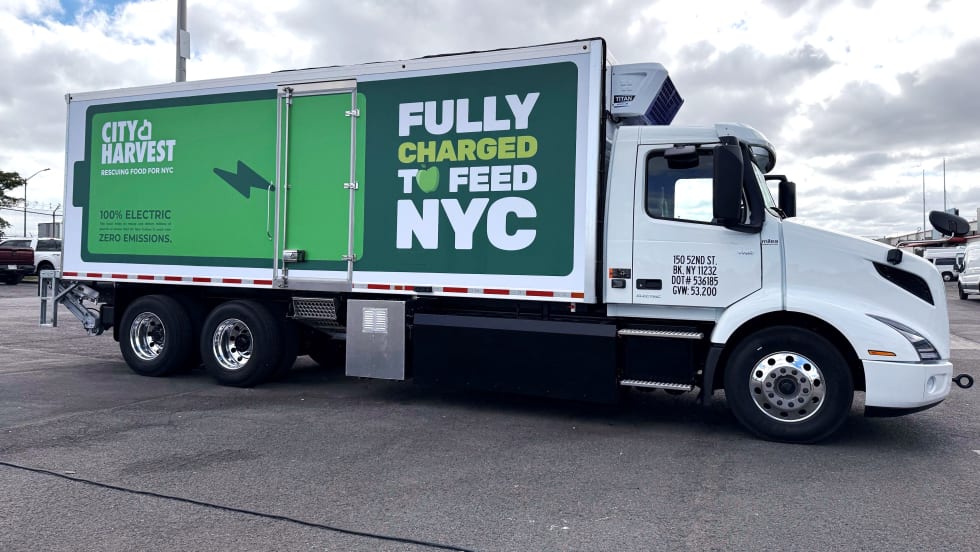
City Harvest Begins Using Volvo VNR Electric Trucks to Rescue Food Across New York City
Volvo Trucks North America and the Bronx Is Breathing project team handed over three new Volvo VNR Electric trucks to City Harvest, which will use the trucks to rescue and deliver food throughout the Bronx and across all five boroughs of New York.
Read More →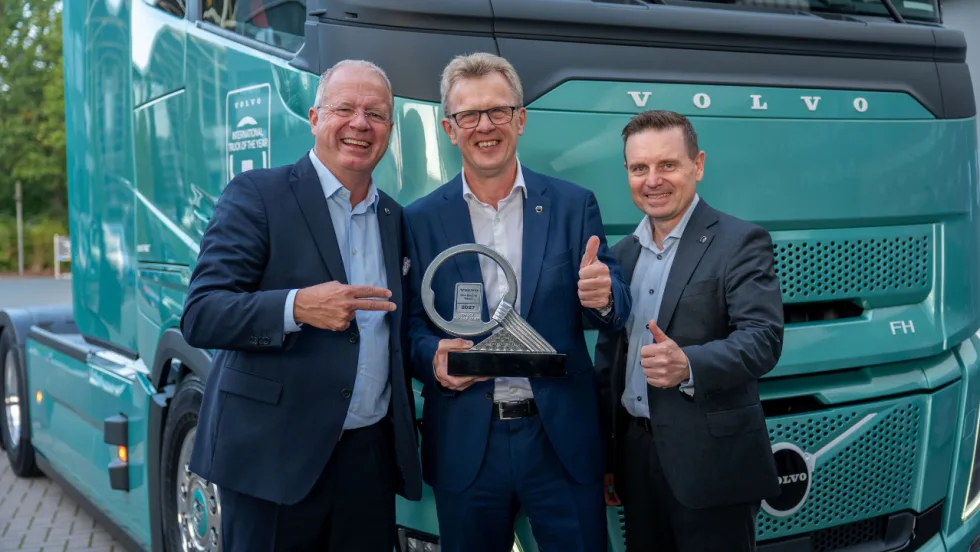
Volvo Trucks Wins International Truck of the Year 2027 for its Global Electric Range
Volvo Trucks' global heavy-duty electric range has been named International Truck of the Year 2027. Since 2019, more than 7,000 electric Volvo trucks have driven more than 310 million miles worldwide.
Read More →


Fleet Forward Conference Introduces One-Day Passes for 2026
New one-day registration gives fleet professionals the flexibility to attend Tuesday, Wednesday, or Thursday, with passes available for $199 through Sept. 18.
Read More →
CALSTART Rebrands as Catalyst Mobility, Will Combine with Forth in 2027
CALSTART has rebranded as Catalyst Mobility and will combine with Forth at the start of 2027. The new organization said it is poised to become one of the world's largest, strongest, and most impactful clean transportation nonprofits.
Read More →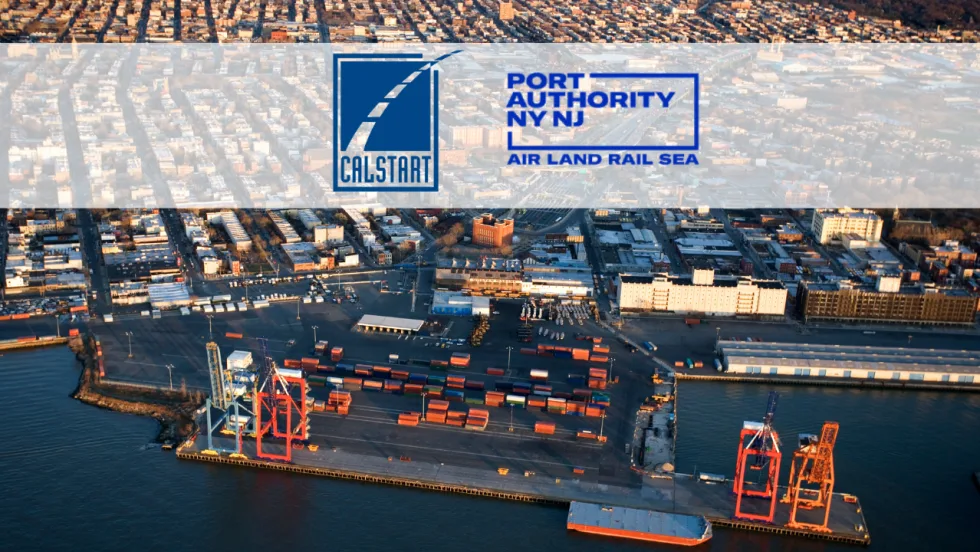
Electric Truck and Charging Programs to Boost Sustainability at NY & NJ Ports
Together, the Port Authority of New York and New Jersey and CALSTART will electrify drayage and terminal operations serving the East Coast’s busiest container port. A pair of incentive programs totaling $45 million has launched to accelerate adoption of zero-emission drayage trucks and terminal tractors.
Read More →
The Smart Way to Build a Mixed-Energy Fleet Isn’t About Picking a Side
Mixed-energy fleets aren’t about picking a winning fuel. Sarah Booth of WEX explains how vehicle data, duty cycles, charging strategy, and real-world costs can help fleets choose the right energy source for each job.
Read More →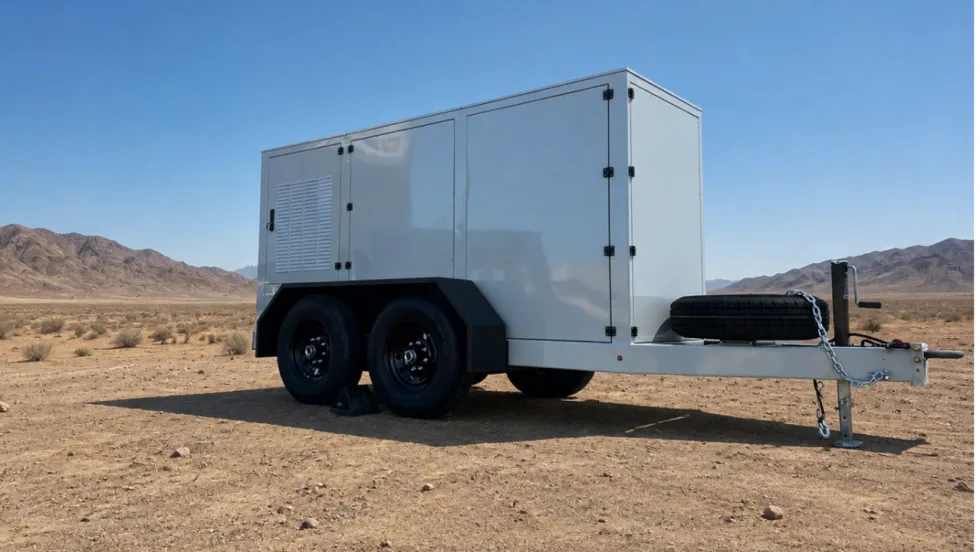
Xos Hub Surpasses One Gigawatt-Hour of Energy Delivered in the Field
A single Xos Hub has surpassed one gigawatt-hour of energy across more than 33,600 charging sessions in the field, demonstrating performance that supports Xos' expansion across new products and markets.
Read More →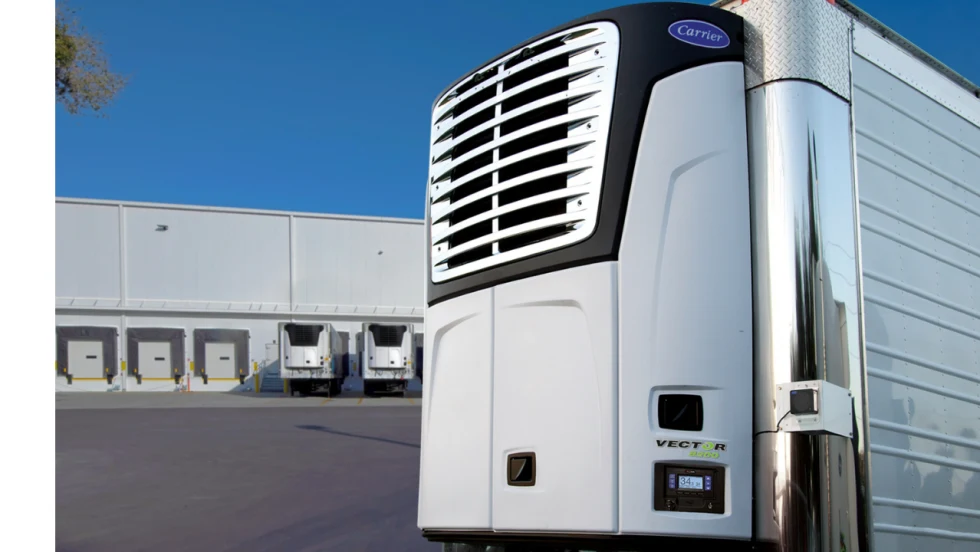
Carrier Transicold Launches All-Electric Vector 8200 TRU for Diesel-Free On-Site Cold Storage
Carrier Transicold’s first engineless multi-temperature TRU helps fresh- and frozen-food fleets add supplemental cold storage capacity during seasonal peaks.
Read More →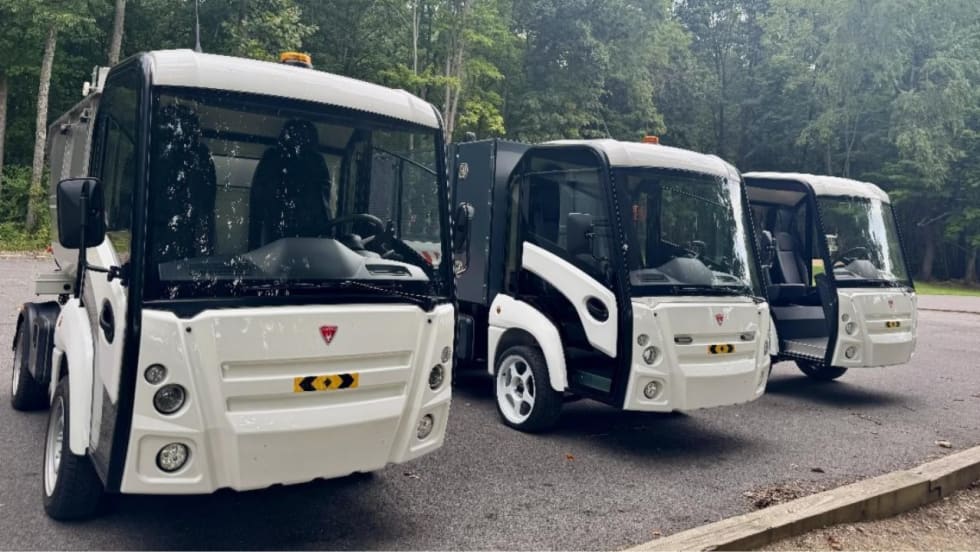
Narro Trucks Introduces Electric Utility Vehicle
Narro Trucks officially launched its operations on Aug. 20 and hosted a ride and drive to showcase its electric truck, which will be produced in Virginia.
Read More →