




Related: Top 4 Common Regulatory Myths
Changing Entry-Level Driver Training Requirements
Changes to the entry-level driver training requirements are so substantial that they may be unrecognizable to some, requiring communication to drivers, managers, and others at the motor carrier.
by Kathy Close, J.J. Keller
August 23, 2019
Training will consist of theory and behind-the-wheel instruction.
Photo: Getty Images
3 min to read
Beginning February 7, 2020, the process for obtaining and making changes to a commercial driver’s license (CDL) is changing.
Changes to the entry-level driver training requirements are so substantial that they may be unrecognizable to some, requiring communication to drivers, managers, and others at the motor carrier.
Federal regulations place specific training requirements on those defined as “entry-level drivers.” Entry-level drivers are those:
Applying for their initial CDL,
Upgrading their current CDL, or
Obtaining a passenger, school bus, or hazardous materials endorsement (HME) for the first time.
Drivers must complete the prescribed training before taking a CDL skills test.
Training Providers
Only schools or other entities listed on the Federal Motor Carrier Safety Administration’s (FMCSA) Training Provider Registry (TPR) may offer entry-level driver training.
The companies are placed on the TPR if they meet specific criteria, including use of a mandated curriculum and qualified instructors, as well as meeting licensing requirements, where applicable. Facilities and equipment must comply with all applicable federal, state, and/or local statutes and regulations.
Training will consist of theory and behind-the-wheel instruction.
Theory Instruction
The curriculum must cover 30 specific topics under five areas of instruction:
Basic operation,
Safe operating procedures,
Advanced operating procedures,
Vehicle systems and reporting malfunctions, and
Non-driving activities.
The required topics within each area include, but are not limited to basic control, visual search, vehicle inspections, hours of service, and trip planning. There is no minimum number of hours that driver-trainees must spend on theory instruction.
Training providers must assess the driver trainee’s proficiency in each unit of instruction. Trainees must achieve an overall minimum score of 80% on the theory assessment when tested.
Behind-the-Wheel Training
Behind-the-wheel training is performed on both a range and public road. Instruction will cover several topics, including (but not limited to) vehicle controls, speed and space management, backing, and parking.
The trainee will operate a vehicle of the same group or type that he or she intends to use for the CDL skills test. The instructor will assess the trainee’s proficiency in each of the required elements of behind-the-wheel training.
What About Endorsements?
The passenger or school bus endorsement curriculum includes both theory and behind-the-wheel instruction. The HME requires the theory instruction but does not require behind-the-wheel training.
After Training
By midnight of the second business day after the driver-trainee completes the training, the provider must electronically transmit training certification information through FMCSA’s TPR website.
FMCSA will share information on the completion of training with the state driver licensing agency (SDLA). Once received by the SDLA, drivers in need of a behind-the-wheel test from the SDLA are permitted to take the test (new CDL, upgraded CDL, adding passenger or school bus endorsement). Also, HME applicants are permitted to take the HME written test through the SDLA.
The Motor Carrier’s Role
Since the motor carrier does not technically have a role in driver training (unless it is conducting training as a provider listed on the TPR), its function may be to assist the driver in finding an acceptable training provider and helping the driver understand the process from start to finish.
Once properly licensed and/or endorsed, the motor carrier will have qualified drivers to operate its company vehicles safely.
Subscribe to Our Newsletter
More Safety & Compliance
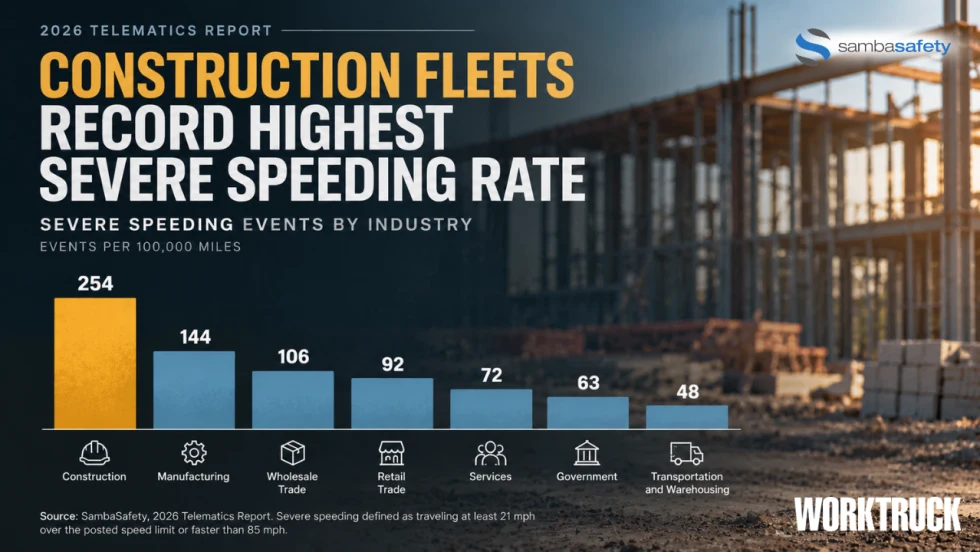
Construction Fleets Show Telematics Adoption Alone May Not Reduce Driving Risk
SambaSafety found construction fleets monitor roughly 92% of their vehicles but recorded the highest severe speeding rate among industries studied.
Read More →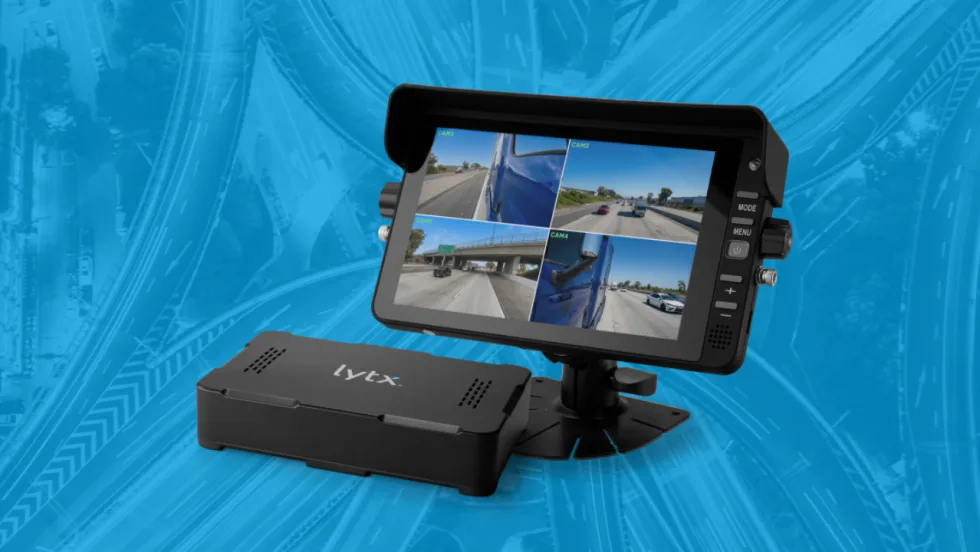
Lytx Launches 360 Hub Kit for Expanded Fleet Camera Visibility
Lytx’s new AI-ready gateway and HD auxiliary camera ecosystem, the Lytx 360 Hub Kit, extends visibility across side, rear, cargo, and blind-zone views to help fleets see more and respond faster.
Read More →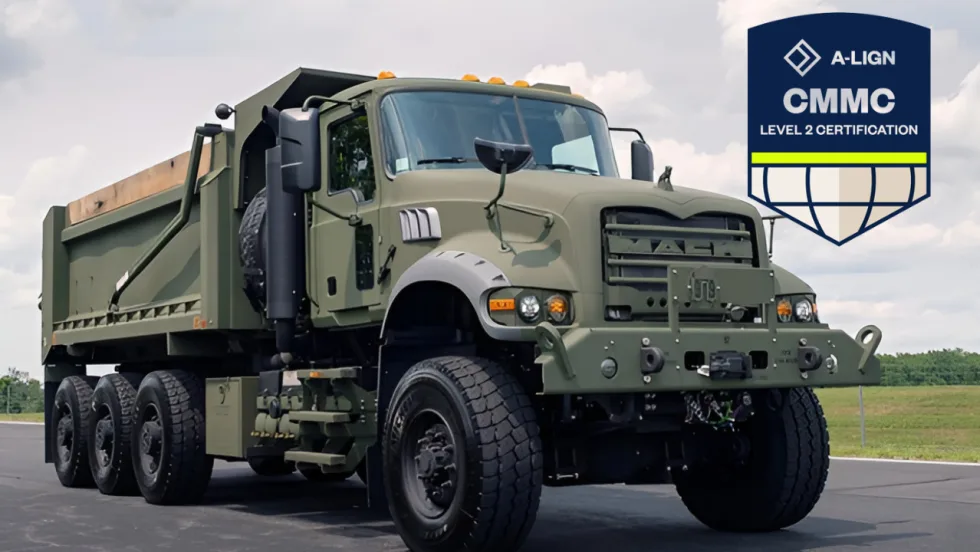
Mack Defense Achieves Cybersecurity Maturity Model Certification Level 2
After an assessment conducted by an authorized Certified Third-Party Assessment Organization (C3PAO), Mack Defense has achieved Cybersecurity Maturity Model Certification (CMMC) Level 2.
Read More →From Our Partners


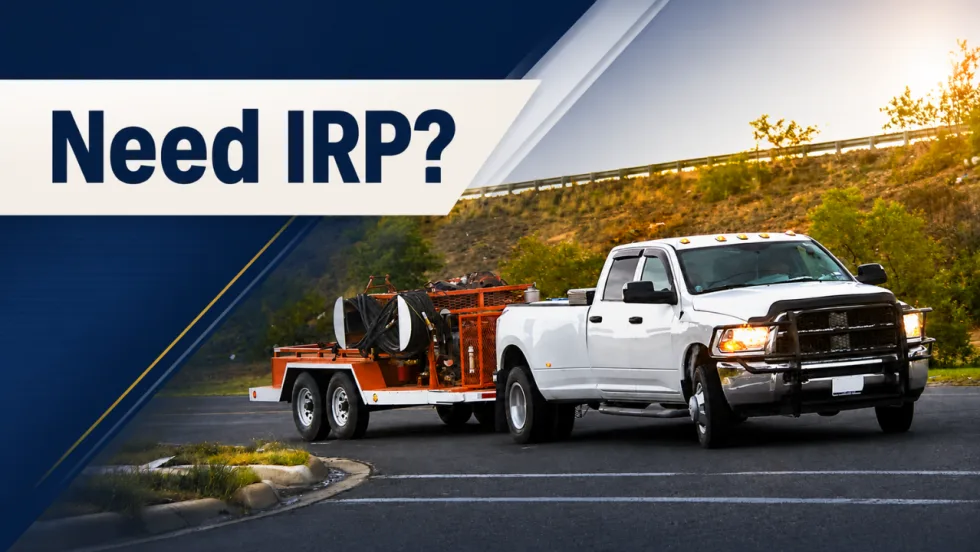
When Work Trucks Under 26,001 Pounds Need IRP Registration
Think trucks under 26,001 pounds are automatically in the clear when it comes to IRP? Not always. Learn where lighter vehicles can still run into trip permit, apportioned registration, and IFTA compliance requirements when crossing state or provincial lines.
Read More →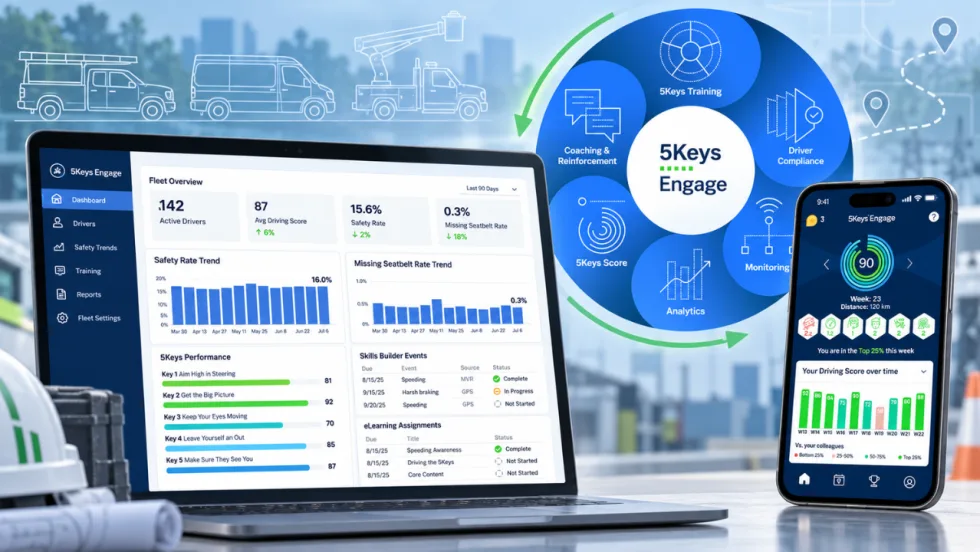
Smith System Wants Work Truck Fleets to Look Beyond the Driver Alert
Smith System’s new Driver Risk Management program is built to help mixed work truck fleets turn telematics alerts and observations into specific behaviors, coaching actions, and measurable follow-up.
Read More →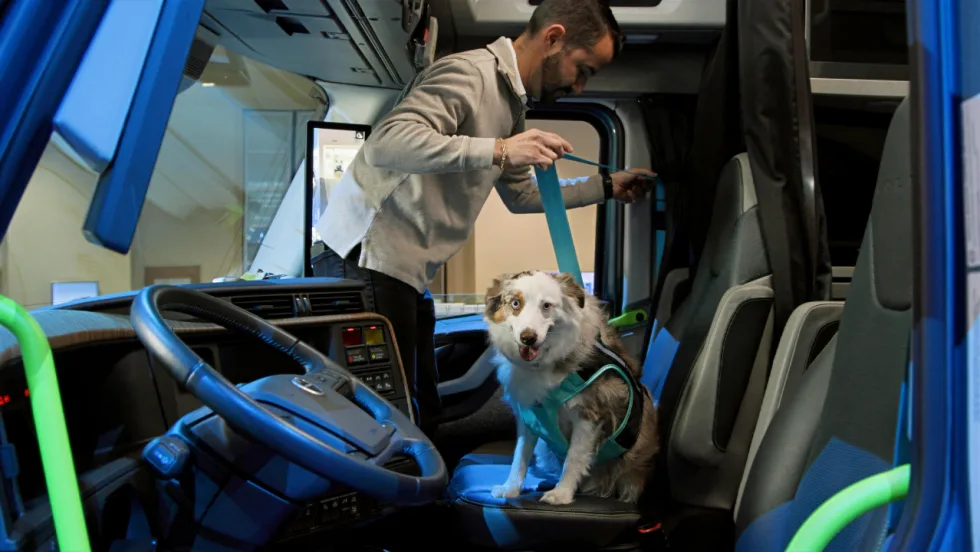
Volvo Trucks Releases New Safety Recommendations for Traveling with Pets
One of the most important recommendations for professional drivers traveling with pets is to ensure pets are properly restrained while the truck is moving. Other tips are available in the new guide from Volvo Trucks North America and Center for Pet Safety.
Read More →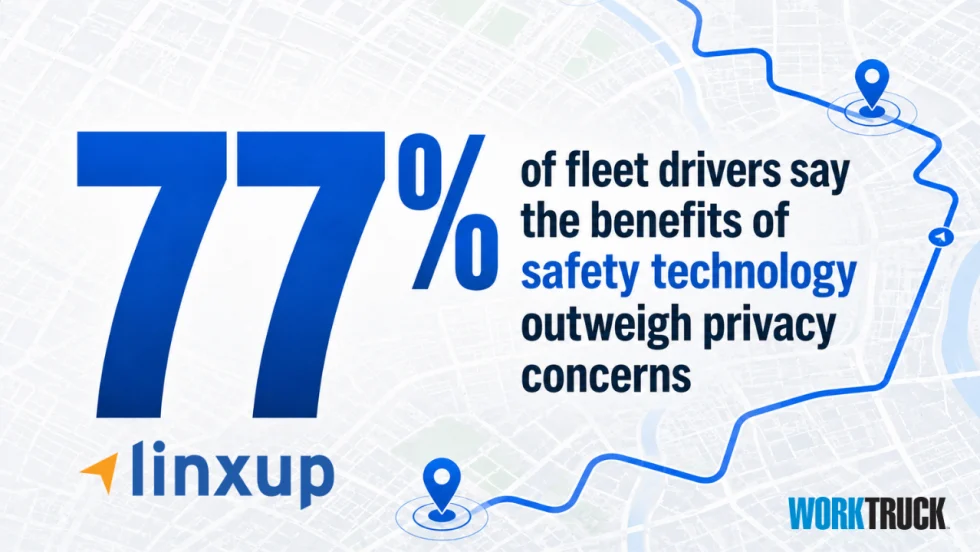
Are Work Truck Drivers Warming Up to Dash Cams and GPS Tracking?
A new survey finds field-service drivers may be more comfortable with dash cams and GPS tracking than fleet managers think, especially when the technology helps protect them after a crash.
Read More →
Recalls You Need to Know About in August 2026
If you have Altec, Chrysler, Ford, Heil, General Motors, International, Mack Trucks, Paccar, Rivian, Royal Truck, Toyota, US Truck Body, or Volvo Trucks vehicles in your fleet, you should check these important recalls issued by the National Highway Safety Administration.
Read More →
API Issues Refueling Safety Guidelines
The American Petroleum Institute offers a list of safe vehicle refueling guidelines, including ways to avoid potential problems with static electricity discharges in fall, winter, and early spring.
Read More →
Winter Fleet Prep: Expert Tips to Keep Vehicles Running Smoothly
Cold weather can expose weak batteries, tires, fuel systems, and maintenance gaps fast. Use this winter fleet checklist to prepare trucks and drivers before temperatures drop.
Read More →