





Research: State of the Commercial Truck Tire Industry in 2022
Top Commercial Truck Tire Sizes Identified
The leading commercial truck tire sizes of 2018, as reported by the U.S. Tire Manufacturers Association, includes the perennially popular 295/75R22.5.
February 22, 2019
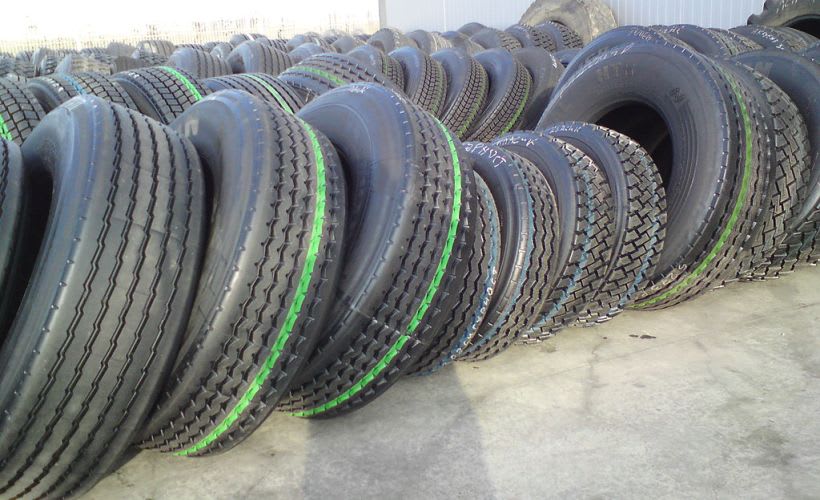
The U.S. Tire Manufacturers Association has identified the most popular sizes of commercial truck tires.
Photo: Biso/Wikimedia.
3 min to read
The U.S. Tire Manufacturers Association has identified the top original-equipment manufacturer and aftermarket tire sizes in its latest fact book that covers the 2018 calendar year, according to a report on ModernTireDealer.com.
The top sizes of truck tires added to new trucks include 295/75R22.5 (28.4%), 11R22.5 (24.9%), 275/80R22.5 (13.1%), 225/70R19.5 (8.6%), and 11R24.5 (5.8%). These tire sizes have been the top five for the past four years.
The top replacement sizes include 295/75R22.5 (24.3%), 11R22.5 (22.3%), 11R24.5 (9.7%), 225/70R19.5 (7.4%), and 275/80R22.5 (6.9%). These sizes have also been the top five for the past four years.
Prior to 2015, size 275/80R22.5 was grouped with size 295/75R22.5 in the USTMA system because they had identical applications, said an association spokesperson. From 2015-2017, they were reported as two different sizes. In 2019 (USTMA Factbook 2020), the association will return to its pre-2015 reporting "to more fairly represent the full market for this application."
How to Read Commercial Truck Tire Specifications
It goes without saying that tires used on commercial trucks need to comply with high standards of durability and performance in order to withstand the rigors of road wear. Commercial truck tires should be evaluated according to multiple criteria, including traction, maximum speed, load capacity, heat and wear resistance, and tread design. In general, commercial trucks require greater tire width, compared with average truck tire sizes, to ensure optimal traction and vehicular stability.
Using the wrong type of tire on a commercial truck can have catastrophic consequences, as it increases the likelihood of a road accident. Even if that never happens, tires that aren’t suited for applicable truck loads and performance needs will probably wear down faster and rack up maintenance bills. That’s why it’s extremely important to fully understand truck tire specifications customarily used in the commercial trucking industry. To do that, you need to be able to interpret all those letters and numbers printed on the sidewall of the tire.
A typical truck tire size code reads as follows:
LT295/75R22.5
This code actually consists of five distinct components:
Tire type: The letter(s) at the beginning of the code denote the type of tire. “LT” stands for light-duty trucks, while “P” stands for passenger—and neither of these tire options are generally suitable for commercial trucks. Tires for commercial trucks often have a “C” at the end of the code. Not all tire codes begin with a letter, however.
Width: The first number you encounter on the code—“295” in our example—refers to the section width of the tire (in millimeters).
Aspect ratio: The number after the slash—“75” here—is the ratio of sidewall height to tire width, expressed as a percentage. In our example, the sidewall height is 75% of the tire width.
Tire construction type: This refers to the tire's internal construction. “R” is for radial tires, “B” is for bias belt tires, and “D” or a dash is for bias ply tires (or diagonal tires). Tires that have no letter here are frequently cross ply tires.
Diameter: This is the rim diameter (in inches).
Immediately to the right of this alphanumeric code you often see a number and a letter. These are the load index (a two- or three-digit number) and the speed rating (usually a single letter).
Knowing how these codes relate to tire size and construction is vital for keeping your fleet of trucks on the road in good operating condition. Tire positions are also worth touching on briefly as a matter relevant to selecting commercial truck tires. Steer tires, drive tires, and trailer tires have differing performance needs, although many trucking fleet managers prefer all-position tires for their versatility and cost-effectiveness.
Did you like this article? Be sure to sign up for our newsletter.
Originally posted on Automotive Fleet
More Maintenance
Les Schwab Expands Commercial Tire Footprint Into Arizona
Les Schwab Tires has expanded into Arizona with two commercial tire locations in Phoenix and Tucson, strengthening its fleet service footprint in the Southwest.
Read More →
Volvo Trucks’ 'Lock and Leave' Software Updates Go Live Across North America
Unattended over-the-air software updates are now available in Volvo trucks across the U.S. and Canada. The new capability lets trucks stay current with the latest software without interrupting operations or requiring a dealership visit.
Read More →
Why Technician Appreciation Can’t Be a Once-a-Year Thought
For fleets trying to keep skilled technicians, recognition cannot begin and end with Technician Appreciation Week. Learn what year-round appreciation really looks like and why the everyday technician experience matters just as much as pay when fleets are trying to keep good people.
Read More →
How Faster Driver Reporting Can Keep Small Truck Problems Small
When minor damage, warning lights, or equipment issues are reported late, small problems can quickly become bigger maintenance headaches. Conversational AI can help shorten the path from what a driver notices in the field to the person who can act on it.
Read More →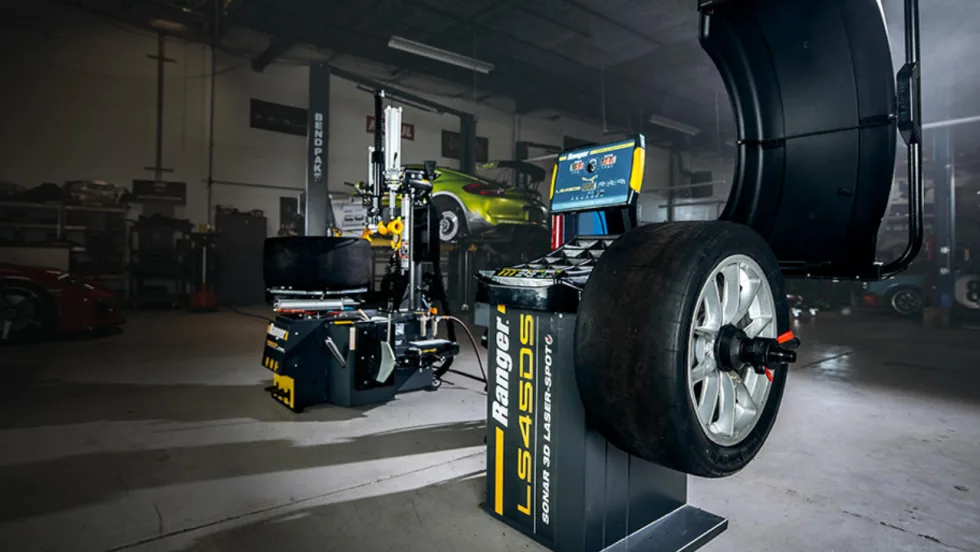
BendPak’s Ranger Wheel Service Equipment Achieves North American Safety Certification
BendPak’s full line of Ranger tire changers and wheel balancers has been ETL certified to UL and CSA standards to improve operator safety.
Read More →
Isuzu & U.S. Department of Labor Celebrate Milestone for Veterans Apprenticeship Program
The Isuzu Veterans Apprenticeship Program (IVAP) signing ceremony highlighted Isuzu’s long-term commitment to veterans, Isuzu dealers, and the skilled workforce supporting its customers and the commercial transportation industry.
Read More →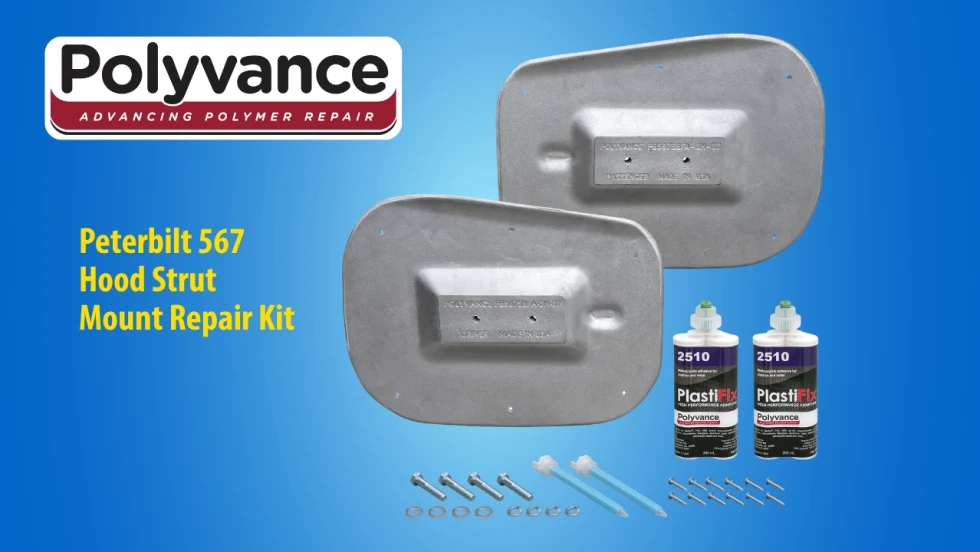
Polyvance Introduces New Peterbilt 567 Hood Strut Mount Repair Kit
Polyvance has launched a repair solution for Peterbilt 567 hood struts, helping truck owners and repair facilities avoid costly hood replacements.
Read More →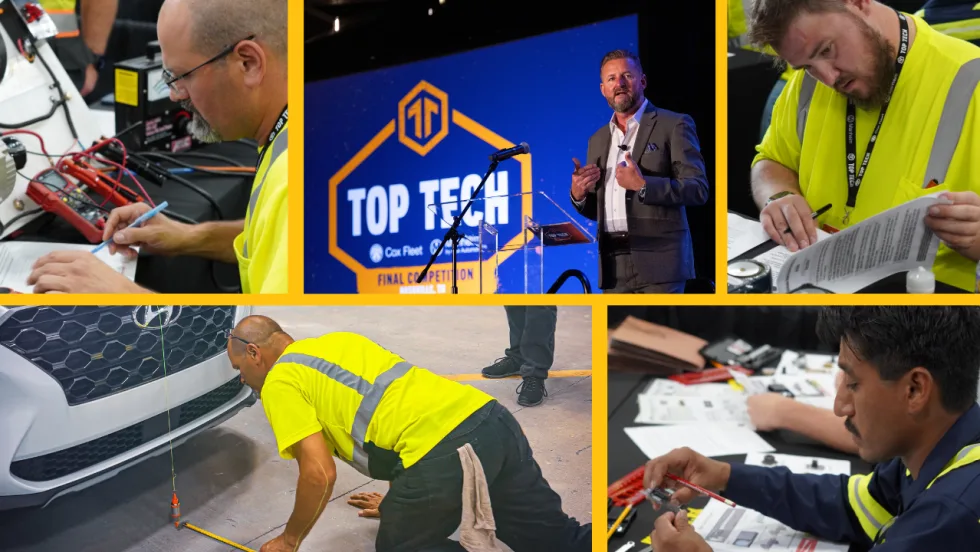
Cox Automotive Celebrates Technical Excellence at 2026 Top Tech Finals
The top technicians from Cox Fleet and Manheim tested their skills in Nashville, Tennessee, at Cox Automotive’s 2026 Top Tech Finals. The overall winners will advance to compete at the American Trucking Association’s TMC SuperTech competition.
Read More →
Grote Industries Appoints Vice President of North American Operations
Grote Industries has appointed Patrick Smith as vice president of North American operations as it celebrates 125 years of innovation and manufacturing excellence. He has more than 20 years of manufacturing leadership experience.
Read More →
Winter Fleet Prep: Expert Tips to Keep Vehicles Running Smoothly
Cold weather can expose weak batteries, tires, fuel systems, and maintenance gaps fast. Use this winter fleet checklist to prepare trucks and drivers before temperatures drop.
Read More →