




Get to Know Your Truck Fluids: Additives
Keeping gasoline and diesel engines running smoothly and efficiently is important to efficient fleet operations. Understanding additives can help.
June 12, 2017


The most popular additives used by fleets combat cold weather gelling, but additives can be used year-round for a variety of reasons.
Photo: Getty Images
5 min to read
Additives can be a controversial topic in the work truck and fleet industry, with concerns about emissions regulations, performance, health and safety, and cost. But, when utilized correctly, do they have a place in fleet to help with enhanced longevity?
In parts one and two of our three-part series on truck fluids, we covered the fundamentals of oil, coolants, and diesel exhaust fluid (DEF). In part three, we will dig into additives, including:
Diesel and gasoline fuel additives.
Cold-weather additives.
Oil additives.
What Do Gasoline-Powered Engines Need?
For trucks with gasoline engines, Michael Middleton, core services manager, customer experience for Valvoline Instant Oil Change, recommends using a 12-month complete fuel system cleaner at the beginning of every year to help clean fuel injectors, lower exhaust emissions, and eliminate knocking, pinging, and rough idling.
“You don’t have to use an additive each time you get gas or at each oil change. Valvoline’s 12-Month Complete Fuel System Cleaner is a once-a-year or every 12,000-mile additive,” Middleton said. “Work trucks put on a lot of miles, and you can get a lot back in cost savings by ensuring your work trucks operate at peak efficiency. Ensuring that the fuel system is operating correctly helps reduce rough idle and improves acceleration and gas mileage.”
Popular Work Diesel-Powered Engine Needs
Most diesel fuel sold in the United States contains very little, if any, additives (with the exception being that some terminals winterize their diesel in colder months), according to Steven R. de Waard, Business Unit manager – diesel fuel additives for PEAK Commercial & Industrial, noting fleets should consider investing in this protection.
“Additives can play a vital role in protecting work trucks’ fuel systems and critical engine parts,” he said. “Most diesel fuel is untreated, and additives can play a significant role in ensuring higher fuel quality used by fleets.”
Leonard Badal Jr., Global Delo brand manager for Chevron, advised fleets to use diesel fuel injector additives periodically. “This helps maintain clean diesel injectors, which is important to engine performance and fuel economy performance,” he said.
Like gasoline additives, Middleton said a good rule of thumb is using diesel additives once per year.
“We recommend using a fuel additive at the beginning of the year for each truck in the fleet for widespread coverage and performance for the year,” he said. “Avoid using additives that require use each time you fill your diesel tank.”
When shopping for diesel additives, de Waard recommended using those with the following components:
Detergents to keep clean and/or clean up harmful deposits that can form on critical engine parts.
Cold flow improvers to help keep wax crystals small when the ambient temperature drops, thus reducing the temperature at which fuel will gel.
Wax anti-settling additives to keep wax crystals suspended in the fuel over longer periods of time.
Lubricity improver to help keep critical engine components (e.g., fuel pumps) lubricated and reduce the chance of wear.
Corrosion inhibitors, to help reduce the impact of water in diesel fuel coming in contact with metal components in the engine.
What is the Top Fleet Truck Additive?
Of all of the additives, de Waard of PEAK said cold weather additives tend to be the most popular ones used by fleets.
“Drivers and fleet managers who have experienced their fuel gelling in the past know that operating with diesel fuel without anti-gel additives puts them at risk of a truck not operating in colder temperatures,” he said.
At the same time, he noted it’s important to consider additives all year round.
“The days of not treating fuel in non-cold months are slowly going away. Fleets need to protect their investment and use additives regularly. It will keep engines clean and running as the manufacturer intended, while optimizing fuel economy and lowering emissions,” de Waard continued.
Badal of Chevron agreed that cold weather diesel fuel additives are the most commonly used and added diesel fuel injector cleaner to the list as well.
“Ensuring clean injectors helps provide better engine performance and maintain fuel economy performance, and cold weather additives ensure cold flow from diesel fuel in cold or winter weather,” he said.
Also, with improved engine technology, additives are becoming of increasing importance, according to de Waard.
“Diesel engines in the past could overcome varying levels of diesel quality. But, with the advent of more sophisticated engines, these engines are more susceptible to contaminants in the fuel or deposits that form through the combustion process,” he said. “Engines are still smart enough to overcome these issues, but that comes at the cost of reducing overall engine performance.”
Top Guidelines to Follow for Additives
In general, additives can be easy to use. Even so, de Waard of PEAK said it’s important to keep a few things in mind:
Read labels carefully when applying additives to fuel tanks on trucks. Overtreating with some additives can promote sticky, unwanted engine residue.
If treating for the winter, treat the fuel before it gets cold and continues to treat the fuel throughout the winter season. One untreated batch of fuel can impact the overall winter operability performance of that fuel.
Only use isobutanol-based additives meant to thaw gelled fuel as an emergency measure.
Don’t use gasoline or lubricant additives in diesel fuel. These additives have been designed to function in other engine environments and could cause harm to the engine.
Badal of Chevron offered another word of caution: Avoid aftermarket oil additives.
“These products typically provide minimal performance enhancements and in some cases can be detrimental to engine performance,” he said.
But, at the end of the day, Middleton of Valvoline said investing in the right additives can lead to a significant payoff.
“The cost savings doesn’t lie,” he said. “Keeping the fuel efficiency in your work truck fleet pays for itself with its return on investment (ROI). Additives are a small up-front cost that can lead to big savings.”
Middleton also offered this parting advice: “Treat fleet trucks like they are your own vehicle,” he said. “Take pride in servicing them, and they will take pride in serving you and your customers.”
Editor's Note: Last updated March 6, 2023
Subscribe to Our Newsletter
More Maintenance & Uptime
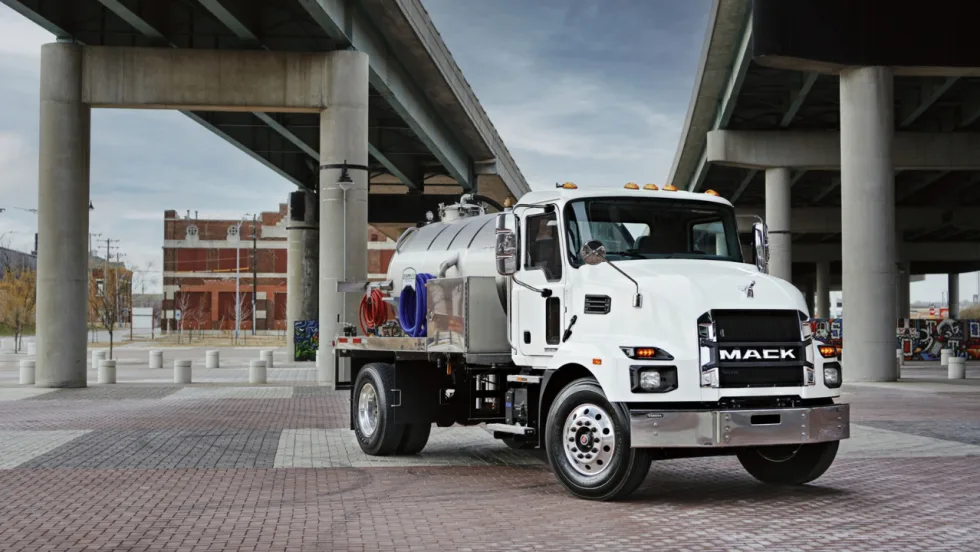
Mack Adds Chassis Coverage Options for Fleet Repair Costs
Mack Trucks introduced four system-specific chassis coverage plans, giving fleets more flexibility to manage repair costs for driveline, HVAC, electronics, safety systems, and other components.
Read More →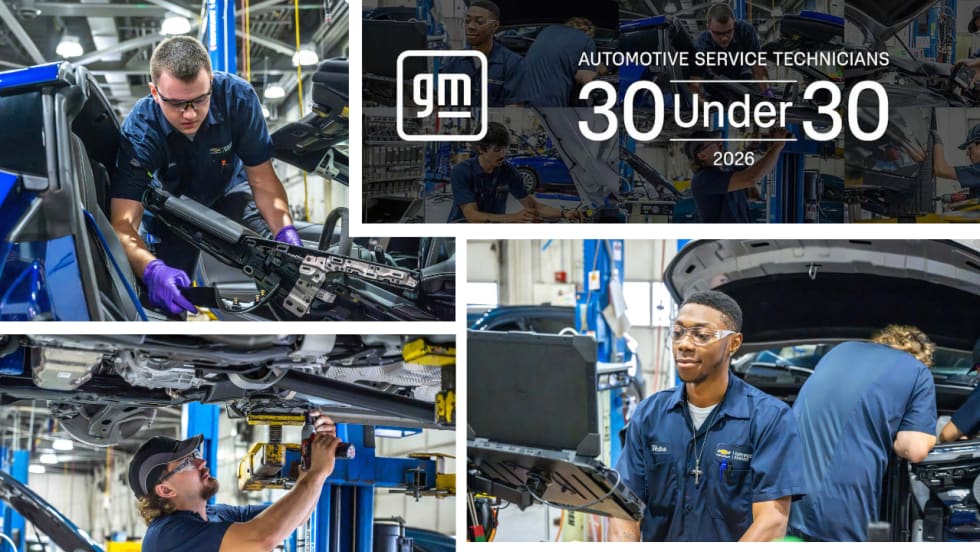
GM Launches ‘30 Under 30’ Program to Elevate Automotive Service Technicians and Inspire the Next Generation
The GM Automotive Service Technicians 30 Under 30 program honors GM service technicians under the age of 30 who demonstrate continuous technical training, exemplary customer service, mentorship, and leadership.
Read More →
Kooner Fleet Management Solutions Named Exclusive On-Site Fleet Maintenance Provider for Safe Truck Parking
A strategic partnership between Kooner Fleet Management Solutions and Safe Truck Parking brings mobile maintenance and 24/7 repair services directly to Safe Truck Parking locations, beginning in San Diego, California, with nationwide expansion planned.
Read More →From Our Partners
How JASPER Keeps Fleets Moving and Profitable
Sponsored by Jasper Engines & Transmissions

Basic Tracking vs Next Generation Fleet Technology
Sponsored by AT&T Business

5 Facts Every Fleet Manager Should Know About Embedded Telematics
Sponsored by Stellantis/Mobilisights

How AI Video Telematics Boosts Driver Safety and Helps to Avoid Unnecessary Costs
Sponsored by Verizon Connect

Charting the 8 Bottom-Line Benefits of Workforce Optimization
Sponsored by Verizon Connect


Building a Better Vehicle Replacement Model
Meter readings still matter, but engine hours, idle time, maintenance trends, and utilization can help fleets spot costly vehicles before the odometer does.
Read More →
Sponsored•September 21, 2026
How JASPER Keeps Fleets Moving and Profitable
Every business decision within fleet management ultimately comes down to financial performance. Investing in dependable replacement powertrain components and responsive support can measurably impact the bottom line.
Read More →
Ryder Honors 2026 Top Technician at 25th Anniversary Skills Competition
Hosted in Nashville, Ryder’s 25th annual Top Technician Skills Competition honored the best technicians across the U.S. and Canada. Top Tech celebrates technician expertise while promoting growth, recognition, and camaraderie. Here are the winners.
Read More →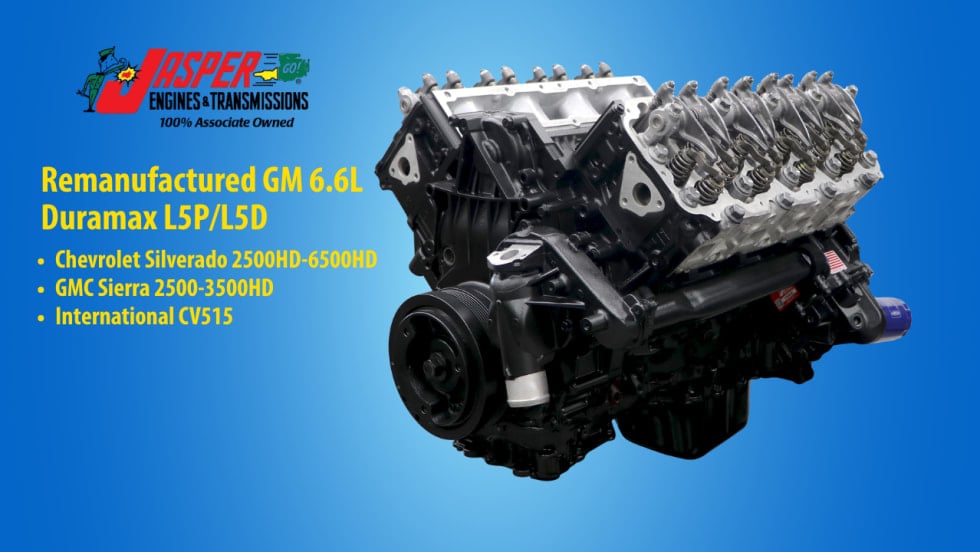
Jasper Offers GM 6.6L Duramax L5P/L5D Complete Format Diesel Engines
Jasper Engines & Transmissions now offers the remanufactured GM Duramax 6.6L L5P/L5D as a complete format engine for several General Motors and International 2017-2023 HD pickup trucks.
Read More →
Armor Equipment Strengthens Minnesota Service Capabilities with Acquisition of Dakota Truck
Armor Equipment has acquired Dakota Truck, a medium- and heavy-duty truck and trailer repair business based in Lakeville, Minnesota. The acquisition adds truck and trailer repair expertise, building on Armor’s expansion into the Upper Midwest.
Read More →
LaFontaine Partners With UVeye to Expand AI Vehicle Inspections in Michigan
LaFontaine is expanding UVeye AI vehicle inspections across Michigan, while UVeye tells Work Truck how the technology can support fleet maintenance and heavy-duty vehicle inspections.
Read More →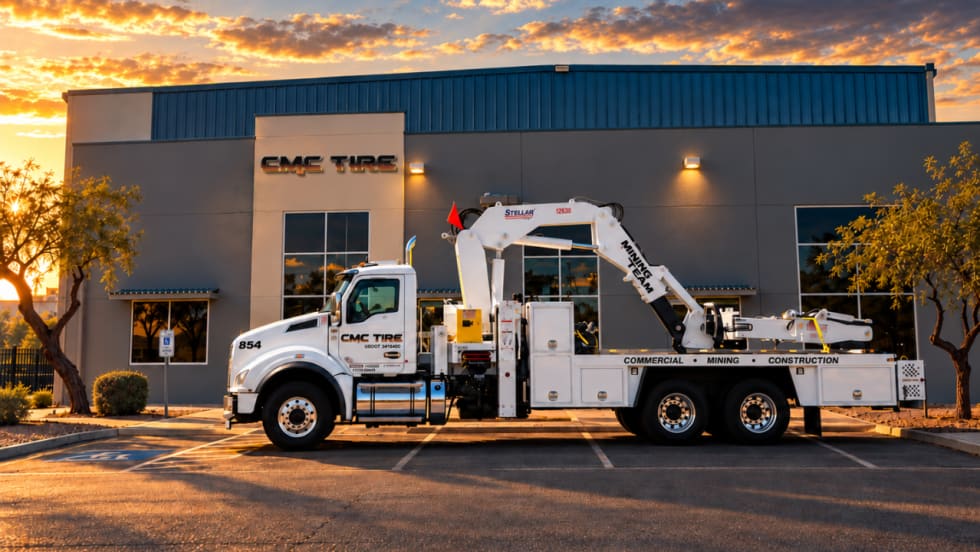
Les Schwab Expands Commercial Tire Footprint Into Arizona
Les Schwab Tires has expanded into Arizona with two commercial tire locations in Phoenix and Tucson, strengthening its fleet service footprint in the Southwest.
Read More →