




ThyssenKrupp Elevates its Propane Autogas Fleet
Using Fleet Manager Tom Armstrong’s “Five Cs” protocol of analyzing alternative fuels, ThyssenKrupp Elevator now has 47 ROUSH CleanTech E-Series vans and seven F-Series trucks.

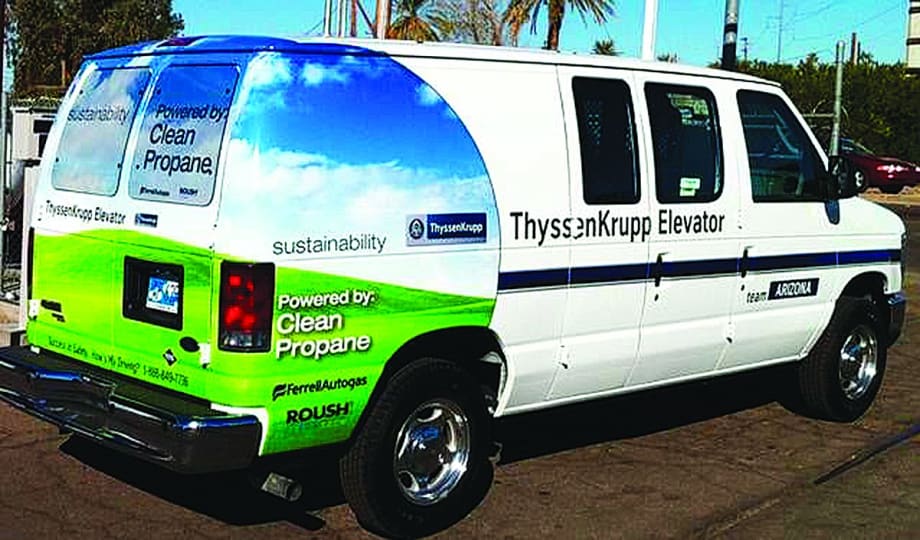
ThyssenKrupp currently operates 47 E-150 vans in six different markets.
Photo: ThyssenKrupp
ThyssenKrupp Elevator knows the ups and downs of running a successful business. With more than 13,500 employees, 200-plus branch and service locations, and more than $2.7 billion in annual sales, remaining on top means being fiscally, socially, and environmentally sustainable.
In 2010, ThyssenKrupp’s fleet department started evaluating alternative-fuel vehicles to combat rising fuel costs and to learn what fuels were sustainable now and for the next generation. Its quest resulted in the development of a protocol for analyzing alternative fuels. Tom Armstrong, fleet manager for ThyssenKrupp, created the “Five Cs” protocol for analyzing alternative fuels, which asks, “Is it Clean? Does it Conserve? Is it Cost-effective? Does it make Common sense? Can you Commit?”
“When we laid out all the fuels available, there was only one alternative-fuel source that had a checkmark in all five categories, and that was propane autogas,” Armstrong said.
Making the Switch to Propane Autogas
By switching to propane autogas, ThyssenKrupp Elevator reduced its carbon footprint by 6,917 lbs. of carbon dioxide each year per vehicle in its Phoenix-area service vans.
As for cost-effectiveness, Armstrong said the average price for gasoline has hovered around $3.84 per gallon, while the company’s price for propane autogas averaged $1.93 per gallon. This provided more than $224,208 in annual fuel-cost reductions to the company’s bottom line in the Phoenix market alone. Armstrong’s propane-autogas vehicles have the potential for lower maintenance costs and increased engine life because the fuel burns cleaner and experiences significantly less carbon build-up.
With so many pluses, common sense pointed the company to commit to propane autogas. The company started with three ROUSH CleanTech Ford E-150 propane-autogas vans in Phoenix in 2010. The path to propane autogas was methodical for ThyssenKrupp. The fuel met all the needed requirements, but as the company started its migration away from foreign oil, a new set of concerns arose.
“Once we decided on propane autogas, our next challenge was to identify the best partner for our propane conversions,” Armstrong said. “We needed a quality tier-one supplier committed to our long-term sustainable goals, which meant the product needed to be safe, and it needed to be supported by the vehicle manufacturer and not void any manufacturer warranties. ROUSH CleanTech surfaced as our best solution and business partner.”
Currently offered through authorized Ford dealerships around the country, the ROUSH CleanTech propane-autogas fuel system delivers the same factory Ford performance characteristics and serviceability with a five-year/60,000-mile limited warranty, according to ROUSH.
Challenges with Geographic Fleet Diversity
Currently, ThyssenKrupp runs 47 Roush CleanTech Ford E-series vans and seven F-Series trucks across five geographic markets: Phoenix, Seattle, Los Angeles, San Diego, and Detroit. According to Armstrong, Thyssen-Krupp is targeting Dallas, Houston, Sacramento, and San Francisco next, and will continue to add new vehicles and markets with the goal of operating 10 percent of its entire fleet on propane autogas by 2015.
At ThyssenKrupp, company drivers are assigned vehicles that are taken home each night and are always available for customer emergencies. Refueling infrastructure must be strategically placed for their needs.
“Originally, in Phoenix we partnered with Ferrellgas to develop infrastructure,” Armstrong said. “As in Phoenix, when we enter new markets we load driver home addresses into a mapping program to identify where we need autogas infrastructure.”
ThyssenKrupp works with all propane autogas suppliers, such as Amerigas, Alliance Autogas, Ferrellgas, and other regional providers to provide the infrastructure in the areas identified. “In most situations, suppliers have local retailers that just require upgrades to make the pumps autogas ready with 24-hour access and are credit-card capable. These features give drivers the convenience and ease-of-use just like refueling with conventional fuels,” Armstrong said.
According to Armstrong, the company is committed to leaving behind a sustainable future for generations to come by operating a green fleet that minimizes impact on precious natural resources, conserves financial outputs related to fuel costs, and builds a foundation for moving its successes to other markets it serves.
More Sustainability
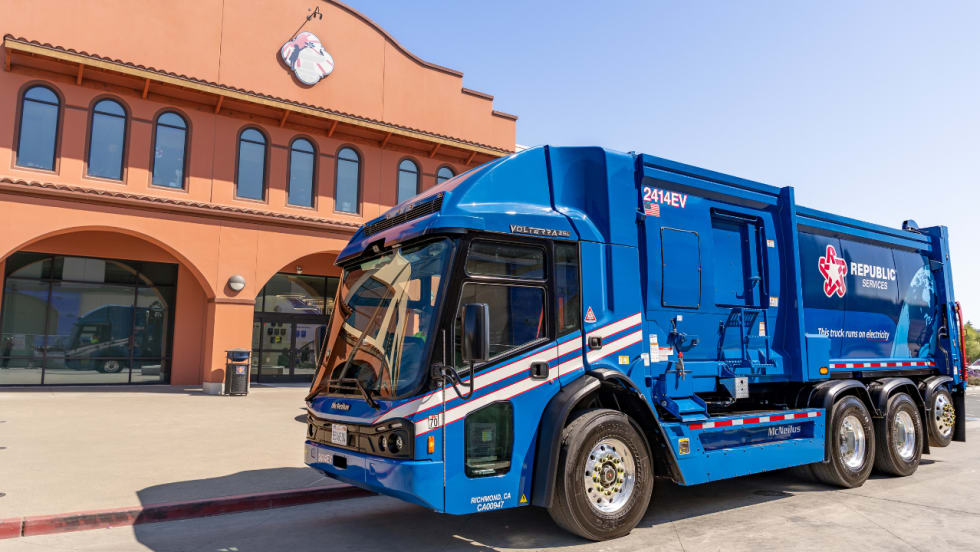
What Republic Services Learned Moving Electric Trucks Beyond the Pilot
With 250 electric refuse trucks now in service, Republic Services is learning that scaling a new powertrain depends as much on routes, drivers, technicians, and daily operations as it does on the truck itself.
Read More →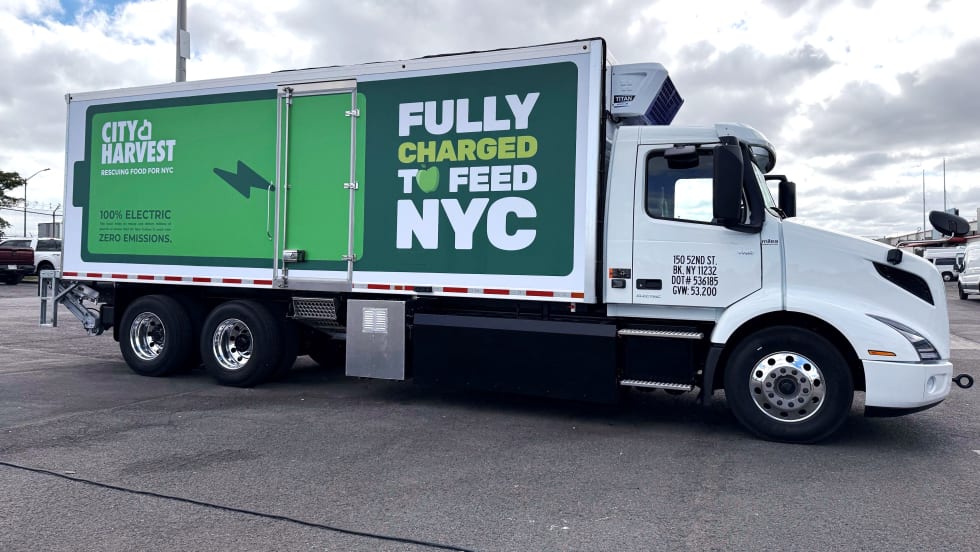
City Harvest Begins Using Volvo VNR Electric Trucks to Rescue Food Across New York City
Volvo Trucks North America and the Bronx Is Breathing project team handed over three new Volvo VNR Electric trucks to City Harvest, which will use the trucks to rescue and deliver food throughout the Bronx and across all five boroughs of New York.
Read More →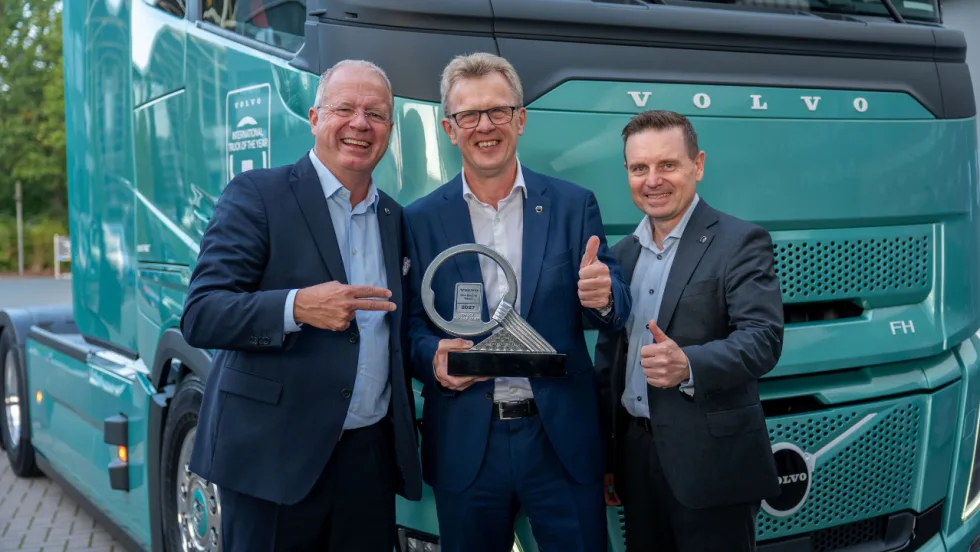
Volvo Trucks Wins International Truck of the Year 2027 for its Global Electric Range
Volvo Trucks' global heavy-duty electric range has been named International Truck of the Year 2027. Since 2019, more than 7,000 electric Volvo trucks have driven more than 310 million miles worldwide.
Read More →


Fleet Forward Conference Introduces One-Day Passes for 2026
New one-day registration gives fleet professionals the flexibility to attend Tuesday, Wednesday, or Thursday, with passes available for $199 through Sept. 18.
Read More →
CALSTART Rebrands as Catalyst Mobility, Will Combine with Forth in 2027
CALSTART has rebranded as Catalyst Mobility and will combine with Forth at the start of 2027. The new organization said it is poised to become one of the world's largest, strongest, and most impactful clean transportation nonprofits.
Read More →
Electric Truck and Charging Programs to Boost Sustainability at NY & NJ Ports
Together, the Port Authority of New York and New Jersey and CALSTART will electrify drayage and terminal operations serving the East Coast’s busiest container port. A pair of incentive programs totaling $45 million has launched to accelerate adoption of zero-emission drayage trucks and terminal tractors.
Read More →
The Smart Way to Build a Mixed-Energy Fleet Isn’t About Picking a Side
Mixed-energy fleets aren’t about picking a winning fuel. Sarah Booth of WEX explains how vehicle data, duty cycles, charging strategy, and real-world costs can help fleets choose the right energy source for each job.
Read More →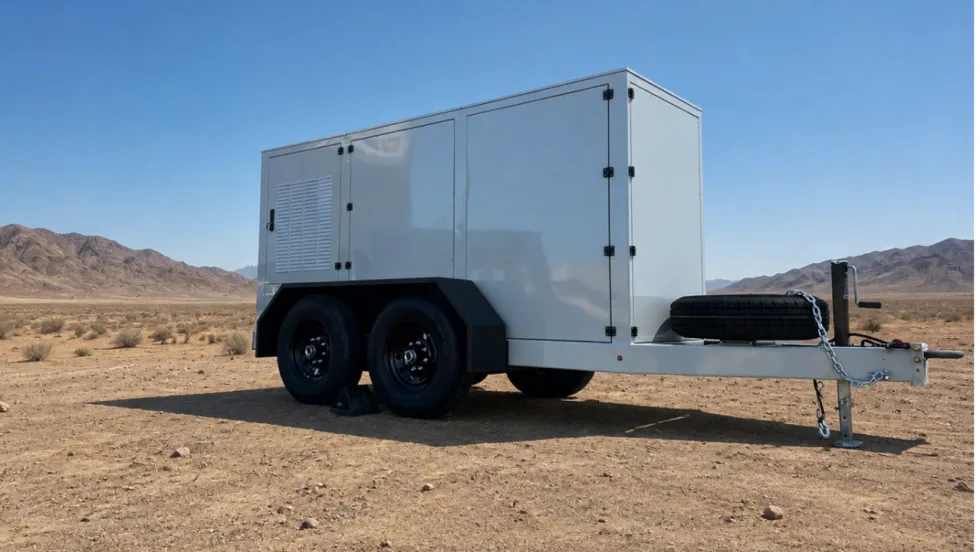
Xos Hub Surpasses One Gigawatt-Hour of Energy Delivered in the Field
A single Xos Hub has surpassed one gigawatt-hour of energy across more than 33,600 charging sessions in the field, demonstrating performance that supports Xos' expansion across new products and markets.
Read More →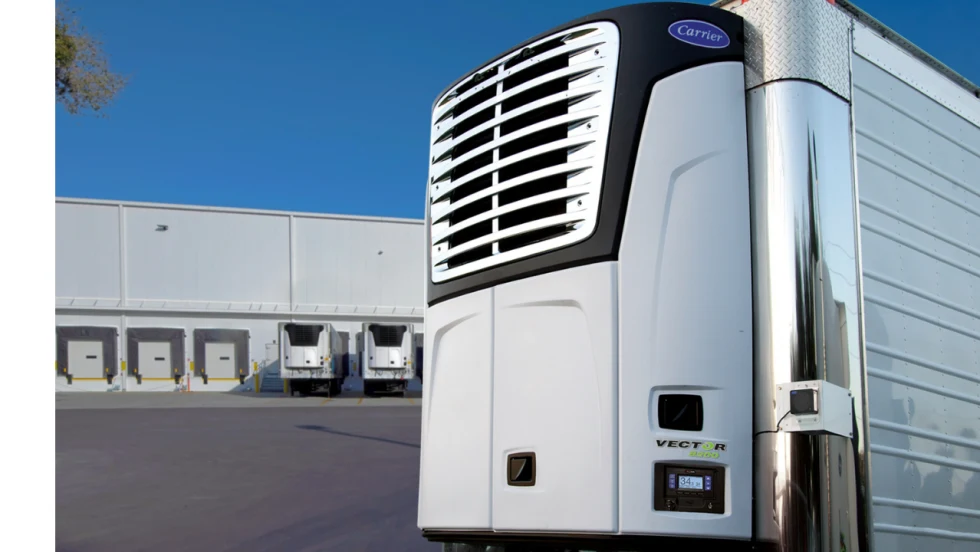
Carrier Transicold Launches All-Electric Vector 8200 TRU for Diesel-Free On-Site Cold Storage
Carrier Transicold’s first engineless multi-temperature TRU helps fresh- and frozen-food fleets add supplemental cold storage capacity during seasonal peaks.
Read More →
Narro Trucks Introduces Electric Utility Vehicle
Narro Trucks officially launched its operations on Aug. 20 and hosted a ride and drive to showcase its electric truck, which will be produced in Virginia.
Read More →