





Dig Deeper: How to Spec a Truck Chassis & Suspension
How to Spec Dump Bodies for Light- & Medium-Duty Trucks
If a fleet doesn’t properly equip a chassis or dump body to handle a load, cost savings will vanish due to premature maintenance issues and greater risks to employee safety.
March 31, 2011
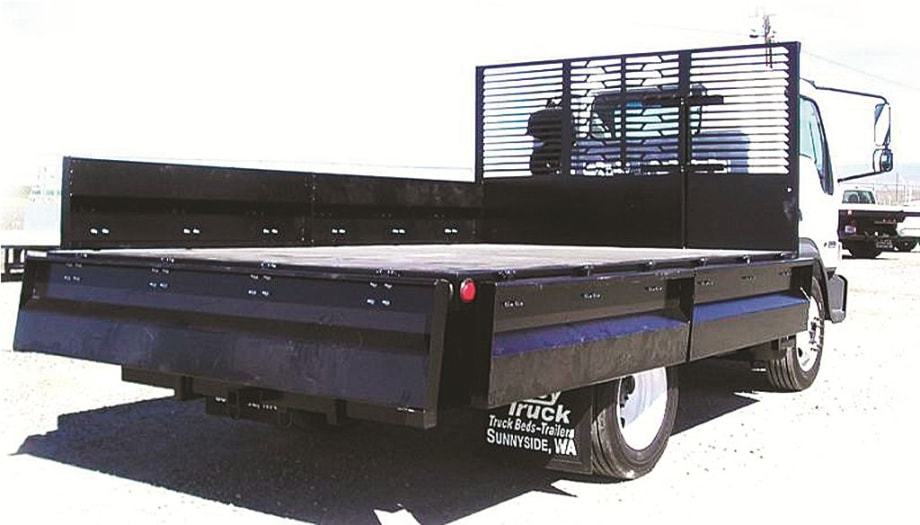
A contractor's dump is similar to a standard flatbed with short (12- to 24-inch) solid sides that fold down to create unfettered access to load the body.
Photo: Reading Truck Body
6 min to read
Whether hauling loose granular materials, such as topsoil or sand, or large chunks of construction debris, dump body trucks equip a crew to unload cargo quickly, with little effort, and move on to the next job.
The dump functionality eliminates the need to manually unload the truck, reducing labor time (and costs), which preserves more profit for each job. With a simple push of a button, the dump body tilts either toward the rear or side of the truck, leveraging gravity (instead of manual labor) to pour the payload directly into a dumpster or on the ground.
However, despite all the promise of increased productivity, if either the chassis or dump body is not properly equipped to handle the load, cost savings will vanish due to premature maintenance issues and greater risks to employee safety. Considering that light- and medium-duty dump trucks (up to Class 7) cost as much as $40,000-$70,000 per unit to purchase (depending on dump body type, material, and capabilities), the stakes are high for fleet managers to get the spec right.
So, how should a dump body be spec'd to tackle the job? Here are seven questions to guide the process.
1. How Will the Truck be Used?
Will the fleet use the dump body truck for a specific purpose, such as hauling asphalt? Or does it need a more flexible dump that serves multiple purposes? The answers to these questions will help determine what type of dump best fits the application.
Here are four common dump body types built for Class 3 through Class 7 trucks:
Flatbed/platform dumps are primarily flatbed bodies that provide the option for use as a dump body when needed. For applications that use the dump function on occasion, the flatbed dump is a low-cost option that offers flexibility.
Conventional dumps are built with solid stationary sides, welded to the body, and primarily used to haul and dump loose granular materials such as dirt, sand, gravel, etc.
Contractor dumps are similar to flatbeds with short (12-24 inch) solid sides that fold down to create unfettered access to load the body. The sides come with a groove that allows users to add a board to make the sides a few inches higher when an application requires extra height. The fleet can use a contractor dump to haul a broad range of materials, such as loose dirt and sand, or large chunks of concrete debris.
Landscape dumps can be configured in several different ways. Some landscape dumps have solid sides up to 12-24 inches, with metal mesh adding several inches in height. This "hybrid" solid-mesh side configuration enables hauling loose materials (such as topsoil and mulch) at the bottom of the body and larger branches and brush above that. Options for swing-open rear and side gates are also available.
2. How Much Weight is the Maximum Load?
This answer determines what size truck chassis is needed for the job.
For example, to haul five cubic yards of sand, weighing 2,700 lbs. per cubic yard, the total payload inside the body is 13,500 lbs. This would require at least a Class 6 through Class 7 truck chassis, depending on the weight of the body and other equipment installed on the truck.
That's assuming the sand is dry. If it is wet, it can weigh as much as 3,300 lbs. per cubic yard. Therefore, the same amount of sand (five cubic yards) that's wet at 3,300 lbs. per cubic yard would raise the payload requirement to 16,500 lbs. That's a 3,200-lb. difference from dry sand, which may require a bigger truck.
Once the maximum payload is estimated, factor a buffer into the calculations to cover any surprises. Then select a chassis that will handle the load.
3. What Size Dump Body?
When evaluating contractor, landscape, or flatbed dumps, think in terms of length, width, and height of sides (if applicable). For example, the spec may be a 12-ft. flatbed dump, 96 inches wide with 24-inch stake rack sides.
Since conventional dumps are manufactured with the sides, tailgate, and floor fused together to form a single unit, their capacities are spec'd, not in length, height or width, but in terms of cubic yards. A conventional dump body, for example, may be referred to as a "2-yard dump" or "5-yard dump."
4. Steel, Stainless Steel, or Aluminum Dump Body?
Factors that drive this decision are cost, corrosion resistance, and weight. Steel is usually the lower-cost material and is well-suited for daily heavy-duty usage. For corrosion resistance, the advantage goes to stainless steel and aluminum. In terms of weight, aluminum is the lightest of the three materials, enhancing fuel economy and payload capacity, but is usually not recommended for harsh, heavy-duty use.
5. Electric or PTO Hoist?
Positioned between the rear axle and back of the cab, the hoist is powered either by the truck battery (electric hoist) or the engine (PTO hoist) to lift the dump body off the truck frame. Which type of hoist works best for an application?
For lighter duty (Class 3 through Class 5 truck) applications or for occasional use, most body manufacturers recommend an electric hoist. Since the electric hoist is powered by the truck battery, it allows users to turn off the engine when operating the dump, offering fuel economy and environmental benefits.
For heavier-duty applications requiring a bigger Class 6 and Class 7 truck chassis, the power-takeoff (PTO) hoist is more common. Since the PTO hoist is driven by the truck engine, it gains greater power and durability in handling heavy loads. The downside, however, is that the driver must keep the engine running to operate the dump body, which eats into the unit's fuel economy.
Consult the body company on which hoist best matches the desired load and dump usage requirements.
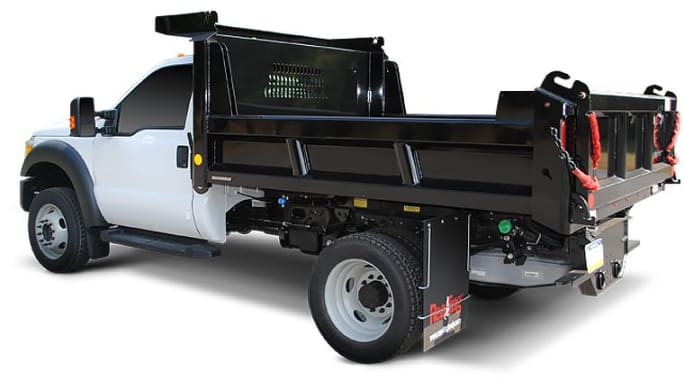
When evaluating contractor, landscape, or flatbed dumps, think in terms of length, width, and height of sides (if applicable). For example, the spec may be a 12-ft. flatbed dump, 96 inches wide with 24-inch stake rack sides.
Photo: Reading Truck Body
6. Single or Multi-directional Hoist?
Most dumps use a single-direction hoist that lifts the top end of the body to dump toward the rear. However, some body companies offer a multi-directional hoist that offers the option to dump toward both the rear and the side. This side dump capability enables the use of the dump function without having to unhook and re-hook a trailer, which saves significant time and hassle.
7. Options to Optimize a Dump Body's Performance
Consider the following four options and ask the body manufacturer for a listing of options specific to their offerings.
Cab shield. Stretches over the top of the cab from the front bulkhead of the dump body, protecting the cab from damage. Cab shields come in a variety of sizes to cover one-fourth to half or even more of the cab.
Tarp. Used to keep loose material (such as gravel and crushed rock) from flying out of the bed and onto the highway, causing damage to other vehicles. Tarps can be manual or electric. What drives decisions is cost and convenience. If the budget requires a lower-priced option, go with the manual. For greater convenience and efficiency, spec electric.
Underbody toolboxes. Connected to the frame under the dump body, these toolboxes secure equipment and tools from the elements or theft, without taking up extra cargo space on the body. Underbody toolboxes come in a variety of dimensions and a choice of steel or aluminum. The differences between the two are price and weight. Steel toolboxes cost less while the aluminum boxes weigh less and offer better protection against corrosion.
Application-specific options. In the landscape industry, for example, some body companies offer the option of a removable dovetail that connects to the rear of the dump body. This way, a landscape crew can lower the ramp on the dovetail and drive their mowers and other equipment onto the dump platform. Then when the crew needs the dump function to unload brush and other lawn debris, they can detach and roll away the dovetail. This saves the landscape company from purchasing two trucks - one to transport equipment and another to dump debris - when one truck can perform both functions.
Subscribe to Our Newsletter
More Upfitting
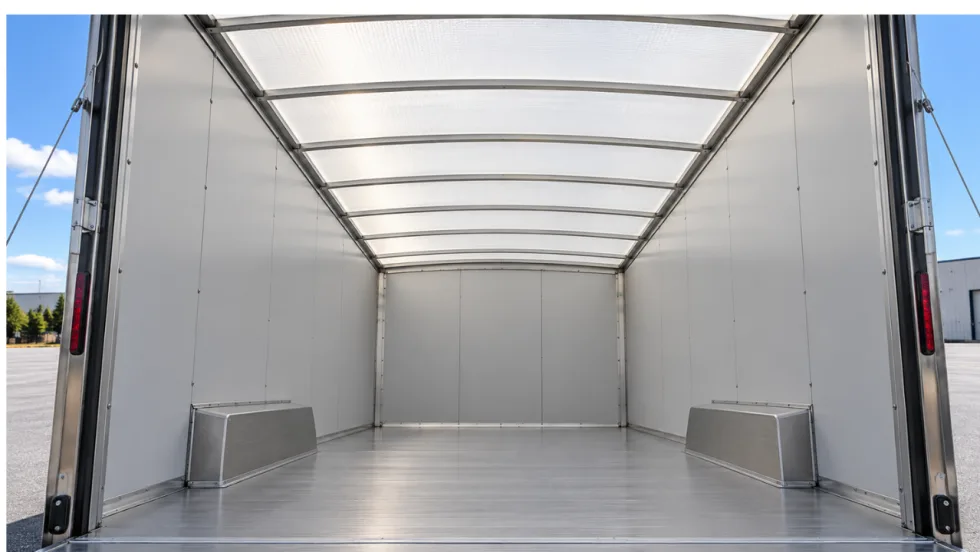
Tekmodo Introduces CargoBright Brand of Translucent Roofs
CargoBright is designed to diffuse daylight across the cargo area while performing as a working vehicle roof. Its reinforced composite construction is designed for impact, abrasion, moisture exposure, and UV exposure.
Read More →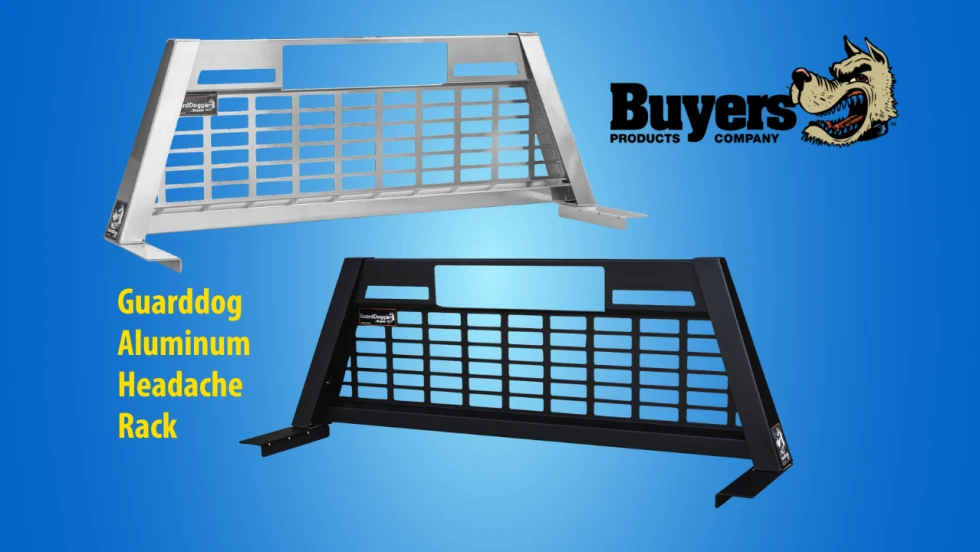
Buyers Products Expands Popular GuardDogg Headache Rack Line
Buyers Products’ aluminum GuardDogg headache rack is now available to contractors, construction crews, and utility fleets that want to reduce vehicle weight without sacrificing functionality.
Read More →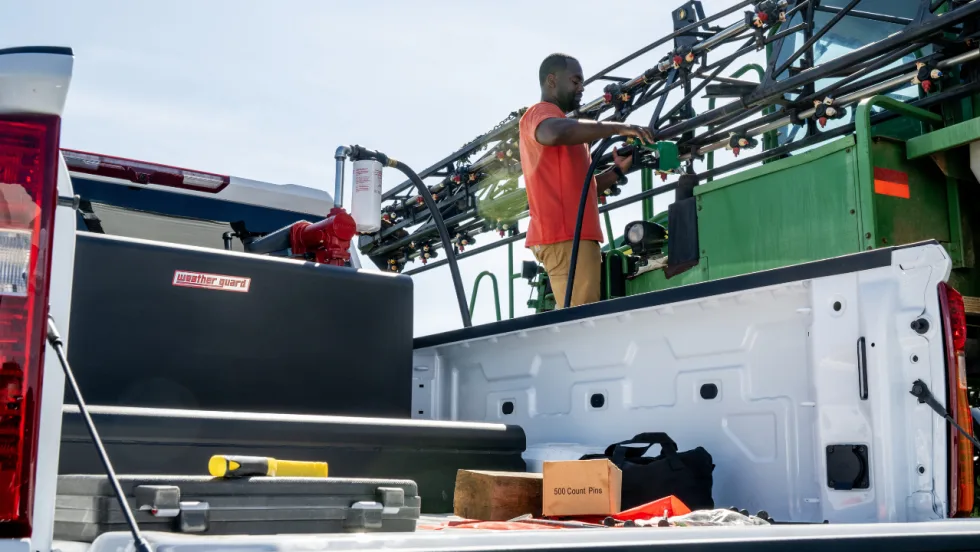
New Weather Guard Transfer Tank Engineered to Reduce Downtime and Improve Fleet Productivity
Weather Guard completely redesigned its line of transfer tanks to improve durability, simplify installation, and keep equipment running in demanding field conditions.
Read More →

How Machine Lifts Drive Safety & Efficiency for Fleets
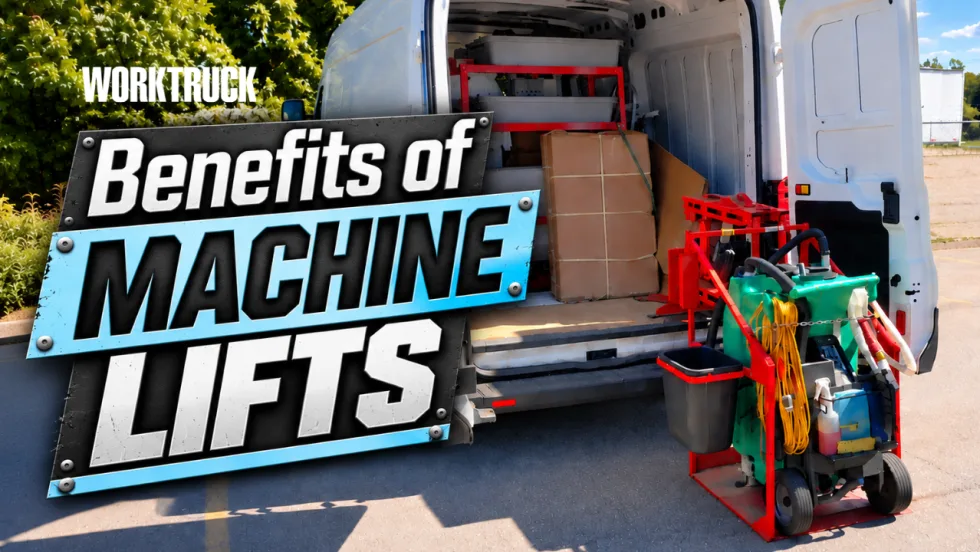
What is a machine lift, what fleets need them, and how do they improve safety and drive efficiency? What advantages do they have over ramps and liftgates?
Read More →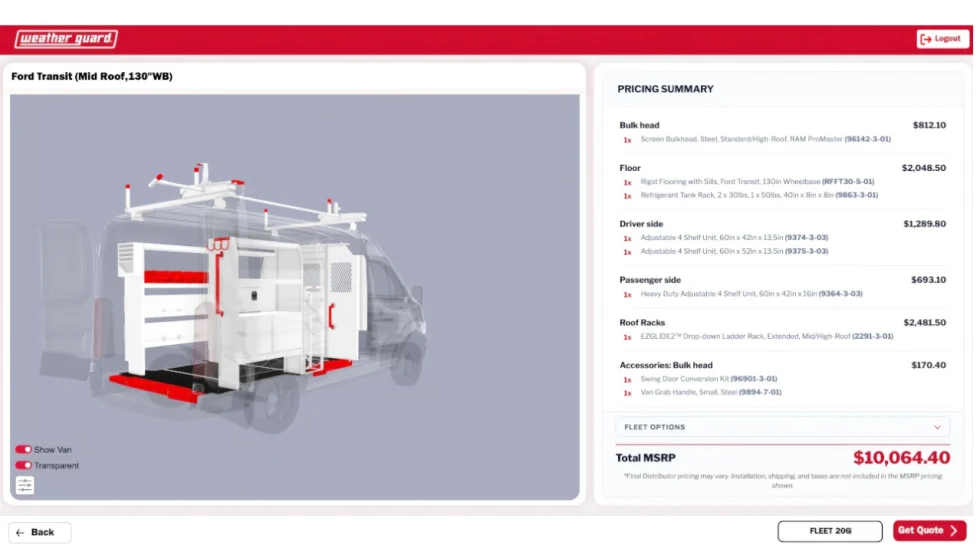
New Weather Guard Configurator Simplifies Planning and Design of Van Upfits
The Weather Guard Configurator combines vehicle-specific product compatibility with real-time 3D visualization to streamline design, quoting, and ordering for fleet managers, upfitters, and professional users. The latest version is now available for vans, with truck upfitting being added in early 2027.
Read More →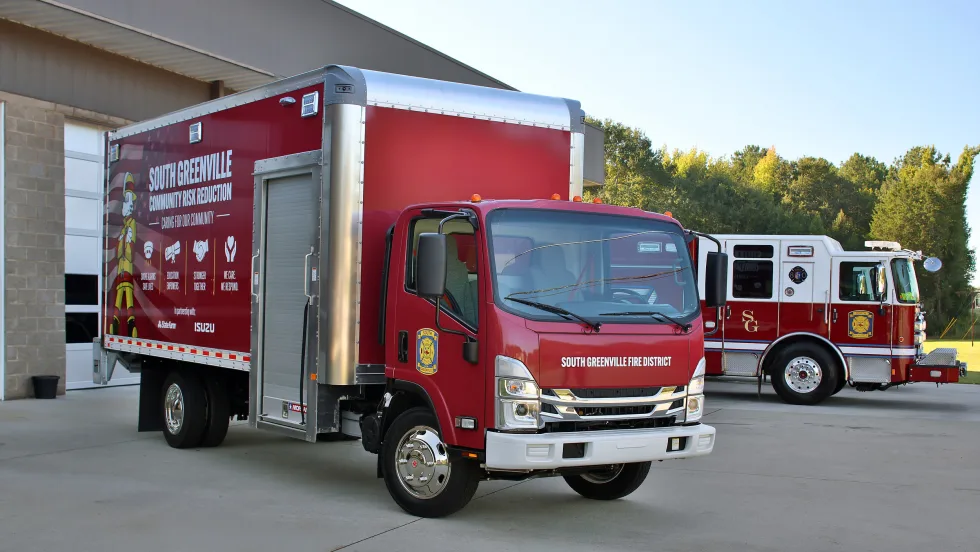
Isuzu Donates New N-Series NRR Truck to South Greenville Fire District to Support Community Outreach
Isuzu North America Corporation donated a new Isuzu N-Series NRR, equipped with a Morgan truck body and a Palfinger liftgate, to support fire safety education, community engagement, and outreach programs throughout Southern Greenville County, South Carolina.
Read More →
M.H. Eby Announces Bostick Truck Center as Michigan Distributor
Bostick Truck Center in Pontiac, Michigan, is now the official distributor for Eby Truck Bodies in Michigan. It will have access to Eby’s Ford, GM, and Ram chassis pool programs.
Read More →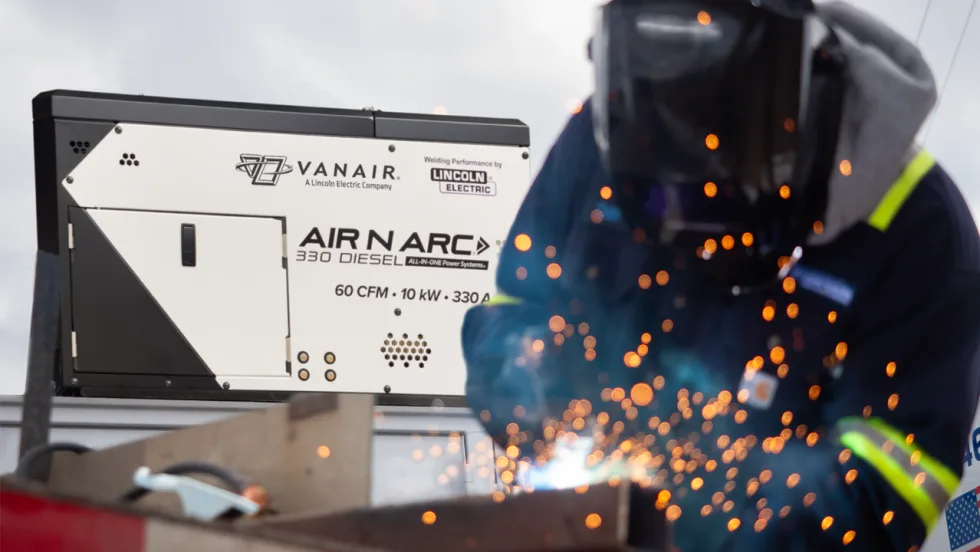
Multitasking: Vanair’s Air N Arc 330 Diesel 60 CFM All-In-One Power System
The Air N Arc 330 Diesel 60 CFM from Vanair consolidates a welder, generator, rotary screw air compressor, battery booster, battery charger, and EV charger into a single 750-pound enclosure driven by one 24.8-horsepower Kubota diesel engine.
Read More →
Buyers Products Awarded Sourcewell Cooperative Purchasing Contract for Snow & Ice Equipment
Buyers Products has been awarded a Sourcewell contract for a wide range of winter maintenance equipment and accessories, including snowplows, municipal plow systems, wing plows, spreaders, and more.
Read More →
Hilltip Introduces the SnowStriker SFT Flex Expandable Box Plow
Hilltip’s new SnowStriker SFT Flex expandable box plow features hydraulically extendable sections that allow operators to adapt the clearing width to changing conditions and applications on the go.
Read More →