Ford Pro’s “zero-downtime” strategy focuses on fewer surprises, faster repairs, and a more proactive service model for fleets heading into 2026.
Credit: Work Truck
6 min to read
Downtime doesn’t just mess with scheduling. It ripples into driver productivity, customer commitments, parts spend, and those “why is this still not done” conversations nobody enjoys.
Ad Loading...
That’s why Ford Pro’s “zero-downtime service ecosystem” is worth unpacking for fleets heading into 2026. The idea is not that trucks will never need service. It’s that fleets can reduce unplanned service time by spotting issues earlier, coordinating repairs faster, and getting vehicles back to work with fewer disruptions.
Ad Loading...
Travis Hunt, GM for Ford Pro Parts and Service Transformation, said the strategy connects predictive maintenance, connected service, and a service network built to support the plan once the vehicle needs attention.
What A ‘Zero-Downtime Service Ecosystem’ Looks Like in 2026
Ford Pro’s model starts with connected vehicles feeding data into Ford Pro Intelligence. Hunt said embedded modems transmit vehicle data that can help predict issues earlier, allowing maintenance to be scheduled before problems escalate.
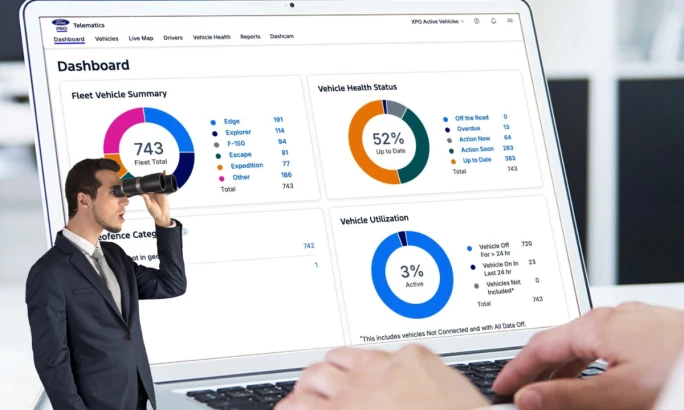
Ford Pro Telematics Software shares the same real-time health and fault view with both the fleet and the dealer, helping reduce back-and-forth and speed up decision-making.
Hunt said the connected workflow supports remote triage, automated approvals, and pre-staging parts and diagnostics before the vehicle arrives.
Three Outcomes Fleets Should See
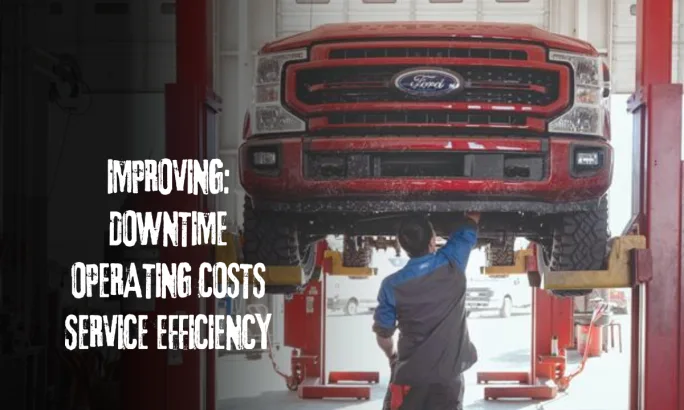
Hunt said Ford Pro expects measurable improvements in three areas: downtime, operating costs, and service efficiency.
Ad Loading...
Materially Lower Downtime: Ford Pro has seen customers save up to three hours per repair event, reducing time in the shop and increasing time on the road.
Reduced Operating Costs and Wear: Ford Pro points to driver-optimization impacts that can reduce wear and operating costs, including 52% lower excessive idle minutes per trip, 25% fewer speeding events, and 16% less hard braking. Hunt said improving these behaviors supports better vehicle health and can help extend vehicle life.
Higher Service Efficiency: Hunt said Ford Pro is seeing improved first-time fix rates enabled by remote diagnostics and pre-staging parts, reflected in shorter cycle times and more predictable vehicle availability.
Predictive diagnostics and pre-staged parts aim to shorten repair cycle times and improve first-time fix rates inside Ford’s commercial service network.
Credit: Work Truck | Ford Pro
How Ford Pro Plans to Reduce Service Friction
Fleets often lose time not just on repairs, but also on everything surrounding them. Scheduling. Approvals. The manual back-and-forth. The delays that turn “quick fix” into “still waiting.”
Hunt said Ford Pro is cutting friction through automated alerts, scheduling prompts, rules-based approvals, and maintenance management tools. He added that extended service hours are meant to better align with fleet operating schedules.
He also pointed to open integrations and OEM data streams that can feed third-party systems, helping keep workflows seamless and secure for fleets that already have established maintenance platforms.
For fleets running multiple OEMs, Ford Pro said it can bring non-Ford vehicles into the same dashboards and workflows through plug-in devices. Instead of juggling separate systems for different makes, fleet managers can get one view across the fleet, including vehicle health and service workflows.
Ad Loading...
Ford Pro Telematics Software also connects fleet managers to a larger U.S. dealership network through integration with Ford’s scheduling system. Hunt said fleet managers can search for dealers by name or zip code, book service or mobile appointments, and automatically view completed service details in vehicle service history.
The goal is easier scheduling, better visibility into service status, and less vehicle downtime.
How The Model Scales From 25 Units To 2,500
Fleet needs vary wildly by size, but the operational goal is the same: keep vehicles available and predictable.
Hunt said the ecosystem scales through multiple connection paths, including embedded modems and plug-in devices, with policies and approvals set by asset class. Routine tasks can be automated, while exceptions are escalated for review.
On the data side, he said Ford Pro Intelligence processes more than 1 billion data points per day, helping keep analytics and uptime workflows fast as fleets grow.
Ad Loading...
Hunt also emphasized the physical service footprint, pointing to over 760 Commercial Vehicle Centers, 70+ Elite Service Centers, and Ford Mobile Service capacity as part of the ecosystem’s ability to support fleets of different sizes.
What Happens When a Vehicle Shows Early Warning Signs
Here’s where this gets real for the shop.
Hunt said the vehicle’s embedded modem sends data to Ford Pro Telematics Software, which surfaces a vehicle health alert in near real time. Fleet teams can see alerts through the software, and the Telematics Drive mobile app can also support quicker resolution and lower downtime.
Hunt said Ford Pro is strongest where OEM data, fault codes, usage trends, and scheduled intervals come together. He said common wear items and fault-driven issues can be flagged proactively, while critical faults are alerted immediately.
Predictive prompts can surface before issues escalate, which supports planning repairs for nights or weekends, pre-staging parts, and reducing the chance of secondary damage. Hunt also pointed to driver-behavior-related wear as an area where insights can translate into preventive actions that reduce long-term maintenance strain.
Ad Loading...
How Ford Pro Addresses Alert Fatigue
Maintenance teams do not need an avalanche of alerts. They need priorities and a system to route issues to the right workflow.
Hunt said Ford Pro aims to reduce alert fatigue by consolidating data into one dashboard, prioritizing severity, and enabling configurable thresholds and rules-based approvals. Events can be grouped, routine items can be auto-approved, and exceptions can be escalated.
He also argued that alerts are still better than relying on drivers to notice and report issues after they’ve already become downtime.
Ford Pro Telematics Software gives fleets and dealers a shared, real-time view of vehicle health to help predict issues early and reduce unplanned downtime.
Credit: Work Truck | Ford Pro
The Behind-The-Scenes Team Ford Pro Said Monitors Uptime Workflows
One notable detail Hunt shared is a support group he calls “fleet guardian angels.” He said they monitor core workflows, including fault detection, health alerts, suggested scheduling, parts pre-staging, and in-vehicle coaching.
When a vehicle is at a service center, Hunt said this team monitors progress, helps source parts, and can dispatch technical assistance for tougher repairs to help get vehicles back on the road more quickly.
Ad Loading...
Parts And Technicians Still Matter Most
Even the best diagnostics can’t fix a truck without the right parts and the right hands to do the work.
Hunt said predictive repair and diagnostics allow dealers to pre-stage OEM parts and align inventory to upcoming needs, supporting first-time fix rates and shorter cycle times.
On technician availability, he said Ford and dealer partners are investing in ASE-certified training, specialized curriculum for medium-duty and upfits, and scholarships via TechForce to grow and upskill the technician pipeline.
Hunt said the financial case comes down to the total cost of ownership. Fleets can reduce TCO by cutting downtime, reducing fuel and wear, and lowering administrative burden through automation.
He recommended that fleets track:
Ad Loading...
Repair cycle time
First-time fix rate
Downtime hours avoided
Maintenance cost per mile
Fuel and idle metrics
Driver safety events
Administrative hours saved
Hunt also recommended pairing these metrics with avoided revenue loss from downtime to establish a clear before-and-after baseline. He added that Ford Pro’s solutions can potentially reduce maintenance and repair costs by approximately 20%.
Why ‘Zero Downtime’ is Really About Being Less Reactive
“Zero downtime” is a direction. The practical value is fewer surprises, shorter repair events, and a service process that feels more planned and less reactive.
Ford Pro’s message is that connected vehicle data, shared visibility between fleets and dealers, and service network support can work together to reduce downtime. For fleet leaders, the question is whether it moves uptime and TCO in measurable ways. For maintenance managers, the question is whether it makes the workflow cleaner without creating new noise.
Either way, fewer trucks sitting still is a win that every fleet understands.
Les Schwab Tires has expanded into Arizona with two commercial tire locations in Phoenix and Tucson, strengthening its fleet service footprint in the Southwest.
Unattended over-the-air software updates are now available in Volvo trucks across the U.S. and Canada. The new capability lets trucks stay current with the latest software without interrupting operations or requiring a dealership visit.
For fleets trying to keep skilled technicians, recognition cannot begin and end with Technician Appreciation Week. Learn what year-round appreciation really looks like and why the everyday technician experience matters just as much as pay when fleets are trying to keep good people.
When minor damage, warning lights, or equipment issues are reported late, small problems can quickly become bigger maintenance headaches. Conversational AI can help shorten the path from what a driver notices in the field to the person who can act on it.
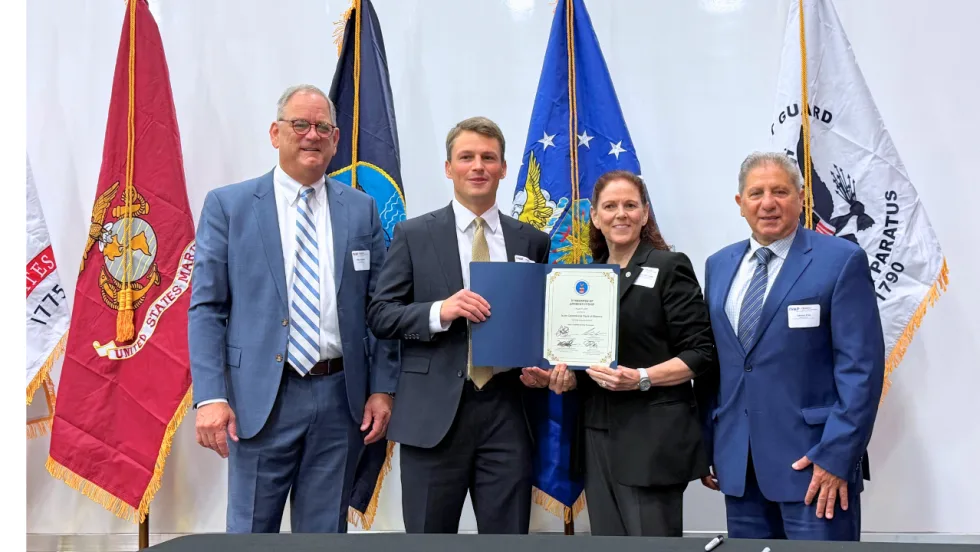
The Isuzu Veterans Apprenticeship Program (IVAP) signing ceremony highlighted Isuzu’s long-term commitment to veterans, Isuzu dealers, and the skilled workforce supporting its customers and the commercial transportation industry.
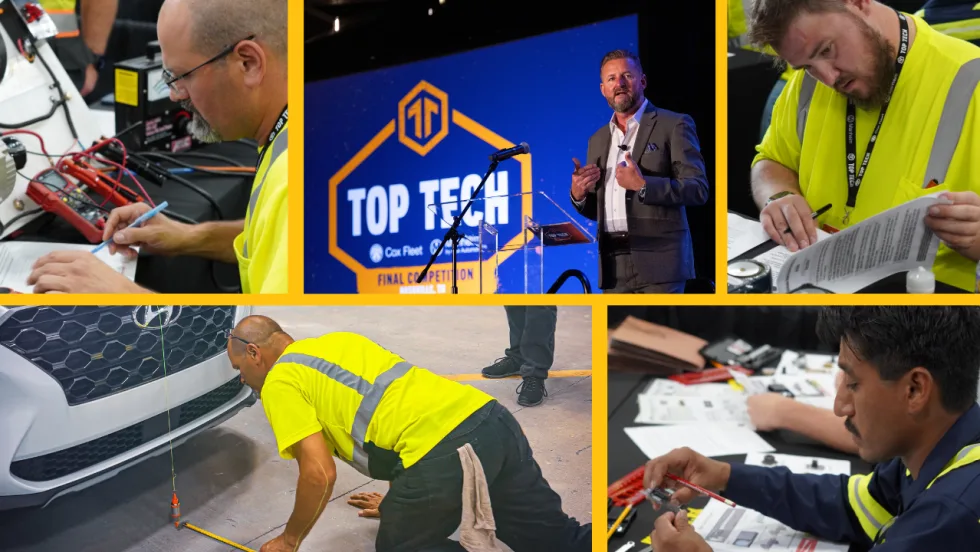
The top technicians from Cox Fleet and Manheim tested their skills in Nashville, Tennessee, at Cox Automotive’s 2026 Top Tech Finals. The overall winners will advance to compete at the American Trucking Association’s TMC SuperTech competition.
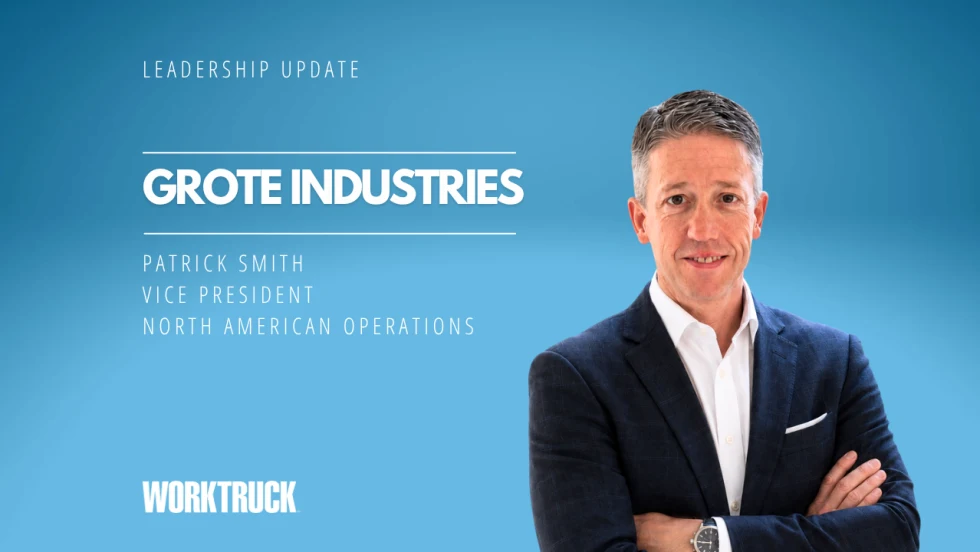
Grote Industries has appointed Patrick Smith as vice president of North American operations as it celebrates 125 years of innovation and manufacturing excellence. He has more than 20 years of manufacturing leadership experience.
Cold weather can expose weak batteries, tires, fuel systems, and maintenance gaps fast. Use this winter fleet checklist to prepare trucks and drivers before temperatures drop.