




Survey Finds Most Americans Unprepared for Extreme Weather and Emergencies
Most Americans admit they’re unprepared for disasters. Find out which generation leads the way and what steps families are overlooking.
September 9, 2025

A new survey finds most Americans remain unprepared for extreme weather, despite rising risks of hurricanes, storms, and power outages.
Photo: Work Truck
3 min to read
Extreme weather events, hurricanes, and extended power outages are no longer rare — they’re part of everyday life. That reality is exactly why the Disaster Response Guide (www.disasterresponseguide.com
) was created: to provide free, practical resources to help people prepare before disaster strikes.But a new national preparedness survey released in honor of National Preparedness Month shows most Americans still lack a plan.
Belief in Preparedness vs. Reality
The national poll of 2,000 adults, conducted by Talker Research for 4Patriots, revealed a striking gap between awareness and action. While nine in 10 Americans believe it is crucial to be prepared for emergencies, less than half (46%) have a plan in place.
Generational differences also stood out. Gen Zers and Millennials were the most prepared, with 55% reporting they have an evacuation or emergency plan, compared to just 39% of Baby Boomers.
And while 43% of respondents have lived through a natural disaster, more than half (53%) still believe they are less likely than others to be impacted by extreme weather or other emergencies.
Backup Power and Other Essentials
Power outages remain one of the most common and disruptive outcomes of extreme weather, but most Americans lack a reliable backup. Nearly nine in 10 respondents (86%) said it’s vital to have a backup power supply for the home, yet only 26% own a generator.
Other preparedness findings included:
67% have developed a family evacuation plan.
58% keep backup supplies of food and water.
50% have mapped out an evacuation route.
29% have gathered extra pet supplies.
22% store extra gasoline for vehicles.
13% keep a printed map of their area.
Extreme Weather on the Rise
Beyond preparedness, the survey measured perceptions of changing weather patterns. Nearly two-thirds of respondents (61%) believe the weather in their area has become more extreme in the last decade.
On average, Americans reported experiencing unusual or extreme weather for 88 days per year, up from 77 days a decade ago. The most common changes noted included hotter temperatures (61%), more storms (37%), increased flooding (32%), more tornadoes (27%), and longer droughts (26%). More than half (57%) expect weather conditions to become even more extreme in the next 10 years.
“The very real possibility of extreme weather or a natural disaster taking out your power for an extended period has become a part of everyday life for most Americans,” said Erin Baler, COO and co-founder of 4Patriots. “While more families than ever are developing preparedness plans and stocking up on supplies, there are still far too many who will be left vulnerable when the next storm hits.”
Get Your Fleet Resources for Preparedness Today!
In response to growing concerns about extreme weather, the Disaster Response Guide was created to serve as a central hub of resources, tips, and tools to help individuals, fleets, and communities build resilience before disaster strikes.
More Safety
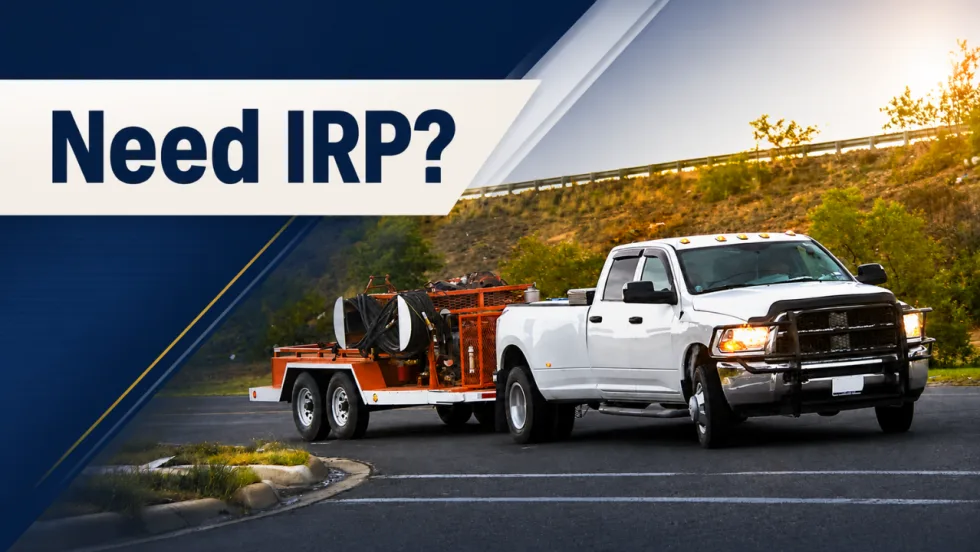
When Work Trucks Under 26,001 Pounds Need IRP Registration
Think trucks under 26,001 pounds are automatically in the clear when it comes to IRP? Not always. Learn where lighter vehicles can still run into trip permit, apportioned registration, and IFTA compliance requirements when crossing state or provincial lines.
Read More →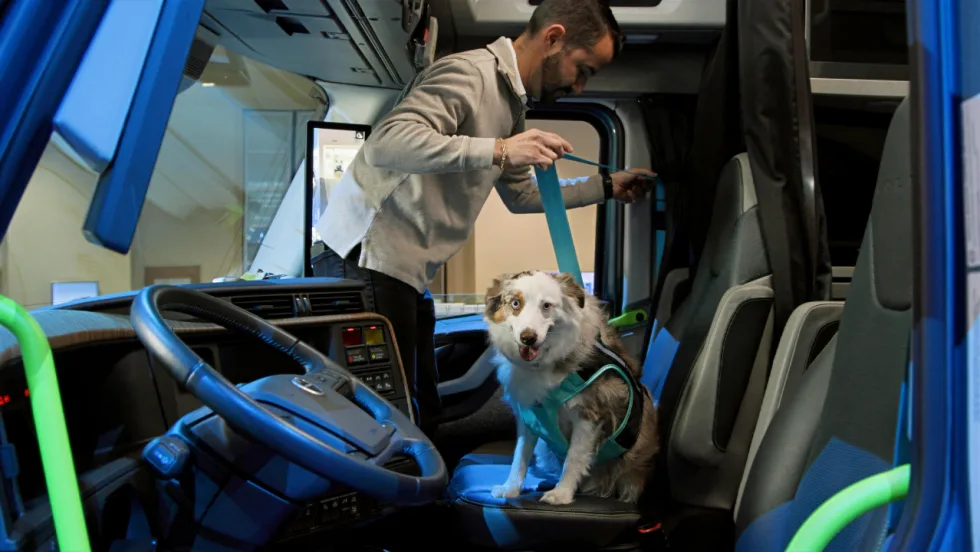
Volvo Trucks Releases New Safety Recommendations for Traveling with Pets
One of the most important recommendations for professional drivers traveling with pets is to ensure pets are properly restrained while the truck is moving. Other tips are available in the new guide from Volvo Trucks North America and Center for Pet Safety.
Read More →
API Issues Refueling Safety Guidelines
The American Petroleum Institute offers a list of safe vehicle refueling guidelines, including ways to avoid potential problems with static electricity discharges in fall, winter, and early spring.
Read More →
Winter Fleet Prep: Expert Tips to Keep Vehicles Running Smoothly
Cold weather can expose weak batteries, tires, fuel systems, and maintenance gaps fast. Use this winter fleet checklist to prepare trucks and drivers before temperatures drop.
Read More →
When a Work Truck Breaks Down, the Job Can Stop, Too
A work truck breakdown can stop more than the vehicle. Discover how payloads, jobsites, and specialty equipment change the roadside response.
Read More →
What Stronger Long-Term Fleet Service Partnerships Actually Require
Fleet service partnerships rarely fall apart all at once. Learn the three warning signs that trust is eroding and what fleets and providers can do before downtime, frustration, and lost revenue follow.
Read More →
Applause & TRUCE Software Partner to Improve Driver Safety Through AI-Powered Telematics & Employee Performance Management
Applause has integrated TRUCE driving metrics directly into its employee-first performance and safety platform that transforms mobile devices into AI-powered telematics.
Read More →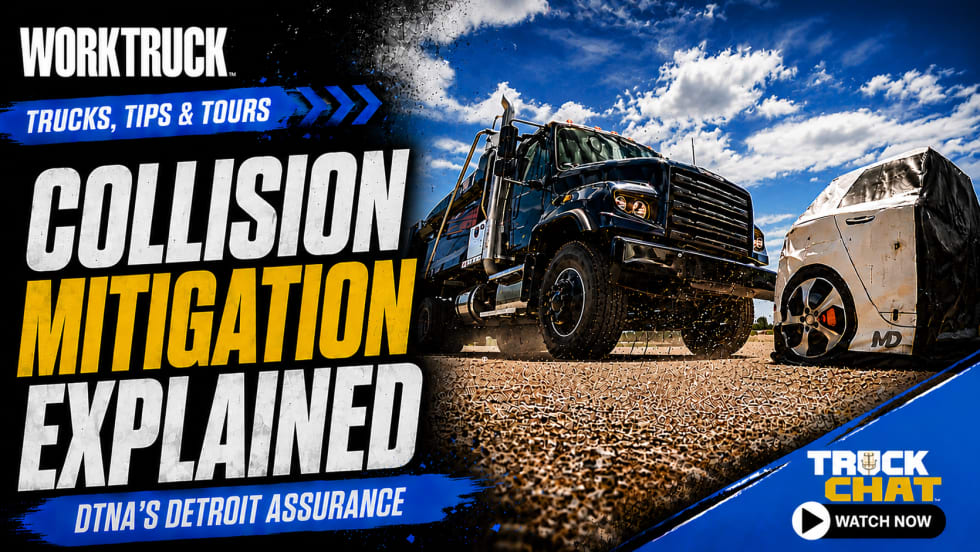
How Detroit Assurance with Active Brake Assist Works
Do you want to see what it is like to experience Detroit Assurance’s Active Brake Assist? In this video, Work Truck will put you in the cab to see how it all works and then hear more details from DTNA’s Mike Young.
Read More →
Get Left of Loss: A 5-Step Workplace Violence Prevention Framework for Fleet Operators
Violence risks do not stop at the driver’s door. Learn five practical steps fleets can take to spot threats early and protect workers before loss occurs.
Read More →
Sponsored•July 17, 2026
How Better Visibility Cut Speeding Violations by 48%
Fleet leaders don't need more data, they need clearer visibility into what the data is saying. This case study explores how one utility replaced speeding-event counts with a single metric — miles driven in violation — to strengthen safety and significantly reduce speeding violations.
Read More →