





Learn More: Top 5 Truck Tire Service & Maintenance Tips
Top 7 Trends in Work Truck Fleets in 2023
What's "trending" heading into 2023 work truck fleet manager's need to be aware of and keep on your radar?
March 3, 2023
By staying up-to-date on industry trends, you can more quickly identify opportunities to improve efficiency and reduce costs.
Photo: Work Truck/Canva
2 min to read
Trends in the work truck fleet industry - from new and changing fuels to technology - can be difficult to stay on top of. But, staying on top of changing trends is absolutely essential to being a modern truck fleet manager.
By staying up-to-date on industry trends, you can more quickly identify opportunities to improve efficiency and reduce costs. You can identify emerging technologies or techniques that can give your organization a competitive advantage.
Industry trends can also impact regulations and compliance requirements. Fleet managers who are knowledgeable about these trends can stay ahead of compliance changes and avoid penalties.
What's Trending in Work Truck Fleets Today?
So, what's "trending" heading into 2023 that you might want to be aware of and keep on your radar? Check it out!
Electric Trucks: There is a growing demand for electric work trucks due to their environmental benefits, fuel cost savings, and government incentives. As battery technology improves, electric work trucks are becoming more practical for various industries.
Telematics: Telematics technology allows fleet managers to monitor vehicles, driver behavior, and fuel consumption in real-time. This technology can help optimize fleet performance, reduce fuel consumption, and increase safety.
Autonomous Vehicles: While fully autonomous work trucks are not yet a reality, there is a growing interest in this technology. Autonomous features such as collision avoidance and lane departure warnings are already available in some work trucks.
Alternative Fuels: In addition to electric vehicles, there is growing interest in alternative fuel options such as natural gas, propane autogas, and hydrogen. These fuels offer potential cost savings and environmental benefits compared to traditional gasoline or diesel engines.
Safety Technology: Work truck manufacturers are increasingly adding safety technology features to their vehicles. These features include things like backup cameras, blind spot monitoring, and automatic emergency braking.
Lightweight Materials: By using lightweight materials such as aluminum or high-strength steel, work truck manufacturers are able to increase payload capacity and fuel efficiency.
Increased Customization: Many work truck manufacturers are now offering more customization options to meet the specific needs of different industries. This includes things like specialized storage solutions, upfitted equipment, and custom graphics.
Beyond these seven items, work truck fleet managers are also dealing with changing compliance and regulatory requirements, inflation, ongoing parts shortages, growth in last-mile delivery, and so much more.
Always stay up-to-date on current work truck and fleet industry trends by signing up for the Work Truck eNewsletter today!
Subscribe to Our Newsletter
More Operations
From Ledger Books to AI Patti Earley Shares 40 Years of Fleet Lessons
Patti Earley, CAFM, shares what four decades in fleet have taught her about using data, building relationships, and listening to the people behind the vehicles.
Read More →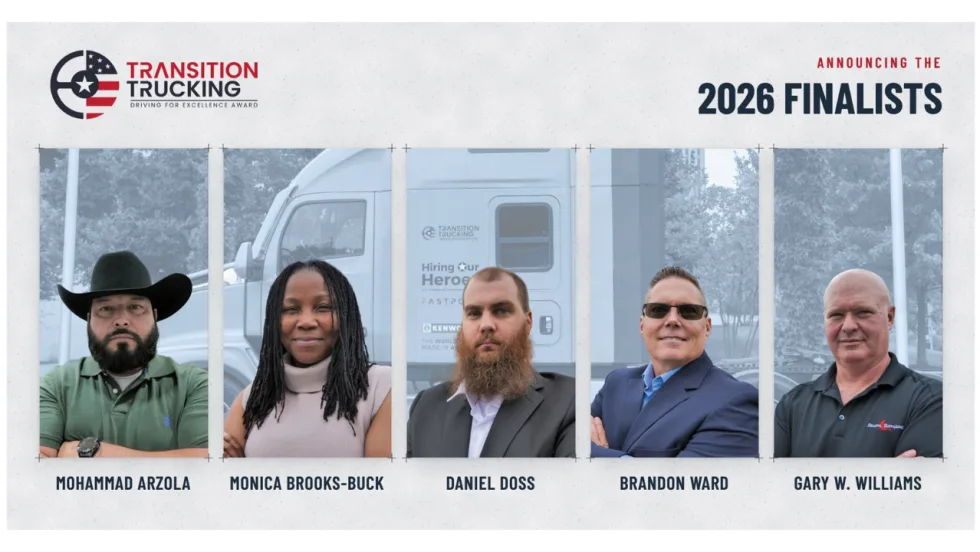
Finalists Announced for 2026 Transition Trucking: Driving for Excellence Award
Kenworth Truck Company, Fastport, and the U.S. Chamber of Commerce Foundation's Hiring Our Heroes program have announced the five finalists for the 2026 Transition Trucking: Driving for Excellence Award.
Read More →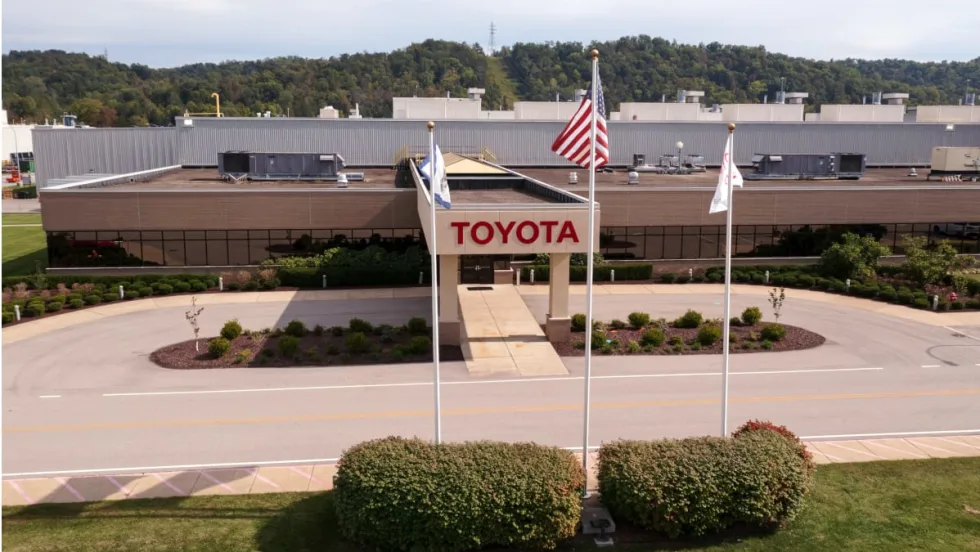
Toyota West Virginia Celebrates Three Decades of Manufacturing in the Mountain State
Toyota West Virginia celebrated 30 years of manufacturing. Toyota assembles both engines and drivetrain components in West Virginia to support its North American operations.
Read More →From Our Partners
Basic Tracking vs Next Generation Fleet Technology
Sponsored by AT&T Business

5 Facts Every Fleet Manager Should Know About Embedded Telematics
Sponsored by Stellantis/Mobilisights
How AI Video Telematics Boosts Driver Safety and Helps to Avoid Unnecessary Costs
Sponsored by Verizon Connect

Charting the 8 Bottom-Line Benefits of Workforce Optimization
Sponsored by Verizon Connect


The Hidden Cost of Idling
A low-mileage truck can still be one of the fleet’s hardest-working and most worn assets. Engine hours, idle time, and duty cycle reveal what the odometer misses.
Read More →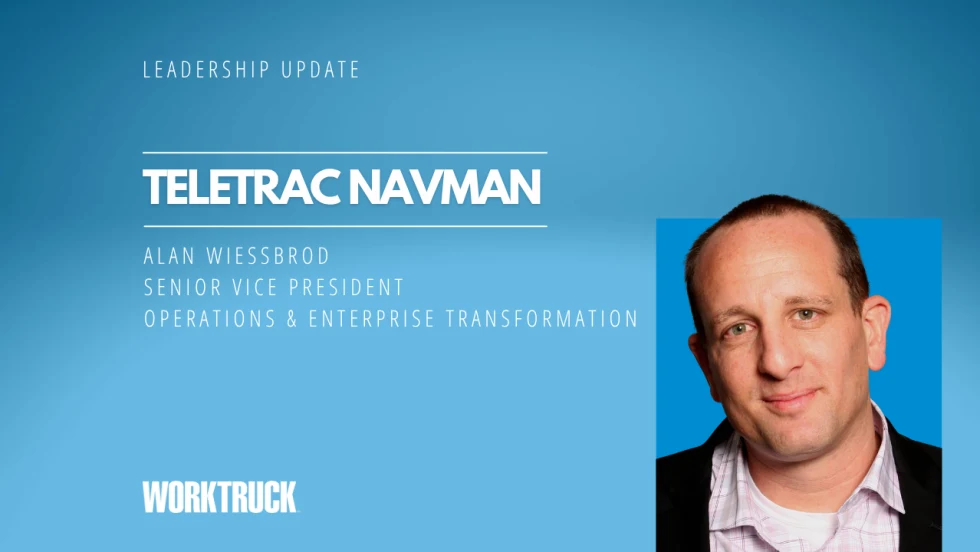
Teletrac Navman Hires SVP of Operations & Enterprise Transformation
Teletrac Navman has appointed Alan Wiessbrod to its senior leadership team as senior vice president, operations and enterprise transformation. The company said he has a strong track record of delivering profitable growth and operational excellence.
Read More →
2027 GM Trucks, Technician Retention, and Fleet Lessons Lead This Week’s News
New GM pickups, technician retention, fleet leadership lessons, winter equipment, and more headline this week’s Truck Chat Weekly Cheat Sheet.
Read More →
Family Ties Inside the Fleet Families Building Careers Across Generations
Three fleet families share what it really takes to work together, learn across generations, and keep business from following them home.
Read More →
Shades of Fleet Call for Voices: Fleet's Hidden Heroes
Fleet’s hidden heroes are often the ones keeping everything moving behind the scenes. September’s Shades of Fleet is looking for dispatchers, coordinators, parts specialists, and other support pros to share their stories.
Read More →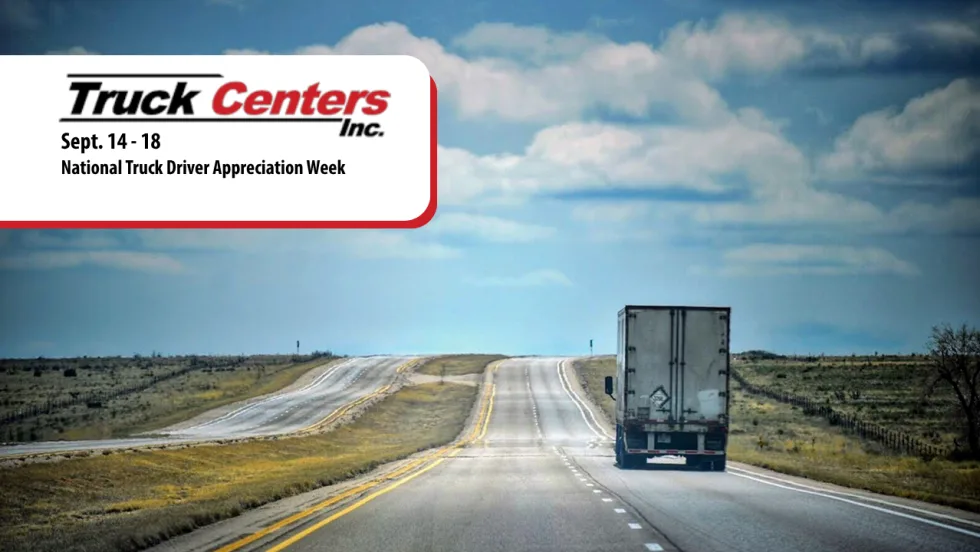
Truck Centers, Inc. Celebrates National Truck Driver Appreciation Week with $1,000 Fuel Card Giveaways
During National Truck Driver Appreciation Week, Truck Centers, Inc. is offering customers a chance to fuel up for free. Customers at all Truck Centers locations can enter to win one of four $1,000 fuel cards from Sept. 14 - 18.
Read More →
Fleet Guides, AI Time-Savers, Truck Tariffs & Fuel Strategy Lead the News
This week’s Truck Chat Cheat Sheet covers new fleet vehicle guides, practical AI use cases, U.S.-Canada truck production, mixed-energy strategy, and more.
Read More →