


 MENU
MENU SEARCHMENUSEARCH
Loading data...

Realizing some crashes are beyond a CMV driver’s control, the Federal Motor Carrier Safety Administration (FMCSA) created its Crash Preventability Program. But, what's considered preventable?
Read More →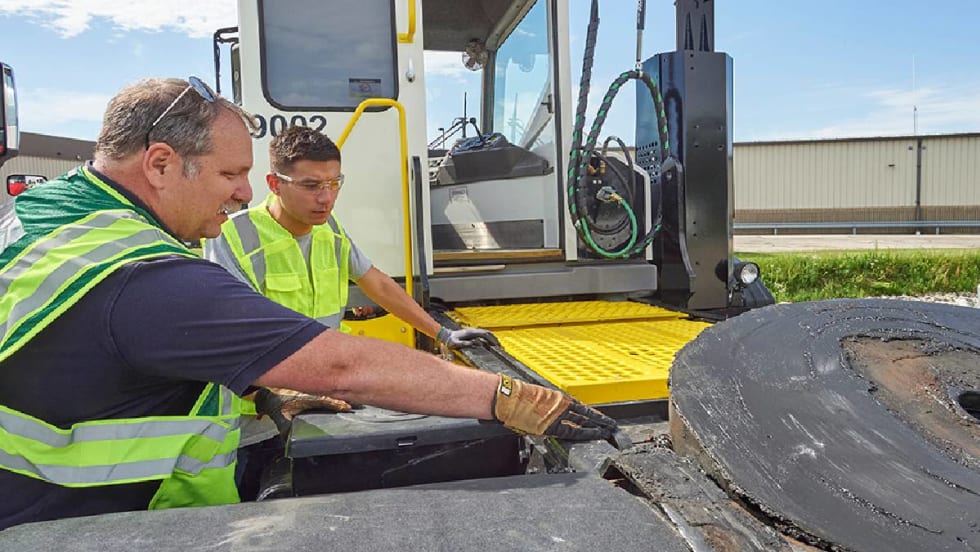





The training delivers a curriculum of online courses combined with classroom and range training customized to cover the relevant regulatory requirements faced by each client.
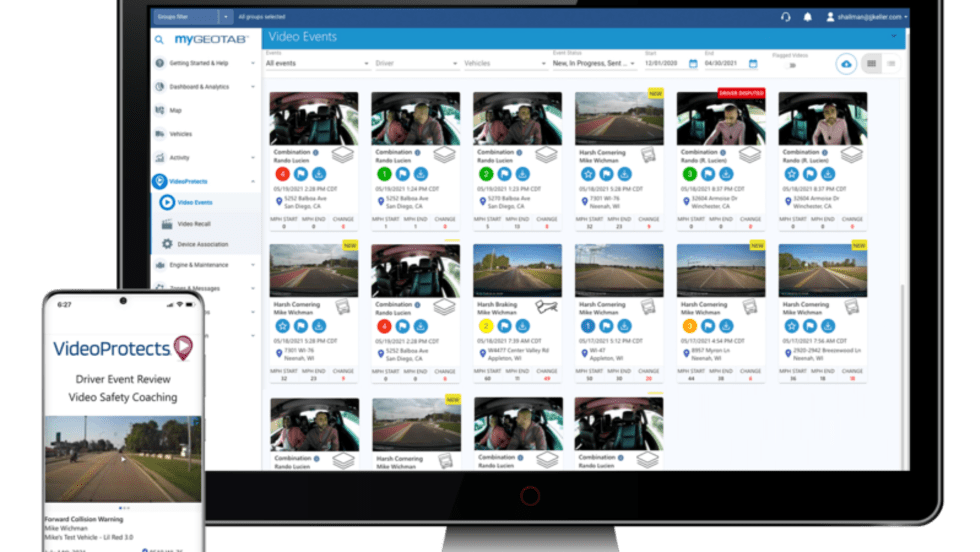
Read More →Geotab resellers and their customers gain access to a proactive video risk management solution.
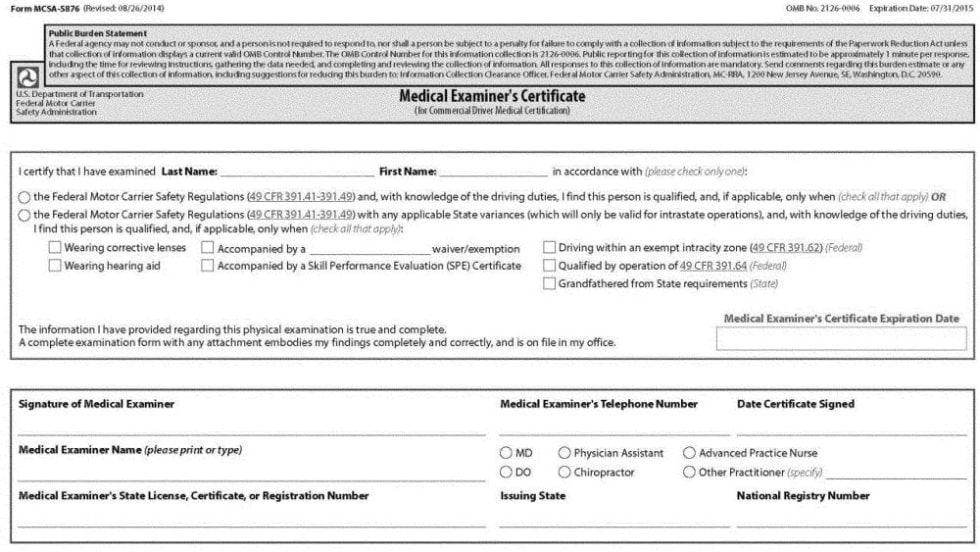
Read More →Two federally mandated driver forms were revised recently, and the new forms must be used for a motor carrier to be compliant.
Read More →Each year, the Federal Motor Carrier Safety Administration (FMCSA) provides a list of the top acute and critical violations discovered during agency investigations. Shared are the top ones found.
Read More →As most drivers and carriers resume normal operations, documenting the use of waivers is essential for future reference.
Read More →Motor carriers that operate smaller commercial motor vehicles are subject to several areas of safety compliance. Does this include the International Registration Plan (IRP)?
Read More →Private fleets often transport hazardous materials (hazmat) while performing a service. These quantities are minimal and pose less of a hazard if released. But do these materials require compliance with the Hazardous Materials Regulations (HMR)? It depends.
Read More →Motor carriers must request two types of Clearinghouse queries, pre-employment and annual, to learn of FMCSA testing violations and milestones in the DOT return-to-duty process and follow-up program. The top five common questions are answered.
Read More →Unlike many changes to the federal safety regulations, some motor carriers and drivers are looking forward to the newest revisions to the hours-of-service (HOS) rules.
Read More →