


 MENU
MENU SEARCHMENUSEARCH
Loading data...
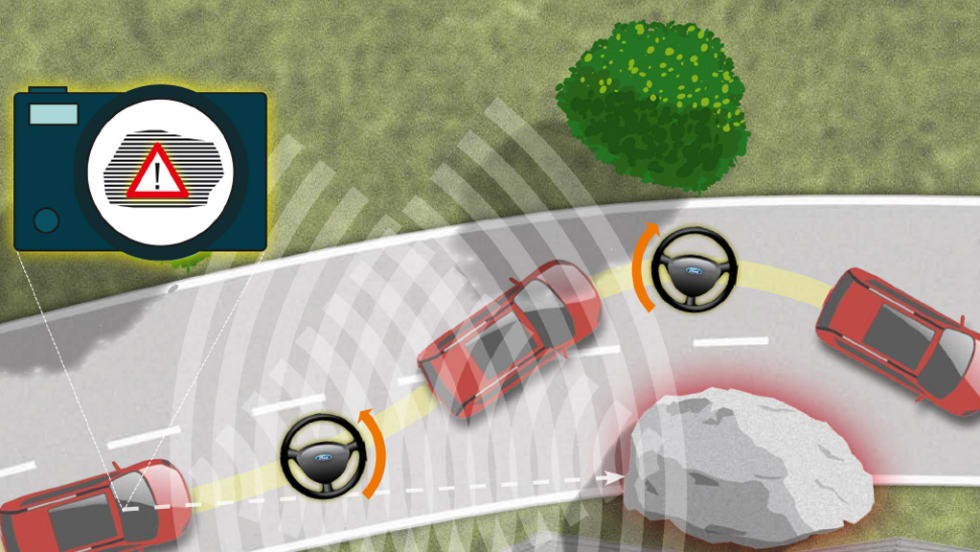
The technology uses automatic steering and braking to avoid collisions with vehicles that are stopped or slowing in the same lane ahead.
Read More →


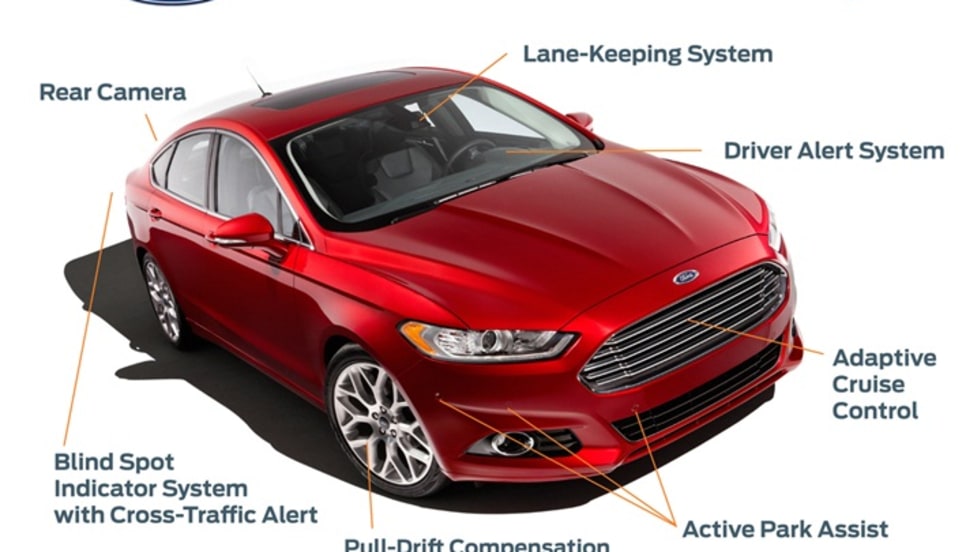
The system, Toyota says, will use automated driving technologies to promote safer highway driving and reduce driver workload.
Read More →The models, when equipped with optional autobrake and forward collision warning systems, include the Cadillac ATS sedan and SRX SUV, Mercedes-Benz C-Class sedan, Subaru Legacy sedan and Outback wagon, and Volvo S60 sedan and XC60 SUV.
Read More →The redesigned, full-size sedan excels in latest National Highway Traffic Safety Administration crash tests.
Read More →The U.S. Department of Transportation's National Highway Traffic Safety Administration (NHTSA) has released a policy that outlines guidelines for driving and testing vehicles with different levels of autonomous driving capabilities.
Read More →Electronic stability control (ESC) systems use computer-controlled braking of individual wheels to help drivers maintain control of a vehicle that's beginning to lose directional control, stability or both.
Read More →The system warns the driver via sound and display alerts to prompt braking when such a risk is detected, and can help decelerate the vehicle.
Read More →The National Transportation Safety Board (NTSB) said those technologies include lane-departure warning, forward collision warning, adaptive cruise control, automatic braking, electronic stability control, tire pressure monitoring and speed-limiting systems.
Read More →In two different technologies announced by Nissan Motor Co., the automaker is looking at seat technology that could help reduce fatigue and an ‘autonomous emergency steering system’ that could apply braking and automatic steering to prevent a collision.
Read More →The survey found that the vast majority of drivers are interested in getting some extra assist features in their next vehicle to help them avoid potential accidents.
Read More →