




Wheel-Checks
Wheel-Check can identify a loose wheel nut with a simple visual inspection and is also heat sensitive.
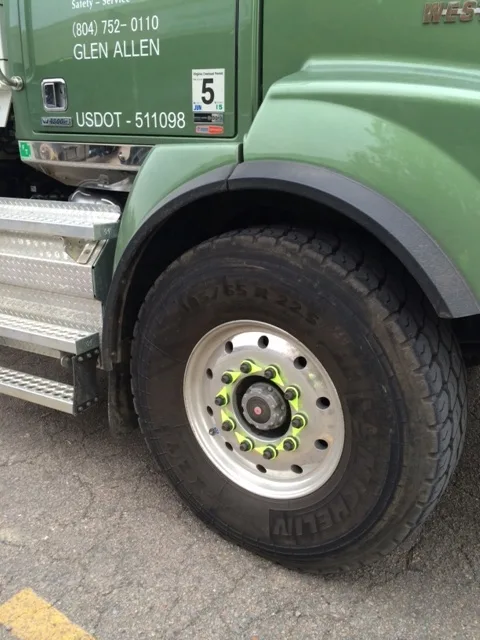
Photo courtesy of Wheel-Check
Wheel-Check can identify a loose wheel nut with a simple visual inspection and is also heat sensitive.
By practicing preventive maintenance procedures and regular inspections, unexpected and expensive brake or bearing problems can be avoided.
Wheel-Check can identify a loose wheel nut with a simple visual inspection. When the wheel nuts are properly torqued to specs, the Wheel-Checks are then placed on the wheel nuts in a uniformed pattern. Once a wheel-nut has loosened, the Wheel-Check will become out of sequence. It will be visible when the driver does their walk around check and it is the driver’s responsibility to call maintenance and have the wheel thoroughly serviced.
Wheel-Checks are also heat sensitive. If there is a binding brake or seized bearing, the heat is transferred through the stud and nut. Once the temperature exceeds 120º C (248º F), the Wheel-Check will start to blister around the circumference and eventually start to distort.
A wheel bearing failure can have grave consequences if it occurs while driving at highway speeds and the vehicle loses a wheel. This is why the wheel bearings should always be inspected. A driver will be required to go to maintenance and have a thorough assessment on the problem wheel.
Additional benefits to using Wheel-Checks:
Provides a simple, visual means of confirming proper wheel torque in seconds.
Lower your maintenance costs by eliminating unnecessary re-torquing.
Costs only a few dollars per wheel.
Facilitates official roadside inspections.
17-plus sizes available (custom sizes and color upon request)
More Products
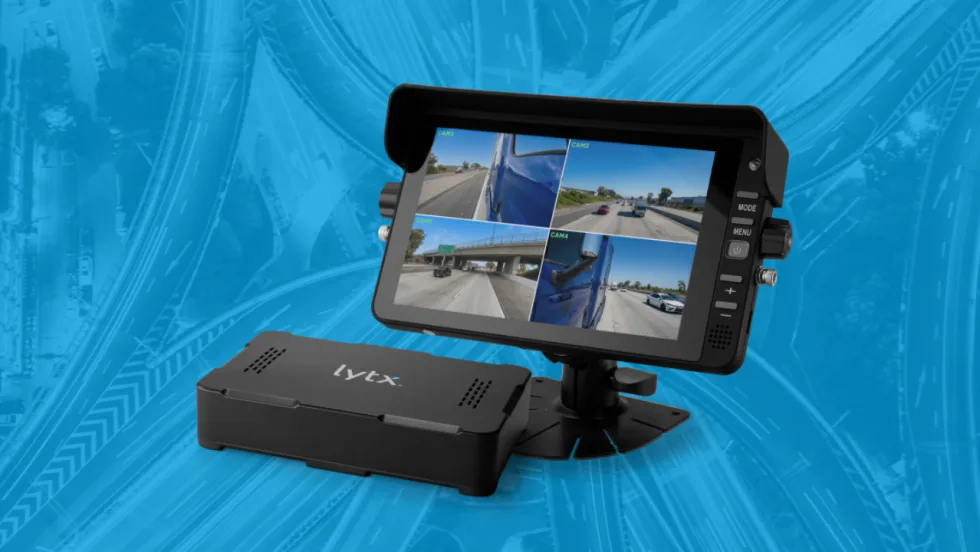
Lytx Launches 360 Hub Kit for Expanded Fleet Camera Visibility
Lytx’s new AI-ready gateway and HD auxiliary camera ecosystem, the Lytx 360 Hub Kit, extends visibility across side, rear, cargo, and blind-zone views to help fleets see more and respond faster.
Read More →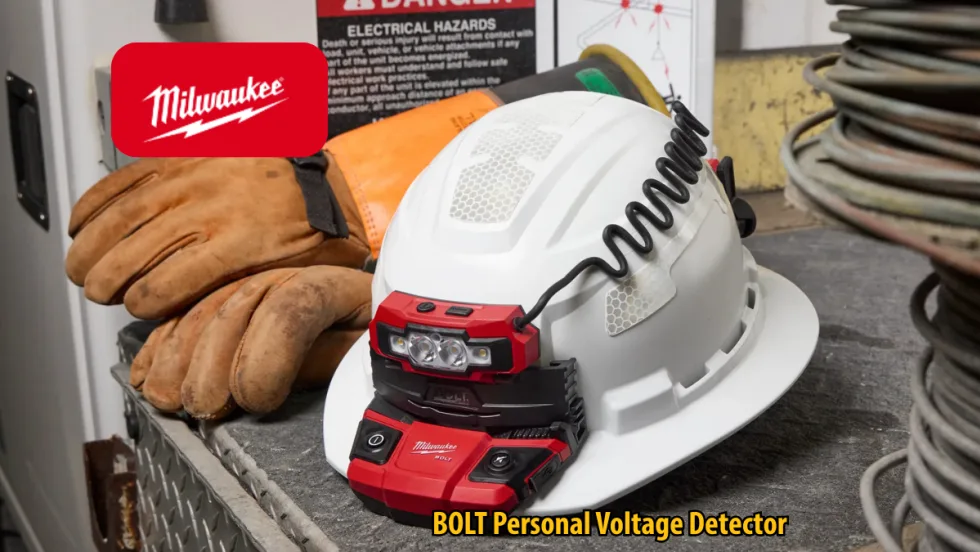
Milwaukee Introduces BOLT Personal Voltage Detector for Enhanced Jobsite Safety
Milwaukee Tool’s new BOLT Personal Voltage Detector features a wide detection field and clearer voltage alerts to help users quickly identify the presence of voltage.
Read More →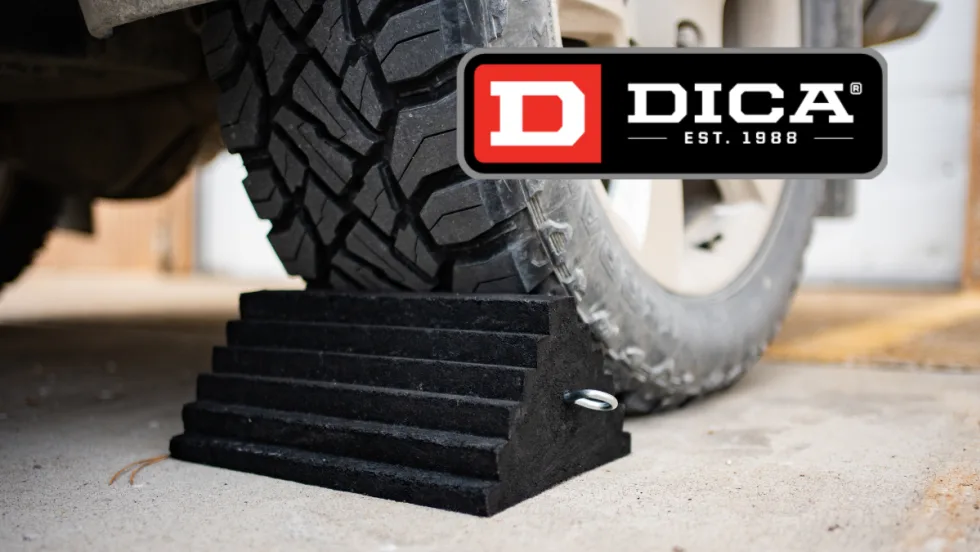
DICA Introduces Solid-Core, Lifetime-Guaranteed Wheel Chocks
DICA’s new engineered wheel chocks eliminate common failure points found in hollow, brittle, low-quality, or improvised alternatives. Common applications include heavy-duty trucks, construction equipment, utility and service vehicles, trailers, and fleet maintenance operations.
Read More →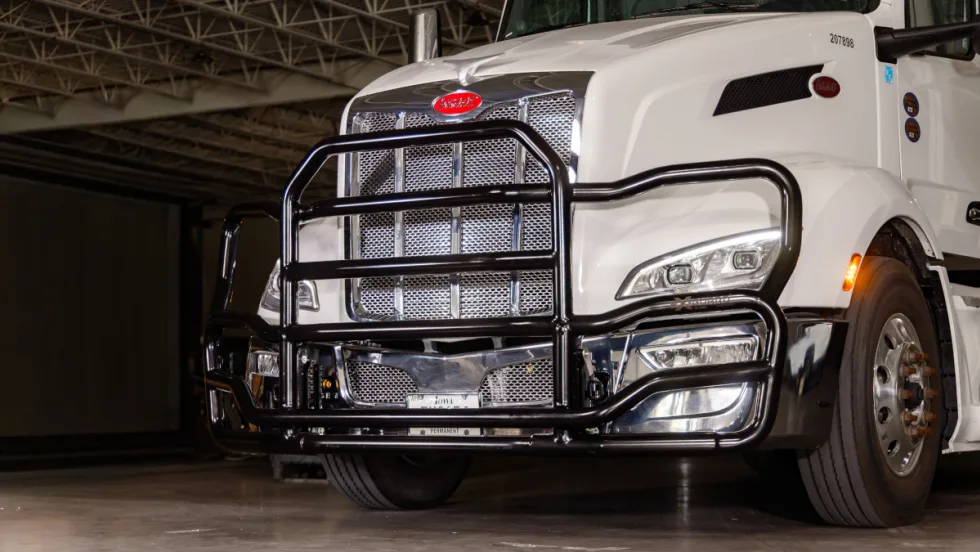
Ex-Guard Launches Ex-Guard MAX Front-End Protection System
Ex-Guard has launched Ex-Guard MAX, Its most advanced front-end protection system yet. It sets a new safety benchmark with industry-first Front Underrun Mitigation System and exclusive Steer Tire Defender 3.0 protection.
Read More →
Smart Eye Introduces AI One: A Single Compact DMS
Smart Eye’s AI One is a complete Driver Monitoring System built into a compact, self-contained unit. By combining all core components into a single unit, AI One removes the need for external ECUs and extensive cabling.
Read More →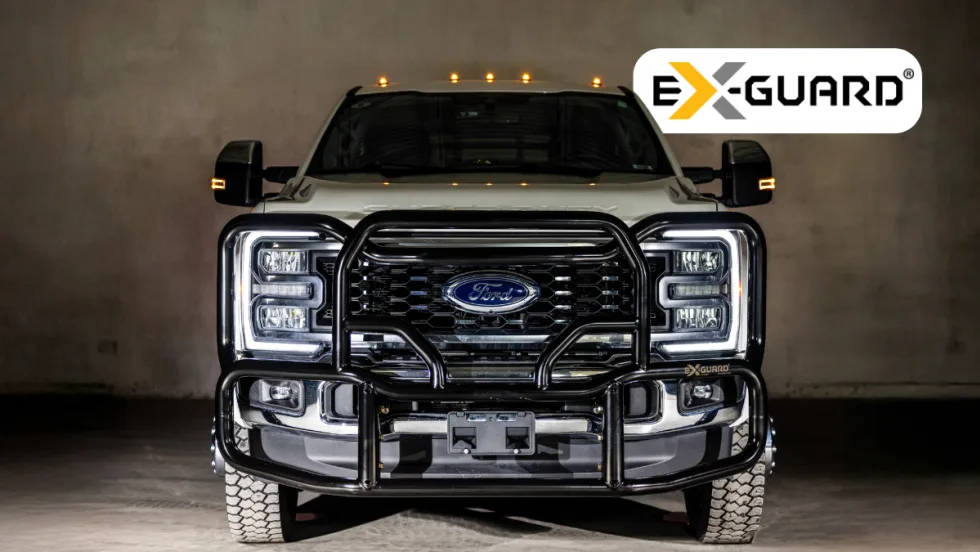
Ex-Guard Expands Grille Guard Protection to Pickups & Vans
Ex-Guard, the company that has provided grille guards to Class 8 trucks for two decades, has expanded its line with the introduction of FX and HX Series guards for Class 2-8 vehicles. Both new grille guards were showcased during NTEA Work Truck Week 2025.
Read More →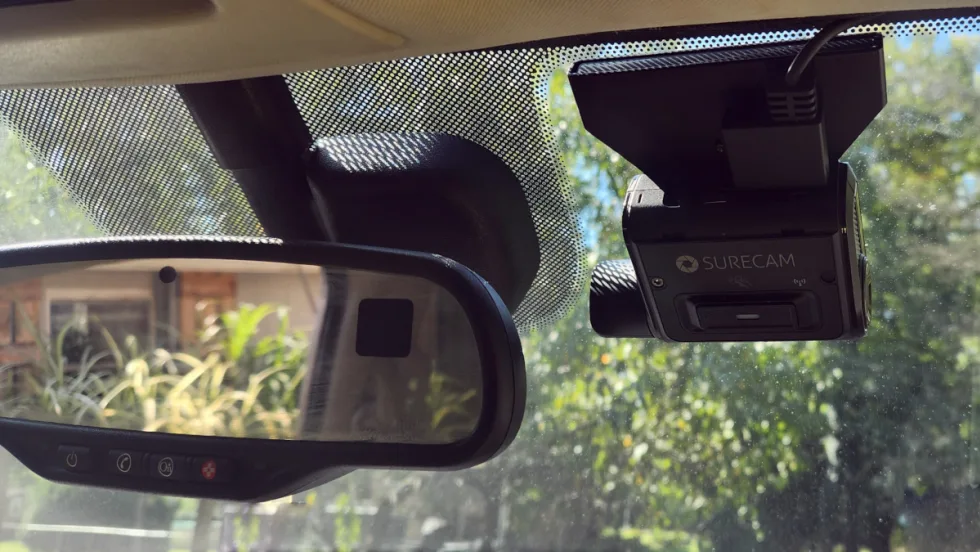
SureCam and Blackout Technologies Launch Video Telematics with Integrated Mobile Device Blocking
SureCam and Blackout Technologies have developed a fleet dashcam featuring mobile device blocking capability.
Read More →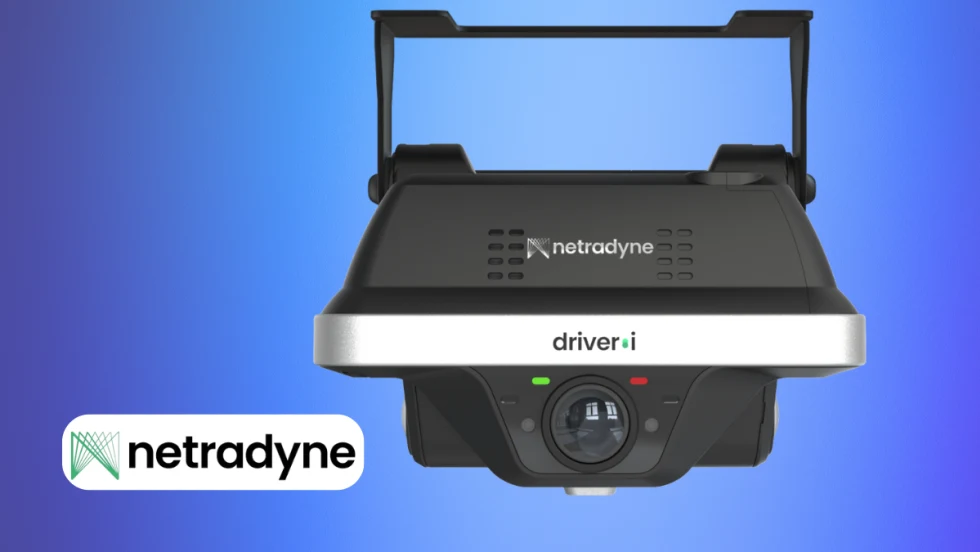
Netradyne’s New DMS Sensor Detects Early Signs of Drowsy Driving
Netradyne's third-generation drowsiness detection technology can now identify early-stage drowsiness signs, such as microsleeps and percentage of eye closure over time.
Read More →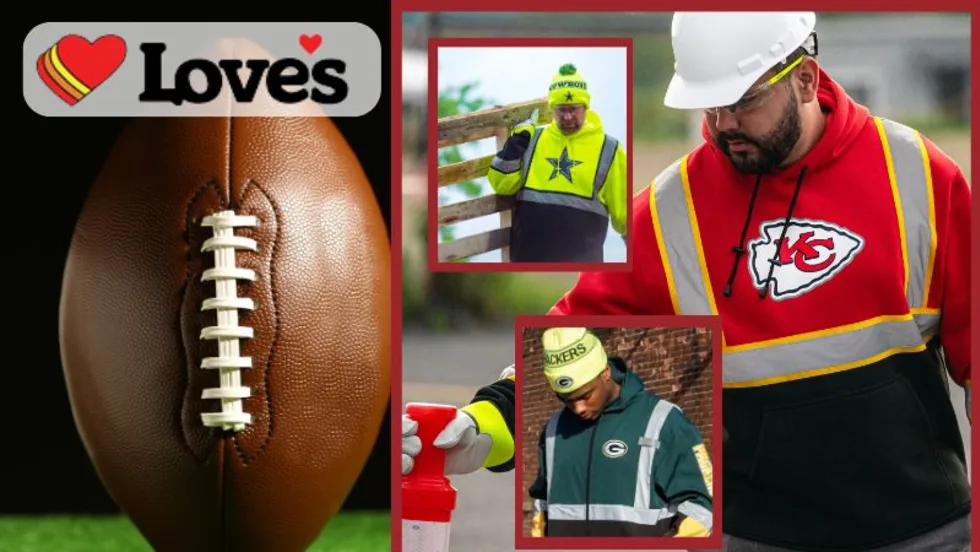
Love’s Selling NFL-Licensed High-Visibility Workwear
Love’s Travel Stops is helping football fans show team spirit while staying safe on the job. Each Love’s location has NFL-licensed safety apparel for the two nearest NFL teams, but apparel from all 32 teams is available for order.
Read More →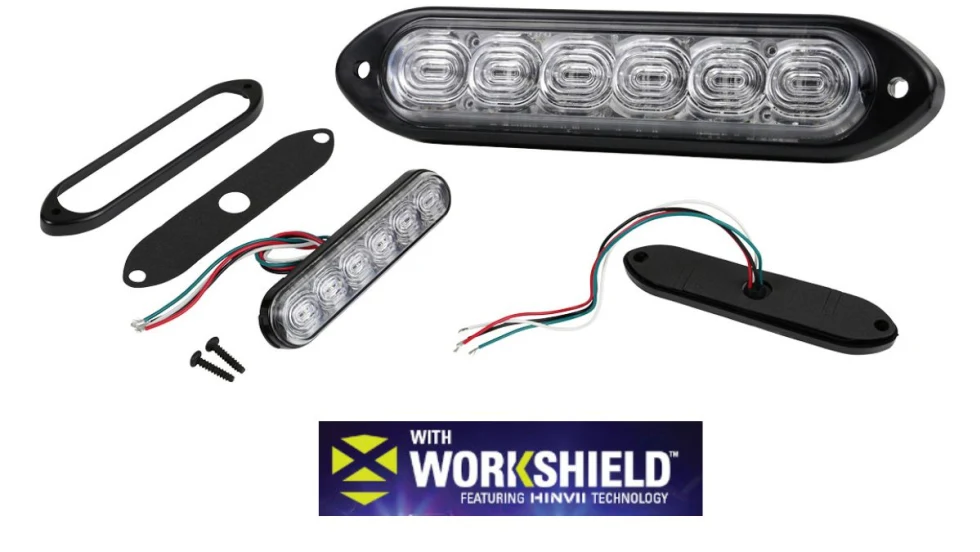
Grote Industries Launches WorkShield Warning Lights
Grote Industries’ new WorkShield warning lights are powered by HINVII technology and can increase visibility and safety on the worksite when used to illuminate high-visibility materials such as safety vests.
Read More →