




Netradyne’s New DMS Sensor Detects Early Signs of Drowsy Driving
Netradyne's third-generation drowsiness detection technology can now identify early-stage drowsiness signs, such as microsleeps and percentage of eye closure over time.

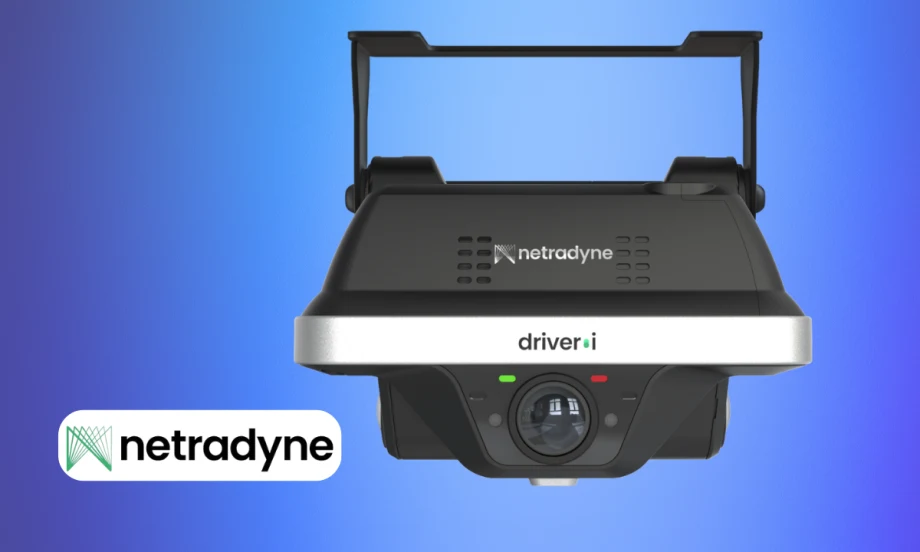
Netradyne’s Driver Drowsiness with DMS Sensor solution is available in the US on a limited basis, as an add-on with Netradyne’s D-450.
Photo: Netradyne/Work Truck
Netradyne, a SaaS provider of artificial intelligence (AI) and edge computing, has launched its latest Driver Drowsiness with Driver Monitoring System (DMS) Sensor. Netradyne's third-generation drowsiness detection technology can now identify early-stage drowsiness.
Building on years of sleep research and a vast dataset, Netradyne said its latest sensor detects signs of early-stage drowsiness, enabling proactive intervention and significantly reducing the risk of collisions.
This innovation comes just ahead of the National Drowsy Driving Prevention Week, Nov. 3-9. With this newest solution, Netradyne said fleets can:
Save lives
Mitigate risk and improve road safety
Reduce liability and litigation costs, producing ROI faster
Detecting Microsleeps & Preventing Crashes
Netradyne said a lack of sleep can cause microsleeps, usually lasting four to five seconds. According to the NHTSA, vehicles running 55 miles per hour can travel 100 yards before drivers wake from their microsleep.
Data from the Governors Highway Safety Association (GHSA) indicated that 10-20% of severe collisions are due to driver drowsiness. Netradydne said legacy drowsy detection systems have attempted to address this silent killer by taking a narrow view of drowsiness and decreased performance when it counts—in low light at night.
“Unlike other offerings on the market that come with subjectivity, Netradyne’s DMS Sensor is grounded in science that's objective and measurable. Our comprehensive solution will give drivers and safety managers peace of mind that drowsy driving incidents will be prevented,” said Adam Kahn, Netradyne president.
Detecting Early- & Late-Stage Drowsiness
The sensor detects both early and late stages of drowsiness, as defined in academic research. Netradyne said the new sensor provides drivers with an early warning and predicts future acute drowsiness. In addition, the sensor is sensitive to low light at night and can detect drowsiness even if the driver is wearing sunglasses.
The company said this solution enables timely and precise alerts by accurately detecting subtle microbehaviors indicative of drowsiness like:
Microsleeps (eye closures)
Blink measurements
Percentage of eye closure over time (PERCLOS)
Additionally, the company said the new system's ability to discern varying levels of drowsiness allows for more tailored and urgent responses. Optimized installation placement and seamless integration with the Driver-i system, complete with multi-camera views, contribute to a comprehensive and reliable driver monitoring solution, Netradydne said.
“Despite 95% of Americans recognizing the danger of drowsy driving, a majority still engage in this risky behavior, according to National Sleep Foundation (NSF) data. The risk is compounded for those whose livelihoods depend on driving,” said Kahn. “We put drivers first, so we had to get this right by developing a precise sensor to avoid false alerts without compromising drivers’ road safety.”
Incorporating Outward-Facing Cameras
In addition to in-cab views, the solutions utilize outward-facing cameras to assess road behaviors like lane departure that may contribute to detecting drowsiness, providing a holistic view and situational context. Using the data gathered, managers can better understand drowsy driving behavior patterns, Netradyne said. Progressive drowsy detection empowers managers to intervene effectively. Advanced drowsy driving detection offers drivers early warnings, enabling them to take immediate steps to prevent accidents and promote road safety, the company added.
Netradyne’s Driver Drowsiness with DMS Sensor solution is available in the US on a limited basis, as an add-on with Netradyne’s D-450.
More Products
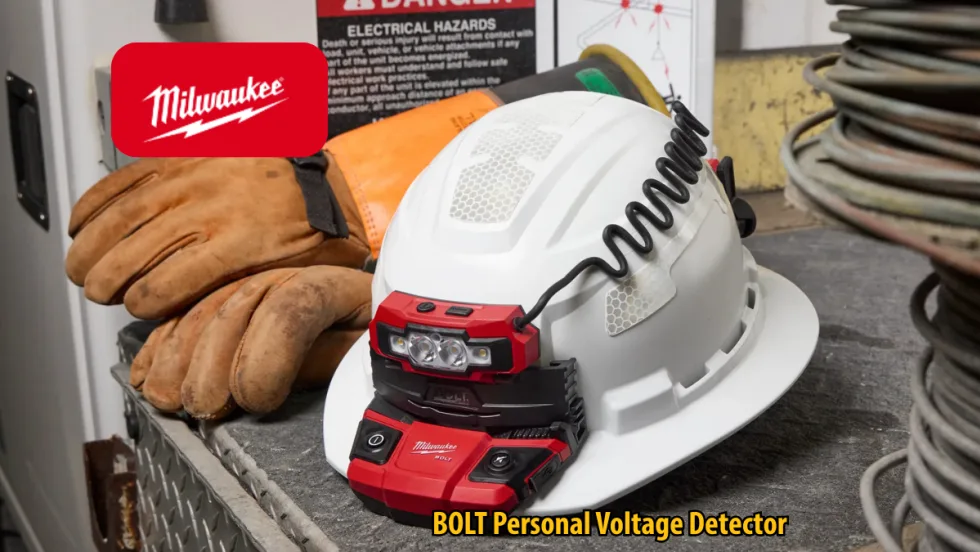
Milwaukee Introduces BOLT Personal Voltage Detector for Enhanced Jobsite Safety
Milwaukee Tool’s new BOLT Personal Voltage Detector features a wide detection field and clearer voltage alerts to help users quickly identify the presence of voltage.
Read More →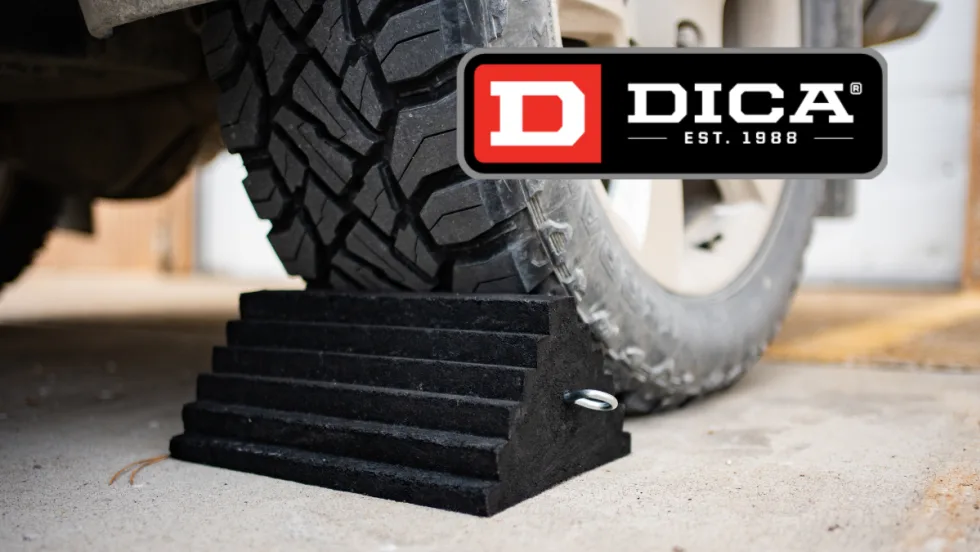
DICA Introduces Solid-Core, Lifetime-Guaranteed Wheel Chocks
DICA’s new engineered wheel chocks eliminate common failure points found in hollow, brittle, low-quality, or improvised alternatives. Common applications include heavy-duty trucks, construction equipment, utility and service vehicles, trailers, and fleet maintenance operations.
Read More →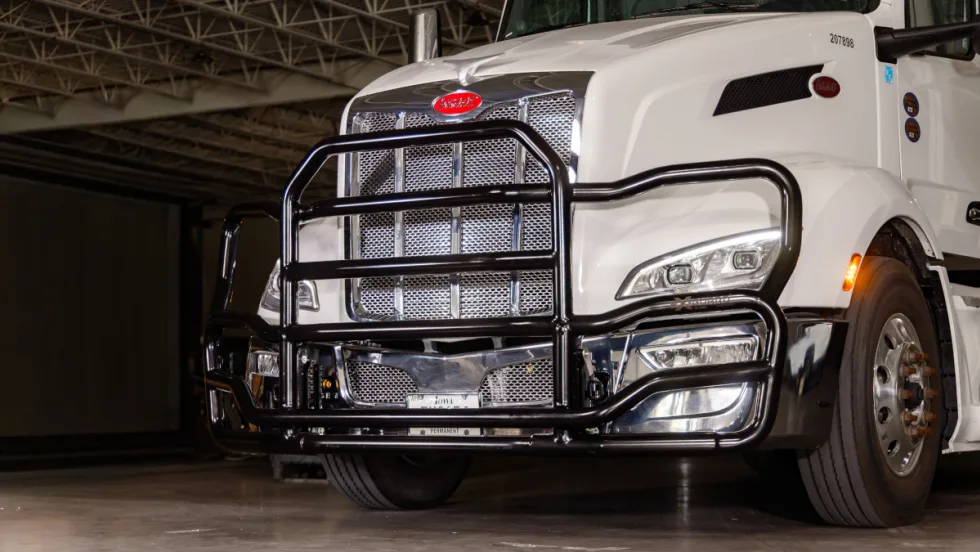
Ex-Guard Launches Ex-Guard MAX Front-End Protection System
Ex-Guard has launched Ex-Guard MAX, Its most advanced front-end protection system yet. It sets a new safety benchmark with industry-first Front Underrun Mitigation System and exclusive Steer Tire Defender 3.0 protection.
Read More →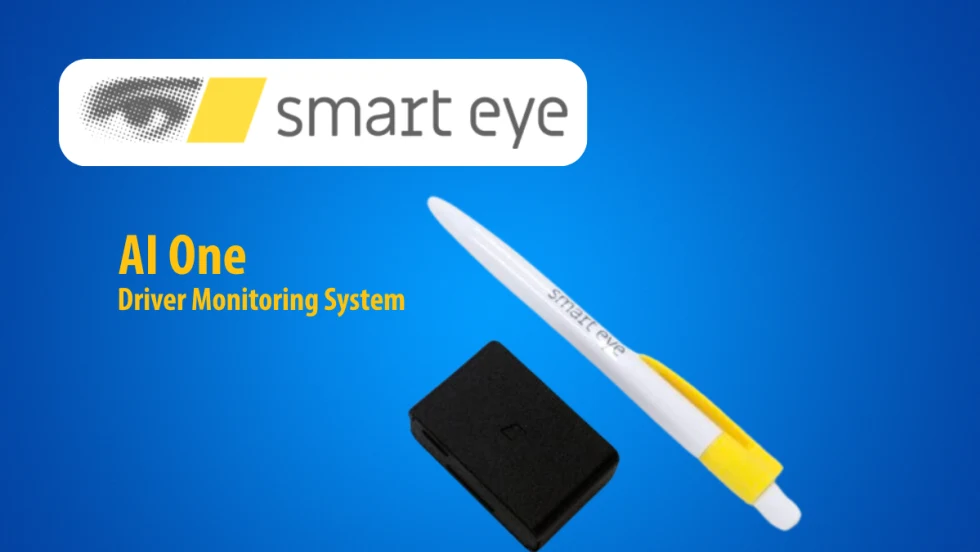
Smart Eye Introduces AI One: A Single Compact DMS
Smart Eye’s AI One is a complete Driver Monitoring System built into a compact, self-contained unit. By combining all core components into a single unit, AI One removes the need for external ECUs and extensive cabling.
Read More →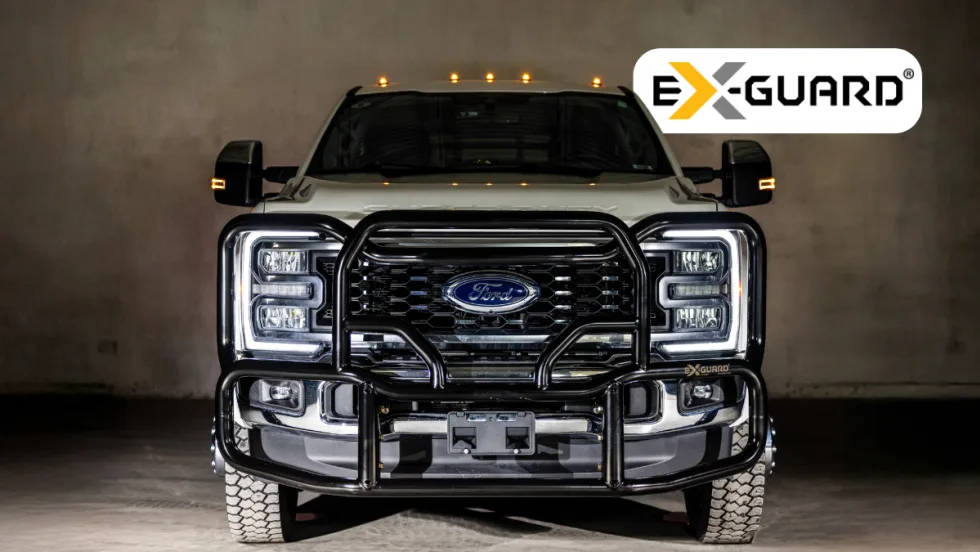
Ex-Guard Expands Grille Guard Protection to Pickups & Vans
Ex-Guard, the company that has provided grille guards to Class 8 trucks for two decades, has expanded its line with the introduction of FX and HX Series guards for Class 2-8 vehicles. Both new grille guards were showcased during NTEA Work Truck Week 2025.
Read More →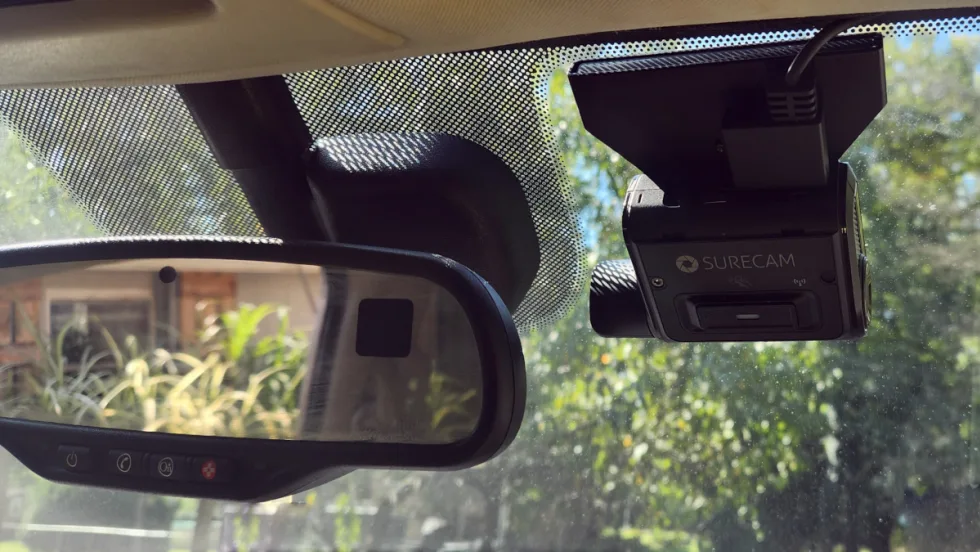
SureCam and Blackout Technologies Launch Video Telematics with Integrated Mobile Device Blocking
SureCam and Blackout Technologies have developed a fleet dashcam featuring mobile device blocking capability.
Read More →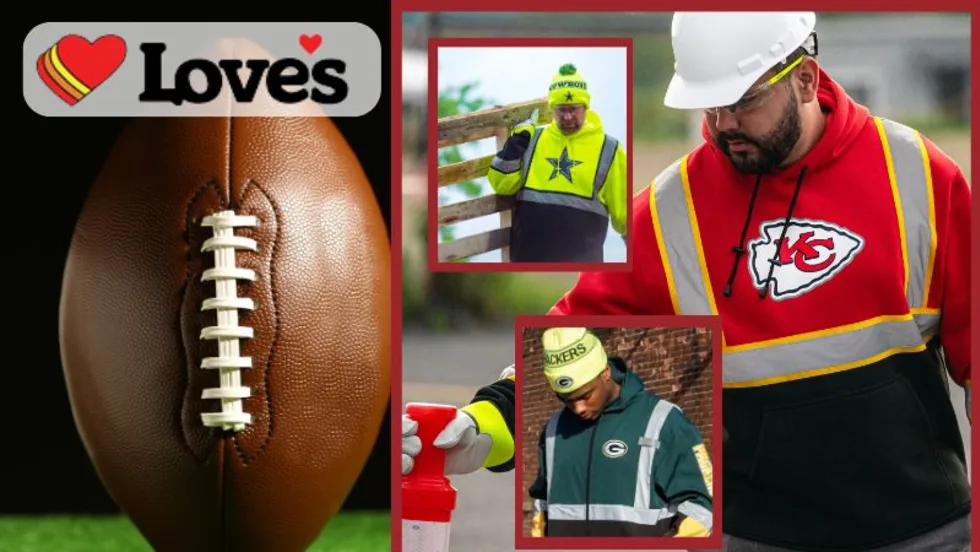
Love’s Selling NFL-Licensed High-Visibility Workwear
Love’s Travel Stops is helping football fans show team spirit while staying safe on the job. Each Love’s location has NFL-licensed safety apparel for the two nearest NFL teams, but apparel from all 32 teams is available for order.
Read More →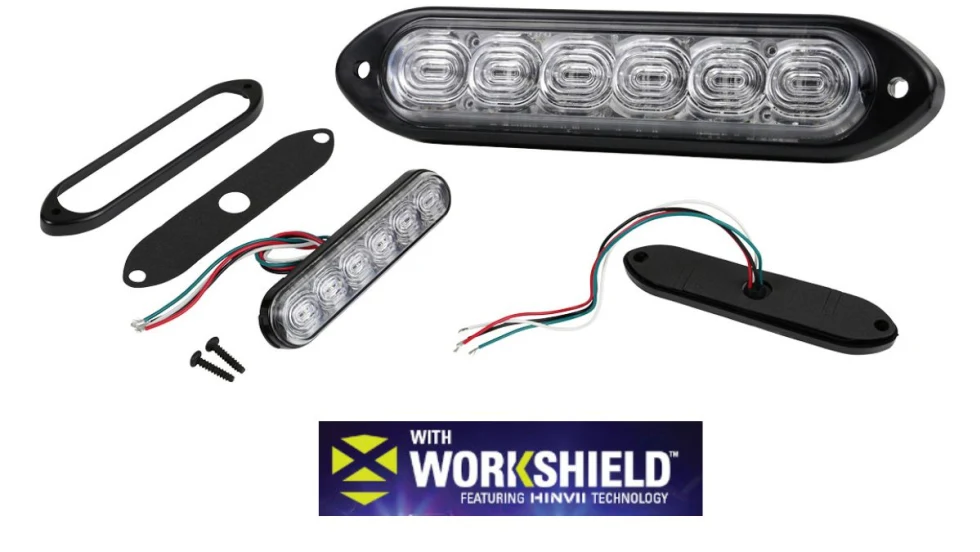
Grote Industries Launches WorkShield Warning Lights
Grote Industries’ new WorkShield warning lights are powered by HINVII technology and can increase visibility and safety on the worksite when used to illuminate high-visibility materials such as safety vests.
Read More →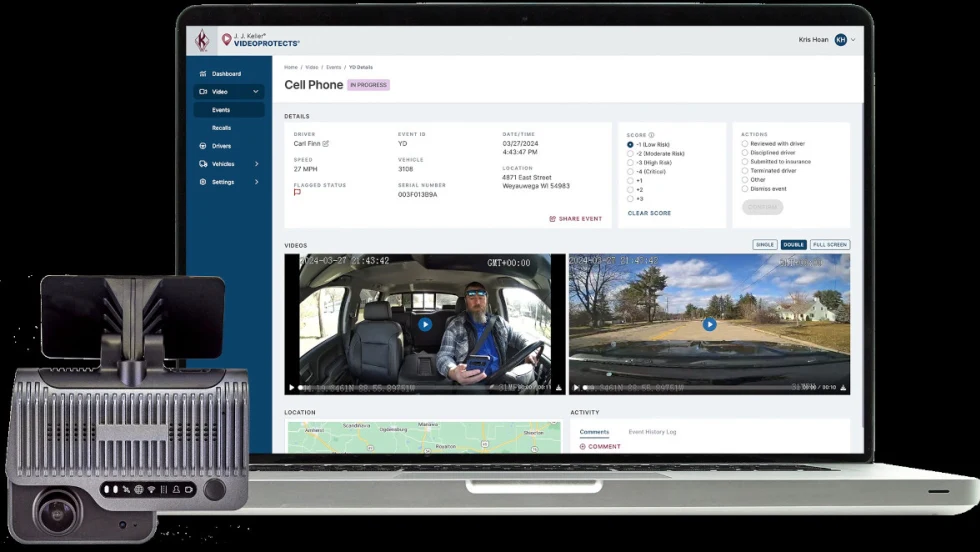
J. J. Keller Expands Dash Cam Platforms
The VideoProtects Fleet Camera System from J. J. Keller is now available across multiple platforms and can recognize hazards like driver fatigue, tailgating, forward collision warnings, and other dangerous behaviors, and assign a score based on risk level.
Read More →
E-Smart Seat Belt Monitors Drivers’ Use of Seat Belts
The E-Smart Seat Belt can detect when a work truck driver is not wearing a seat belt and slow the vehicle to a speed predetermined by the fleet.
Read More →