



Yokohama Tire Corporation Named EPA SmartWay Partner
FULLERTON, CA - Continuing to fulfill its corporate commitment to environmental protection, Yokohama Tire Corporation announced it has been named a Partner in the Environmental Protection Agency's (EPA) SmartWay program.

FULLERTON, CA - Continuing to fulfill its corporate commitment to environmental protection, Yokohama Tire Corporation announced it has been named a Partner in the Environmental Protection Agency's (EPA) SmartWay program. SmartWay, an EPA collaboration with the freight industry, is designed to increase energy efficiency while significantly reducing greenhouse gases and air pollution. Yokohama's new partnership status is in the "shippers" category, which means that the company ships more than 50 percent of its products on SmartWay-certified transport carriers.
This is the second SmartWay recognition Yokohama has earned this year: in January, the Fullerton, California-based tire manufacturer had three of its commercial truck tires named "verified low rolling resistance tires," thus paving the way for their use on SmartWay-certified trucks. According to the EPA, Yokohama's RY617 steer tire, 703ZL drive tire and RY587MC2 trailer tire met the SmartWay program's verified low rolling resistance criteria. Low rolling resistance tires run cooler, helping reduce fuel consumption, which in turn cuts costs and benefits the environment.
"Being named a partner in the EPA SmartWay program reinforces our corporate pledge to produce technologically-advanced tires that help save fuel and protect the environment," said Takao Oishi, Yokohama president and CEO. "It is a great honor to be recognized by the EPA for our environmental initiatives and we will continue to support the SmartWay program in every possible way."
According to the EPA, Yokohama's freight efforts will contribute to the goal of eliminating 33 to 66 million metric tons of carbon dioxide and up to 200,000 tons of nitrogen oxide per year by 2012. Carbon dioxide is the most common greenhouse gas, and nitrogen oxide is an air pollutant that contributes to smog.
Launched in 2004, the EPA's SmartWay program identifies products and services that reduce transportation-related emissions, resulting in significant, measurable air quality and/or greenhouse gas improvements while maintaining or improving current levels of other emissions and/or pollutants.
The SmartWay Transport Partnership aims to achieve fuel savings of up to 150 million barrels of fuel per year. It brings together major freight shippers, trucking companies, railroads, logistics companies and trade/professional associations to pursue mutually-beneficial efficiencies. The results are emissions reductions and other environmental improvements, as well as cost savings to the companies. The SmartWay Partnership currently has more than 1,850 members and continues to grow daily.
For information about the SmartWay program, visit https://www.epa.gov/smartway.
More Operations
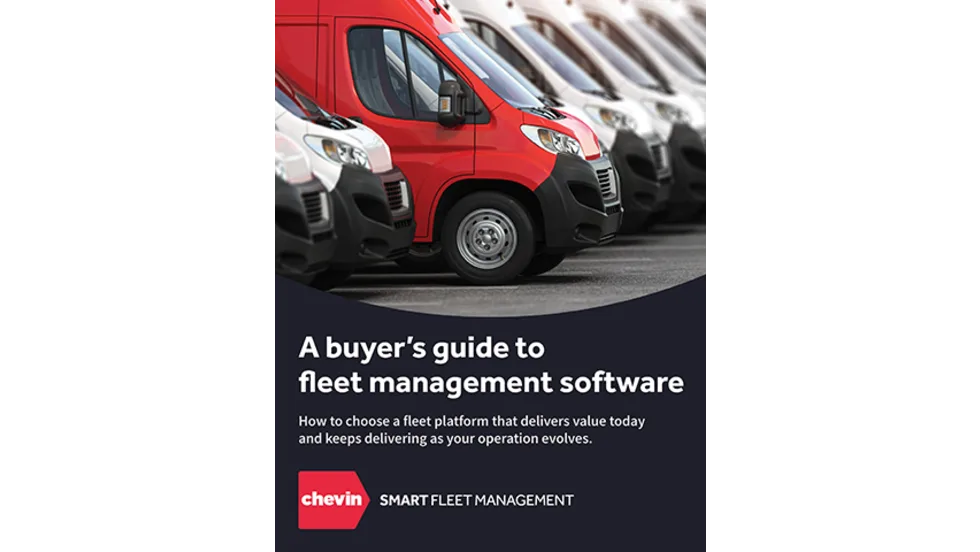
A buyer's guide to fleet management software in 2027
Buying fleet management software in 2027 means looking beyond features and price. As fleet operations, technology and expectations evolve, this guide explores what today’s fleet professionals should consider when choosing a system that can deliver value now and adapt to what comes next.
Read More →
How to Build a Lasting Fleet Career by Staying Curious and Connected
Tina Kourakos never planned on a career in fleet. More than 30 years later, she says curiosity, strong relationships, and a willingness to keep learning helped turn an unexpected assignment into a career spanning fleet management and OEM leadership.
Read More →
Think You Know Trucks? Take Our 19-Question Fleet Trivia Challenge
From chicken lights to diesel engines and trucking history, test your knowledge with 19 questions from the 2026 Work Truck Exchange and Heavy Duty Trucking Exchange.
Read More →From Our Partners
Basic Tracking vs Next Generation Fleet Technology
Sponsored by AT&T Business

5 Facts Every Fleet Manager Should Know About Embedded Telematics
Sponsored by Stellantis/Mobilisights

How AI Video Telematics Boosts Driver Safety and Helps to Avoid Unnecessary Costs
Sponsored by Verizon Connect

Charting the 8 Bottom-Line Benefits of Workforce Optimization
Sponsored by Verizon Connect

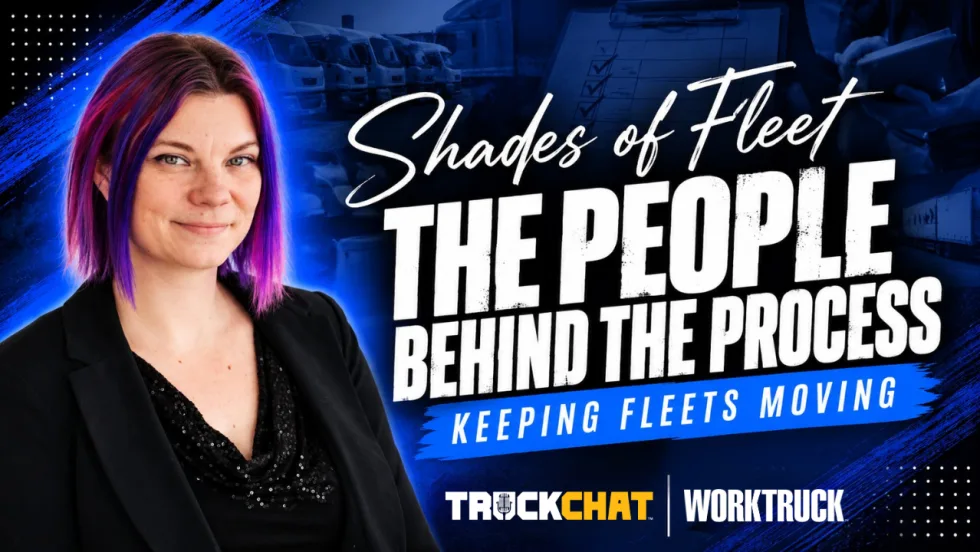
Where’s My Truck: Inside the Fleet Logistics Work Nobody Sees
Shades of Fleet video thumbnail featuring Lauren Fletcher beside the text “The People Behind the Process, Keeping Fleets Moving,” with fleet vehicles and logistics imagery in the background.
Read More →
Work Truck Seeks Fleet and Industry Insights on 2026 Trends and 2027 Forecasts
Work Truck is seeking insights from fleet leaders and industry partners on the trends that shaped 2026 and what commercial fleets should prepare for in 2027. Participate today!
Read More →
It's 10 p.m... Do You Know Who Has Access to Your Fleet?
Preventing cargo theft requires investment in technology, operational processes, and employee training. In an industry with tight margins, it can be difficult to justify investments whose value is measured by incidents that might never occur.
Read More →
GeoFencing Adds to Your Truck Security Arsenal
Geofencing is a familiar fleet tool today, but its early adoption marked a major shift in vehicle tracking, route monitoring, and the debate over employee privacy.
Read More →
Truckers’ Strike Rumors, New GM Engines, and Hidden Idling Costs Lead This Week’s News
Truckers’ strike rumors, GM’s new 2027 engines, hidden idling costs, racing lessons, IRP rules, and more headline this week’s Truck Chat Weekly Cheat Sheet.
Read More →
Shades of Fleet Wants to Hear From You About Building a Culture of Care
Fleet leaders, we want to hear from you. Share how empathy, trust, and creating space for people can strengthen your team, improve performance, and support retention.
Read More →
What Racing Can Teach Work Truck Fleets About the Work Nobody Sees
Race car driver and mechanical engineer Isaac Johnson shares practical lessons on preparation, relationships, setbacks, and building teams that perform when it counts.
Read More →