




Related article: How Are Supply Chain Disruptions Affecting Car Haulers?
Why Are Vehicle Transportation Costs Going Up?
Analysis: On one automotive marketplace that connects shippers and transporters, the carrier cost per mile increased nearly 18% from 2019 to 2021.
by Joe Kichler, vice president, Manheim Logistics
December 2, 2021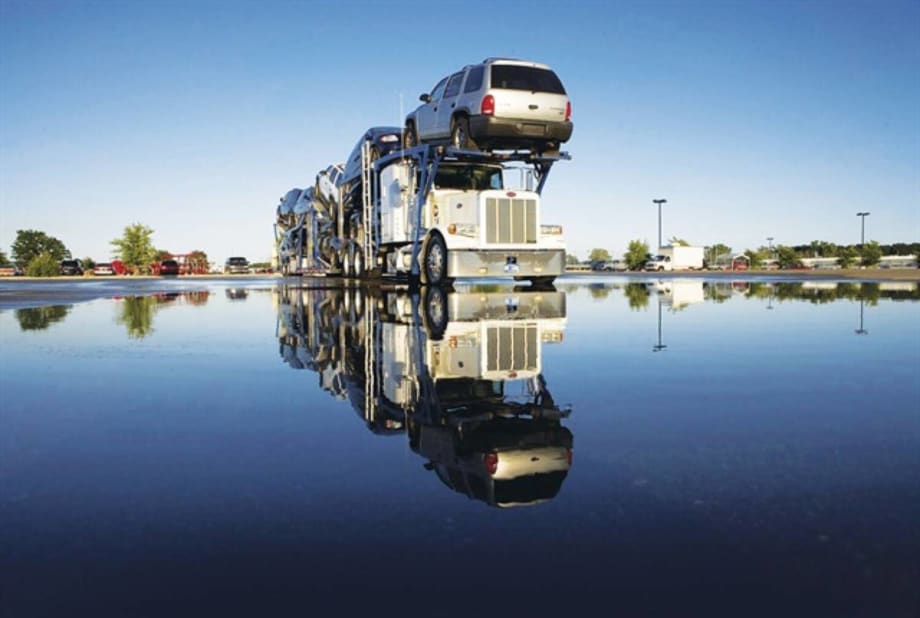
Vehicle transportation costs across the automotive industry have risen noticeably since 2019.
File photo: United Road
2 min to read
There’s been a lot of talk in the industry lately about rising destination charges on new cars. Some assume that automakers are pushing up the prices to cushion their profits, but there’s perhaps a more straightforward answer: It’s gotten much more expensive to transport vehicles due to the pandemic.
At Cox Automotive, the Manheim Logistics brands – Ready Logistics and Central Dispatch – touch 10 million vehicle moves a year. And while those are almost all on the used car side, the logistics supply chain challenges are the same for both new and used vehicles. Below is a look at the data Coxis seeing and the trends worth watching
Vehicle transportation costs across the automotive industry have risen noticeably since 2019. On Central Dispatch, the largest self-serve automotive marketplace that connects shippers and transporters, the carrier cost per mile increased nearly 18% from 2019 to 2021. While there are several factors influencing that increase, the biggest ones are:
Carrier/driver shortages: COVID caused a shortage of carriers, which persists to this day. In fact, the American Trucking Association said he problem went from a shortage of 61,500 drivers pre-pandemic to 80,000 today – a 30% increase. And filling that gap is becoming harder as consumer delivery companies are increasing their wages to attract more drivers, and many potential drivers are finding it’s much easier to deliver a package than a 1–2-ton vehicle.
Higher demand: There’s increased demand for transporting wholesale vehicles farther distances due to low supply and more dealers buying these vehicles digitally. The average vehicle move in Q1 2020 was 225 miles, and in Q3 2021, that number more than doubled to 460 miles.
Fuel costs: The price of fuel continues to rise. In October 2021, a gallon of diesel was about $1.30 more expensive than the same time a year ago – a significant increase.
The fact is these challenges aren’t going away anytime soon. The shortage of carriers combined with the increase in demand for transportation is all happening in a relatively low-demand transportation market, with North American vehicle production down 22% from 2019 to 2021 and wholesale auction volumes down 9% in the same period.
When the chip shortage resolves, more new vehicles will head to dealerships and more used vehicles will find their way to wholesale. The already overtaxed transportation supply chain will be squeezed further – perhaps leading to more cost increases.
Overall, the increase in new-vehicle destination charges has much more to do with the headwinds facing vehicle transportation than a way to add more profits.
Note: This article was provided by Cox Automotive
Originally posted on Vehicle Remarketing
More Small Fleet


Developing Budget-Friendly Driver Safety Programs
From driver training and safety meetings to one-on-one coaching and incentive programs, several small fleets share how they have developed a safety culture with their drivers using low- to no-cost resources.
Read More →
Sponsored•March 9, 2026
Boosting Last-Mile Fleet Uptime, Safety, and Value with AI Vehicle Inspections
AI-powered inspections are transforming last-mile fleets by replacing manual checks with highly accurate automated scans that detect defects in seconds. By giving fleet operations visibility into the daily condition of their vehicles, you can identify trends over the vehicle’s lifecycle that enable improved procurement decisions, route management, driver training and accountability.
Read More →
Five Ways Seat Belts Help Prevent Injuries
There are five ways seat belts protect occupants from injuries, according to the Tennessee Department of Safety and Homeland Security.
Read More →
Sponsored•January 14, 2026
It’s here: The 2026 Fleet Technology Trends Report
What does AI mean for fleets? Get the answer — and learn other top tech trends.
Read More →
Small Fleets, Big Impact: How Independent Drivers Power Wreaths Across America
Check out how small fleets and independent drivers power Wreaths Across America each December and why their impact matters more than ever.
Read More →
VMS Survey Finds 65% of Small Fleet Managers Run Operations Alone
A new VMS survey shows small fleet managers are stretched thin, with most handling operations solo and eager to adopt digital tools for relief.
Read More →
Tips for Driving Safely on Halloween Night
This video features a reminder from the Connecticut Department of Transportation (DOT) and the Connecticut Police Chiefs Association, urging drivers to prioritize safety this Halloween.
Read More →
AI, Access, and Uptime: VMS’s Next Chapter with David Prusinski
VMS’s new Co-CEO, David Prusinski, shares how an AI-first approach will give small fleets and repair shops the tools to compete like big players.
Read More →
Fleet Managers Share Winter Prep Tips: It's Never Too Early!
Three fleets share best practices to prep vehicles for winter and prevent downtime when the cold sets in.
Read More →