




Verizon Rolls Out Hybrid-Powered Van Pilot Project
HYATTSVILLE, MD – Verizon will soon begin a pilot project using 13 specially designed service vans with environmentally friendly hybrid-engine systems. Because no domestic motor vehicle manufacturer currently makes hybrid vehicles in the “van” category, Verizon worked closely with a company that specializes in hybrid- power systems, and it retrofitted the new vehicles to Verizon's specifications.
HYATTSVILLE, MD – Verizon will soon begin a pilot project using 13 specially designed service vans with environmentally friendly hybrid-engine systems. Because no domestic motor vehicle manufacturer currently makes hybrid vehicles in the “van” category, Verizon worked closely with a company that specializes in hybrid- power systems, and it retrofitted the new vehicles to Verizon’s specifications. The retrofitting for the trial was done by Enova Systems Inc., located in Torrance, Calif.
The vans, which have FiOS and green-energy markings on them, will serve some of Verizon’s FiOS Internet and TV customers here and in Texas. They will be put into service over the next several weeks.
The vans’ gasoline- and electricity-powered engines could improve gas mileage by up to 50 percent over traditional internal-combustion engines, and have the potential to reduce greenhouse gas emissions by 70 percent to 90 percent.
“These retrofitted FiOS vans will allow us to evaluate hybrid technology,” said Kathryn Brown, senior vice president of public policy development and corporate responsibility for Verizon. “More importantly, as an operator of one of the largest private motor vehicle fleets in the U.S., we hope to send a message to automotive manufacturers that they should be manufacturing hybrid vehicles in all classes. There is a market here, especially for companies like Verizon that seek to minimize the environmental impact of their operations.”
Verizon’s hybrid vans will be used by technicians who install and maintain the company’s digital all-fiber-optic FiOS services: FiOS Internet Service. The new vans use both a traditional gasoline-powered internal-combustion engine and a battery-powered electric motor. An onboard computer coordinates the use of either the internal-combustion engine or the electric motor, or both, depending on the driving conditions. When the internal-combustion engine is running, it charges the batteries for the electric motor. The net result is the vehicle uses less fuel and produces fewer harmful emissions such as carbon dioxide, nitrous oxide, and hydrocarbon gas.
More Operations
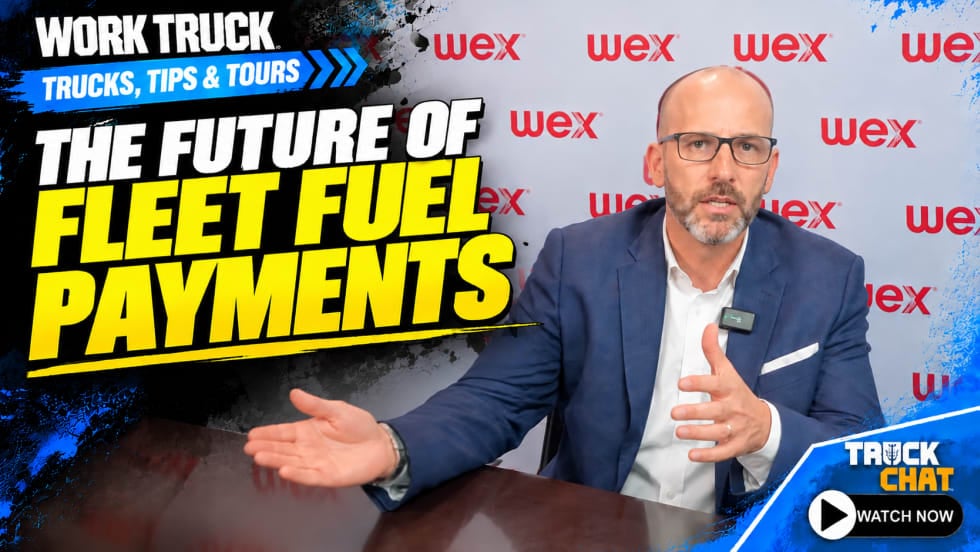
How Cardless Fuel Payments Benefit Commercial Fleets
Is it time for fleets to move beyond plastic fuel cards? David Abraham of WEX explains how cardless fuel payments can help reduce fraud, simplify driver transactions, and improve efficiency by allowing drivers to pay for fuel using their smartphones.
Read More →
Good Fleet Leadership Starts With the People You Already Have
From developing future leaders to listening to employees, discover how better leadership can help work truck fleets retain talent and build stronger teams.
Read More →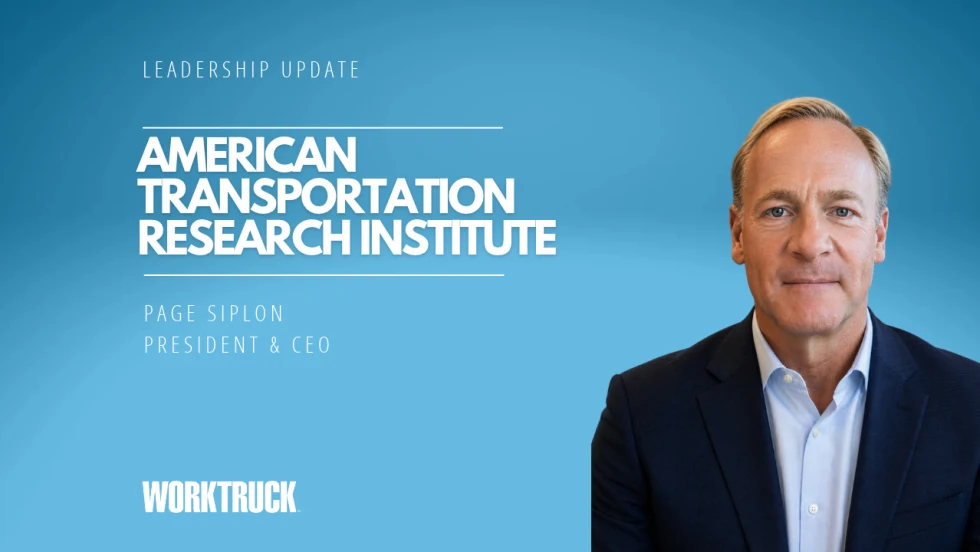
ATRI Names Next President and CEO
Page Siplon, a longtime transportation and logistics industry executive, has been chosen as the next president and CEO of the American Transportation Research Institute (ATRI).
Read More →From Our Partners
Basic Tracking vs Next Generation Fleet Technology
Sponsored by AT&T Business
5 Facts Every Fleet Manager Should Know About Embedded Telematics
Sponsored by Stellantis/Mobilisights
How AI Video Telematics Boosts Driver Safety and Helps to Avoid Unnecessary Costs
Sponsored by Verizon Connect
Charting the 8 Bottom-Line Benefits of Workforce Optimization
Sponsored by Verizon Connect

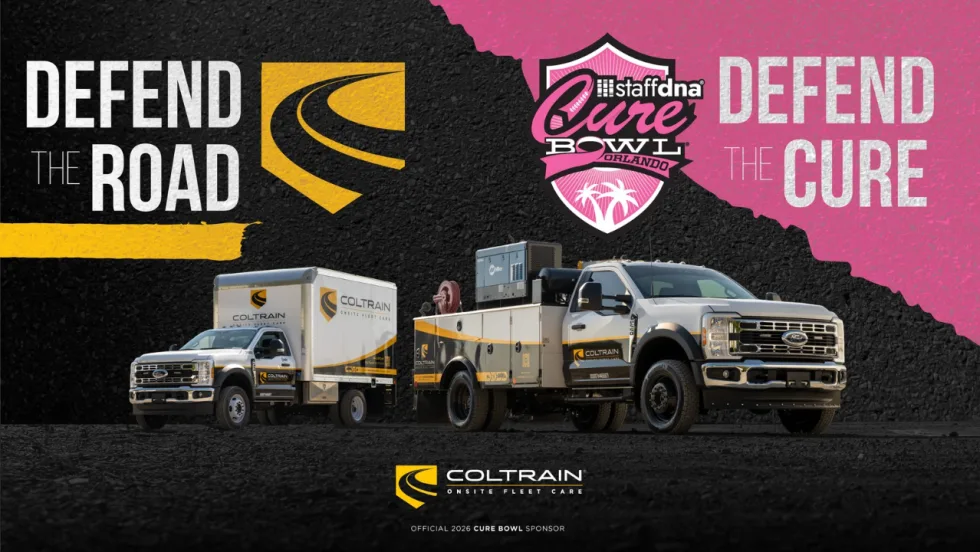
Coltrain Onsite Fleet Care Sponsors 2026 Cure Bowl to Support Cancer Research
The mobile fleet maintenance provider is supporting the annual college football bowl game, which has helped raise $6.83 million for cancer research since 2015.
Read More →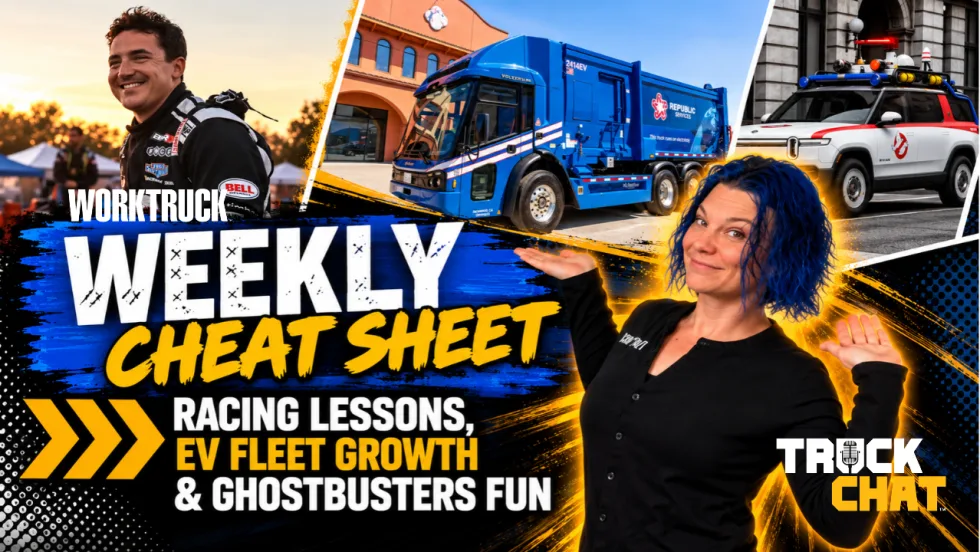
Racing Lessons, Electric Fleet Growth, and Ghostbusters Lead This Week's Work Truck News
Racing lessons for fleets, Republic Services' electric truck expansion, 40 years of fleet wisdom, truck trivia, autonomous yard trucks, and more headline this week's Truck Chat Cheat Sheet.
Read More →
A buyer's guide to fleet management software in 2027
Buying fleet management software in 2027 means looking beyond features and price. As fleet operations, technology and expectations evolve, this guide explores what today’s fleet professionals should consider when choosing a system that can deliver value now and adapt to what comes next.
Read More →
How to Build a Lasting Fleet Career by Staying Curious and Connected
Tina Kourakos never planned on a career in fleet. More than 30 years later, she says curiosity, strong relationships, and a willingness to keep learning helped turn an unexpected assignment into a career spanning fleet management and OEM leadership.
Read More →
Think You Know Trucks? Take Our 19-Question Fleet Trivia Challenge
From chicken lights to diesel engines and trucking history, test your knowledge with 19 questions from the 2026 Work Truck Exchange and Heavy Duty Trucking Exchange.
Read More →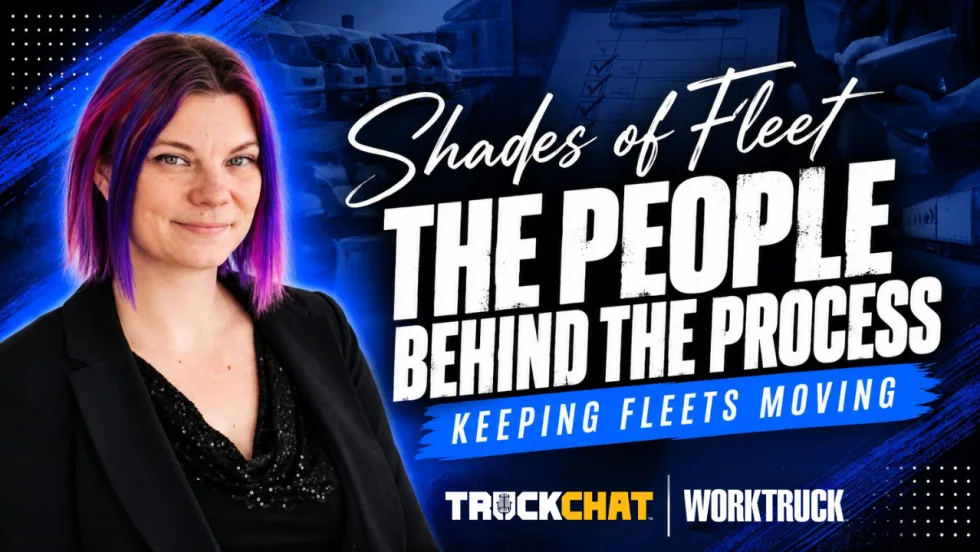
Where’s My Truck: Inside the Fleet Logistics Work Nobody Sees
Shades of Fleet video thumbnail featuring Lauren Fletcher beside the text “The People Behind the Process, Keeping Fleets Moving,” with fleet vehicles and logistics imagery in the background.
Read More →
Work Truck Seeks Fleet and Industry Insights on 2026 Trends and 2027 Forecasts
Work Truck is seeking insights from fleet leaders and industry partners on the trends that shaped 2026 and what commercial fleets should prepare for in 2027. Participate today!
Read More →