




U.S. Construction Update: Spending Beats Expectations
The increase was driven primarily by a severe shortage of houses for sale, which boosted spending on single-family homebuilding. Check out why this matters to fleet.

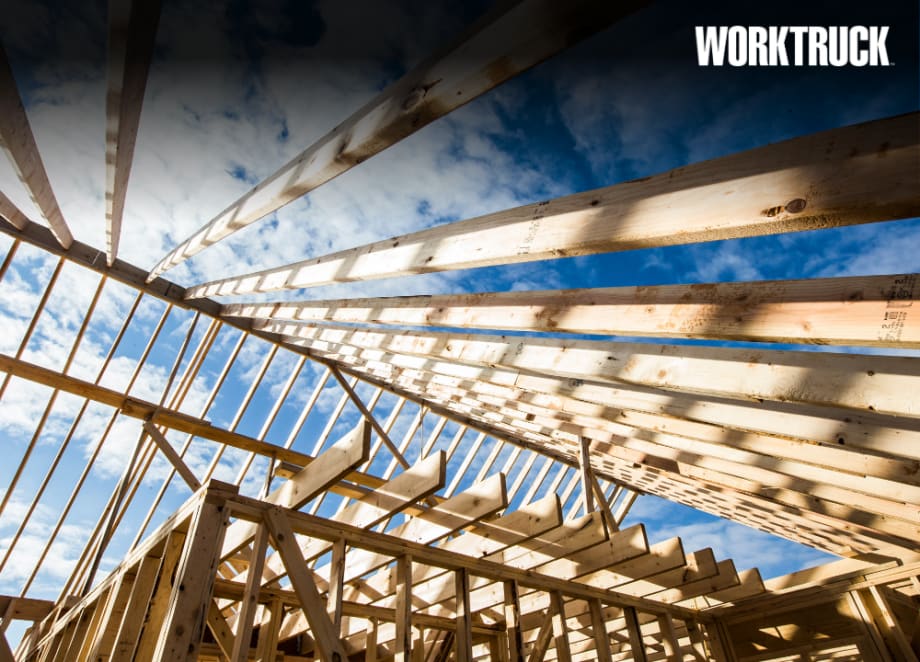
A rise in construction spending usually leads to a greater demand for commercial vehicles, which include specialized vehicles, trucks, and vans.
Photo: Work Truck
The Commerce Department announced that construction spending in the U.S. rose by 0.9% in May, surpassing economists' expectations of a 0.6% increase. According to data from Reuters, this increase was driven primarily by a severe shortage of houses for sale, which boosted spending on single-family homebuilding.
April had also seen a rise of 0.4%, indicating a positive trend. Year-on-year, construction spending increased by 2.4% in May.
Mid-2023 Construction Update
Investment in residential construction bounced back by 2.2% in May after a drop of 0.9% in the previous month. Spending on private construction projects increased by 1.1%, with a 1.7% acceleration in spending on single-family housing projects.
Despite the Federal Reserve's monetary policy tightening cycle since the 1980s affecting the housing market, the demand for single-family homes is driving construction, with housing starts soaring in May.
Meanwhile, the report revealed that spending on multi-family housing projects decreased by 0.1%, and spending on private non-residential structures like gas and oil well drilling fell by 0.3%. Public construction projects saw a slight increase of 0.1%, with state and local government spending rising by 0.4%, while outlays on federal government projects dropped by 2.5%.
Why Housing & Construction Matters to Commercial Fleets
The level of U.S. construction spending can indeed have an impact on the commercial and service fleet industry. Making a ripple effect through the industry, here are just a few impacts you might not have noticed before:
1. New-Vehicle Demand
Transporting materials, equipment, and workers is vital when constructing buildings, houses, bridges, roads, and other infrastructure. A rise in construction spending usually leads to a greater demand for commercial vehicles, which include specialized vehicles, trucks, and vans.
These vehicles are necessary for transporting construction materials, tools, and workers to and from construction sites. As construction spending increases, so does the demand for commercial vehicles in the fleet industry.
2. Fleet Expansion & Replacement
As construction spending rises, construction companies and contractors often seize the opportunity to expand their operations and satisfy the heightened demand for their services. This expansion typically entails procuring more vehicles for their fleet or upgrading existing ones with newer, more efficient models.
With multiple projects running concurrently, construction companies may need to bolster their fleet to adequately accommodate this increased workload, thereby driving up vehicle purchases from manufacturers or dealerships.
3. Vehicle Customization
In the construction industry, there is a need for specialized vehicles that can cater to specific tasks and equipment. This includes concrete mixers, dump trucks, cranes, and other specialized vehicles crucial for completing construction projects.
When construction spending rises, there is often a corresponding increase in the customization and specialization of commercial vehicles to meet the unique requirements of construction companies. As a result, there may be greater demand for customized vehicles and specialized equipment within the fleet industry.
4. Maintenance & Repair
As construction fleets expand and their vehicles age, the demand for maintenance and repair services naturally increases. This is where the commercial and service fleet industry comes into play, offering routine maintenance, repairs, and parts replacement for these vehicles.
With the surge in construction spending, there may also be an increase in the frequency and magnitude of maintenance and repair services, which can lead to new business prospects for fleet service providers.
5. Fuel & Energy
The fleet industry is a significant consumer of fuel and energy resources. Increasing construction activity, which leads to more vehicles on the road, can contribute to higher fuel consumption. Consequently, higher construction spending can impact the fleet industry's demand for fuel and energy resources, potentially affecting fuel prices and energy markets.
The relationship between construction spending and the fleet industry is interconnected but also influenced by various factors such as economic conditions, government policies, and market dynamics. Changes in construction spending levels can have ripple effects on the commercial and service fleet industry, shaping vehicle demand, customization trends, maintenance needs, and fuel consumption patterns.
More Operations

Family Ties Inside the Fleet Families Building Careers Across Generations
Three fleet families share what it really takes to work together, learn across generations, and keep business from following them home.
Read More →
Shades of Fleet Call for Voices: Fleet's Hidden Heroes
Fleet’s hidden heroes are often the ones keeping everything moving behind the scenes. September’s Shades of Fleet is looking for dispatchers, coordinators, parts specialists, and other support pros to share their stories.
Read More →
Truck Centers, Inc. Celebrates National Truck Driver Appreciation Week with $1,000 Fuel Card Giveaways
During National Truck Driver Appreciation Week, Truck Centers, Inc. is offering customers a chance to fuel up for free. Customers at all Truck Centers locations can enter to win one of four $1,000 fuel cards from Sept. 14 - 18.
Read More →
Fleet Guides, AI Time-Savers, Truck Tariffs & Fuel Strategy Lead the News
This week’s Truck Chat Cheat Sheet covers new fleet vehicle guides, practical AI use cases, U.S.-Canada truck production, mixed-energy strategy, and more.
Read More →
What Fleet Employers Are Missing When Hiring Veterans
What if some of the strongest candidates for fleet are already out there, but their experience is written in a language our industry does not always recognize?
Read More →
Automotive Fleet Opens 2026 Personal Use Survey for Commercial Fleet Managers
Less than two weeks left! Commercial and corporate fleet managers are invited to share how their organizations handle company vehicle personal-use policies, charges, and driver eligibility.
Read More →
What Resilient Fleets Do Differently When Conditions Change
Fleet resilience is about more than reacting to disruption. Lauren Fletcher talks with AP Fleet’s Alex Coveney about flexibility, planning, scaling, and what helps fleets adapt when business conditions shift.
Read More →
If We Want the Next Generation in Automotive, We Have to Give Them a Reason to Care
The automotive industry talks constantly about its workforce shortage. But before we can recruit the next generation, we may need to do a better job giving kids a reason to care about automotive in the first place.
Read More →
Ram ProMaster City Under $40K, Truck Tariffs, and AI Maintenance Lead the News
A sub-$40K commercial van, tariff questions, AI-powered maintenance, and a new EV production strategy headline this week’s Truck Chat Cheat Sheet.
Read More →
Bob Adamsky Shares the Fleet Lessons You Usually Learn the Hard Way
After more than 30 years in fleet, Arrow International’s Bob Adamsky has learned that the job is about far more than vehicles. He shares the lessons he wishes every fleet manager could learn a little earlier.
Read More →