




Trump’s Budget Slashes Vehicle Technology Funding
President Trump’s 2018 proposed budget slashes the Department of Energy’s Vehicle Technology program funding, reducing it by nearly 74%. The cuts include terminating funding for the Clean Cities program.

Photo via Max Pixel
Photo via Max Pixel
President Donald Trump’s 2018 proposed budget slashes the Department of Energy’s Vehicle Technology program funding, reducing it from $310 million in FY-2016 to just $82 million. The cuts include terminating funding for the Clean Cities program.
The cuts are part of President Trump’s $4.1 trillion budget proposal released on Tuesday. The Vehicle Technologies program funds early-stage, high-risk research to generate knowledge that industry can use to develop and deploy technologies for transportation.
Ken Brown, consultant for Transportation Energy Partners, a non-profit that works with Clean Cities coalitions, said Clean Cities is the only deployment initiative funded by the program, and that the majority of the Vehicle Technology group is focused on research and development of technologies such as batteries, advanced natural gas engines, and biofuels.
“Government-supported research has been key to advancing these technologies, so to see these proposed cuts really shows a lack of vision of what the future is,” he said.
The Congressional Budget Justification stated that the budget will support efforts to contribute to the DOE’s goals, including: research and development of advanced vehicle batteries; development of advanced engines to improve vehicle fuel economy; research of advanced materials to reduce vehicle weight; and creation of data analytics to improve energy efficiency of vehicles and overall mobility, including connected and autonomous vehicle technology.
The budget restructures some subgroups of Vehicle Technologies program and reduces funding for every subgroup. Subgroups losing large amounts of funding compared to FY-2016 are: Battery and Electrification Technologies by 74%, to $36.3 million; Materials Technology by 72% to $7.5 million; and Outreach, which includes Clean Cities.
The subprogram formerly named Outreach, Deployment, and Analysis has been separated into two subgroups: Outreach and Analysis. Funding for the previous subgroup was $48.4 million; funding for the new subgroups is $2 million each. For Outreach, funding will be used to provide minimal support for the statutorily required State and Alternative Fuel Provider Fleet Program, the Alternative Fuel Data Center, and the Fuel Economy Guide booklet only. All other activities funded in the former Outreach, Deployment, and Analysis subprogram (excluding Analysis) will be terminated to focus on early-stage research and development, according to the budget justification.
The budget goes Senate and House committees for review and revision, and those in the alternative-fuel vehicle space are working to make sure AFVs get their share of funding.
“I’m optimistic. The program has very strong bipartisan support in Congress amongst the leaders of the appropriations committees and subcommittees," Brown said. "It’s a little alarming and concerning to see the proposal but it’s going to be Congress that decides what the funding levels will be, and we’ll be working with Congress to get their support.”
Originally posted on Automotive Fleet
More Green Fleet

Fleet Forward Conference Introduces One-Day Passes for 2026
New one-day registration gives fleet professionals the flexibility to attend Tuesday, Wednesday, or Thursday, with passes available for $199 through Sept. 18.
Read More →
CALSTART Rebrands as Catalyst Mobility, Will Combine with Forth in 2027
CALSTART has rebranded as Catalyst Mobility and will combine with Forth at the start of 2027. The new organization said it is poised to become one of the world's largest, strongest, and most impactful clean transportation nonprofits.
Read More →
Electric Truck and Charging Programs to Boost Sustainability at NY & NJ Ports
Together, the Port Authority of New York and New Jersey and CALSTART will electrify drayage and terminal operations serving the East Coast’s busiest container port. A pair of incentive programs totaling $45 million has launched to accelerate adoption of zero-emission drayage trucks and terminal tractors.
Read More →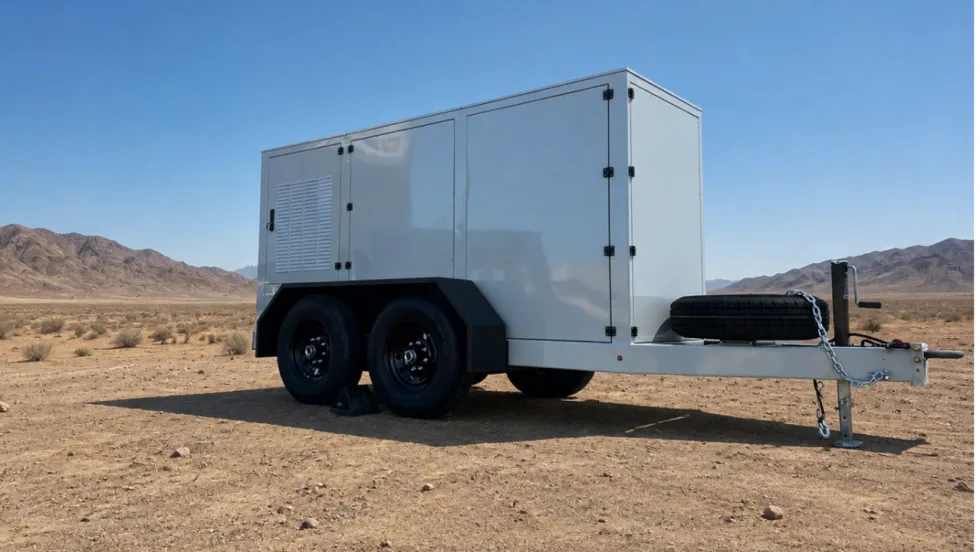
Xos Hub Surpasses One Gigawatt-Hour of Energy Delivered in the Field
A single Xos Hub has surpassed one gigawatt-hour of energy across more than 33,600 charging sessions in the field, demonstrating performance that supports Xos' expansion across new products and markets.
Read More →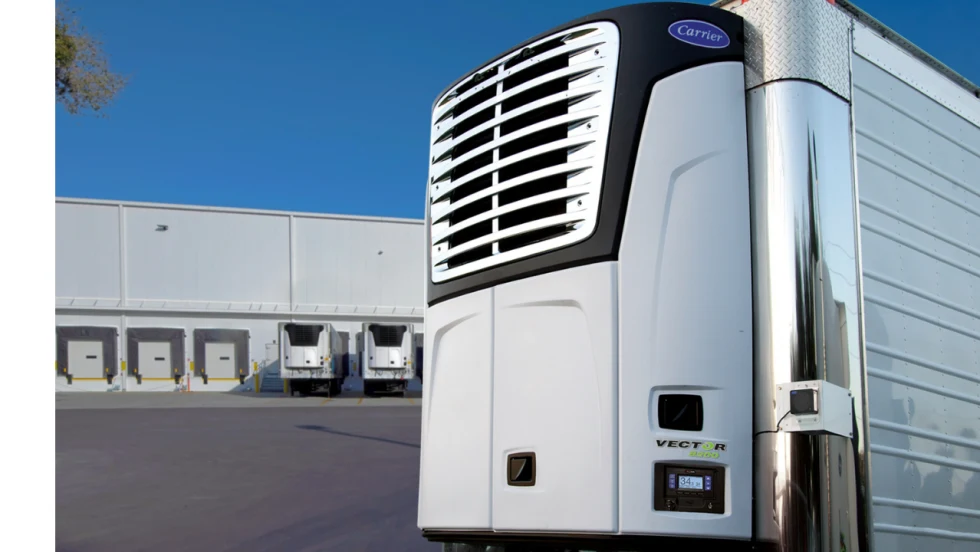
Carrier Transicold Launches All-Electric Vector 8200 TRU for Diesel-Free On-Site Cold Storage
Carrier Transicold’s first engineless multi-temperature TRU helps fresh- and frozen-food fleets add supplemental cold storage capacity during seasonal peaks.
Read More →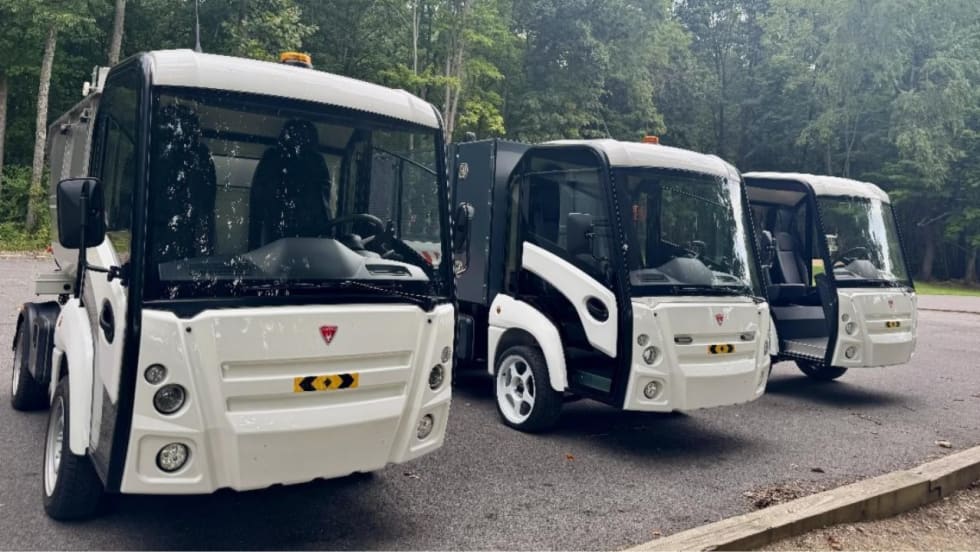
Narro Trucks Introduces Electric Utility Vehicle
Narro Trucks officially launched its operations on Aug. 20 and hosted a ride and drive to showcase its electric truck, which will be produced in Virginia.
Read More →
Samsung SDI Takes Full Control of GM Battery JV as Indiana Plant Pivots to Energy Storage
Samsung SDI is taking full control of its Indiana battery plant with GM, marking a major shift from the EV-focused joint venture Charged Fleet first covered in 2023.
Read More →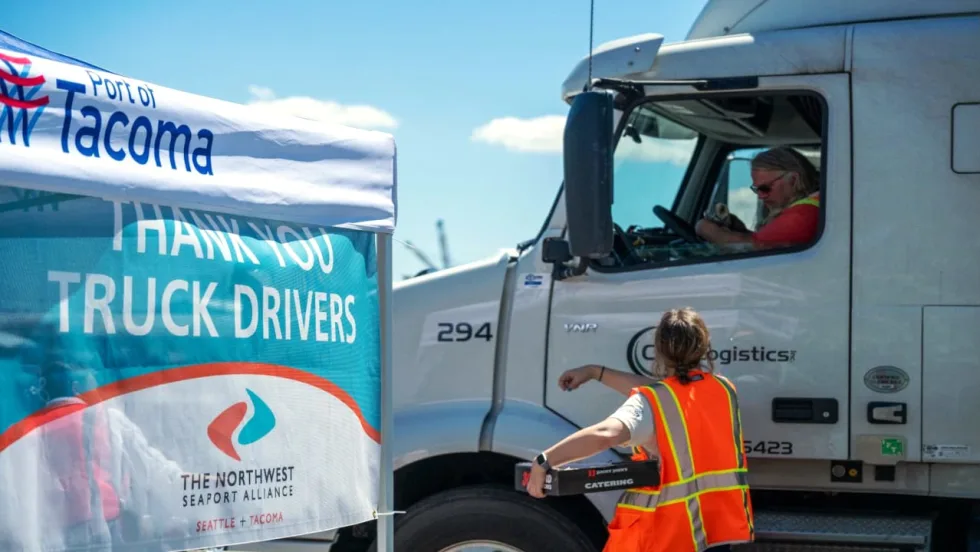
NWSA Taps CALSTART to Administer Zero-Emission Drayage Assistance Program
CALSTART will provide free technical assistance services to drayage fleets serving the Ports of Seattle and Tacoma and looking to transition to cleaner technologies and help decarbonize freight hubs.
Read More →
EV Fleet Reality Check: What Operators Wish They Knew Before Electrifying Their Work Vans
Electric work truck upfits bring new compatibility questions. Learn how parts availability, OEM guidance, power demands, and route planning can affect fleet performance.
Read More →
Peterbilt Expands Sourcewell Partnership with Electric Vehicle Lineup
Peterbilt Motors Company’s cooperative purchasing agreement with Sourcewell and its Canadian partner, Canoe Procurement Group, now includes including Peterbilt's battery-electric vehicle lineup.
Read More →