





Is the Future of Vehicle Propulsion Certain? We Think Not. READ MORE!
TRALA Files Amicus Brief in Texas v. EPA Case
TRALA asks the U.S. Court of Appeals for the District of Columbia Circuit Court to rule in favor of the State of Texas and other petitioners.
November 16, 2022
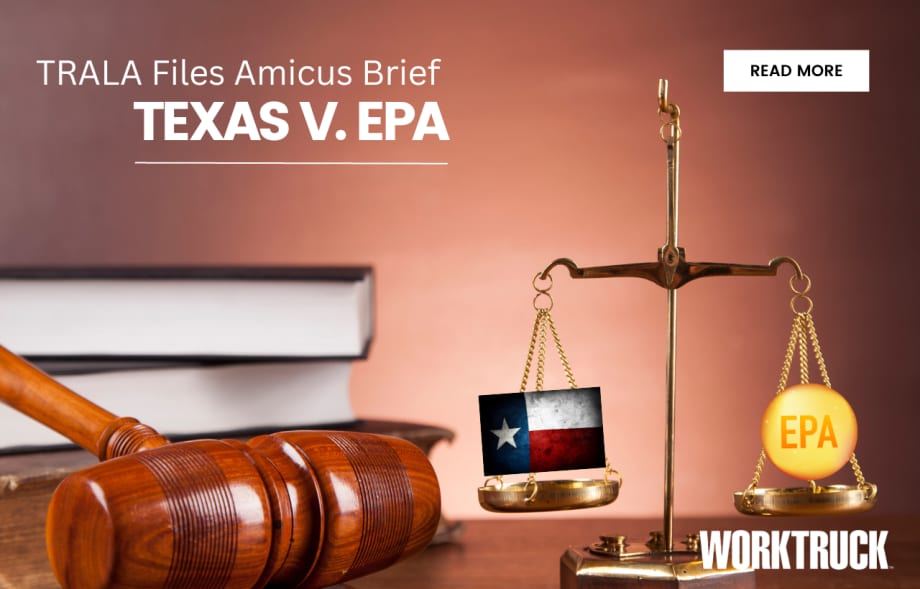
TRALA points out in its brief that the EPA exceeded its statutory authority.
Photo: Work Truck
3 min to read
The Truck Renting and Leasing Association (TRALA) filed an amicus brief in support of the State of Texas and other petitioners in opposition to the Environmental Protection Agency's (EPA) plan to essentially mandate electric vehicles in the U.S. through its “Revised 2023 and Later Model Year Light-Duty Vehicle Greenhouse Gas Emissions Standards,” published in the Federal Register on December 30, 2021.
Of top concern? The Brief notes the "EPA readily admitted that it was focusing only on 'private vehicle ownership and use.' " The main points made in the brief include:
EPA lacks statutory authority to promulgate the Electric Vehicle Requirement.
The Electric Vehicle Requirement is arbitrary and capricious.
TRALA's Argument Against the EPA
According to a release from TRALA, all of EPA’s previous greenhouse gas rules under Section 202 had been promulgated jointly with the National Highway Transportation Safety Administration (NHTSA) because there is a direct and universally acknowledged relationship between vehicular carbon-dioxide emissions and fuel economy. In this case, EPA acted separately for the first time, so it could avoid the express statutory prohibition on NHTSA from considering electric vehicles, (42 U.S.C. § 32902(h)).
The EPA came up with its own interpretation of why it could do this and moved forward by setting extremely stringent standards and effectively eliminating all viable compliance options but one—electrification. This is essentially a de-facto electric vehicle mandate. The EPA estimates the price tag to be between $180 to $300 billion, making this the most expensive regulatory change in U.S. history.
TRALA points out in its brief that the EPA exceeded its statutory authority. Under the major questions doctrine, when a rule implicates issues of vast economic or political significance, Congress must have oversight. The U.S. Supreme Court ruled as such in EPA v. West Virginia earlier this year. TRALA also points to the fact that the EPA lacks the expertise in energy infrastructure and innovation with respect to motor vehicles and thus, Congress would not cede its authority to a governmental agency such as the EPA for a rule that impacts the vehicle industry so greatly.
Given the lack of electric infrastructure, the impact to the truck renting and leasing industry (as well as other vehicle industries), and the fact that Congress played no part or oversight in the rule itself, TRALA asks the U.S. Court of Appeals for the District of Columbia Circuit Court to rule in favor of the State of Texas and other petitioners.
The brief called "the Electric Vehicle Requirement is arbitrary and capricious," adding " EPA also ignored the effect of electrification on ordinary Americans’ ability to make a living in an area that best suits their needs and values and the rental and leasing industry." It concludes clearly, stating that, "For these reasons, the court should grant the petitions for review and hold the Electric Vehicle Requirement unlawful and void."
View a copy of TRALA’s amicus brief here.
Want more? Stay up-to-date on the latest and top regulatory information impacting work truck fleets by registering today for Bobit Connect.
More Operations
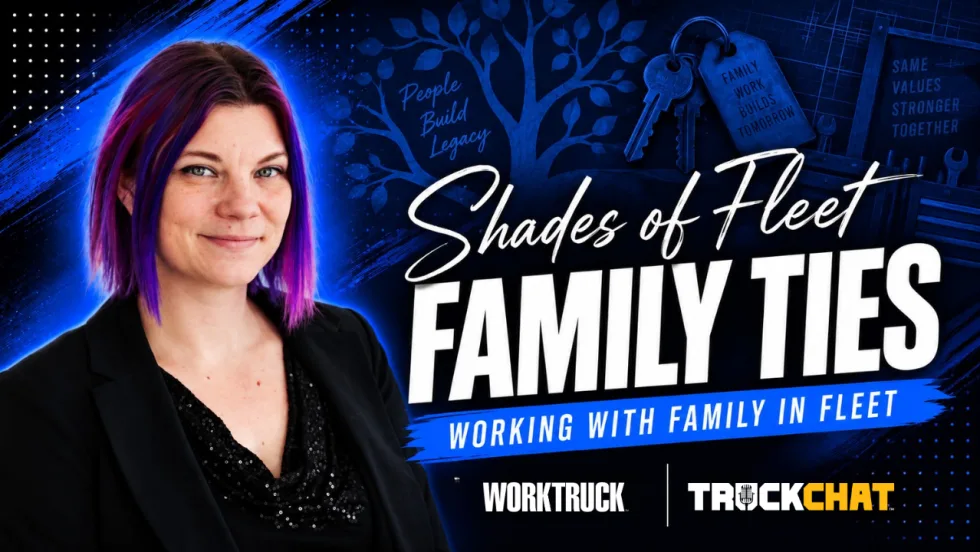
Family Ties Inside the Fleet Families Building Careers Across Generations
Three fleet families share what it really takes to work together, learn across generations, and keep business from following them home.
Read More →
Shades of Fleet Call for Voices: Fleet's Hidden Heroes
Fleet’s hidden heroes are often the ones keeping everything moving behind the scenes. September’s Shades of Fleet is looking for dispatchers, coordinators, parts specialists, and other support pros to share their stories.
Read More →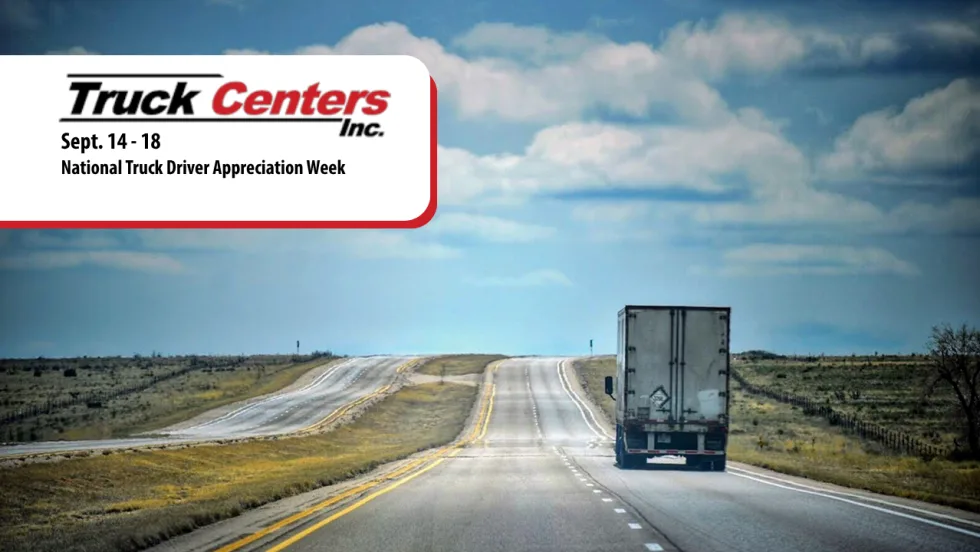
Truck Centers, Inc. Celebrates National Truck Driver Appreciation Week with $1,000 Fuel Card Giveaways
During National Truck Driver Appreciation Week, Truck Centers, Inc. is offering customers a chance to fuel up for free. Customers at all Truck Centers locations can enter to win one of four $1,000 fuel cards from Sept. 14 - 18.
Read More →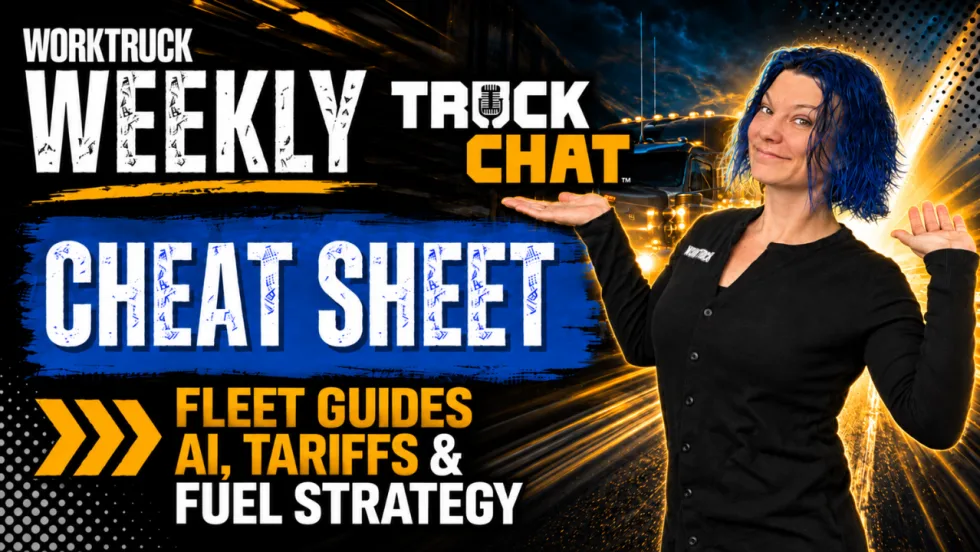
Fleet Guides, AI Time-Savers, Truck Tariffs & Fuel Strategy Lead the News
This week’s Truck Chat Cheat Sheet covers new fleet vehicle guides, practical AI use cases, U.S.-Canada truck production, mixed-energy strategy, and more.
Read More →
What Fleet Employers Are Missing When Hiring Veterans
What if some of the strongest candidates for fleet are already out there, but their experience is written in a language our industry does not always recognize?
Read More →
Automotive Fleet Opens 2026 Personal Use Survey for Commercial Fleet Managers
Less than two weeks left! Commercial and corporate fleet managers are invited to share how their organizations handle company vehicle personal-use policies, charges, and driver eligibility.
Read More →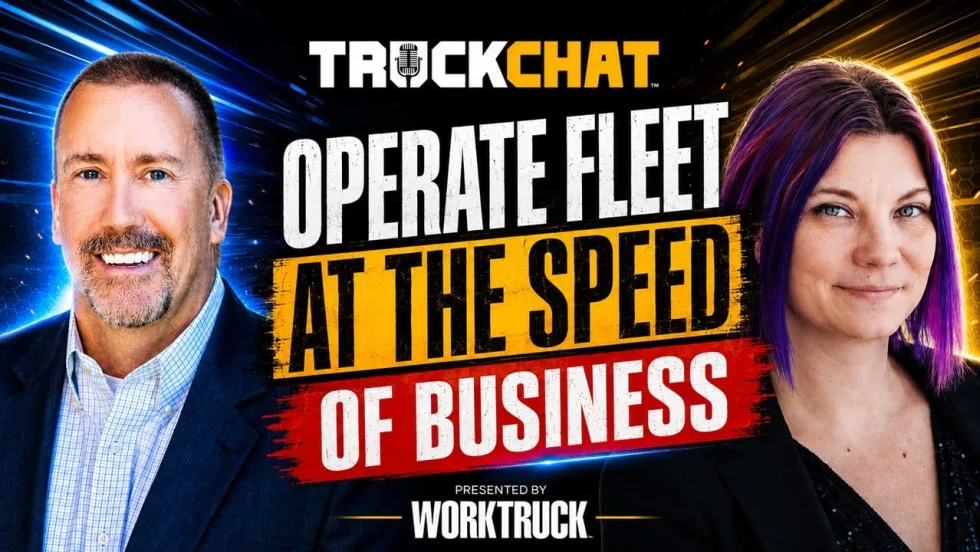
What Resilient Fleets Do Differently When Conditions Change
Fleet resilience is about more than reacting to disruption. Lauren Fletcher talks with AP Fleet’s Alex Coveney about flexibility, planning, scaling, and what helps fleets adapt when business conditions shift.
Read More →
If We Want the Next Generation in Automotive, We Have to Give Them a Reason to Care
The automotive industry talks constantly about its workforce shortage. But before we can recruit the next generation, we may need to do a better job giving kids a reason to care about automotive in the first place.
Read More →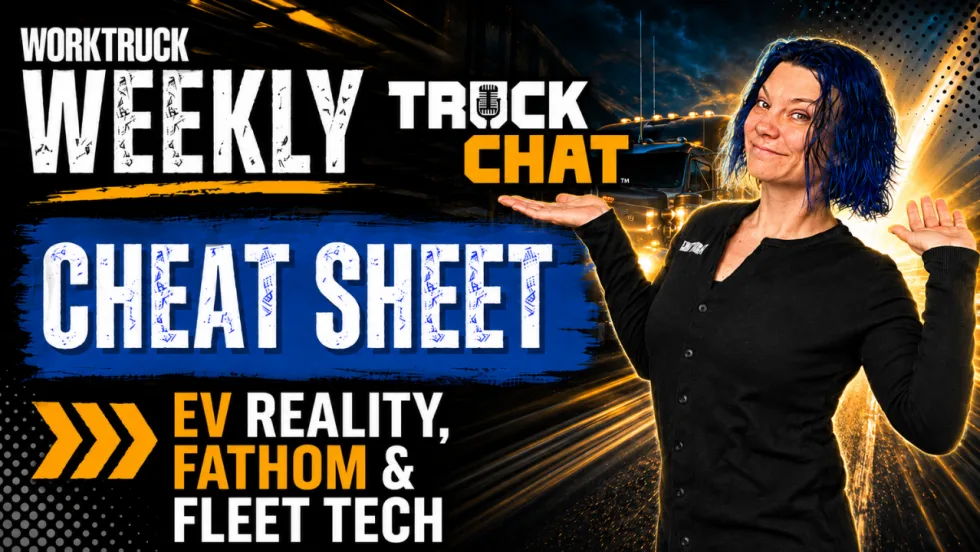
Ram ProMaster City Under $40K, Truck Tariffs, and AI Maintenance Lead the News
A sub-$40K commercial van, tariff questions, AI-powered maintenance, and a new EV production strategy headline this week’s Truck Chat Cheat Sheet.
Read More →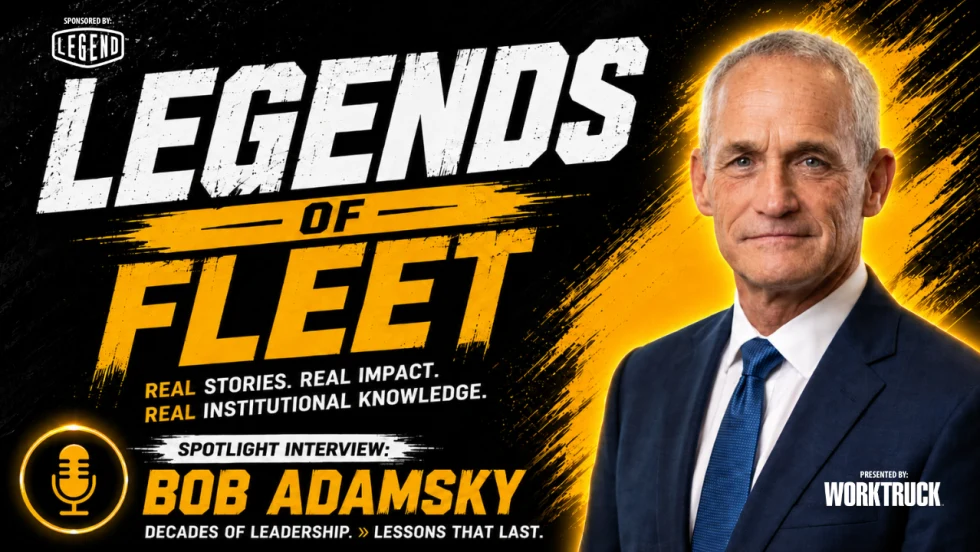
Bob Adamsky Shares the Fleet Lessons You Usually Learn the Hard Way
After more than 30 years in fleet, Arrow International’s Bob Adamsky has learned that the job is about far more than vehicles. He shares the lessons he wishes every fleet manager could learn a little earlier.
Read More →