




Toyota Unveils 300-Mile Hydro Fuel Cell Car
Toyota Motor Sales will produce a hydrogen fuel-cell electric car for the 2015 model year with a 300-mile range that will initially debut in California, the automaker announced at the Consumer Electronics Show.
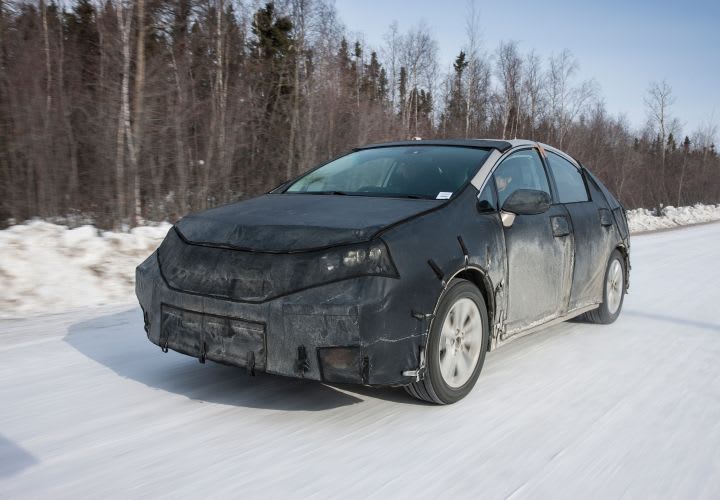
Photo courtesy of Toyota.
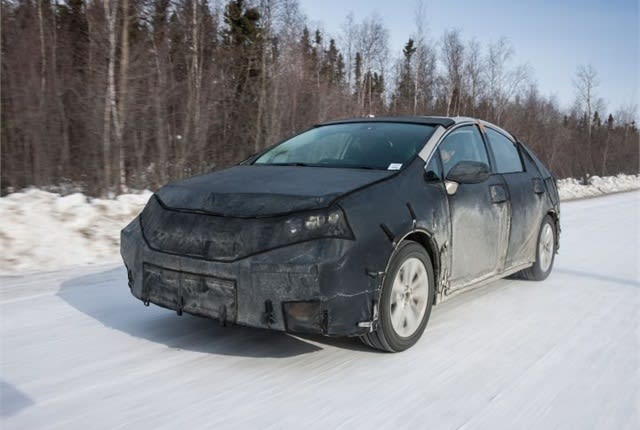
Photo courtesy of Toyota.
Toyota Motor Sales will produce a hydrogen fuel-cell electric car for the 2015 model year with a 300-mile range that will initially debut in California, the automaker announced at the Consumer Electronics Show.
Toyota showed its FCV concept mid-size sedan as well as a camouflage-taped engineering prototype it has been using for testing in North America for more than a year.
The automaker plans to launch the vehicle in California because that state has approved $200 million to build hydrogen fuel-cell fueling stations starting in 2015.
"Fuel cell electric vehicles will be in our future sooner than many people believe, and in much greater numbers than anyone expected," said Bob Carter, Toyota's senior vice president of automotive operations, at CES on Monday.
The engineering prototype has "consistently delivered a driving range of about 300 miles and zero-to-sizty acceleration of about 10 seconds with no emissions other than water vapor," according to Toyota. Refueling of its hydrogen tanks takes three to five minutes.
The FCV's hydrogen powertrain produces more than 100 kilowatts, which is enough to power a house for a week in an emergency.
Toyota is working with the University of California Irvine's Advanced Power and Energy Program to help map out potential locations for new hydrogen fueling stations that would allow a FCV owner to reach a station within six minutes.
Toyota expects 20 new stations in the state by 2015, 40 stations by 2016, and as many as 100 by 2024. "Stay tuned, because this infrastructure thing is going to happen," Carter added.
Originally posted on Automotive Fleet
More Small Fleet


Developing Budget-Friendly Driver Safety Programs
From driver training and safety meetings to one-on-one coaching and incentive programs, several small fleets share how they have developed a safety culture with their drivers using low- to no-cost resources.
Read More →
Boosting Last-Mile Fleet Uptime, Safety, and Value with AI Vehicle Inspections
AI-powered inspections are transforming last-mile fleets by replacing manual checks with highly accurate automated scans that detect defects in seconds. By giving fleet operations visibility into the daily condition of their vehicles, you can identify trends over the vehicle’s lifecycle that enable improved procurement decisions, route management, driver training and accountability.
Read More →
Five Ways Seat Belts Help Prevent Injuries
There are five ways seat belts protect occupants from injuries, according to the Tennessee Department of Safety and Homeland Security.
Read More →
It’s here: The 2026 Fleet Technology Trends Report
What does AI mean for fleets? Get the answer — and learn other top tech trends.
Read More →
Small Fleets, Big Impact: How Independent Drivers Power Wreaths Across America
Check out how small fleets and independent drivers power Wreaths Across America each December and why their impact matters more than ever.
Read More →
VMS Survey Finds 65% of Small Fleet Managers Run Operations Alone
A new VMS survey shows small fleet managers are stretched thin, with most handling operations solo and eager to adopt digital tools for relief.
Read More →
Tips for Driving Safely on Halloween Night
This video features a reminder from the Connecticut Department of Transportation (DOT) and the Connecticut Police Chiefs Association, urging drivers to prioritize safety this Halloween.
Read More →
AI, Access, and Uptime: VMS’s Next Chapter with David Prusinski
VMS’s new Co-CEO, David Prusinski, shares how an AI-first approach will give small fleets and repair shops the tools to compete like big players.
Read More →
Fleet Managers Share Winter Prep Tips: It's Never Too Early!
Three fleets share best practices to prep vehicles for winter and prevent downtime when the cold sets in.
Read More →