




Related Photos: Toyota's 2016 Prius Hybrid
Toyota Details Next-Gen 2016 Prius Technology
Toyota's 2016 Prius features significant under-the-hood improvements, boosting fuel economy and efficiency.
by Staff
October 14, 2015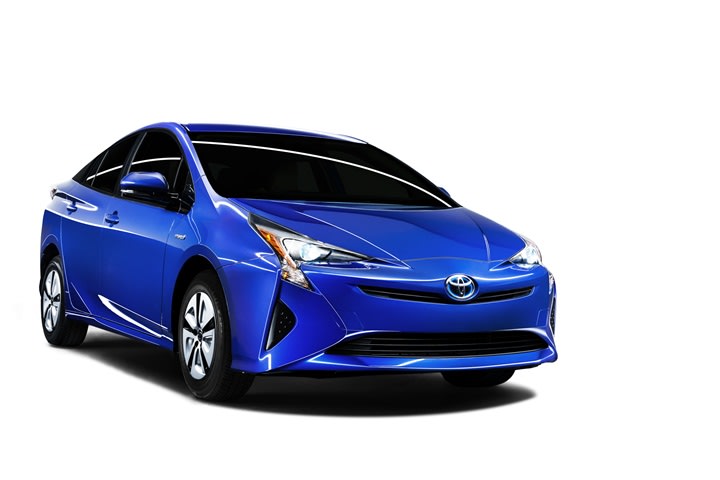
Photo of 2016 Prius courtesy of Toyota.
2 min to read
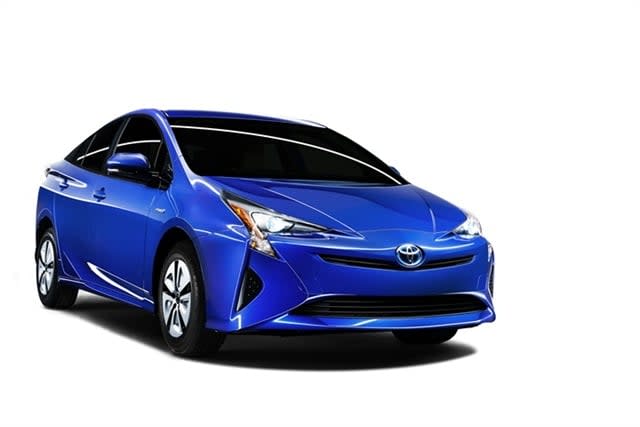
Photo of 2016 Prius courtesy of Toyota.
Toyota's redesigned 2016 Prius features under-the-hood improvements that boost fuel economy and efficiency. Toyota has made extensive changes to the engine, hybrid drive system, and vehicle batteries that should improve EPA-estimated mpg by 10 percent on core models. The Eco model that will achieve an even greater improvement, according to the automaker.
The 2016 Prius is powered in part by a 1.8-liter VVT-i gasoline engine that has been re-engineered. The new engine achieves maximum thermal efficiency of 40 percent. This improvement was enabled in part through the use of a large-volume exhaust gas recirculation (EGR) system and improvements in combustion efficiency, according to a press release by Toyota.
Fuel efficiency is also boosted by improvements to heating performance. An active grille shutter has been added to open and close the grille, as necessary, in response to outside temperatures. The exhaust heat recirculation system has also been improved and made more compact.
Cold weather fuel efficiency has also been improved by introducing an engine coolant selector valve and adding a new system which accelerates engine heating.
The transaxle and motor have been redesigned, delivering a reduction in their combined weight. The motor itself is considerably more compact and gains a better power-to-weight ratio.
There is a 20 percent reduction in mechanical losses through friction compared to the previous model, according to Toyota.
The use of a loss-reduction device in the power control unit cuts losses by about 20 percent. The unit can now be positioned directly above the transaxle.
The new Prius will be available with either a new lithium-ion or a new nickel-metal hydride hybrid battery. While the batteries use established technology, Toyota has increased their energy density, which means more power can be obtained from a smaller unit. This allows the battery to be relocated beneath the rear seat, increasing cargo space.
New updates to the hybrid system's software improve the feel of acceleration, giving a smooth and direct response in a lower rpm range. To improve brake feel and reduce noise, the all-new Prius utilizes a newly-developed active hydraulic booster for its regenerative brakes.
The new Prius will offer the Toyota Safety Sense P package that includes a pre-collision system with pedestrian detection. The system uses a millimeter-wave radar and a single-lens camera with integrated control to detect both cars and pedestrians. The package also comes with full-speed dynamic radar cruise control.
Drivers can also receive parking assistance with the intelligent parking assist, which uses ultrasonic sensors to detect surrounding objects and identify parking spaces.
Originally posted on Automotive Fleet
More Small Fleet


Developing Budget-Friendly Driver Safety Programs
From driver training and safety meetings to one-on-one coaching and incentive programs, several small fleets share how they have developed a safety culture with their drivers using low- to no-cost resources.
Read More →
Sponsored•March 9, 2026
Boosting Last-Mile Fleet Uptime, Safety, and Value with AI Vehicle Inspections
AI-powered inspections are transforming last-mile fleets by replacing manual checks with highly accurate automated scans that detect defects in seconds. By giving fleet operations visibility into the daily condition of their vehicles, you can identify trends over the vehicle’s lifecycle that enable improved procurement decisions, route management, driver training and accountability.
Read More →
Five Ways Seat Belts Help Prevent Injuries
There are five ways seat belts protect occupants from injuries, according to the Tennessee Department of Safety and Homeland Security.
Read More →
Sponsored•January 14, 2026
It’s here: The 2026 Fleet Technology Trends Report
What does AI mean for fleets? Get the answer — and learn other top tech trends.
Read More →
Small Fleets, Big Impact: How Independent Drivers Power Wreaths Across America
Check out how small fleets and independent drivers power Wreaths Across America each December and why their impact matters more than ever.
Read More →
VMS Survey Finds 65% of Small Fleet Managers Run Operations Alone
A new VMS survey shows small fleet managers are stretched thin, with most handling operations solo and eager to adopt digital tools for relief.
Read More →
Tips for Driving Safely on Halloween Night
This video features a reminder from the Connecticut Department of Transportation (DOT) and the Connecticut Police Chiefs Association, urging drivers to prioritize safety this Halloween.
Read More →
AI, Access, and Uptime: VMS’s Next Chapter with David Prusinski
VMS’s new Co-CEO, David Prusinski, shares how an AI-first approach will give small fleets and repair shops the tools to compete like big players.
Read More →
Fleet Managers Share Winter Prep Tips: It's Never Too Early!
Three fleets share best practices to prep vehicles for winter and prevent downtime when the cold sets in.
Read More →