




Related Video: What an Exploding Takata Air Bag Looks Like
Takata Civil Penalty Could Reach $200M
The safety system supplier has reached a settlement with the National Highway Traffic Safety Administration, and more air bag inflator recalls may be in the offing.
by Staff
November 3, 2015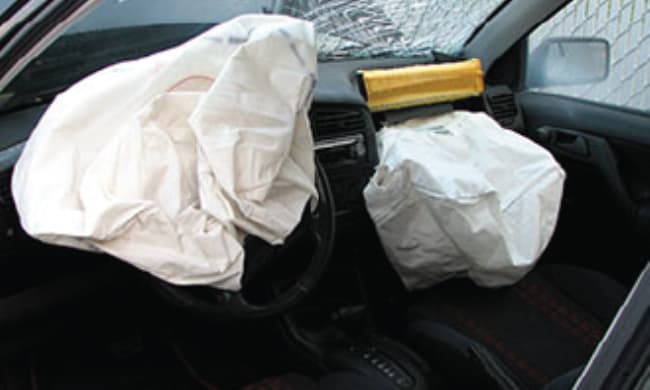
Photo courtesy of NHTSA.
3 min to read
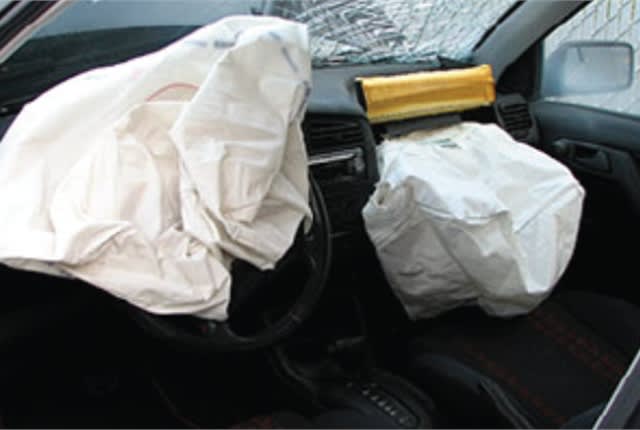
Photo courtesy of NHTSA.
The National Highway Traffic Safety Administration has imposed a potentially record-setting civil penalty of $200 million on auto safety system supplier Takata for violations of the Motor Vehicle Safety Act.
Of the $200 million, $70 million is payable in cash. An additional $130 million will become due if Takata fails to meet its commitments spelled out in a consent order or if NHTSA discovers additional Safety Act violations, the agency announced.
In accordance with the consent order, Takata has filed with NHTSA four defect information reports that raise the possibility of expanded recalls covering several types of driver-side and passenger-side air bag inflators.
Current recalls involve about 19 million vehicles from 12 different manufacturers.
The consent order also requires the company to phase out the manufacture and sale of air bag inflators that use phase-stabilized ammonium nitrate propellant. The chemical compound is believed to be a factor in air bag inflator ruptures responsible for seven deaths and nearly 100 injuries in the U.S.
As part of the settlement, Takata has admitted that it was aware of a safety defect but failed to issue a timely recall – a violation of the Motor Vehicle Safety Act. As a result, Takata will be subject to unprecedented oversight for the next five years, NHTSA said.
NHTSA also contends that Takata repeatedly provided inaccurate information to federal regulators and automakers, dating back to at least 2009.
“NHTSA does not have confidence in the long-term performance of Takata-made inflators using phase-stabilized ammonium nitrate propellant, particularly those without desiccant (a chemical additive that combats the effects of moisture),” NHTSA said in a released summary of the consent order.
The order prohibits Takata from entering into any new contracts with automakers for the sale of inflators using phase-stabilized ammonium nitrate. The company must complete its phase-out of supplying ammonium nitrate inflators by the end of 2018.
But NHTSA also might alter the phase-out schedule, if necessary, to “protect the public from an unreasonable risk to safety,” the agency said.
“We are pleased to have reached this agreement with NHTSA, which presents a clear path forward to advancing safety and restoring the trust of automakers and the driving public,” said Shigehisa Takada, CEO of Takata Corp. “We have worked extensively with NHTSA and our automaker customers over the past year to collect and analyze a multitude of testing data in an effort to support actions that work for all parties and, most importantly, advance driver safety.”
Headquartered in Tokyo, Takata operates an American subsidiary in Auburn Hills, Mich., called TK Holdings.
An independent monitor, selected by NHTSA, will oversee Takata’s compliance with the phase-out schedule and other requirements. The monitor will also help NHTSA supervise the recall remedy program.
NHTSA said it will use its authority to both speed and prioritize the Takata recalls.
“We are accelerating Takata recalls to get safe air bags into American vehicles more quickly, ensuring that consumers at the greatest risk are protected and addressing the long-term risk of Takata’s use of a suspect propellant,” said NHTSA Administrator Mark Rosekind.
Separately, NHTSA ordered Takata and the 12 automakers involved in existing Takata recalls to prioritize their own remedy programs based on risk.
Automakers must ensure they have enough replacement parts on hand to meet demand for the highest-risk inflators by June 2016. They also must provide final remedies for all vehicles, including those that will receive interim remedies because of supply and design issues, by the end of 2019, NHTSA said.
Takata has agreed to continue internal testing to determine the safety and service life of non-desiccated phase-stabilized ammonium nitrate-based inflators. The company will also begin testing inflators with desiccant. NHTSA can order additional safety recalls based on future field ruptures, test data results or other evidence that raises safety concerns.
Takata pledged to “work with its automotive customers to develop plans for reaching out to vehicle owners in order to maximize recall completion rates.”
Originally posted on Automotive Fleet
More Small Fleet

Developing Budget-Friendly Driver Safety Programs
From driver training and safety meetings to one-on-one coaching and incentive programs, several small fleets share how they have developed a safety culture with their drivers using low- to no-cost resources.
Read More →
Sponsored•March 9, 2026
Boosting Last-Mile Fleet Uptime, Safety, and Value with AI Vehicle Inspections
AI-powered inspections are transforming last-mile fleets by replacing manual checks with highly accurate automated scans that detect defects in seconds. By giving fleet operations visibility into the daily condition of their vehicles, you can identify trends over the vehicle’s lifecycle that enable improved procurement decisions, route management, driver training and accountability.
Read More →

Five Ways Seat Belts Help Prevent Injuries
There are five ways seat belts protect occupants from injuries, according to the Tennessee Department of Safety and Homeland Security.
Read More →
Sponsored•January 19, 2026
Basic Tracking vs Next Generation Fleet Technology
Fleet software is getting more sophisticated and effective than ever, tying big data models together to transform maintenance, safety, and the value of your existing tech stack. Fleet technology upgrades are undoubtedly an investment, but updated technology can offer a much higher return. Read how upgrading your fleet technology can increase the return on your investment.
Read More →
Sponsored•January 14, 2026
It’s here: The 2026 Fleet Technology Trends Report
What does AI mean for fleets? Get the answer — and learn other top tech trends.
Read More →
Small Fleets, Big Impact: How Independent Drivers Power Wreaths Across America
Check out how small fleets and independent drivers power Wreaths Across America each December and why their impact matters more than ever.
Read More →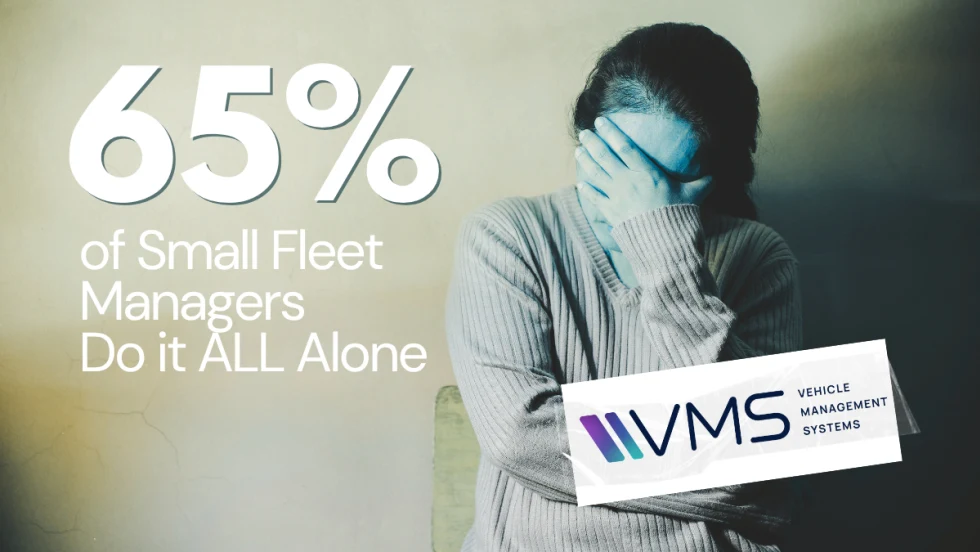
VMS Survey Finds 65% of Small Fleet Managers Run Operations Alone
A new VMS survey shows small fleet managers are stretched thin, with most handling operations solo and eager to adopt digital tools for relief.
Read More →
Tips for Driving Safely on Halloween Night
This video features a reminder from the Connecticut Department of Transportation (DOT) and the Connecticut Police Chiefs Association, urging drivers to prioritize safety this Halloween.
Read More →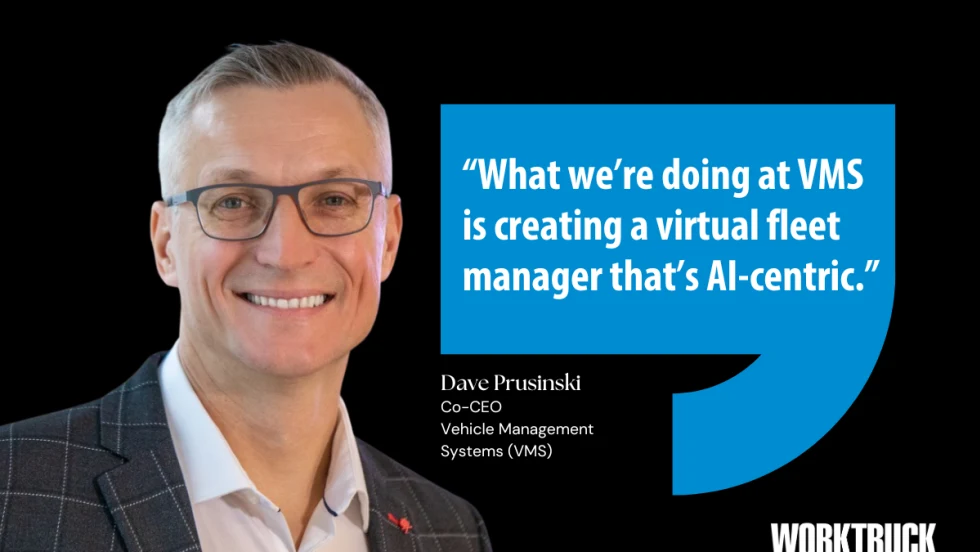
AI, Access, and Uptime: VMS’s Next Chapter with David Prusinski
VMS’s new Co-CEO, David Prusinski, shares how an AI-first approach will give small fleets and repair shops the tools to compete like big players.
Read More →