





Geotab Report Shows Electric Trucks are Viable for Medium-Duty Fleets
Study Shows Increasing Pressure for Sustainability in the Transportation Sector
Survey finds U.S. fleets are feeling pressure to address climate change and increase sustainability, using data insights & AI models to improve operations. Learn more!
May 9, 2024

Fleet professionals are optimistic about the support structures in place and their ability to advance sustainable operations.
Photo: Work Truck
2 min to read
Geotab Inc., in collaboration with Bobit's Research Group, surveyed U.S. fleet professionals.
The survey aimed to assess how organizations in the transportation sector are progressing in their sustainability plans given increasing pressure to address climate change.
Business Costs Continue to Rise
The survey found that while business costs continue to rise, more large U.S. fleets are setting environmentally focused goals to align with customer preferences and regulations, and to offset increasing expenses.
However, the challenges for the industry are clear:
87% anticipate an increase in their business costs throughout 2024.
42% of fleet professionals believe customers will demand more fleet sustainability initiatives in the next 1-3 years to continue doing business with them.
39% indicate new vehicles as the largest portion of their costs.
28% report vehicle maintenance, and 15% report fuel costs as the biggest driver of cost.
Leveraging Data Insights and AI Models for Sustainability Operations
Fleet managers are leveraging data insights alongside the growing integration of AI models. Trusted data intelligence enables better decision-making to improve fleet sustainability operations, performance, and cost management.
The survey found that:
60% found data intelligence critical to reducing operational costs through better maintenance and scheduling.
31% are using data insights to measure and track sustainability progress.
41% found data intelligence helpful in determining driving behavior that contributes to more sustainable practices, such as reducing idling and route planning.
The survey also found that strong support structures are advancing sustainability.
Fleet professionals are optimistic about the support structures in place and their ability to advance sustainable operations. Key findings include:
84% report company leadership that supports progress on sustainability goals.
68% report feeling adequately equipped with data intelligence tools.
67% feel positive about the availability of requisite training and education.
How Effective are Fleet Sustainability Plans?
Building upon prior findings, a comparative analysis with a survey from 2023 highlights the effectiveness of sustainability plans. A remarkable 69% of fleet managers who implemented these initiatives reported a significant decrease in operating expenses over the previous year.
Last year, 54% of fleets surveyed already had EVs in their fleet or on order. As that transition continues, trusted data intelligence will be critical to the management of those vehicles, and to accelerate ROI.
“Sustainable fleet transformation includes switching to low- and zero-emission vehicles, and extends to adopting a measured approach that helps organizations optimize operations. Data is core to unlocking those insights– including reducing idling and instituting better routing and driving practices,” said Charlotte Argue, Geotab’s Senior Manager of Sustainable Mobility.
More Green Fleet

Fleet Forward Conference Introduces One-Day Passes for 2026
New one-day registration gives fleet professionals the flexibility to attend Tuesday, Wednesday, or Thursday, with passes available for $199 through Sept. 18.
Read More →
CALSTART Rebrands as Catalyst Mobility, Will Combine with Forth in 2027
CALSTART has rebranded as Catalyst Mobility and will combine with Forth at the start of 2027. The new organization said it is poised to become one of the world's largest, strongest, and most impactful clean transportation nonprofits.
Read More →
Electric Truck and Charging Programs to Boost Sustainability at NY & NJ Ports
Together, the Port Authority of New York and New Jersey and CALSTART will electrify drayage and terminal operations serving the East Coast’s busiest container port. A pair of incentive programs totaling $45 million has launched to accelerate adoption of zero-emission drayage trucks and terminal tractors.
Read More →
Xos Hub Surpasses One Gigawatt-Hour of Energy Delivered in the Field
A single Xos Hub has surpassed one gigawatt-hour of energy across more than 33,600 charging sessions in the field, demonstrating performance that supports Xos' expansion across new products and markets.
Read More →
Carrier Transicold Launches All-Electric Vector 8200 TRU for Diesel-Free On-Site Cold Storage
Carrier Transicold’s first engineless multi-temperature TRU helps fresh- and frozen-food fleets add supplemental cold storage capacity during seasonal peaks.
Read More →
Narro Trucks Introduces Electric Utility Vehicle
Narro Trucks officially launched its operations on Aug. 20 and hosted a ride and drive to showcase its electric truck, which will be produced in Virginia.
Read More →
Samsung SDI Takes Full Control of GM Battery JV as Indiana Plant Pivots to Energy Storage
Samsung SDI is taking full control of its Indiana battery plant with GM, marking a major shift from the EV-focused joint venture Charged Fleet first covered in 2023.
Read More →
NWSA Taps CALSTART to Administer Zero-Emission Drayage Assistance Program
CALSTART will provide free technical assistance services to drayage fleets serving the Ports of Seattle and Tacoma and looking to transition to cleaner technologies and help decarbonize freight hubs.
Read More →
EV Fleet Reality Check: What Operators Wish They Knew Before Electrifying Their Work Vans
Electric work truck upfits bring new compatibility questions. Learn how parts availability, OEM guidance, power demands, and route planning can affect fleet performance.
Read More →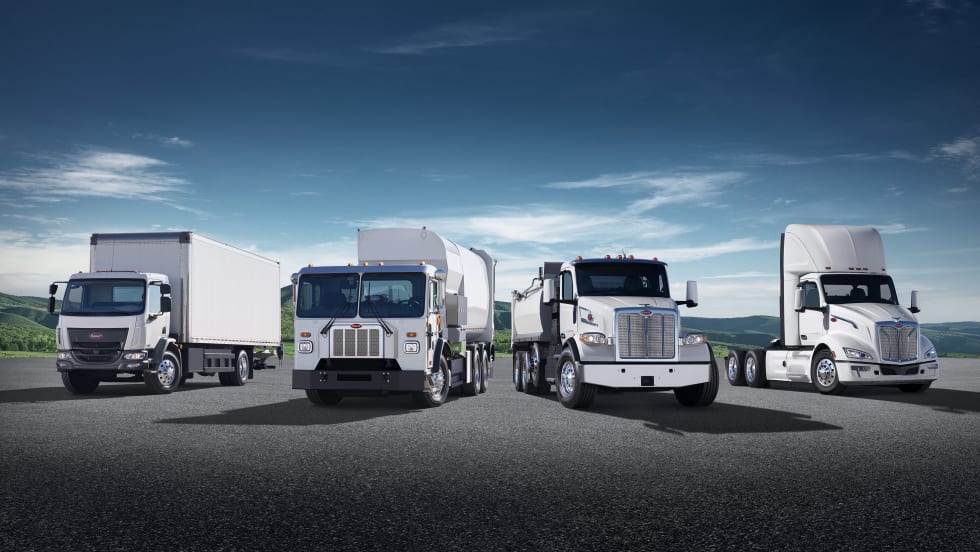
Peterbilt Expands Sourcewell Partnership with Electric Vehicle Lineup
Peterbilt Motors Company’s cooperative purchasing agreement with Sourcewell and its Canadian partner, Canoe Procurement Group, now includes including Peterbilt's battery-electric vehicle lineup.
Read More →