




Study: Many Biodiesel Blends Inaccurately Calibrated
FALMOUTH, Mass. --- While sampling blended biodiesel fuels purchased from small-scale retailers, researchers at the Woods Hole Oceanographic Institution found that many of the blends do not contain the advertised amount of biofuel.
FALMOUTH, Mass. --- While sampling blended biodiesel fuels purchased from small-scale retailers, researchers at the Woods Hole Oceanographic Institution found that many of the blends do not contain the advertised amount of biofuel.
Marine chemist Chris Reddy and colleagues sampled pure biodiesel and blends from more than a dozen distributors across the United States. When testing fuels listed as 20 percent biodiesel (commonly known as B20), they found that the actual percentage of biofuel ranged from as little as 10 percent to as much as 74 percent. Only 10 percent of samples met the specifications for biofuel blends required for vehicles of the U.S. Department of Defense, one of the leading consumers of the products.
Pure biodiesel (B100) is a chemically prepared mixture of animal fats and vegetable oils, and it is often used in modified diesel engines. Biodiesel "blends" combine B100 with traditional petroleum-based fuels in a manner that allows them to be used in regular diesel engines. Retailers commonly sell blends that are 20 percent biodiesel (B20) or 5 percent (B5), while all diesel fuels sold in Minnesota are actually B2 (2 percent biofuel), in accordance with state standards.
Proponents of such fuels claim that they are more environmentally friendly because they emit less pollution — such as sulfur, particulates, and hydrocarbons — and may be less toxic for the environment when spilled.
"Biodiesel is a great product if used properly, and it could turn out to be an important alternative fuel," said Reddy, an associate scientist in the WHOI Department of Marine Chemistry and Geochemistry. "There is a lot of good feeling about biodiesel, but if we are going to sell it, we have to make sure what is being sold is accurately prepared. It is a matter of credibility and consumer confidence."
The Woods Hole Oceanographic Institution is a private, independent organization in Falmouth, Mass., dedicated to marine research, engineering, and higher education. Reddy and colleagues happened upon the discrepancy while studying the potential effects of a biodiesel spill in the marine environment. The new research was published online on Feb. in the journal Environmental Science and Technology. It will appear in print in the April issue of the magazine.
Biodiesel blends are often made by local distributors through simple "splash blending," whereby ingredients are poured together into a container in their respective amounts. The intent is that the simple act of pouring will ensure proper mixing.
But biodiesel is naturally thicker and more viscous than petroleum-based diesel, so it may be settling into separate layers within fuel tanks (like a mixture of milk and chocolate syrup, or fruit juice and alcohol). Reddy and colleagues also pointed to simple human error — poor math, measurement or stirring — as a possible reason for the inconsistencies.
Improper blending of biofuels could lead to engine problems from drivers in cold climates, Reddy noted, because it could freeze or clog fuel lines. Most auto manufacturers recommend against using mixtures greater than B20, though the reasons are unclear.
Reddy believes the discrepancies could harm consumer confidence in the product, which is sometimes sold at a premium price over traditional petroleum fuels. There could also be financial issues related to taxation and tax credits for biofuel providers and consumers.
The United States currently has a voluntary standard for proper preparation of blended fuels, but no enforcement. The nation does have an enforceable standard for pure biodiesel.
The new fuel blending research builds on a 2004-2005 study by the National Renewable Energy Laboratory that suggested some national-scale manufacturers were having a hard time producing proper blends of biofuel.
Reddy and colleagues worked with WHOI senior scientist Bill Jenkins and colleagues at the National Ocean Sciences Accelerator Mass Spectrometer facility to develop an extremely precise radiocarbon-based calibration method for determining if the balance of biofuels and petroleum is correct. The new method relies on the fact that petroleum is “radiocarbon dead” (contain no radiocarbon), while biofuels are enriched with radioisotopes that plants absorb from Earth’s atmosphere and soil.
The calibration method accounts for the differences in chemical makeup of different types of oils, such as canola, coconut, soybean or animal fats. This method also allows for a direct quantification of the amount of renewable carbon that is emitted from vehicles, which will aid researchers in determining the true environmental value of switching to biofuels.
Originally posted on Automotive Fleet
More Green Fleet

Fleet Forward Conference Introduces One-Day Passes for 2026
New one-day registration gives fleet professionals the flexibility to attend Tuesday, Wednesday, or Thursday, with passes available for $199 through Sept. 18.
Read More →
CALSTART Rebrands as Catalyst Mobility, Will Combine with Forth in 2027
CALSTART has rebranded as Catalyst Mobility and will combine with Forth at the start of 2027. The new organization said it is poised to become one of the world's largest, strongest, and most impactful clean transportation nonprofits.
Read More →
Electric Truck and Charging Programs to Boost Sustainability at NY & NJ Ports
Together, the Port Authority of New York and New Jersey and CALSTART will electrify drayage and terminal operations serving the East Coast’s busiest container port. A pair of incentive programs totaling $45 million has launched to accelerate adoption of zero-emission drayage trucks and terminal tractors.
Read More →
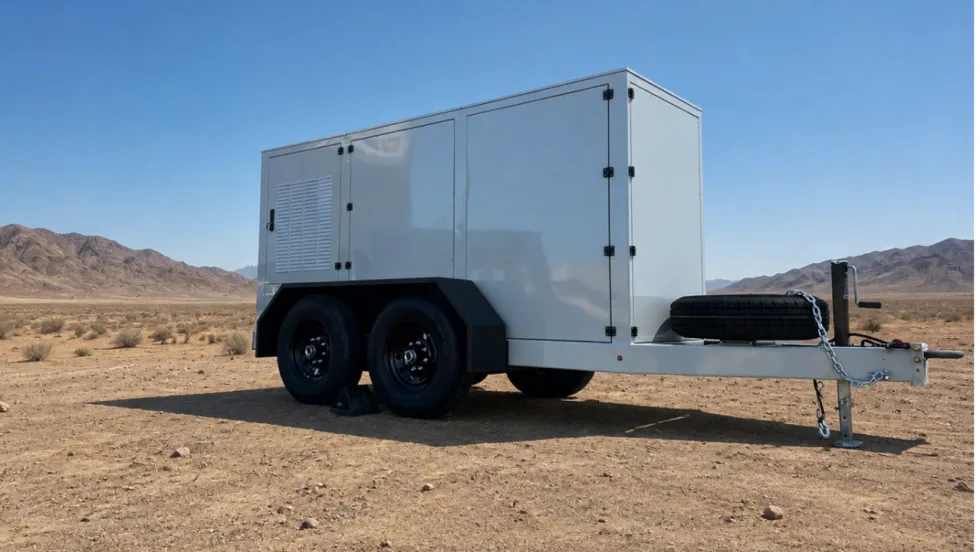
Xos Hub Surpasses One Gigawatt-Hour of Energy Delivered in the Field
A single Xos Hub has surpassed one gigawatt-hour of energy across more than 33,600 charging sessions in the field, demonstrating performance that supports Xos' expansion across new products and markets.
Read More →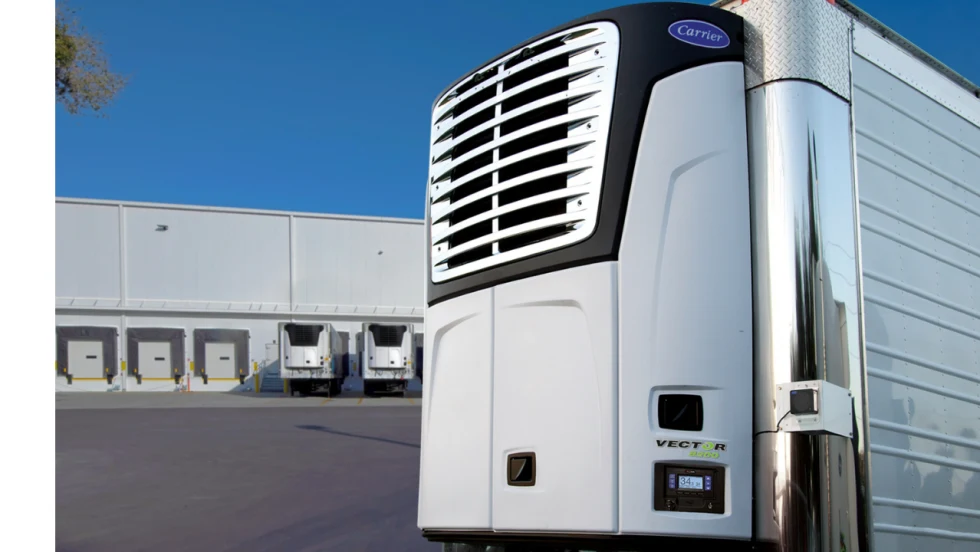
Carrier Transicold Launches All-Electric Vector 8200 TRU for Diesel-Free On-Site Cold Storage
Carrier Transicold’s first engineless multi-temperature TRU helps fresh- and frozen-food fleets add supplemental cold storage capacity during seasonal peaks.
Read More →
Narro Trucks Introduces Electric Utility Vehicle
Narro Trucks officially launched its operations on Aug. 20 and hosted a ride and drive to showcase its electric truck, which will be produced in Virginia.
Read More →
Samsung SDI Takes Full Control of GM Battery JV as Indiana Plant Pivots to Energy Storage
Samsung SDI is taking full control of its Indiana battery plant with GM, marking a major shift from the EV-focused joint venture Charged Fleet first covered in 2023.
Read More →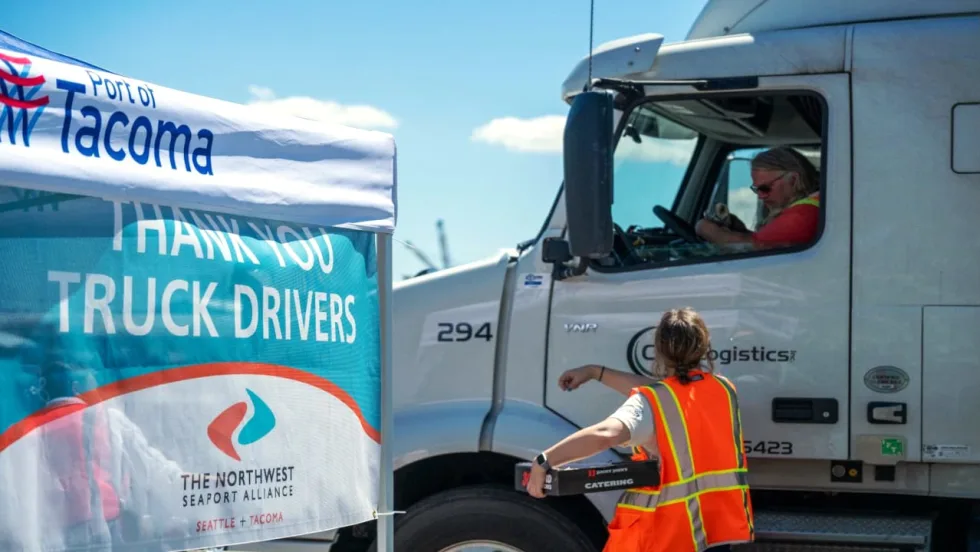
NWSA Taps CALSTART to Administer Zero-Emission Drayage Assistance Program
CALSTART will provide free technical assistance services to drayage fleets serving the Ports of Seattle and Tacoma and looking to transition to cleaner technologies and help decarbonize freight hubs.
Read More →
EV Fleet Reality Check: What Operators Wish They Knew Before Electrifying Their Work Vans
Electric work truck upfits bring new compatibility questions. Learn how parts availability, OEM guidance, power demands, and route planning can affect fleet performance.
Read More →
Peterbilt Expands Sourcewell Partnership with Electric Vehicle Lineup
Peterbilt Motors Company’s cooperative purchasing agreement with Sourcewell and its Canadian partner, Canoe Procurement Group, now includes including Peterbilt's battery-electric vehicle lineup.
Read More →