




Study: GPS Shortcuts May Save Time But Up Crash Risk
A new study from Texas A&M compares routes between five metropolitan areas and finds navigation systems often guide drivers to take paths that carry a greater risk of collisions.

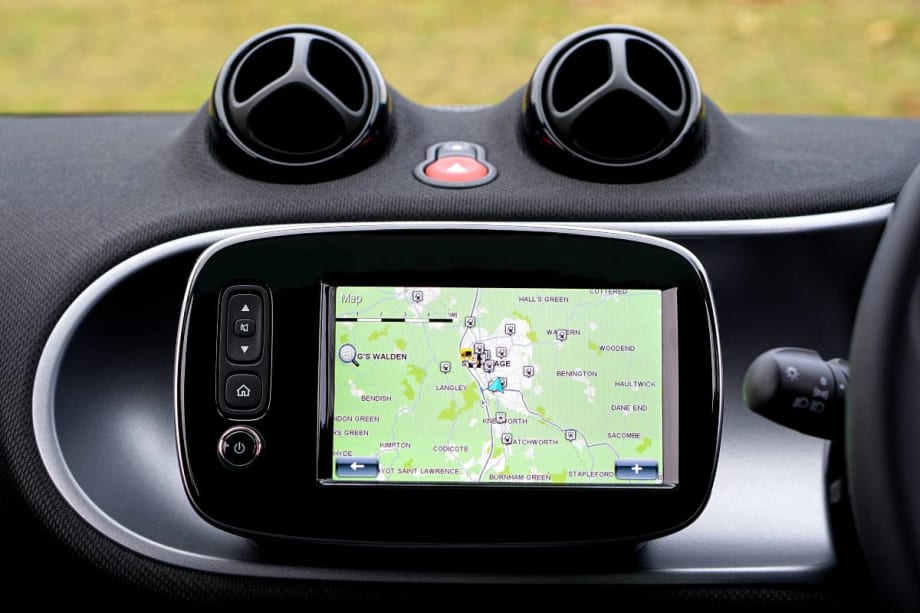
Researchers say their study findings indicate a need for considering safety, not just efficiency, in GPS route-finding.
Photo: Pexels.com/mike
A new study from Texas A&M researchers finds thattaking a route with an 8% reduction in travel time could increase the risk of being in a crash by 23%, reports Texas A&M Today.
The researchers compared routes between five metropolitan areas and found navigation systems often guide drivers to take paths that carry a greater risk of crashes. Specifically, the team evaluated both the safest and shortest routes between five metropolitan areas in Texas — Dallas-Fort Worth, Waco, Austin, Houston, and Bryan-College Station — including more than 29,000 road segments.
Ultimately, they concluded that shortcuts might be long on saving time, but short on ensuring motorists’ safety.
While a GPS system is designed to offer the most efficient route, it doesn't always take all key factors that can lead to a collision into consideration. For example, GPS tools don't necessarily factor in poor geometric designs, drainage problems, lack of lighting, and a higher risk of wildlife-vehicle collisions.
In the case of Texas A&M, the researchers gathered and combined road and traffic characteristics, including geometry design, number of lanes, lane width, lighting and average daily traffic, weather conditions and historical crash data to analyze and develop statistical models for predicting the risk of being involved in crashes.
The findings revealed inconsistencies in the shortest and safest routes. In clear weather, taking the shortest route instead of the safest between Dallas-Fort Worth and Bryan-College Station will reduce the travel time by 8% — yet the probability of a crash increases to 20%. The analysis suggests that taking the longest route between Austin and Houston with an 11% increase in travel time results in a 1% decrease in the daily probability of crashes.
The researchers note that navigation based on safety, rather than travel time, can result in preventing crashes and promoting overall safety on the road network and eventually save lives. In fact, the team has proposed a system architecture for safe route-finding and highlighted the requirements for and barriers in incorporating safety in future navigation apps.
Originally posted on Automotive Fleet
More Small Fleet


Developing Budget-Friendly Driver Safety Programs
From driver training and safety meetings to one-on-one coaching and incentive programs, several small fleets share how they have developed a safety culture with their drivers using low- to no-cost resources.
Read More →
Boosting Last-Mile Fleet Uptime, Safety, and Value with AI Vehicle Inspections
AI-powered inspections are transforming last-mile fleets by replacing manual checks with highly accurate automated scans that detect defects in seconds. By giving fleet operations visibility into the daily condition of their vehicles, you can identify trends over the vehicle’s lifecycle that enable improved procurement decisions, route management, driver training and accountability.
Read More →
Five Ways Seat Belts Help Prevent Injuries
There are five ways seat belts protect occupants from injuries, according to the Tennessee Department of Safety and Homeland Security.
Read More →
It’s here: The 2026 Fleet Technology Trends Report
What does AI mean for fleets? Get the answer — and learn other top tech trends.
Read More →
Small Fleets, Big Impact: How Independent Drivers Power Wreaths Across America
Check out how small fleets and independent drivers power Wreaths Across America each December and why their impact matters more than ever.
Read More →
VMS Survey Finds 65% of Small Fleet Managers Run Operations Alone
A new VMS survey shows small fleet managers are stretched thin, with most handling operations solo and eager to adopt digital tools for relief.
Read More →
Tips for Driving Safely on Halloween Night
This video features a reminder from the Connecticut Department of Transportation (DOT) and the Connecticut Police Chiefs Association, urging drivers to prioritize safety this Halloween.
Read More →
AI, Access, and Uptime: VMS’s Next Chapter with David Prusinski
VMS’s new Co-CEO, David Prusinski, shares how an AI-first approach will give small fleets and repair shops the tools to compete like big players.
Read More →
Fleet Managers Share Winter Prep Tips: It's Never Too Early!
Three fleets share best practices to prep vehicles for winter and prevent downtime when the cold sets in.
Read More →