




Stellantis Ends Hydrogen Fuel Cell Program as Market Outlook Weakens
Automaker cites limited infrastructure, high costs, and weak demand as it halts hydrogen fuel cell vans. Analysts say heavy-duty uses remain viable.

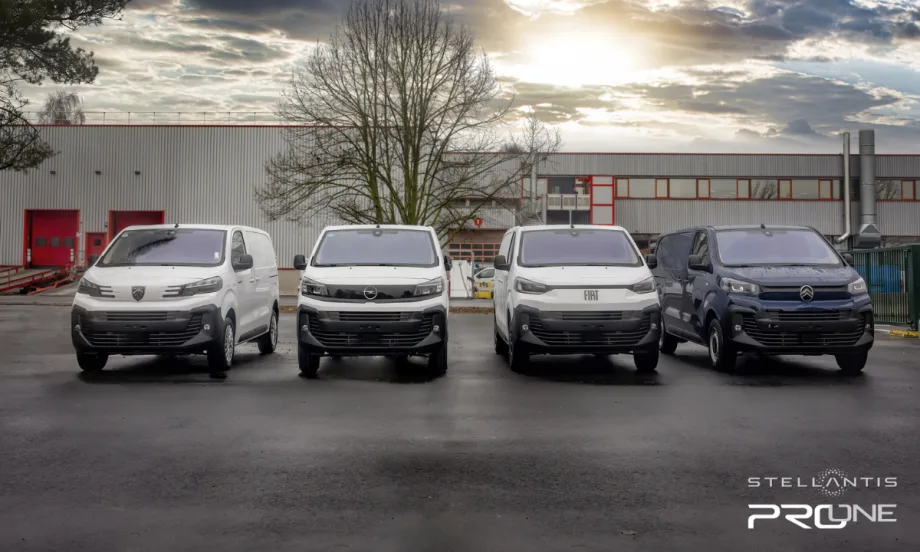
In October 2023, the Company unveiled a full revamp of the van lineup as a key element of the Pro One strategic offensive for Stellantis’ Commercial Vehicles Business. Today, the future has been discontinued.
Photo: Stellantis
In July 2025, Stellantis announced it will discontinue its hydrogen fuel cell technology development program, citing limited hydrogen refueling infrastructure, high capital requirements, and a lack of strong consumer incentives.
As a result, Stellantis will not launch its planned range of hydrogen-powered Pro One vehicles this year. Series production, originally scheduled to begin this summer in Hordain, France (medium vans), and Gliwice, Poland (large vans), has been canceled.
“In a context where the Company is mobilizing to respond to demanding CO2 regulations in Europe, Stellantis has decided to discontinue its hydrogen fuel cell technology development program,” said Jean-Philippe Imparato, Chief Operating Officer for Enlarged Europe. “The hydrogen market remains a niche segment, with no prospects of mid-term economic sustainability. We must make clear and responsible choices to ensure our competitiveness and meet the expectations of our customers with our electric and hybrid passenger and light commercial vehicles offensive.”
Stellantis noted the decision will not impact staffing at its production sites, and R&D tied to hydrogen technology will be redirected to other projects. The company is also in discussions with Symbio shareholders to evaluate the impact of current hydrogen market conditions and next steps.
The company noted in a release that it did not anticipate adoption of hydrogen-powered light commercial vehicles before the end of the decade.
Digging into Market Challenges for Hydrogen Commercial Vehicles
Market intelligence firm IDTechEx echoed the challenges facing hydrogen light commercial vehicles, noting they were “never a good value proposition” compared to battery-electric options. Analyst John Li pointed out that with Stellantis’ exit, prospects for fuel cell light commercial vehicles have worsened, although Renault and Toyota continue limited programs in Europe and Japan.
According to IDTechEx, fuel cells remain more promising in heavy-duty sectors such as trucking and buses, where range and refueling speed are bigger advantages. The firm highlighted ongoing deployments in California, Germany, and China, alongside government investment in fuel cell buses and infrastructure. Hyundai, Toyota, and Honda are also continuing development of fuel cell trucks, with Hyundai reporting deliveries in 14 countries.
While passenger car FCEVs are still rare, models like the Toyota Mirai, Hyundai Nexo, and Honda CR-V continue to see modest sales in select regions. BMW has also announced plans to enter the FCEV passenger car market in 2028.
IDTechEx forecasts that despite setbacks (including Stellantis’ withdrawal, Renault’s Hyvia joint venture liquidation, and Nikola’s bankruptcy) the global FCEV market could still grow, particularly in heavy-duty segments, if hydrogen refueling infrastructure expands.
More Green Fleet

Fleet Forward Conference Introduces One-Day Passes for 2026
New one-day registration gives fleet professionals the flexibility to attend Tuesday, Wednesday, or Thursday, with passes available for $199 through Sept. 18.
Read More →
CALSTART Rebrands as Catalyst Mobility, Will Combine with Forth in 2027
CALSTART has rebranded as Catalyst Mobility and will combine with Forth at the start of 2027. The new organization said it is poised to become one of the world's largest, strongest, and most impactful clean transportation nonprofits.
Read More →
Electric Truck and Charging Programs to Boost Sustainability at NY & NJ Ports
Together, the Port Authority of New York and New Jersey and CALSTART will electrify drayage and terminal operations serving the East Coast’s busiest container port. A pair of incentive programs totaling $45 million has launched to accelerate adoption of zero-emission drayage trucks and terminal tractors.
Read More →
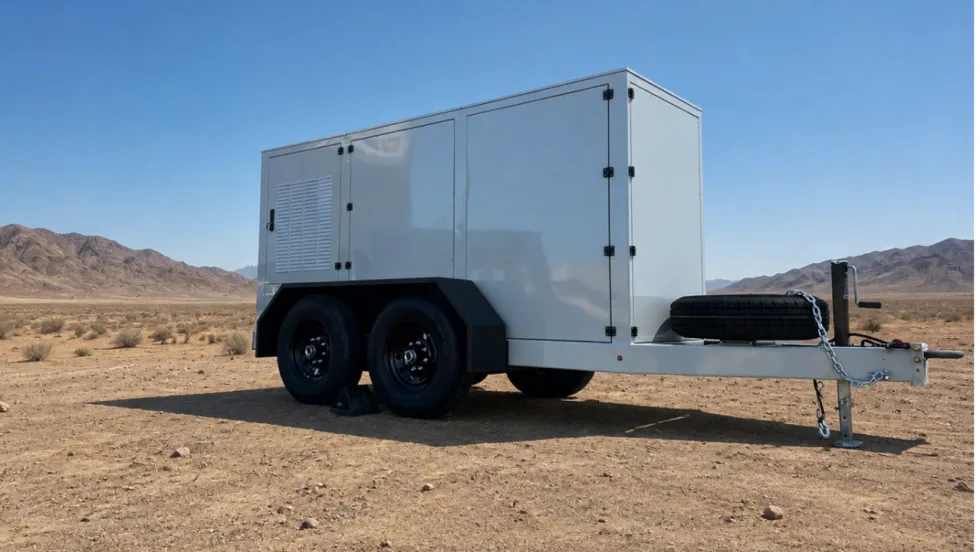
Xos Hub Surpasses One Gigawatt-Hour of Energy Delivered in the Field
A single Xos Hub has surpassed one gigawatt-hour of energy across more than 33,600 charging sessions in the field, demonstrating performance that supports Xos' expansion across new products and markets.
Read More →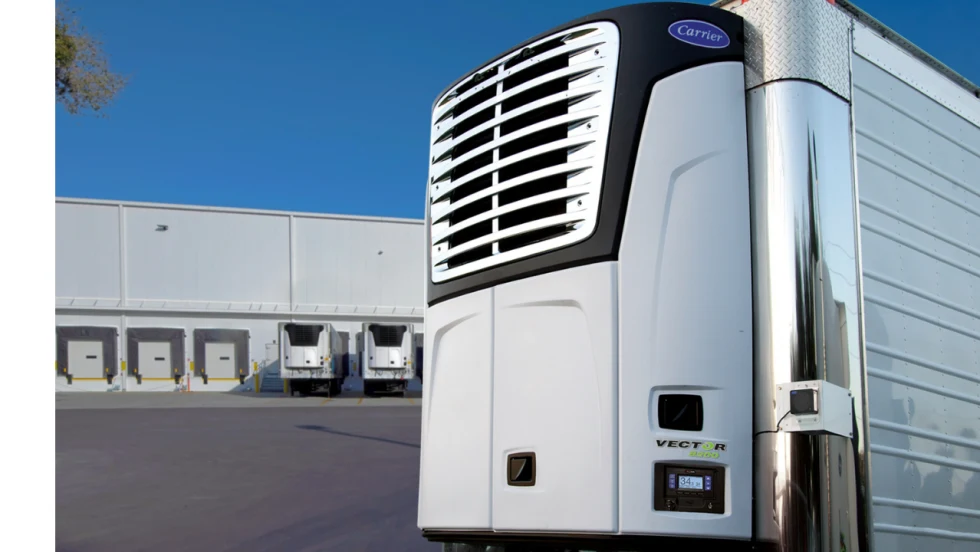
Carrier Transicold Launches All-Electric Vector 8200 TRU for Diesel-Free On-Site Cold Storage
Carrier Transicold’s first engineless multi-temperature TRU helps fresh- and frozen-food fleets add supplemental cold storage capacity during seasonal peaks.
Read More →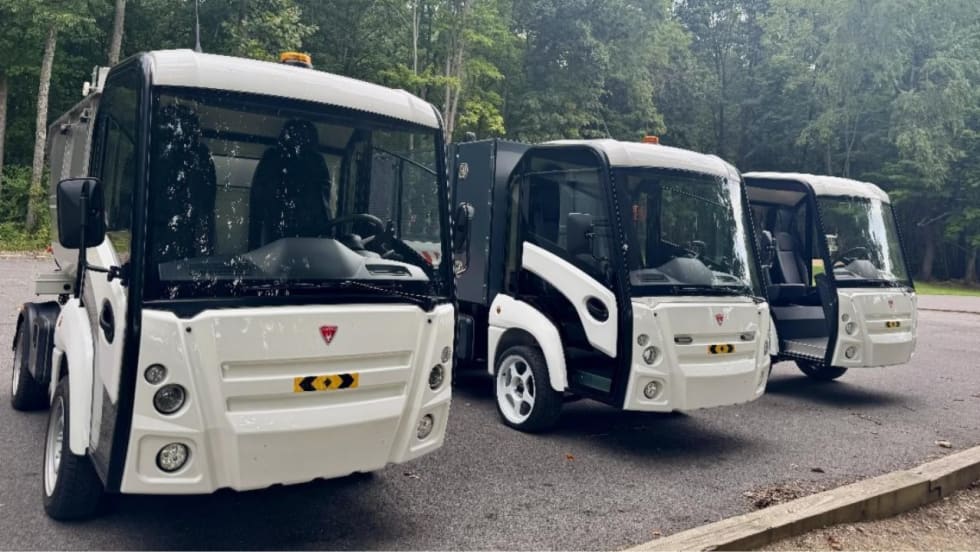
Narro Trucks Introduces Electric Utility Vehicle
Narro Trucks officially launched its operations on Aug. 20 and hosted a ride and drive to showcase its electric truck, which will be produced in Virginia.
Read More →
Samsung SDI Takes Full Control of GM Battery JV as Indiana Plant Pivots to Energy Storage
Samsung SDI is taking full control of its Indiana battery plant with GM, marking a major shift from the EV-focused joint venture Charged Fleet first covered in 2023.
Read More →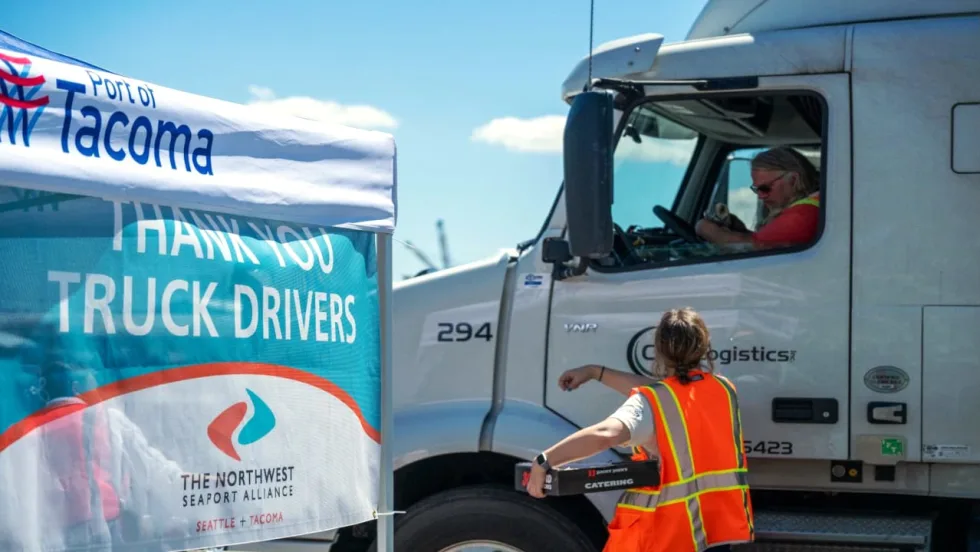
NWSA Taps CALSTART to Administer Zero-Emission Drayage Assistance Program
CALSTART will provide free technical assistance services to drayage fleets serving the Ports of Seattle and Tacoma and looking to transition to cleaner technologies and help decarbonize freight hubs.
Read More →
EV Fleet Reality Check: What Operators Wish They Knew Before Electrifying Their Work Vans
Electric work truck upfits bring new compatibility questions. Learn how parts availability, OEM guidance, power demands, and route planning can affect fleet performance.
Read More →
Peterbilt Expands Sourcewell Partnership with Electric Vehicle Lineup
Peterbilt Motors Company’s cooperative purchasing agreement with Sourcewell and its Canadian partner, Canoe Procurement Group, now includes including Peterbilt's battery-electric vehicle lineup.
Read More →