




State Fleets Are Sidestepping Ethanol Use
WASHINGTON - The state of New Jersey owns more than 2,200 cars and light trucks that run on E-85, a cleaner-burning fuel mix of 85 percent ethanol and 15 percent gasoline.
WASHINGTON - The state of New Jersey owns more than 2,200 cars and light trucks that run on E-85, a cleaner-burning fuel mix of 85 percent ethanol and 15 percent gasoline, according to www.stateline.org. But a state worker in Trenton, N.J., would have to drive nearly 30 miles one-way to get that special fuel in downtown Philadelphia.
New Jersey’s “flex-fuel” vehicles are being run only on dirtier unleaded gasoline because the Garden State is one of seven where there are no state-owned or retail pumps that dispense E-85, including Alaska, Hawaii, Maine, New Hampshire, Rhode Island, and Vermont. Although flex-fuel cars can use conventional gasoline, they emit more carbon dioxide than if they used the mostly ethanol mix.
Nationwide, state governments have bought more than 40,000 flex-fuel vehicles to meet requirements of the federal Energy Policy Act of 1992. The act was intended to reduce the nation’s dependence on foreign oil, but 30 states do not provide E-85 at any state-owned fuel depots, and only 18 states have more than 10 retail sites with the special fuel.
In theory, the 1992 law should have been a boon for ethanol, but states have exploited a loophole: The act does not actually require states use any alternative fuel. When the law was passed, states were required to buy for their fleets a small percentage of alternatively-fueled vehicles and mostly purchased vehicles that ran only on compressed natural gas or propane.
But by the late 1990s, domestic automakers were mass-producing flex-fuel vehicles that could run on gasoline or alternative fuel, and states started snapping them up to meet the law’s growing requirements. These new flex-fuel vehicles also relieved them of using E-85. The federal law required that by 2001, 75 percent of new state vehicles had to be able to run on something besides gasoline, with exceptions for law enforcement cars and heavy equipment, according to www.stateline.org.
Governments and commercial retailers may be unwilling to invest in the equipment to pump ethanol because the national Underwriters Laboratory removed its safety endorsement for E-85 pumps, raising liability concerns for both retailers and government fleets.
Many states are now moving to cut their gasoline use by purchasing hybrid vehicles that get greater efficiency by using electric engine to complement a gasoline-powered motor.
Originally posted on Automotive Fleet
More Green Fleet

Fleet Forward Conference Introduces One-Day Passes for 2026
New one-day registration gives fleet professionals the flexibility to attend Tuesday, Wednesday, or Thursday, with passes available for $199 through Sept. 18.
Read More →
CALSTART Rebrands as Catalyst Mobility, Will Combine with Forth in 2027
CALSTART has rebranded as Catalyst Mobility and will combine with Forth at the start of 2027. The new organization said it is poised to become one of the world's largest, strongest, and most impactful clean transportation nonprofits.
Read More →
Electric Truck and Charging Programs to Boost Sustainability at NY & NJ Ports
Together, the Port Authority of New York and New Jersey and CALSTART will electrify drayage and terminal operations serving the East Coast’s busiest container port. A pair of incentive programs totaling $45 million has launched to accelerate adoption of zero-emission drayage trucks and terminal tractors.
Read More →

The Smart Way to Build a Mixed-Energy Fleet Isn’t About Picking a Side
Mixed-energy fleets aren’t about picking a winning fuel. Sarah Booth of WEX explains how vehicle data, duty cycles, charging strategy, and real-world costs can help fleets choose the right energy source for each job.
Read More →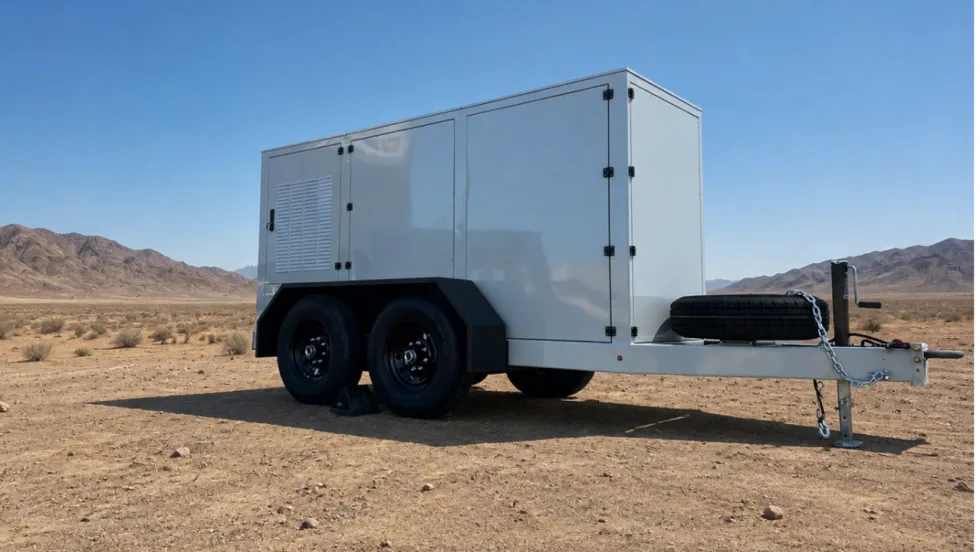
Xos Hub Surpasses One Gigawatt-Hour of Energy Delivered in the Field
A single Xos Hub has surpassed one gigawatt-hour of energy across more than 33,600 charging sessions in the field, demonstrating performance that supports Xos' expansion across new products and markets.
Read More →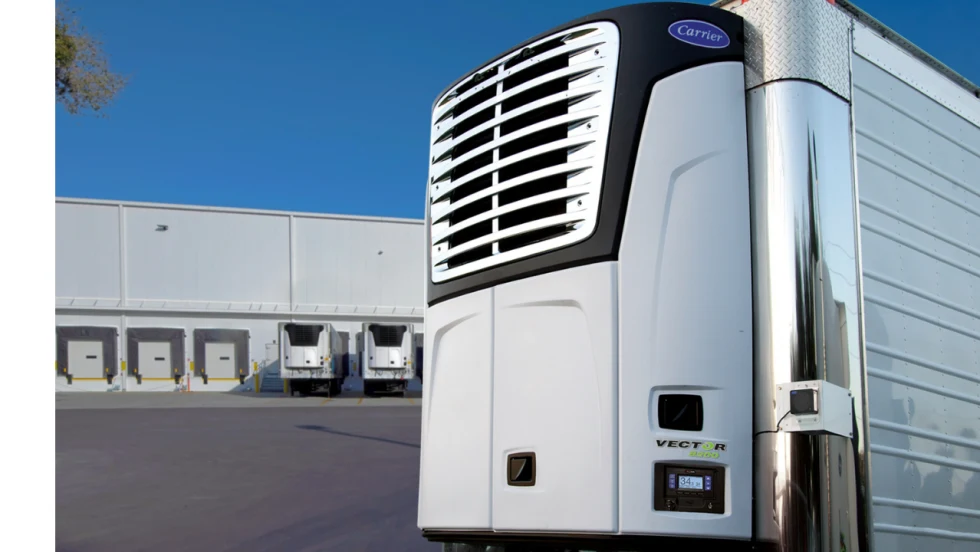
Carrier Transicold Launches All-Electric Vector 8200 TRU for Diesel-Free On-Site Cold Storage
Carrier Transicold’s first engineless multi-temperature TRU helps fresh- and frozen-food fleets add supplemental cold storage capacity during seasonal peaks.
Read More →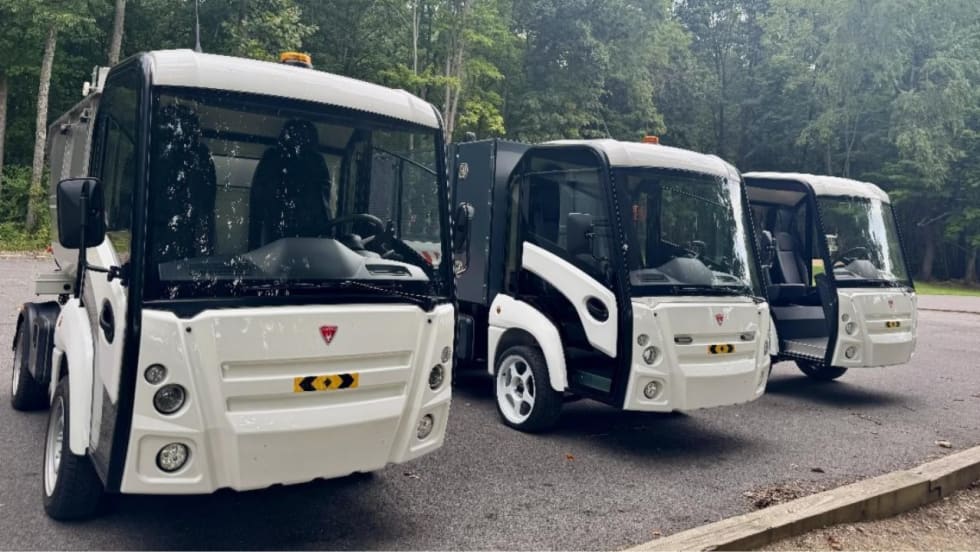
Narro Trucks Introduces Electric Utility Vehicle
Narro Trucks officially launched its operations on Aug. 20 and hosted a ride and drive to showcase its electric truck, which will be produced in Virginia.
Read More →
Samsung SDI Takes Full Control of GM Battery JV as Indiana Plant Pivots to Energy Storage
Samsung SDI is taking full control of its Indiana battery plant with GM, marking a major shift from the EV-focused joint venture Charged Fleet first covered in 2023.
Read More →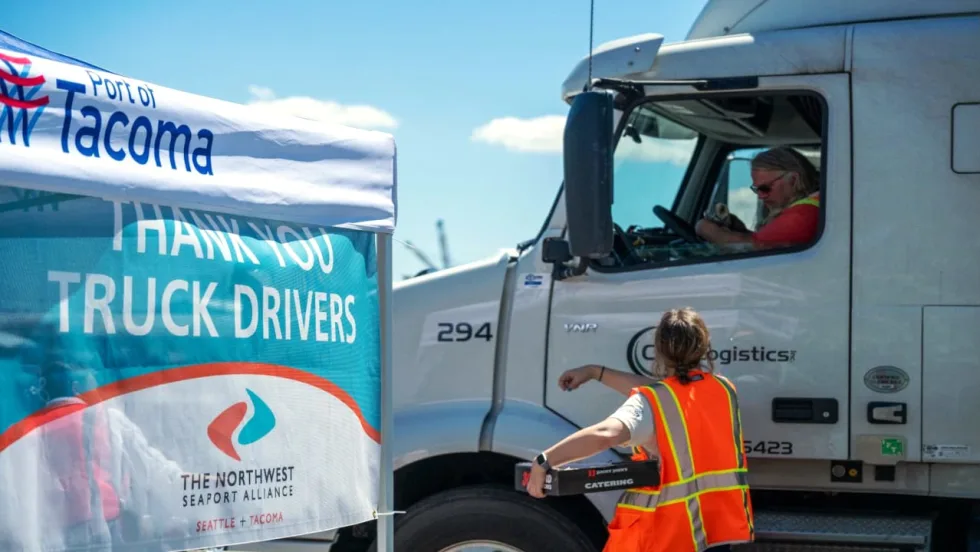
NWSA Taps CALSTART to Administer Zero-Emission Drayage Assistance Program
CALSTART will provide free technical assistance services to drayage fleets serving the Ports of Seattle and Tacoma and looking to transition to cleaner technologies and help decarbonize freight hubs.
Read More →
EV Fleet Reality Check: What Operators Wish They Knew Before Electrifying Their Work Vans
Electric work truck upfits bring new compatibility questions. Learn how parts availability, OEM guidance, power demands, and route planning can affect fleet performance.
Read More →