





EV Education: Detroit Expands Service Training Center to Add EV Courses
Simplify Your Fleet Electrification Journey
Environmental Defense Fund released a new interactive guide for fleet mangers.
October 5, 2022

The online resource is organized into five phases, with each phase capturing best practices from fleets on the forefront of truck electrification.
Photo: Work Truck
4 min to read
Environmental Defense Fund released the Fleet Electrification Solutions Center on October 3, 2022, a free online resource that cuts through the complexity of truck electrification to connect fleet professionals with the solutions they need, all in one easy-to-navigate clearinghouse.
“We are at a critical juncture in the climate crisis, and fleet electrification is a feasible solution that can begin to address this historic challenge while also reducing harmful pollution from diesel trucks in communities across America,” said Lindsay Shigetomi, Manager, Fleet Electrification at Environmental Defense Fund. “EDF is launching the Fleet Electrification Solution Center because we want to make sure fleet decision-makers have all the tools they need to electrify their fleets – right at their fingertips. With the Solutions Center, we are making the electrification journey more manageable and easier to navigate.”
Over 30 million trucks on U.S. roads generate 7% of U.S. greenhouse gas emissions — more than aviation, maritime shipping, and rail combined. Yet zero-emission trucks still only account for a small fraction of medium- and heavy-duty vehicles (such as freight trucks, semis, buses, garbage trucks and delivery vehicles). EDF worked with leading experts, industry professionals and current fleet leaders to identify barriers to fleet electrification and create a tool to overcome these barriers.
Designed to meet fleets wherever they are in their electrification journey, the FESC is organized into five phases, with each phase capturing best practices from fleets on the forefront of truck electrification. Fleets can follow the step-by-step process to develop a project management strategy; identify the appropriate charging equipment and work with utilities on an installation timeframe; define which vehicles are best for each application and launch new vehicle deployments, and much more. Users can create an account to track their progress, or simply search the extensive resource library for reports or case studies aimed at accelerating the electrification journey.
"Running electric trucks takes diligent planning and skilled problem-solving,” said Taki Darakos, Vice President, Vehicle Maintenance and Fleet Services at Pitt Ohio. “The Solutions Center can help fleets navigate the complexities of fleet electrification. There is no other resource that distills as much information in such an accessible and comprehensive format.”
Medium- and heavy-duty diesel trucks are the largest contributors to ozone-forming nitrogen oxides in the transportation sector, despite making up only 4% of vehicles on U.S. roads. Smog-forming NOx and other fine particulate pollution from trucks has been linked to adverse health impacts in everyone from infants to the elderly, particularly in overburdened communities that live near major transit hubs and corridors.
“Zero-emission vehicles are here, and in many cases are capable of doing the job of their diesel counterparts while cutting down on harmful emissions, reducing operational expenses for fleets and advancing environmental justice,” Jessie Lund said, lead project manager at CALSTART.
“While other resources exist, many are inaccessible, and none are as comprehensive as the Solutions Center. This tool will help fleets, large and small, navigate everything from planning to implementation by providing a clear, easy-to-follow map on the road to electrification.”
The launch of the FESC comes at a pivotal moment in the electric truck transformation.
In August, President Biden signed the historic Inflation Reduction Act, which provides a multibillion-dollar investment in zero-emission trucks. Once these tax incentives are implemented, the purchase price for a wide range of zero-emission trucks will reach parity with diesel alternatives by as early as 2023, according to a recent EDF analysis. While policy supports make trucks more affordable, an ever-expanding number of vehicle models are available today and hundreds of fleets are already deploying EVs.
“There has never been a better time for fleets to take the next step on their electrification journey,” Mike Roeth said, Executive Director for the North American Council for Freight Efficiency.
“There are high-quality, affordable zero-emission vans, trucks, and heavy-duty tractors on the market today, and costs and efficiency are only going to keep improving. The Solutions Center will make it easier for fleets to navigate barriers to entry by bringing together the best tools and information in the industry in one place.”
More Green Fleet

Fleet Forward Conference Introduces One-Day Passes for 2026
New one-day registration gives fleet professionals the flexibility to attend Tuesday, Wednesday, or Thursday, with passes available for $199 through Sept. 18.
Read More →
CALSTART Rebrands as Catalyst Mobility, Will Combine with Forth in 2027
CALSTART has rebranded as Catalyst Mobility and will combine with Forth at the start of 2027. The new organization said it is poised to become one of the world's largest, strongest, and most impactful clean transportation nonprofits.
Read More →
Electric Truck and Charging Programs to Boost Sustainability at NY & NJ Ports
Together, the Port Authority of New York and New Jersey and CALSTART will electrify drayage and terminal operations serving the East Coast’s busiest container port. A pair of incentive programs totaling $45 million has launched to accelerate adoption of zero-emission drayage trucks and terminal tractors.
Read More →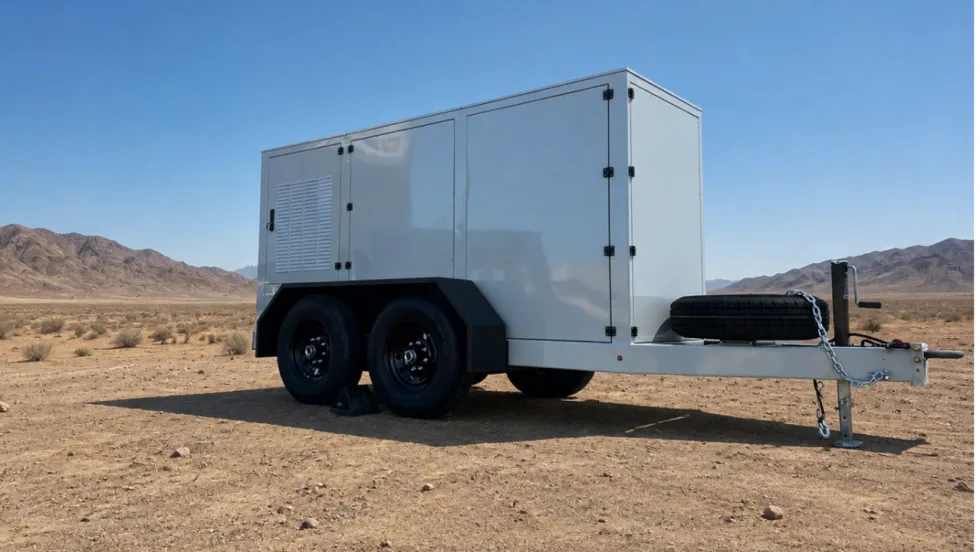
Xos Hub Surpasses One Gigawatt-Hour of Energy Delivered in the Field
A single Xos Hub has surpassed one gigawatt-hour of energy across more than 33,600 charging sessions in the field, demonstrating performance that supports Xos' expansion across new products and markets.
Read More →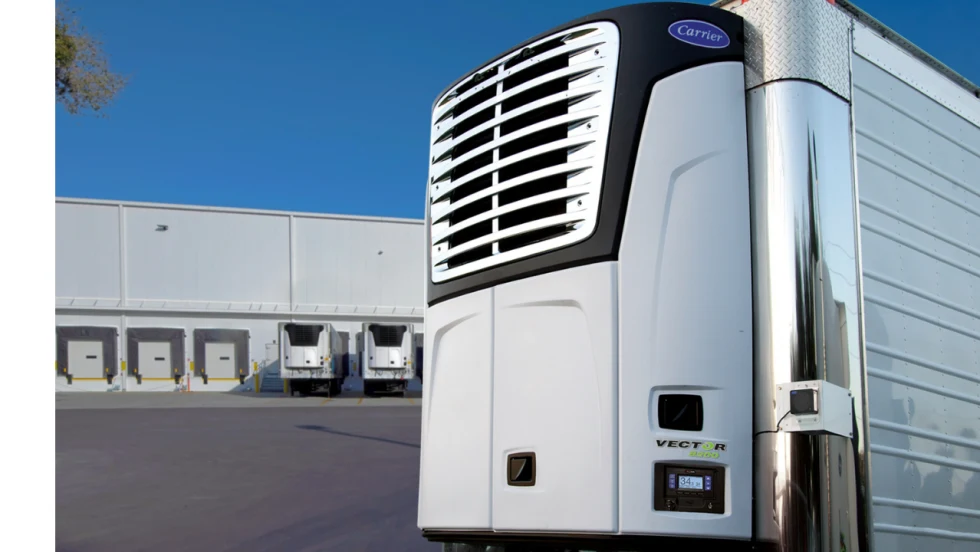
Carrier Transicold Launches All-Electric Vector 8200 TRU for Diesel-Free On-Site Cold Storage
Carrier Transicold’s first engineless multi-temperature TRU helps fresh- and frozen-food fleets add supplemental cold storage capacity during seasonal peaks.
Read More →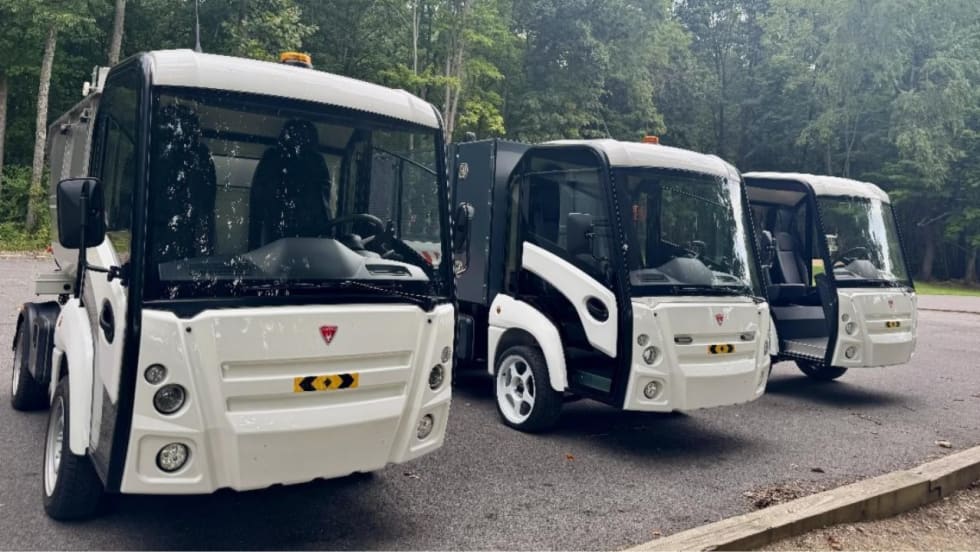
Narro Trucks Introduces Electric Utility Vehicle
Narro Trucks officially launched its operations on Aug. 20 and hosted a ride and drive to showcase its electric truck, which will be produced in Virginia.
Read More →
Samsung SDI Takes Full Control of GM Battery JV as Indiana Plant Pivots to Energy Storage
Samsung SDI is taking full control of its Indiana battery plant with GM, marking a major shift from the EV-focused joint venture Charged Fleet first covered in 2023.
Read More →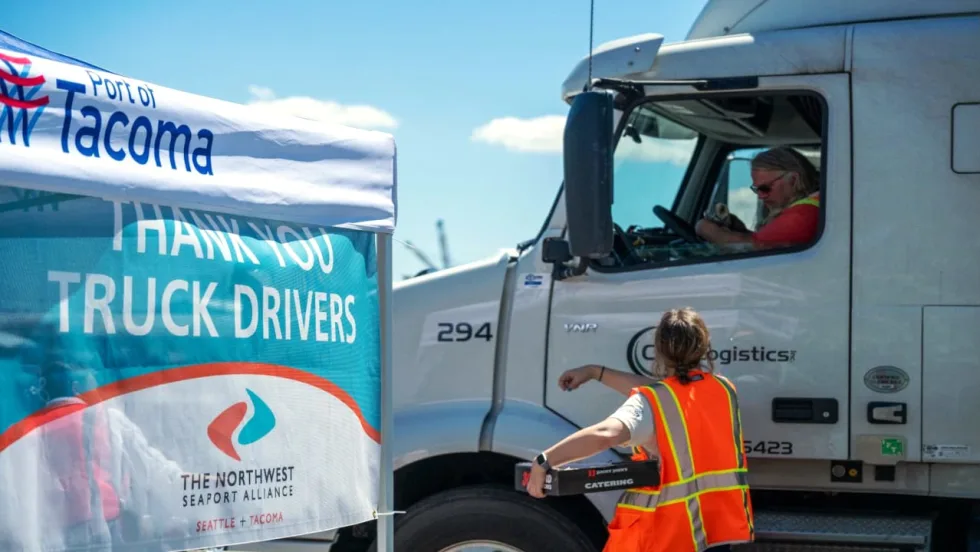
NWSA Taps CALSTART to Administer Zero-Emission Drayage Assistance Program
CALSTART will provide free technical assistance services to drayage fleets serving the Ports of Seattle and Tacoma and looking to transition to cleaner technologies and help decarbonize freight hubs.
Read More →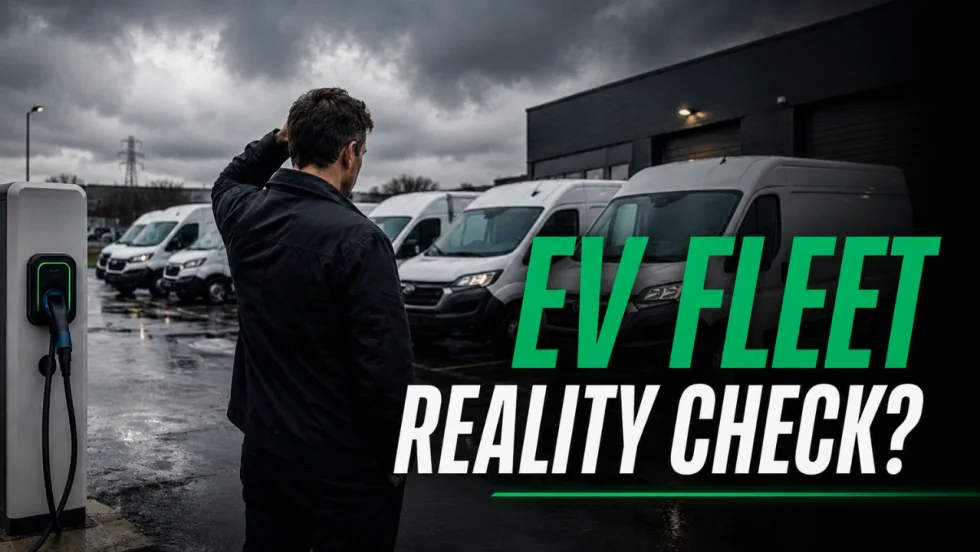
EV Fleet Reality Check: What Operators Wish They Knew Before Electrifying Their Work Vans
Electric work truck upfits bring new compatibility questions. Learn how parts availability, OEM guidance, power demands, and route planning can affect fleet performance.
Read More →
Peterbilt Expands Sourcewell Partnership with Electric Vehicle Lineup
Peterbilt Motors Company’s cooperative purchasing agreement with Sourcewell and its Canadian partner, Canoe Procurement Group, now includes including Peterbilt's battery-electric vehicle lineup.
Read More →