




Safety Tips: Bad Tires Cause 11,000 Accidents Annually
After investigating a 2020 multi-vehicle crash that included a motorcoach, three trucks and a passenger vehicle, the National Transportation Safety Board finds that highway speed limits, commercial vehicle collision avoidance systems, connected technology, and more, need to be addressed.

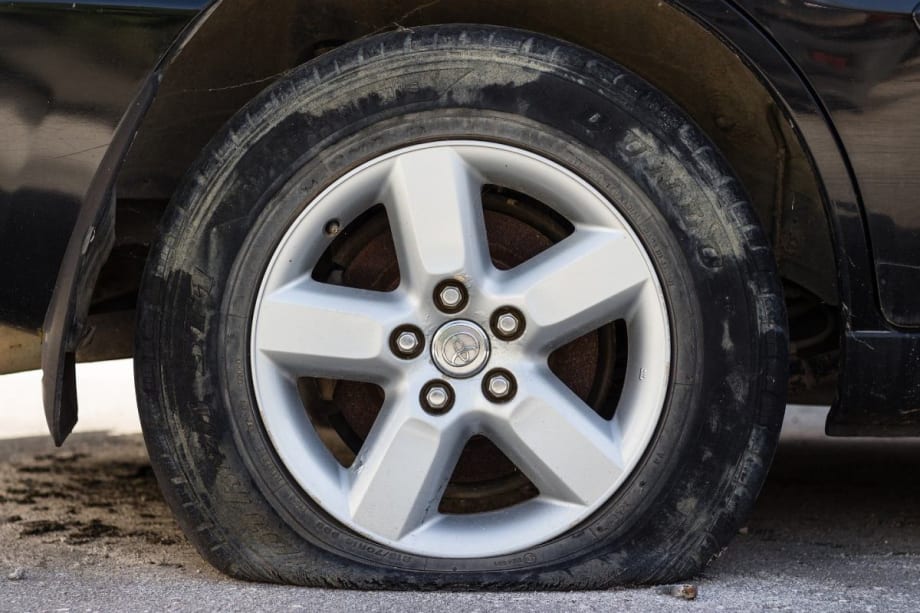
Winter weather conditions coupled with worn tires can lead to flat tires that leave fleet drivers stranded on the side of the road and in an unsafe scenario.
Photo via Christos Giakkas/Pixabay
Some 11,000 accidents occur every year due to bad tires, according to the National Highway Traffic Safety Administration (NHTSA). Moreover, dangerous driving conditions from winter weather and driving on worn tires are two of the most common causes for vehicle collisions.
For fleet operators, it’s important to ensure that the tires on your fleet vehicles aren’t worn or underinflated. However, even with regular check-ups it can happen simply due to everyday driving habits.
For starters, fleet drivers travel approximately 25,000+ miles a year as compared with non-professional drivers who travel an estimated 12,000 miles annually. So their likelihood of wear and tear on tires is greater. Now add in winter weather driving and it’s a dangerous combination.
That’s why now is a good time to remind your drivers how to properly — and safely — change a tire, in the event they find themselves stranded on the side of a road. Experts from Bankrate share the following tips:
Before hitting the road, ensure you have a properly-sized jack and spare tire (or donut) in your vehicle.
Pull over to the side of the road. Pay attention to your surroundings, including oncoming traffic, the side of the road and lighting.
Turn on your hazard lights and apply the parking brake to keep yourself and others safe. Use flares as well if you have them.
Even if you already know how to change a tire, read and follow the instructions from your vehicle’s manual to make sure you are properly installing the new tire.
If you are having difficultly changing the tire yourself, call a tow truck or roadside assistance.
Bankrate experts also share the following advice on what Emergency Kit Items drivers should keep in their vehicles:
First Aid kit with basic supplies such as bandages, gloves, splints and gauze pads.
Fix-a-flat, which is a sealant used to plug a leak in a tire.
A few tools that can help you with common car issues such as a jack, jumper cables, socket and screwdriver set, duct tape and a knife.
A towel or blanket, not only to provide warmth but also to provide a sling or cushion if needed.
Road flares to signal distress to other drivers on the road.
Cell phone and wireless charging bank to call for help even if your car’s electric system isn’t working.
Bottled water and healthy snacks in case you are stuck waiting for help for a while.
Originally posted on Automotive Fleet
More Small Fleet

Tips for Driving Safely on Halloween Night
This video features a reminder from the Connecticut Department of Transportation (DOT) and the Connecticut Police Chiefs Association, urging drivers to prioritize safety this Halloween.
Read More →
Simple Tire Checks That Help Keep Your Business Fleet Moving
A survey found that nearly one in every 10 passenger vehicles has at least one bald tire. What's more, 27% -- more than one in four -- of vehicles are driven with one or more severely under-inflated tires.
Read More →
Developing Budget-Friendly Driver Safety Programs
From driver training and safety meetings to one-on-one coaching and incentive programs, several small fleets share how they have developed a safety culture with their drivers using low- to no-cost resources.
Read More →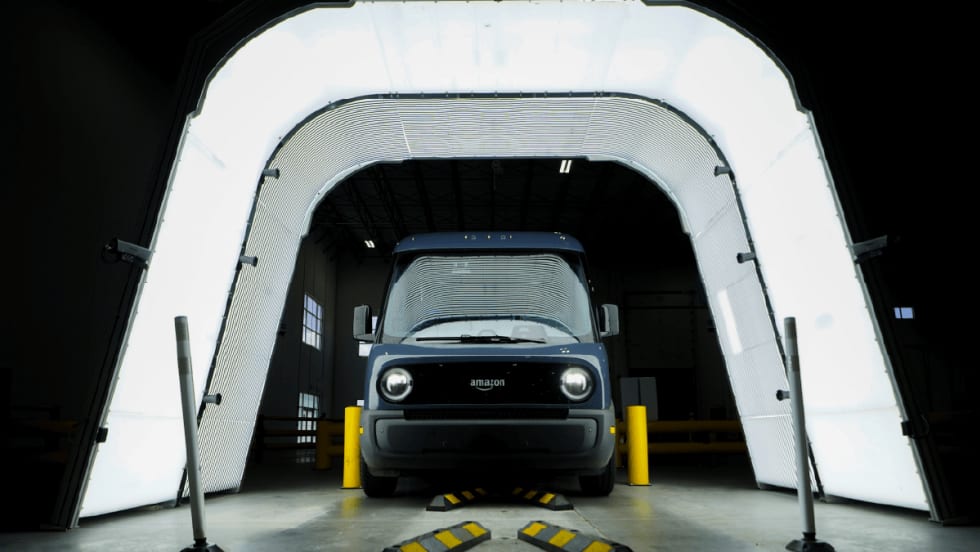
Boosting Last-Mile Fleet Uptime, Safety, and Value with AI Vehicle Inspections
AI-powered inspections are transforming last-mile fleets by replacing manual checks with highly accurate automated scans that detect defects in seconds. By giving fleet operations visibility into the daily condition of their vehicles, you can identify trends over the vehicle’s lifecycle that enable improved procurement decisions, route management, driver training and accountability.
Read More →
Five Ways Seat Belts Help Prevent Injuries
There are five ways seat belts protect occupants from injuries, according to the Tennessee Department of Safety and Homeland Security.
Read More →
Basic Tracking vs Next Generation Fleet Technology
Fleet software is getting more sophisticated and effective than ever, tying big data models together to transform maintenance, safety, and the value of your existing tech stack. Fleet technology upgrades are undoubtedly an investment, but updated technology can offer a much higher return. Read how upgrading your fleet technology can increase the return on your investment.
Read More →
It’s here: The 2026 Fleet Technology Trends Report
What does AI mean for fleets? Get the answer — and learn other top tech trends.
Read More →
Small Fleets, Big Impact: How Independent Drivers Power Wreaths Across America
Check out how small fleets and independent drivers power Wreaths Across America each December and why their impact matters more than ever.
Read More →
VMS Survey Finds 65% of Small Fleet Managers Run Operations Alone
A new VMS survey shows small fleet managers are stretched thin, with most handling operations solo and eager to adopt digital tools for relief.
Read More →