




Report Finds Conventional Gas Models to Lower Market Share by 2017
Stop-start capability is anticipated to be the most important innovation in improving fuel efficiency, report concludes
A new report from Navigant Research analyzes the emerging global market for technologies that improve fuel economy, including global market forecasts for light-duty vehicle sales, segmented by powertrain, region, and number of cylinders, through 2025.
Multiple factors, including increasingly strict global standards to limit carbon dioxide (CO2) and other greenhouse gases, are driving manufacturers to produce more efficient vehicles. Although the use of alternative fuels and electric power is expected to continue growing, gasoline is anticipated to remain the leading fuel in the coming years, albeit in unconventional vehicles that employ a range of fuel-efficiency technologies, such as smaller engines and turbocharging. According to the report, conventional gasoline-powered vehicles are expected to make up less than half of new vehicles sold worldwide by 2017.
“There is no single technology that will dominate fuel efficiency improvements over the forecast period through 2025,” says David Alexander, senior research analyst with Navigant Research. “The focus, instead, will be on incremental improvements in engines and transmissions, along with weight reduction in as many places as possible.”
Perhaps the most important innovation, according to the report, is the wide adoption of stop-start vehicles (SSVs), which eliminate idling when the vehicle is stopped and restart the engine when the driver moves from brake to accelerator. Over time, the SSV is likely to add functionality to become more of a mild hybrid, with the ability to capture and reuse kinetic energy without the expense of a large battery. Navigant Research expects sales of gasoline and diesel SSVs to reach 63 million annually by 2025, representing 58 percent of all vehicles sold in that year.
The report, “Automotive Fuel Efficiency Technologies,” analyzes the emerging global market for technologies that improve fuel economy. It examines the consumer demand and regulatory background related to engine technology and lightweight materials for increasing fuel efficiency in vehicles. Global market forecasts for LDV sales, segmented by powertrain, region, and number of cylinders, extend through 2025. Additional forecasts by region are provided for the volumes and associated revenue of key fuel efficiency systems and materials. The report also examines the approach of the leading vehicle manufacturers, suppliers, and industry players and evaluates how the market for lighter and more efficient vehicle technologies will evolve. An Executive Summary of the report is available for free download on the Navigant Research website.
More Utility Fleet
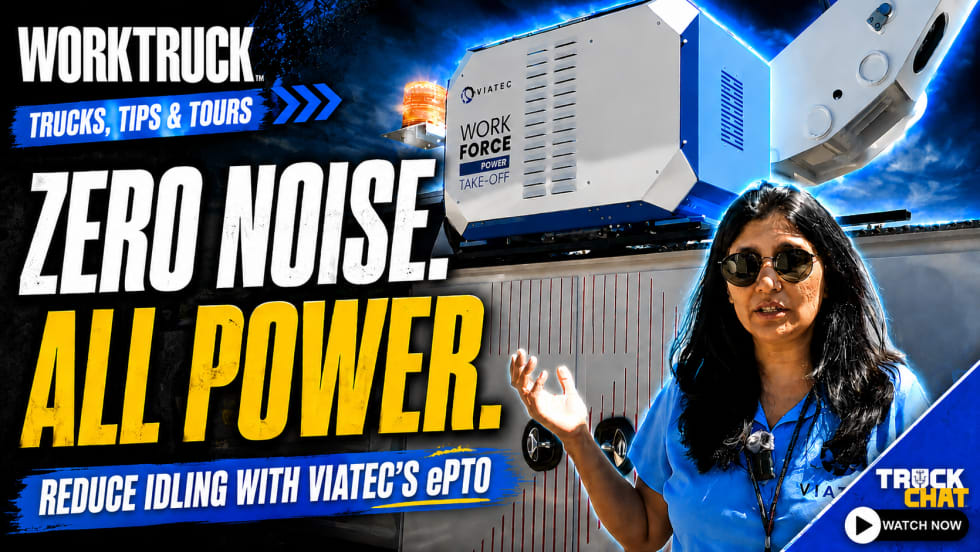
Reduce Noise & Idling with Viatec’s ePTO
Viatec's Workforce ePTO lets utility trucks power booms, outriggers, and auxiliary equipment using battery power instead of idling the engine. Learn how this technology helps reduce fuel use, noise, engine wear, and emissions while improving operator comfort.
Read More →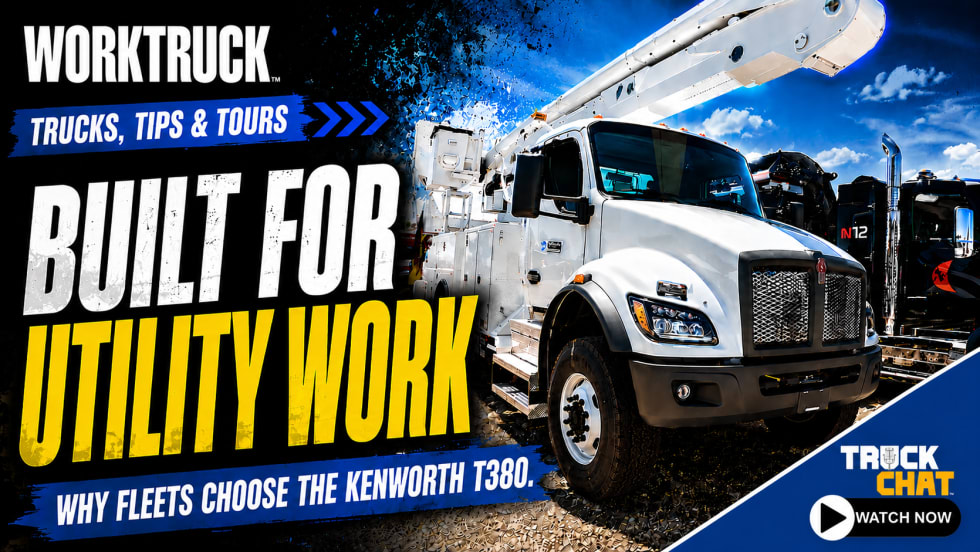
Why Utility Fleets Choose the Kenworth T380
The Kenworth T380 is engineered for utility fleets with custom chassis layouts, optimized frame rails, 4x4 capability, and improved driver visibility. See how its design helps maximize upfit flexibility and field performance.
Read More →
PALFINGER PB 38 AT P: Purpose-Built for Telecom Fleets
Purpose-built for telecommunications crews, the PALFINGER PB 38 ATP combines a 43-foot working height, flexible basket stowage, integrated cameras, and operator communication systems to improve productivity and safety during fiber and overhead cable installation.
Read More →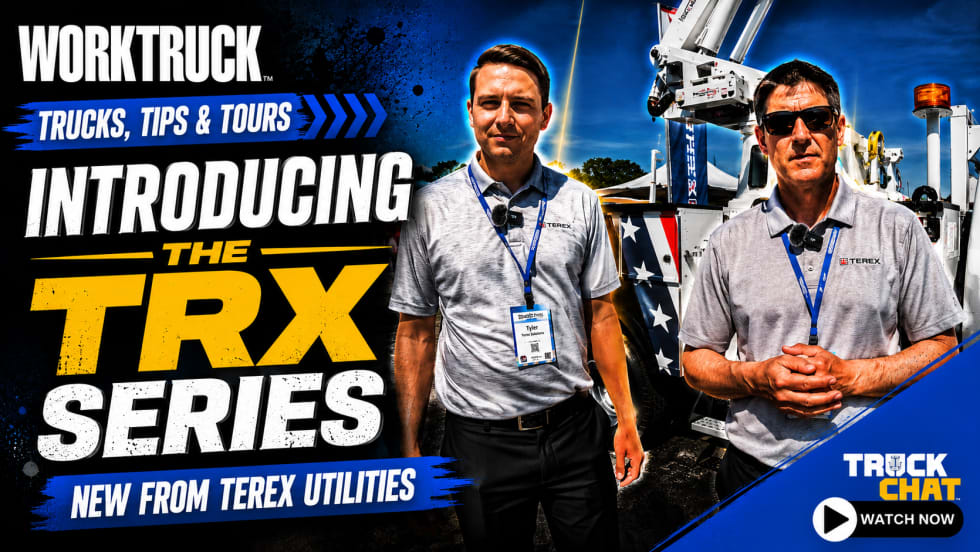
Inside Terex Utilities' Latest Work Truck Innovations
Terex Utilities is advancing utility fleet operations with its new TRX aerial platforms, Flex Pro controls, and AI-powered 3rd Eye safety technology. See how these innovations are helping fleets work safer, smarter, and more productively.
Read More →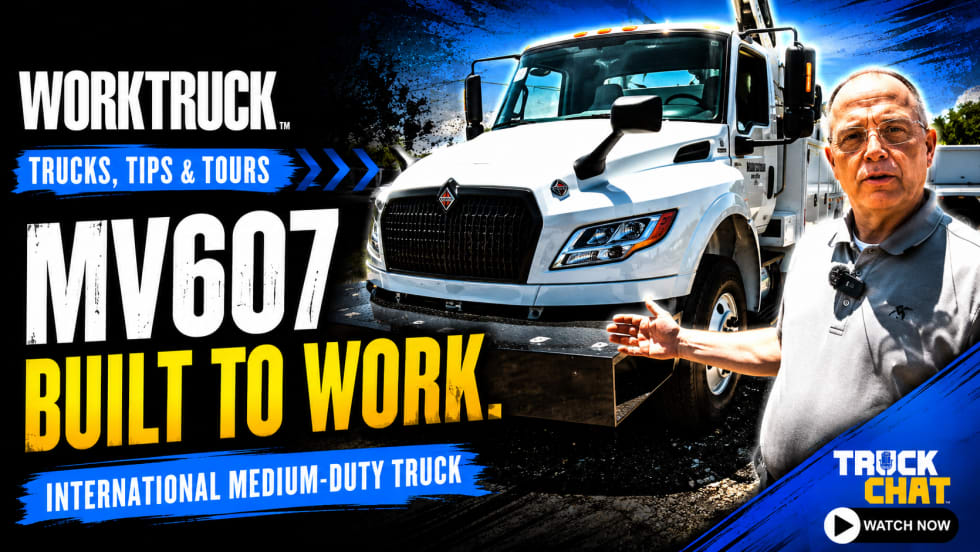
Walkaround of International MV607 Digger Derrick
The International MV607 combines advanced safety technologies, excellent visibility, vocational flexibility, and seamless body integration to create a powerful platform for utility fleet operations. Take a closer look at this Altec digger derrick configuration from EUFMC.
Read More →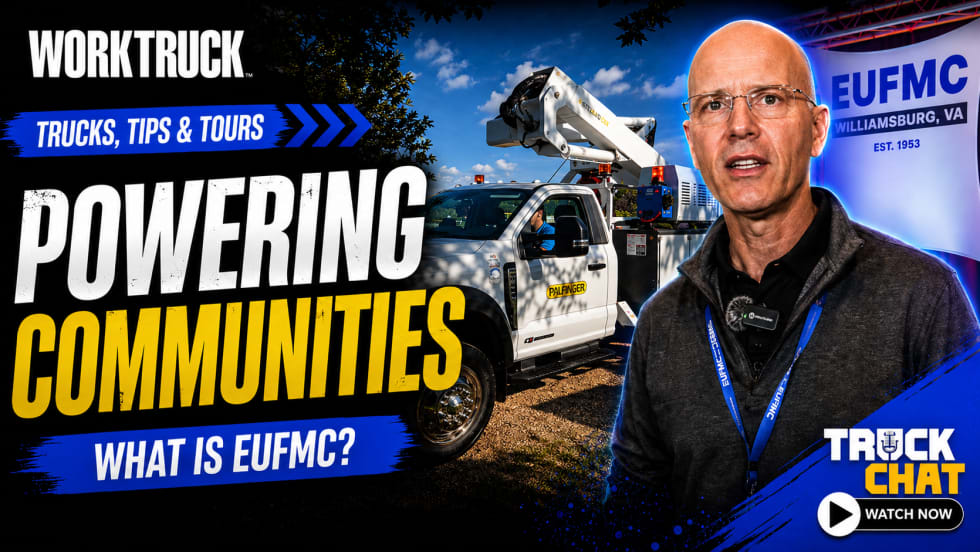
Inside the Electric Utility Fleet Managers Conference
What is EUFMC? For more than seven decades, the Electric Utility Fleet Managers Conference has served as a hub for collaboration, education, and innovation within the utility fleet industry. In this video, Work Truck talks to EUFMC President Greg Loew to learn more.
Read More →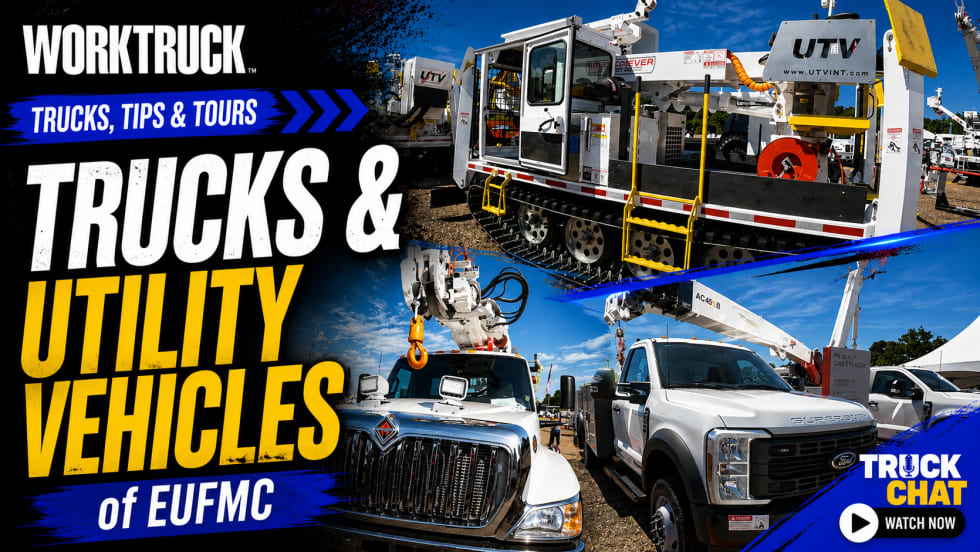
Inside the EUFMC Equipment Expo & Drive-Through
Follow Work Truck as we check out the trucks and other vehicles that were showcased at the Electric Utility Fleet Managers Conference in Williamsburg, Virginia. Whether looking for something on tires or treads, it was there for fleet managers to see.
Read More →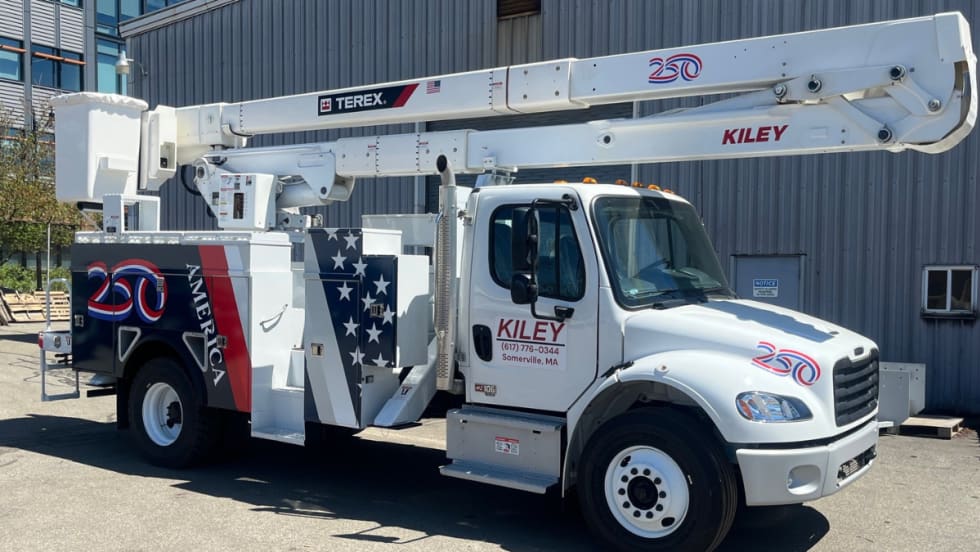
Terex Utilities & Kiley Unveil Custom America 250 Bucket Trucks at EUFMC 2026
Terex Utilities showcased a patriotic spirit in its booth this week during the Electric Utility Fleet Managers Conference in Williamsburg, Virginia, by debuting two custom-wrapped bucket trucks celebrating America’s upcoming 250th anniversary.
Read More →
Panasonic Connect & Anterix Strengthen Connectivity Options for Utilities and Field Workers
The Panasonic Connect Toughbook 56 is the first Toughbook to earn the AnterixActive badge, which means it can connect to and operate on Anterix’s 900 MHz network even in the most remote locations.
Read More →
Streamlight Launches Portable Scene Light III & LiteBox 1Million
Streamlight has launched its Portable Scene Light III (PSL III), which delivers up to 10,000 lumens, and the LiteBox 1Million, a long-range search light that delivers one million candela.
Read More →