




Renewable Properties Adds EV Fleet Charging-as-a-Service
The first station will act as a model for deploying more private charging depots for medium- and heavy-duty electric truck and bus fleets on the West Coast.

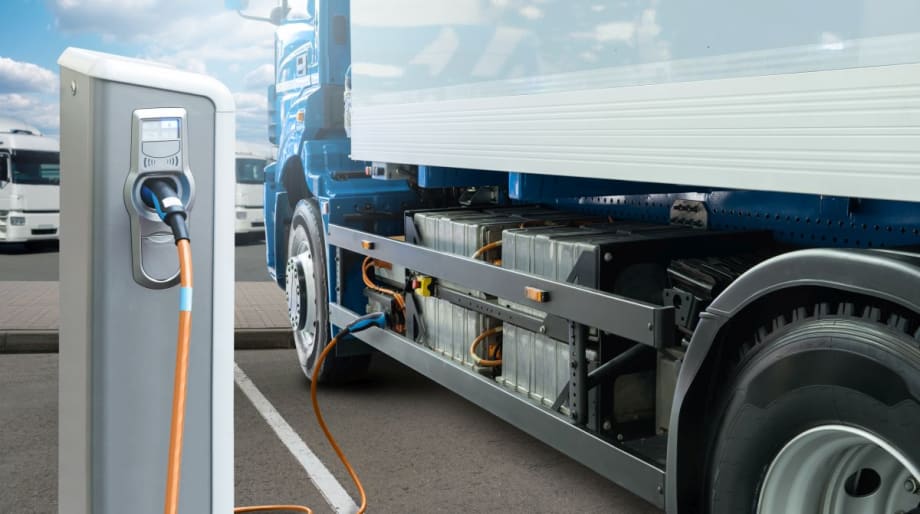
Charging at Renewable Properties’ depots will be offered via a charging-as-a-service agreement similar to a power purchase agreement (PPA), with no upfront costs to fleet owners and operators.
Photo: Renewable Properties
Renewable Properties, a developer and investor in small-scale utility and community solar projects, has launched a new electric vehicle fleet charging service. The service will leverage the company’s extensive community solar development, land acquisition, and electrical infrastructure expertise to provide a turnkey charging solution for companies transitioning their truck fleets from fossil fuels to electric power.
Renewable Properties has selected global engineering and construction company Black & Veatch to design the first EV charging station on land that Renewable Properties recently acquired in Vacaville, California, a Bay Area transportation and distribution hub for major retail brands.
This first station will act as a model for deploying more private charging depots for medium- and heavy-duty electric truck and bus fleets on the West Coast.
“The already-growing need for EV fleet charging is now more urgent with California’s new requirements for fleet electrification,” said Aaron Halimi, Founder & CEO of Renewable Properties. “With our simple, straightforward charging-as-a-service solution, our work with Black & Veatch, plus our deep experience in distributed electrical infrastructure development and land acquisition, Renewable Properties is uniquely positioned to relieve fleet owners of the burden of navigating the complex implementation of EV charging infrastructure.”
How will Charging-as-a-Service Work?
Charging at Renewable Properties’ depots will be offered via a charging-as-a-service agreement similar to a power purchase agreement (PPA), with no upfront costs to fleet owners and operators. Renewable Properties will site, build, own, operate, and maintain the gated depots, with customers paying only for the kilowatt-hours used to charge their EVs.
The charging depots will feature reserved electrical capacity, secure yards, vehicle storage, and EV chargers that will be compatible with most electric truck brands.
California businesses must comply with the state’s Advanced Clean Fleets (ACF) Regulation, which went into effect on Jan. 1, 2024. ACF prescribes a phased-in transition to EV fleets, requiring any fleet operator with revenue greater than $50 million, or that controls more than 50 trucks, to begin electrifying their fleets.
Affected fleet owners include retail brands with warehouse and distribution centers; public entities, including municipalities, tribal governments, state governments, county governments, public schools, colleges, and universities; as well as owners of drayage truck fleets that transport cargo to and from California’s seaports and rail yards.
With these entities now facing benchmarks for electrifying their fleet vehicles, demand for EV fleet charging is set to skyrocket. But few options are currently available. Renewable Properties’ new service will be instrumental in filling the EV fleet charging gap in California and other states that are moving to set fleet electrification targets.
“Black & Veatch continues accelerating the world’s transition to electric vehicles, and we’re pleased to be a part of Renewable Properties’ new service,” said Randal Kaufman, sales director for Black & Veatch. “As a leader in zero-emission vehicle infrastructure, we bring together key aspects of EV charging, distributed generation and high-power delivery infrastructure that are essential to keeping EV projects in motion.”
More Green Fleet

Fleet Forward Conference Introduces One-Day Passes for 2026
New one-day registration gives fleet professionals the flexibility to attend Tuesday, Wednesday, or Thursday, with passes available for $199 through Sept. 18.
Read More →
CALSTART Rebrands as Catalyst Mobility, Will Combine with Forth in 2027
CALSTART has rebranded as Catalyst Mobility and will combine with Forth at the start of 2027. The new organization said it is poised to become one of the world's largest, strongest, and most impactful clean transportation nonprofits.
Read More →
Electric Truck and Charging Programs to Boost Sustainability at NY & NJ Ports
Together, the Port Authority of New York and New Jersey and CALSTART will electrify drayage and terminal operations serving the East Coast’s busiest container port. A pair of incentive programs totaling $45 million has launched to accelerate adoption of zero-emission drayage trucks and terminal tractors.
Read More →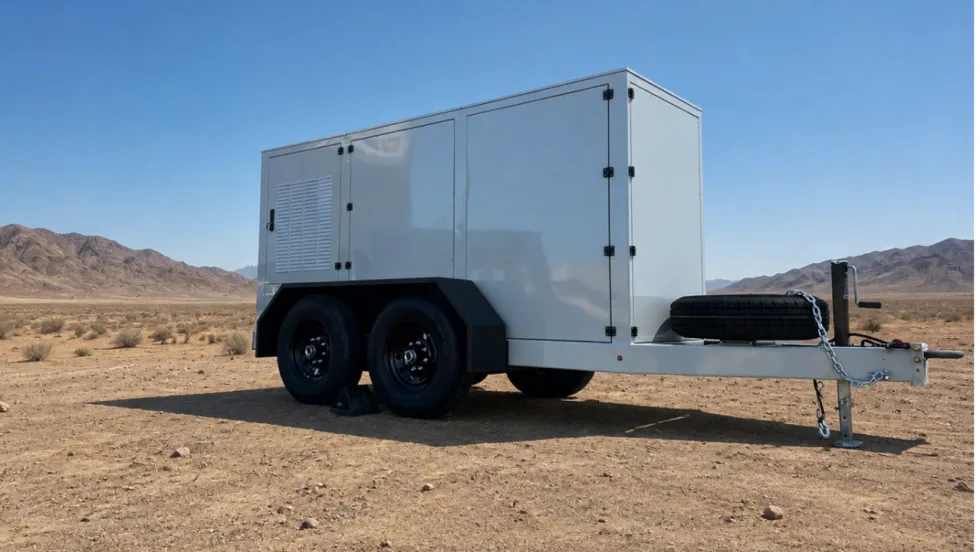
Xos Hub Surpasses One Gigawatt-Hour of Energy Delivered in the Field
A single Xos Hub has surpassed one gigawatt-hour of energy across more than 33,600 charging sessions in the field, demonstrating performance that supports Xos' expansion across new products and markets.
Read More →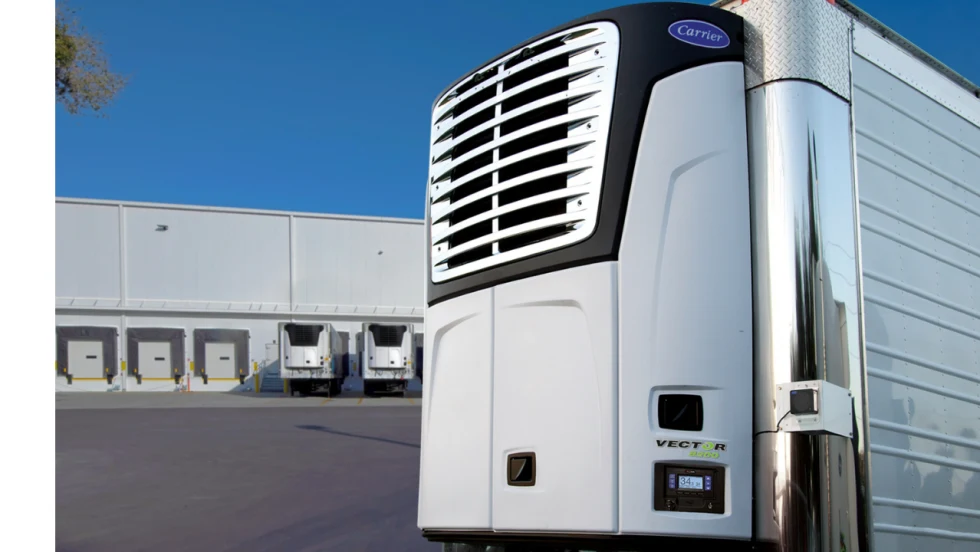
Carrier Transicold Launches All-Electric Vector 8200 TRU for Diesel-Free On-Site Cold Storage
Carrier Transicold’s first engineless multi-temperature TRU helps fresh- and frozen-food fleets add supplemental cold storage capacity during seasonal peaks.
Read More →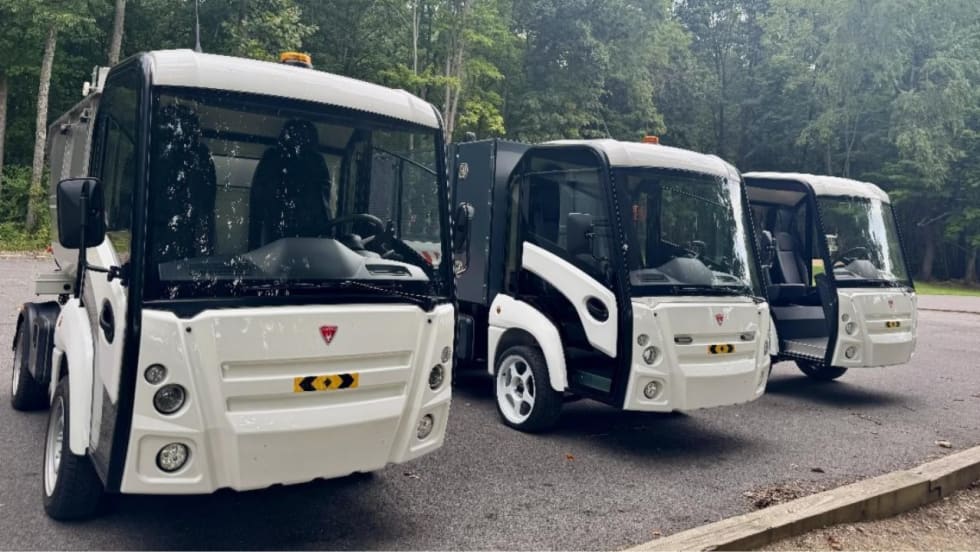
Narro Trucks Introduces Electric Utility Vehicle
Narro Trucks officially launched its operations on Aug. 20 and hosted a ride and drive to showcase its electric truck, which will be produced in Virginia.
Read More →
Samsung SDI Takes Full Control of GM Battery JV as Indiana Plant Pivots to Energy Storage
Samsung SDI is taking full control of its Indiana battery plant with GM, marking a major shift from the EV-focused joint venture Charged Fleet first covered in 2023.
Read More →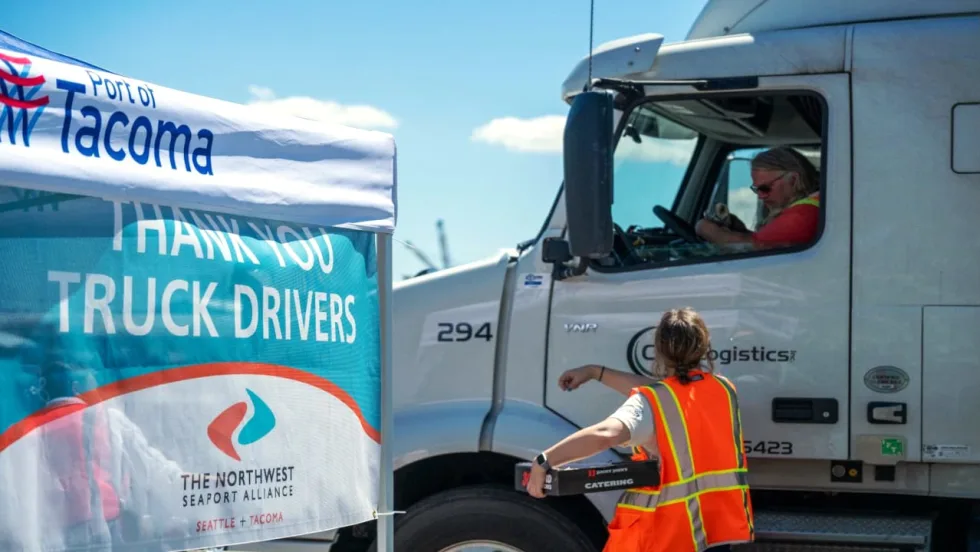
NWSA Taps CALSTART to Administer Zero-Emission Drayage Assistance Program
CALSTART will provide free technical assistance services to drayage fleets serving the Ports of Seattle and Tacoma and looking to transition to cleaner technologies and help decarbonize freight hubs.
Read More →
EV Fleet Reality Check: What Operators Wish They Knew Before Electrifying Their Work Vans
Electric work truck upfits bring new compatibility questions. Learn how parts availability, OEM guidance, power demands, and route planning can affect fleet performance.
Read More →
Peterbilt Expands Sourcewell Partnership with Electric Vehicle Lineup
Peterbilt Motors Company’s cooperative purchasing agreement with Sourcewell and its Canadian partner, Canoe Procurement Group, now includes including Peterbilt's battery-electric vehicle lineup.
Read More →