





Learn More: Preparing to Comply with California’s New Fleet Rules Requiring Zero-Emission Vehicles
PG&E Aims to Advance EV Tech
PG&E celebrates National Drive Electric Week by sharing how it is helping to make EV ownership affordable for all.
September 29, 2023
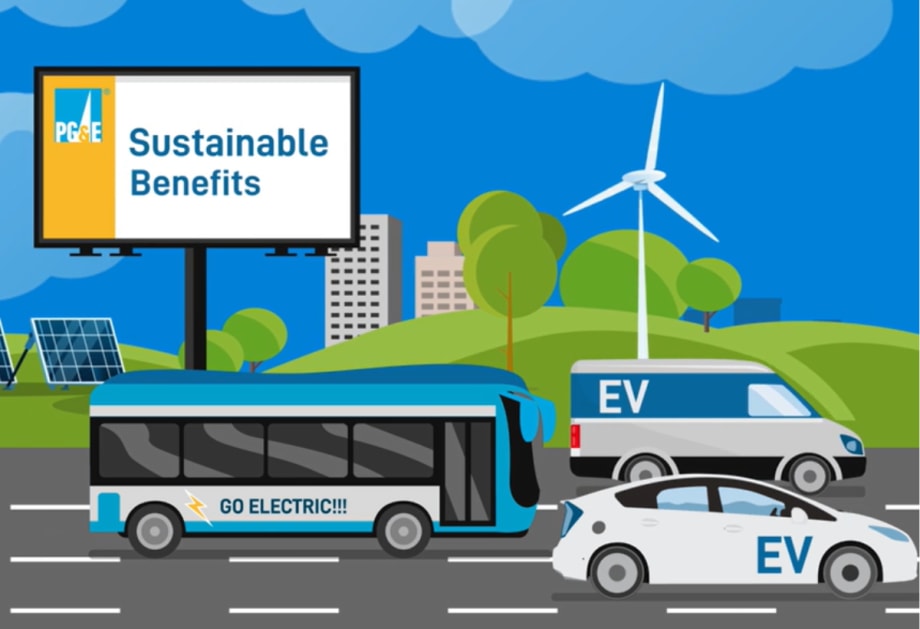
PG&E offers a variety of tools and resources to help educate customers regarding EV ownership.
Photo: PG&E
5 min to read
In recognition of National Drive Electric Week (Sept. 22 - Oct. 1, 2023), Pacific Gas and Electric Company (PG&E) shared its progress to advance technology that will enable electric vehicles (EV) to serve as virtual power sources to help offset load growth and deliver a clean energy future.
PG&E highlighted the resources, programs, and incentives the company offers to help make EV ownership more affordable for all customers.
Getting Grid Ready for 3 Million EVs
Around one out of every seven electric vehicles nationwide are connected to PG&E's grid.
This accounts for roughly 518,000 electric vehicles, boasting a combined battery storage capacity of 6 gigawatts—nearly three times greater than the generation capacity of the Diablo Canyon Power Plant.
Anticipating a substantial surge in electric vehicle adoption in the coming decades, PG&E is proactively enhancing the grid infrastructure.
The aim is to support at least 3 million electric vehicles efficiently and safely by 2030. Additionally, PG&E is actively engaged in collaborative efforts to advance technology capable of harnessing clean energy from solar and wind sources.
This innovation aims to power the electric grid and offset a significant portion of the projected 70% increase in load over the next 20 years.
“California is still in the early stages of an exciting energy transformation, and EVs are front and center as we reimagine the energy system for the future. Bi-directional charging technology is available today that gives EV owners the ability to power their homes in the event of an outage or to offset energy use. We are collaborating with automakers and some of the world’s top innovators to test applications that will enable us to harness the power of EV batteries as a grid resource to support peak electricity demand periods and decarbonize the economy at the lowest societal cost. The technology will also enable EVs to play a big role in offsetting some of the load growth associated with California’s path forward to electrification,” said Jason Glickman, PG&E Executive Vice President, Engineering, Planning & Strategy.
PG&E Partners With Auto Giants
PG&E has joined forces with BMW of North America, Ford Motor Company, and General Motors to conduct vehicle-grid integration (VGI) application trials.
The initiative involves the implementation of expansive bidirectional charging pilots, which assess various value streams, enabling diverse services while evaluating the cost-effectiveness of VGI.
These bidirectional charging pilots incorporate both initial and ongoing performance-based incentives. Notably, there are enhanced upfront incentives designed to alleviate affordability challenges, particularly in underserved communities.
“The technology we are building today will play an important role in increasing the amount of greenhouse gas (GHG)-free resources powering the grid by storing clean energy generated during the day to supplement the availability of clean energy during the peak evening demand period and overnight. At some point in the near future, we will have millions of EV providing power back to the grid to help utilities like ours meet peak electricity demand without the need for non-renewable energy resources,” said Glickman.
Other Ways PG&E Supports California’s EV Future
In addition to its VGI work creating a path for EVs to power customer homes and hometowns, PG&E is accelerating equitable EV adoption by:
Continued prioritization of grid readiness and building grid capacity to accommodate new EV demand through a multiyear grid investment plan.
Rapidly accelerating EV-enabling technology by partnering to explore and scale low-cost grid and infrastructure solutions, second-life battery programs, and other technologies.
Partnering with innovators across the entire EV value chain to build the large-scale electric infrastructure needed to incorporate EV charging systems into the grid.
PG&E is also deploying cost-efficient, targeted customer programs to accelerate equitable EV adoption with the aim to:
Increase access to EV infrastructure, by deploying chargers to support PG&E’s customers and setting aside budgets in programs for underserved communities.
Reduce the total cost of EV ownership for customers through innovative rate structures, like PG&E’s Electric Home Rate Plan for residential customers.
Increase EV customer awareness by partnering with community organizations to understand local education needs and tailoring tools and materials to drive EV adoption.
Seamlessly integrate EVs with the grid, enabling VGI, EV market participation, and grid support.
EV Customer Programs and Incentives
PG&E offers a variety of tools and resources to help educate customers regarding EV ownership.
Customers are invited to check out PG&E’s EV Savings Calculator, an online resource to browse vehicles, discover incentives, compare rate plans and locate charging stations. PG&E also offers an EV Checklist to help customers get started on the path to EV ownership.
PG&E encourages customers to check out the current programs offered to help ease the transition to EVs, including:
The Pre-Owned EV Rebate Program provides qualified residential customers up to $4,000 when purchasing or leasing a pre-owned all-electric or plug-in hybrid vehicle.
The Empower EV and Multifamily Housing and Small Business EV Charger pilot programs provide no-cost EV charging infrastructure and resources to help address the costs of installing chargers at single-family homes, multifamily housing units, nonprofit organizations and small businesses throughout low- and moderate-income communities in PG&E’s service area.
PG&E’s EV Fleet Program helps customers with medium- and heavy-duty vehicles in their fleets to install cost-effective charging infrastructure to save money, reduce tailpipe emissions and simplify maintenance.
Through its EV Fast Charge Program, PG&E is funding and installing infrastructure at qualifying customer sites to support the expansion of publicly available fast charging stations for light-duty vehicles.
PG&E’s Progress to Electrify Its Fleet
PG&E has committed to electrify its vehicle fleet in compliance with California’s Advanced Clean Fleets regulation with the goal to electrify 3,800 vehicles in its fleet by 2030.
Currently, approximately 11% of PG&E’s fleet of roughly 9,200 on-road vehicles are powered by alternative fuels including electricity.
More Utility Fleet
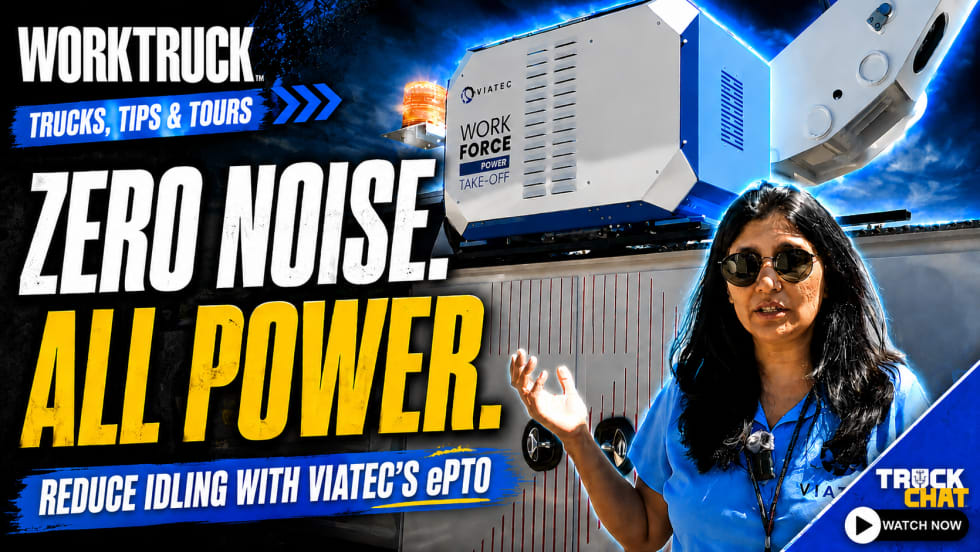
Reduce Noise & Idling with Viatec’s ePTO
Viatec's Workforce ePTO lets utility trucks power booms, outriggers, and auxiliary equipment using battery power instead of idling the engine. Learn how this technology helps reduce fuel use, noise, engine wear, and emissions while improving operator comfort.
Read More →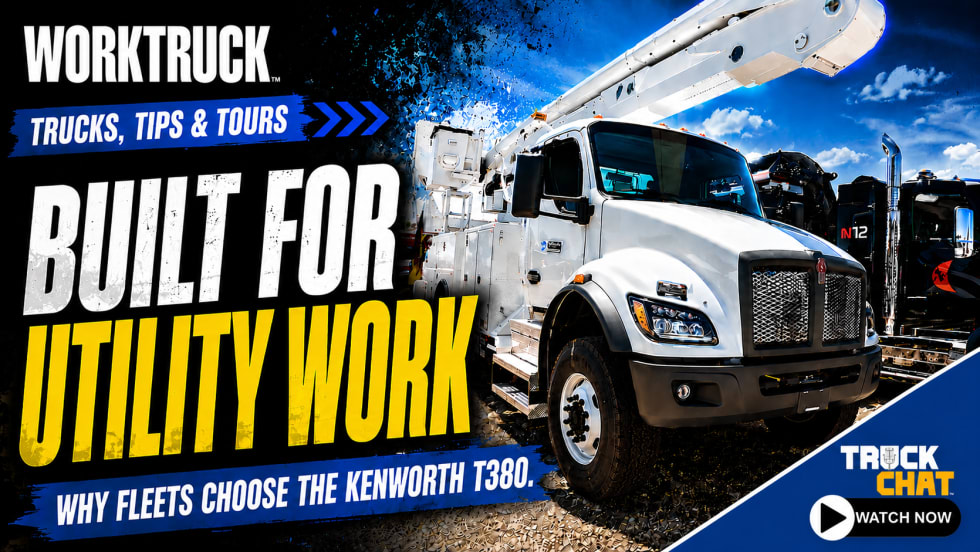
Why Utility Fleets Choose the Kenworth T380
The Kenworth T380 is engineered for utility fleets with custom chassis layouts, optimized frame rails, 4x4 capability, and improved driver visibility. See how its design helps maximize upfit flexibility and field performance.
Read More →
PALFINGER PB 38 AT P: Purpose-Built for Telecom Fleets
Purpose-built for telecommunications crews, the PALFINGER PB 38 ATP combines a 43-foot working height, flexible basket stowage, integrated cameras, and operator communication systems to improve productivity and safety during fiber and overhead cable installation.
Read More →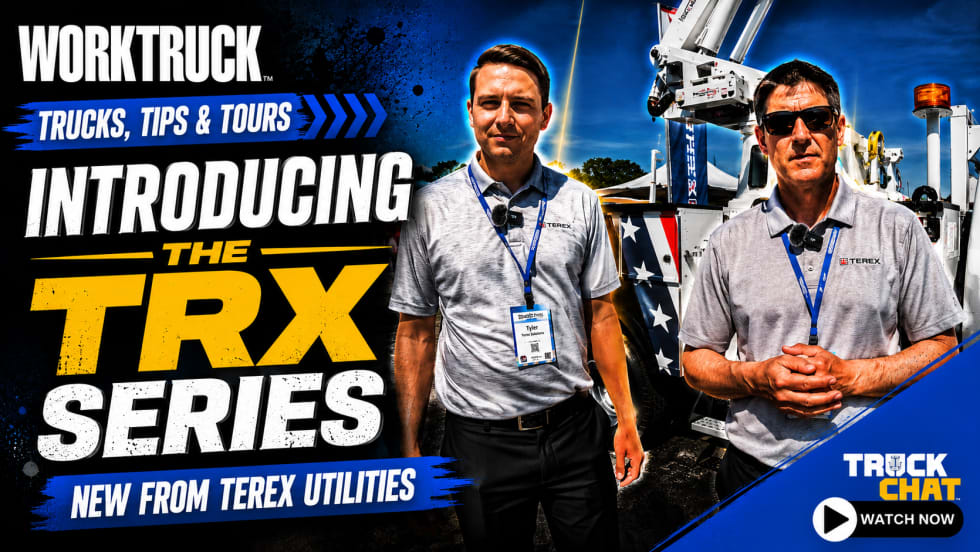
Inside Terex Utilities' Latest Work Truck Innovations
Terex Utilities is advancing utility fleet operations with its new TRX aerial platforms, Flex Pro controls, and AI-powered 3rd Eye safety technology. See how these innovations are helping fleets work safer, smarter, and more productively.
Read More →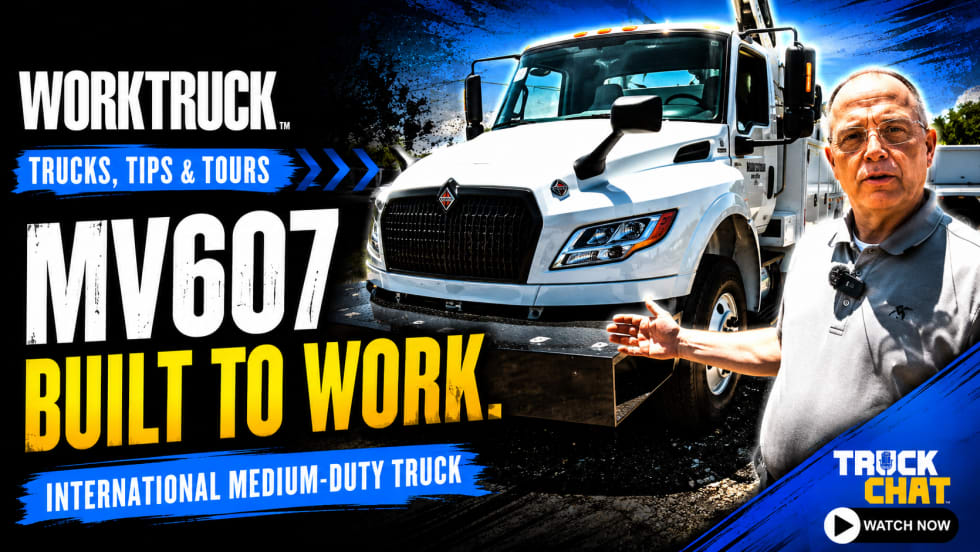
Walkaround of International MV607 Digger Derrick
The International MV607 combines advanced safety technologies, excellent visibility, vocational flexibility, and seamless body integration to create a powerful platform for utility fleet operations. Take a closer look at this Altec digger derrick configuration from EUFMC.
Read More →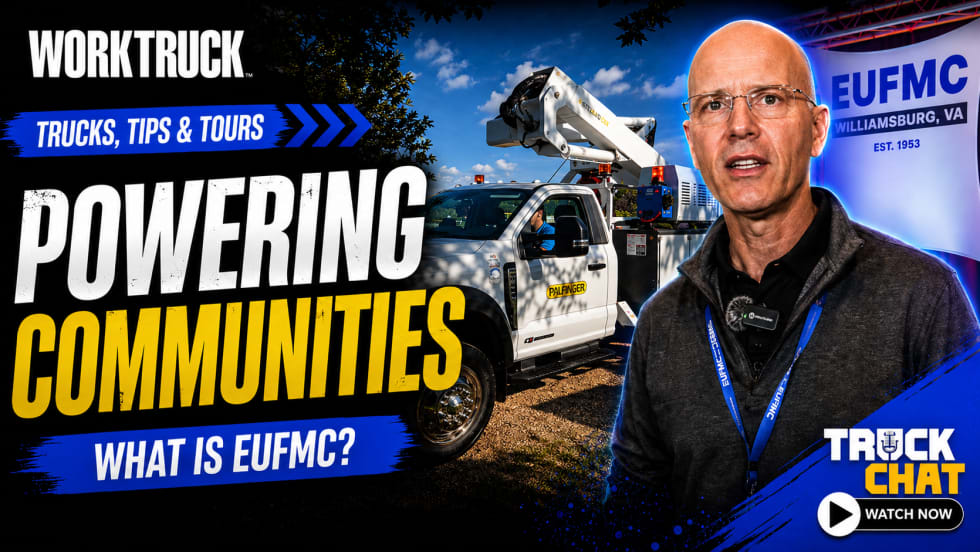
Inside the Electric Utility Fleet Managers Conference
What is EUFMC? For more than seven decades, the Electric Utility Fleet Managers Conference has served as a hub for collaboration, education, and innovation within the utility fleet industry. In this video, Work Truck talks to EUFMC President Greg Loew to learn more.
Read More →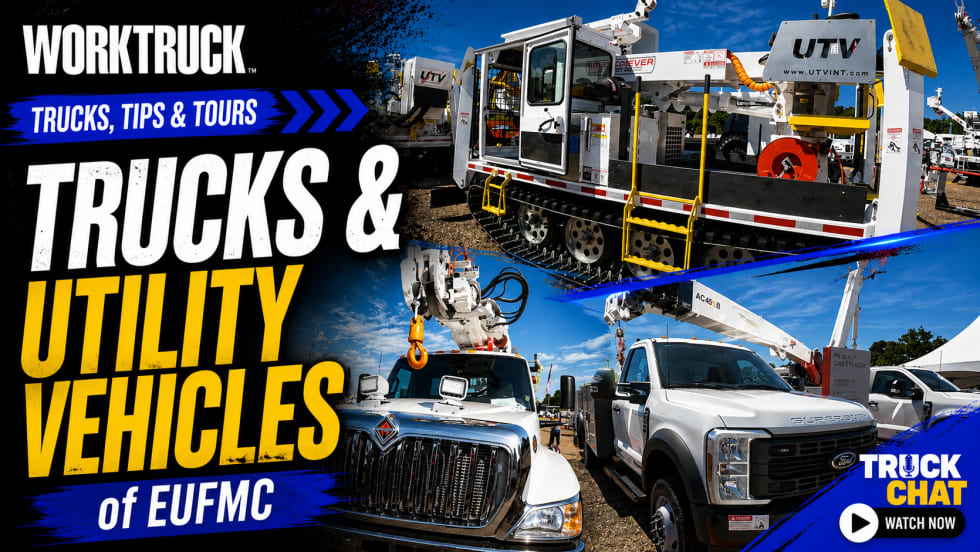
Inside the EUFMC Equipment Expo & Drive-Through
Follow Work Truck as we check out the trucks and other vehicles that were showcased at the Electric Utility Fleet Managers Conference in Williamsburg, Virginia. Whether looking for something on tires or treads, it was there for fleet managers to see.
Read More →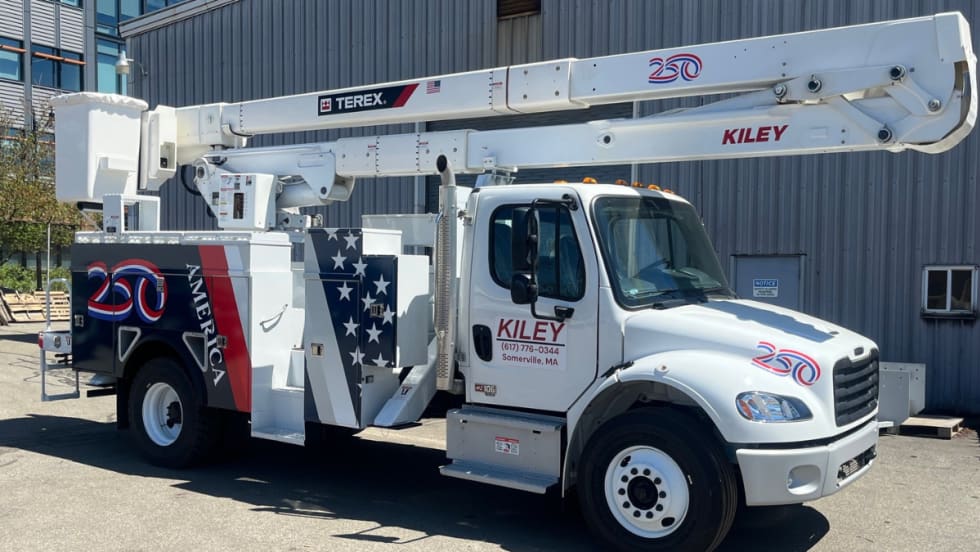
Terex Utilities & Kiley Unveil Custom America 250 Bucket Trucks at EUFMC 2026
Terex Utilities showcased a patriotic spirit in its booth this week during the Electric Utility Fleet Managers Conference in Williamsburg, Virginia, by debuting two custom-wrapped bucket trucks celebrating America’s upcoming 250th anniversary.
Read More →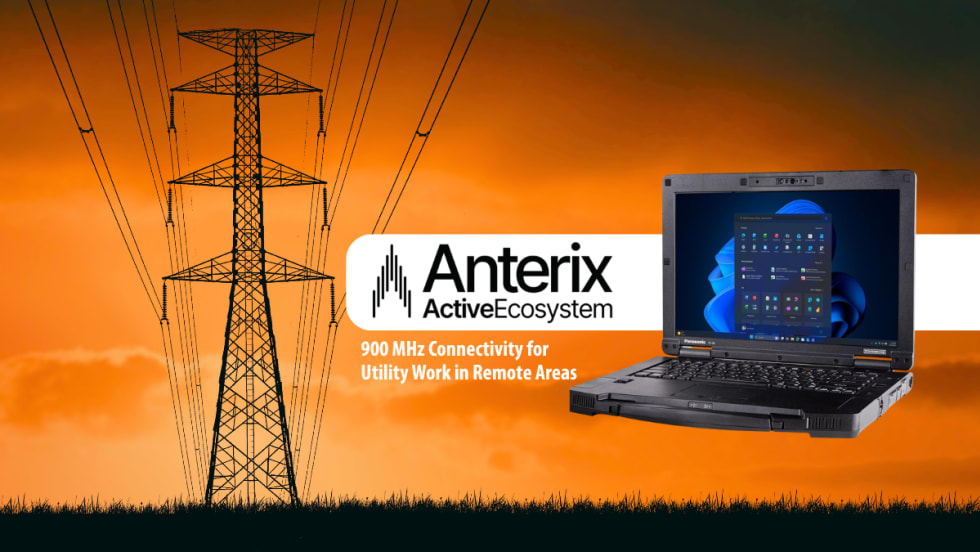
Panasonic Connect & Anterix Strengthen Connectivity Options for Utilities and Field Workers
The Panasonic Connect Toughbook 56 is the first Toughbook to earn the AnterixActive badge, which means it can connect to and operate on Anterix’s 900 MHz network even in the most remote locations.
Read More →
Streamlight Launches Portable Scene Light III & LiteBox 1Million
Streamlight has launched its Portable Scene Light III (PSL III), which delivers up to 10,000 lumens, and the LiteBox 1Million, a long-range search light that delivers one million candela.
Read More →