




Peterbilt Model 220EV Qualifies for CARB HVIP Voucher
All Peterbilt Model 220EVs sold to customers in California are eligible for a $95,000 HVIP voucher.

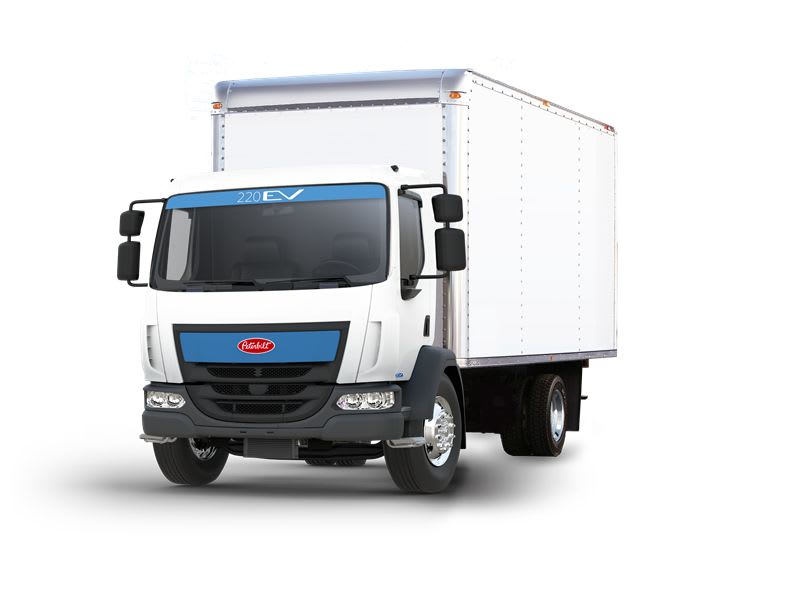
The Model 220EV is now available for customer orders with deliveries expected by the end of 2020.
Photo: Peterbilt
The 2020 Peterbilt Model 220EV is now eligible for the Hybrid and Zero-Emission Truck and Bus Voucher Incentive Project (HVIP) program by the California Air Resources Board (CARB).
All Peterbilt Model 220EVs sold to customers in California are eligible for a $95,000 HVIP voucher. To receive a voucher, vehicle purchasers and participating dealers must meet all applicable project requirements identified in the HVIP Implementation Manual.
“Having our Model 220EV eligible for a HVIP voucher should dramatically help reduce purchasing costs for California-based companies looking to add Peterbilt medium duty EVs to their fleet,” said Jason Skoog, Peterbilt general manager and PACCAR vice president. “Combined with our recently announced PacLease introductory offer, it’s a great time for California customers to order a Model 220EV.
The Model 220EV is now available for customer orders with deliveries expected to start by the end of 2020.
Dig Deeper:
More Vehicle Research
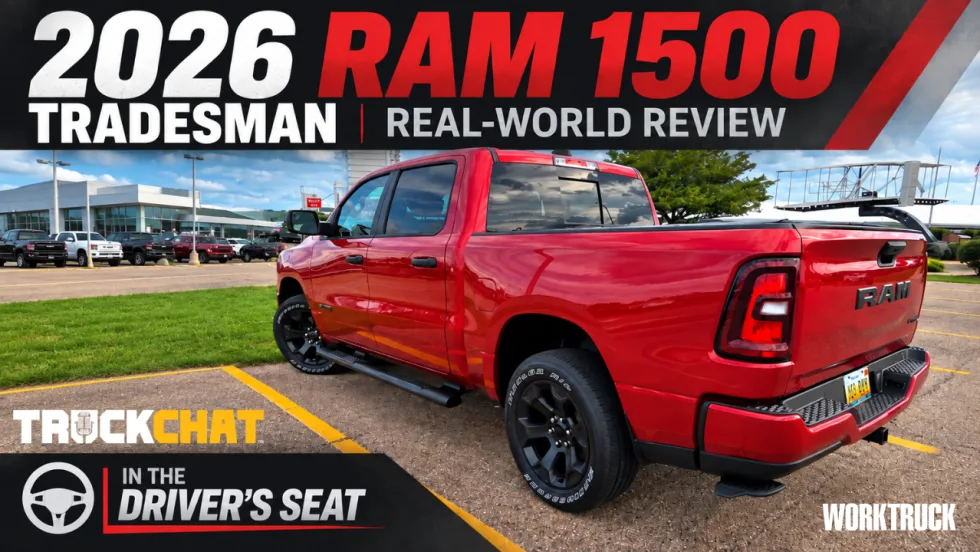
2026 Ram 1500 Tradesman Put to a Real-World Fleet Test
A few days behind the wheel of a 2026 Ram 1500 Tradesman turned into a test of visibility, parking, work-ready features, and even severe-weather driving.
Read More →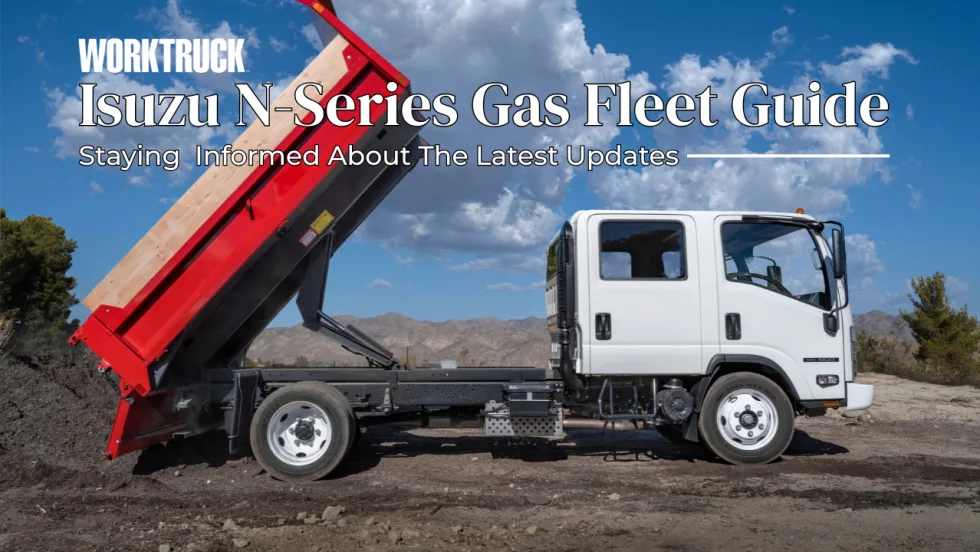
Isuzu N-Series Gas Fleet Guide: Specs, Capability and 2027 Model-Year Updates
Explore Isuzu Truck North America’s N-Series Gas fleet specs, engine performance, GVWR and payload capability, configurations, chassis dimensions, work-focused features, and 2027 model-year information.
Read More →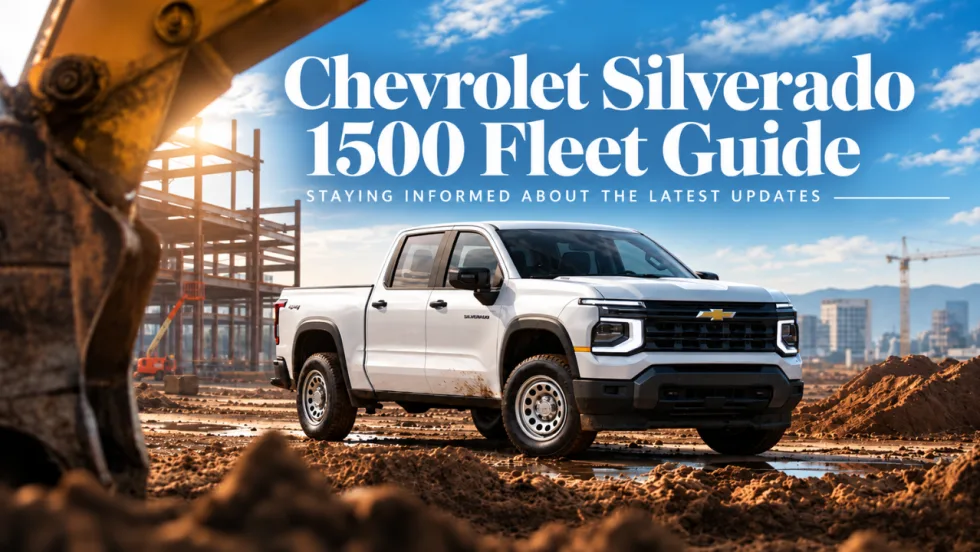
Chevrolet Silverado 1500 Fleet Guide Specs Capability and 2027 Model-Year Updates
The next-generation 2027 Chevrolet Silverado 1500 brings new V-8 engines, updated technology, expanded safety features, and a fleet-focused Work Truck. Here’s what commercial fleets need to know so far.
Read More →
Ram ProMaster City Fleet Guide Specs Cargo Capacity and 2027 Updates
Work Truck’s Ram ProMaster City Fleet Guide tracks the latest specifications, cargo capability, configurations, fleet technology, pricing, and model-year updates for Ram’s mid-size commercial van.
Read More →
Ford F-150 Fleet Guide Specs Capability and 2026 Model-Year Updates
Explore 2026 Ford F-150 fleet specs, engines, towing and payload capability, configurations, work features, technology, and model-year updates.
Read More →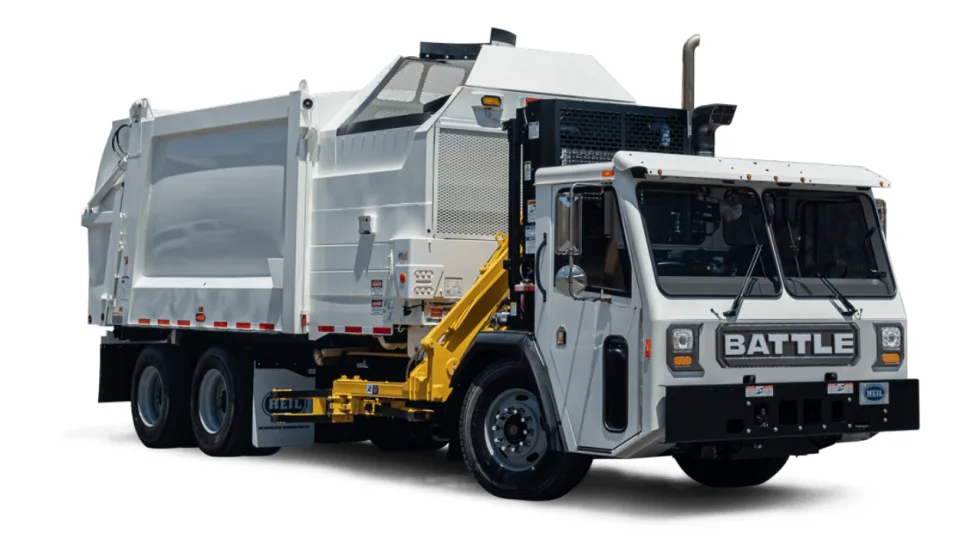
TCI Now Sells & Supports Battle Motors’ Vocational Trucks
Midwest truck dealer Truck Centers, Inc. (TCI) has expanded its transportation solutions with sales and service support for Battle Motors’ heavy-duty vocational trucks at locations in locations in Indiana, Illinois, and Missouri
Read More →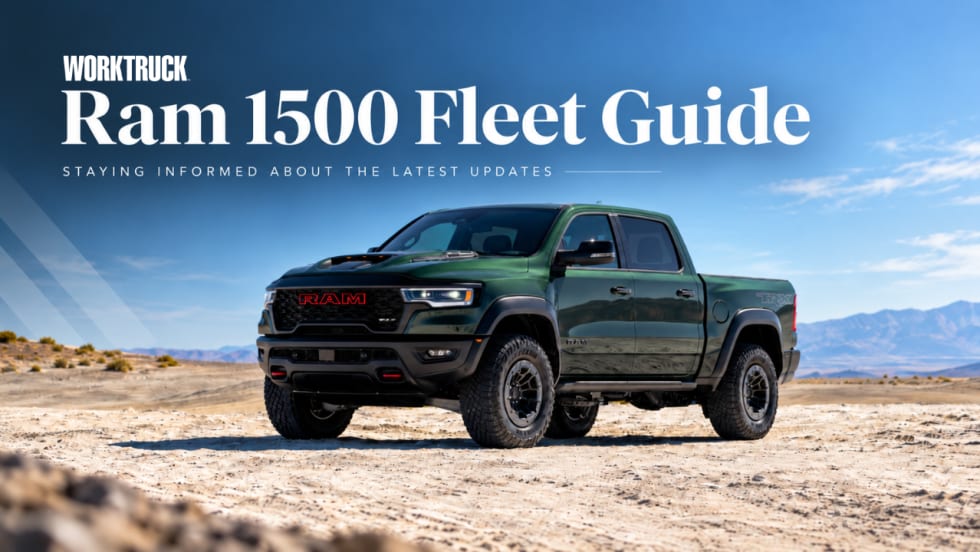
Ram 1500 Fleet Guide Specs, Capability and 2027 Model-Year Updates
Explore always up-to-date Ram 1500 fleet specs, engines, towing and payload capability, configurations, technology, pricing updates, and model-year changes.
Read More →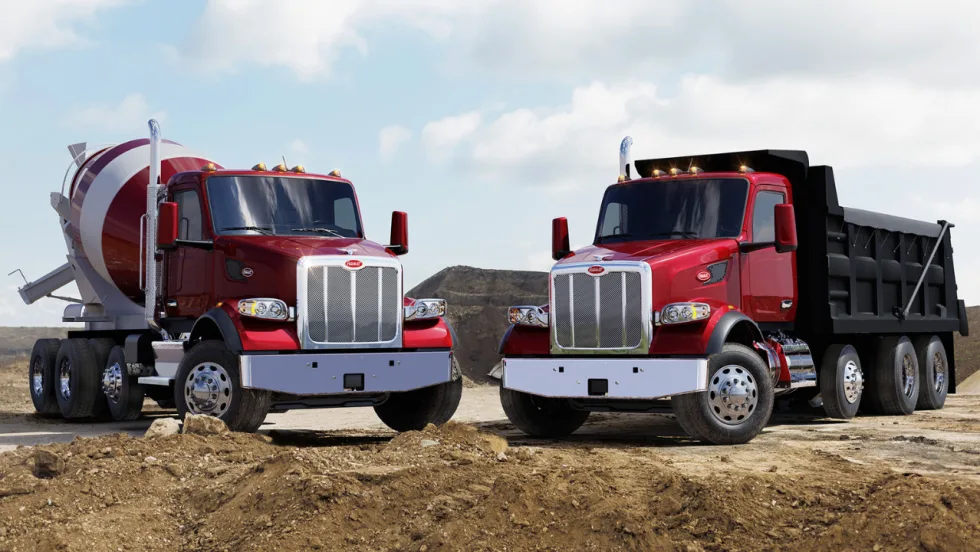
Peterbilt Trucks Equipped with Paccar TX-18 Pro Boost Efficiency for Maryland Fleet
Patuxent Companies is replacing aging trucks with the Peterbilt Model 567 and Model 589, specified with the Paccar TX-18 Pro 18-speed automated transmissions, and is reporting an 8% to 10% improvement in fuel economy.
Read More →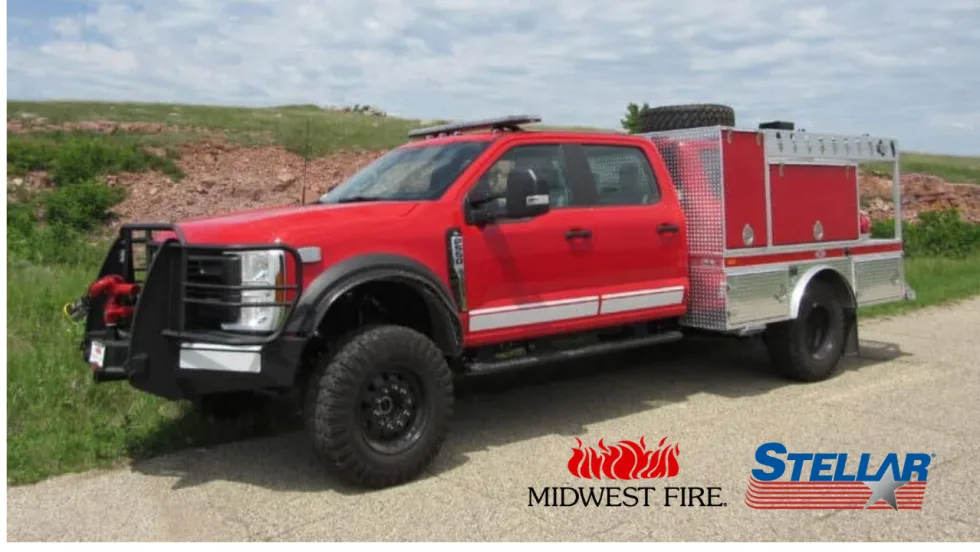
Stellar Expands into Fire Apparatus Market with Acquisition of Midwest Fire
Stellar Industries has acquired Midwest Fire, a custom fire apparatus manufacturer headquartered in Luverne, Minnesota, with nearly four decades of specialized apparatus experience.
Read More →
Recalls You Need to Know About in August 2026
If you have Altec, Chrysler, Ford, Heil, General Motors, International, Mack Trucks, Paccar, Rivian, Royal Truck, Toyota, US Truck Body, or Volvo Trucks vehicles in your fleet, you should check these important recalls issued by the National Highway Safety Administration.
Read More →