




Navistar on Track with 2010 Engines as Final Testing Nears Completion
WARRENVILLE, IL - Navistar announced it is on track with its 2010 engine testing and will be prepared for a successful engine launch in the months ahead.
WARRENVILLE, IL - Continuing on its path to meet the latest emissions requirements through its Advanced EGR (exhaust gas recirculation) MaxxForce engines, Navistar announced it is on track with its 2010 engine testing and will be prepared for a successful engine launch in the months ahead.
"We are on track with our strategy of 2010 emissions compliance through the use of our EGR-only solution and are ahead of schedule in some cases," said Jack Allen, president of Navistar's North American truck group. "With our line-up of MaxxForce Advanced EGR engines, we're delivering a simple and straightforward solution that places the responsibility of emissions compliance on us, the manufacturer, not the customer."
Final Testing Stages
Navistar has completed rigorous testing and analysis in both its engine labs and field test units during the last 18 months. This past March, Navistar completed its final stages of cold weather testing in northern Minnesota, one of the colder locations in North America, and well known for its frigid climate throughout the winter months.
"As we reach the final stages of our testing and validation processes, we're excited about our progress in bringing to market some of the cleanest and most energy-efficient diesel engines ever produced," said Ramin Younessi, group vice president, product development and business strategy. "Completing the validation phase of our test engines is a major milestone, but our work isn't done yet. As with any new engine program, up until the day we build that first truck, we will continue to fine tune our engines, make the necessary adjustments, test and validate to ensure our customers have the performance and reliability they expect."
The final validation testing at high altitude and high temperature is being conducted in Nevada and the mountainous regions of Colorado. Navistar engineers are currently completing the final evaluation of engine performance in high elevations with aggressive inclines and declines. Now that the warm summer months are here, Navistar engineers will travel to desert-like conditions in Arizona and Nevada to complete its 2010 hot weather testing. Navistar has more than 60 test vehicles in operation today, logging thousands of miles each and every week. As testing and validation is finalized in preparation for launch, these 2010 test vehicles will have logged millions of driving miles in real-world conditions.
The EGR Approach: Compliance from Manufacturer, not Driver
To meet the U.S. Environmental Protection Agency (EPA) and California Air Resources Board (CARB) 2010 emissions standards for on-highway diesel engines, MaxxForce Advanced EGR engines will use proven technologies such as advanced fuel injection, air management, electronic controls and proprietary combustion technology. Navistar's 2010 certified product meets the CARB NOx best achievable control technology (BACT) designation, assuring customers that Navistar's products will meet their needs not just today, but in the future as well.
Other major truck and engine manufacturers are choosing to meet 2010 emissions through liquid urea-based Selective Catalytic Reduction (SCR), which requires the use of the chemical urea, as well as significant aftertreatment equipment which will add hundreds of pounds to each vehicle.
Navistar's EGR approach does not require the use of urea or the addition of heavy on-vehicle urea storage tanks, converters, heaters, and the additional electronics required by SCR systems. MaxxForce Advanced EGR engines set Navistar apart from the competition with a no-hassle, business-as-usual solution that will deliver lower total operating costs for customers.
Since January, Navistar has been conducting extensive training sessions with customers and dealers, explaining the differences between EGR and SCR technology as well as the benefits from Navistar's early introduction of lower NOx technologies for the environment and our customers.
"We strongly believe emissions compliance should be the responsibility of the manufacturer, not the customer. Accountability for meeting emissions requirements should not rest on the actions of the driver, the reliability of very complex technologies, or even the impact of severe weather conditions," added Allen. "The development and testing of our EGR solution for 2010 is in advanced stages and we are confident that our engines will deliver the performance, reliability and low operating costs our customers demand."
More Operations
Where’s My Truck: Inside the Fleet Logistics Work Nobody Sees
Shades of Fleet video thumbnail featuring Lauren Fletcher beside the text “The People Behind the Process, Keeping Fleets Moving,” with fleet vehicles and logistics imagery in the background.
Read More →
Work Truck Seeks Fleet and Industry Insights on 2026 Trends and 2027 Forecasts
Work Truck is seeking insights from fleet leaders and industry partners on the trends that shaped 2026 and what commercial fleets should prepare for in 2027. Participate today!
Read More →
It's 10 p.m... Do You Know Who Has Access to Your Fleet?
Preventing cargo theft requires investment in technology, operational processes, and employee training. In an industry with tight margins, it can be difficult to justify investments whose value is measured by incidents that might never occur.
Read More →From Our Partners
Basic Tracking vs Next Generation Fleet Technology
Sponsored by AT&T Business

5 Facts Every Fleet Manager Should Know About Embedded Telematics
Sponsored by Stellantis/Mobilisights

How AI Video Telematics Boosts Driver Safety and Helps to Avoid Unnecessary Costs
Sponsored by Verizon Connect

Charting the 8 Bottom-Line Benefits of Workforce Optimization
Sponsored by Verizon Connect


GeoFencing Adds to Your Truck Security Arsenal
Geofencing is a familiar fleet tool today, but its early adoption marked a major shift in vehicle tracking, route monitoring, and the debate over employee privacy.
Read More →
Truckers’ Strike Rumors, New GM Engines, and Hidden Idling Costs Lead This Week’s News
Truckers’ strike rumors, GM’s new 2027 engines, hidden idling costs, racing lessons, IRP rules, and more headline this week’s Truck Chat Weekly Cheat Sheet.
Read More →
Shades of Fleet Wants to Hear From You About Building a Culture of Care
Fleet leaders, we want to hear from you. Share how empathy, trust, and creating space for people can strengthen your team, improve performance, and support retention.
Read More →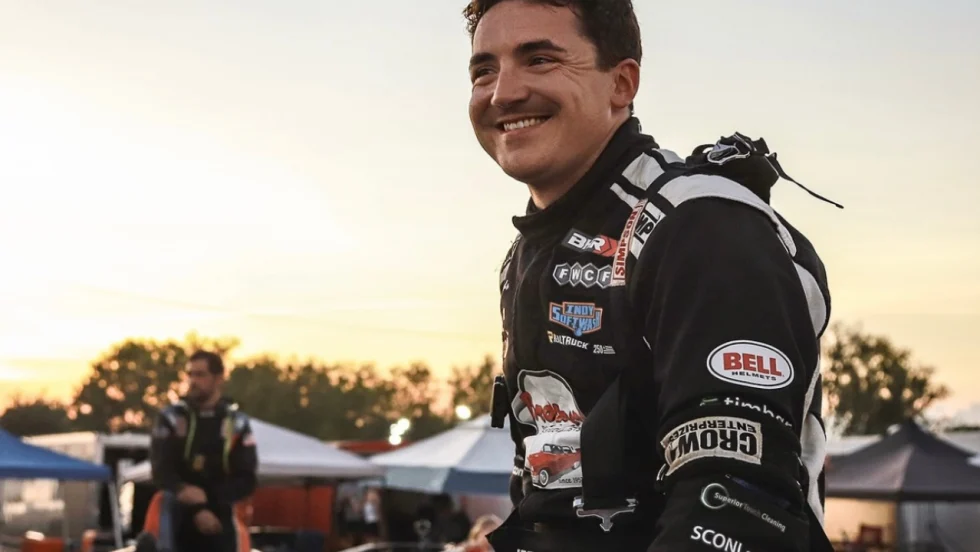
What Racing Can Teach Work Truck Fleets About the Work Nobody Sees
Race car driver and mechanical engineer Isaac Johnson shares practical lessons on preparation, relationships, setbacks, and building teams that perform when it counts.
Read More →
New Fleet Guides, Hidden Truck Wear, and Driver Fit Lead This Month
Our latest Truck Chat recap covers new Fleet Guides, hidden idling costs, driver fit, lighter-truck registration rules, and year-round technician appreciation.
Read More →
Work Truck Takes Fleet Rivalry Downhill to Support Skilled Trades
Team Fletcher claimed a head-to-head win and second overall as Work Truck and Automotive Fleet helped raise $22,000 for the Hourglass Foundation.
Read More →
From Ledger Books to AI Patti Earley Shares 40 Years of Fleet Lessons
Patti Earley, CAFM, shares what four decades in fleet have taught her about using data, building relationships, and listening to the people behind the vehicles.
Read More →