




Navigating the Alphabet Soup of Truck Acronyms
Nearly every full-size pickup owner has a unique use for his or her truck. And considering the GMC Sierra’s 19 different cab and box combinations, the veritable alphabet soup of models practically has its own language of acronyms.

Nearly every full-size pickup owner has a unique use for his or her truck. And considering the GMC Sierra’s 19 different cab and box combinations, the veritable alphabet soup of models practically has its own language of acronyms.
Some of the most important truck acronyms for owners to know are gross weight ratings. Exceeding any of a truck’s weight ratings is unsafe, and it’s a driver’s responsibility to know and avoid exceeding them.
“Nearly every vehicle performance attribute is designed and tested to one or more gross weight rating,” said Robert Krouse, General Motors trailering engineer. ”Body and chassis structural durability, powertrain and driveline durability, handling, braking, thermal and propulsion performance are all validated to specific ratings. That’s why it’s so important for owners to understand those limits.”
• GAWR, or Gross Axle Weight Rating, is the maximum amount of weight that can be placed on either a truck’s front or rear axle, including the weight of the truck, driver, passengers, equipment and cargo. A higher front GAWR generally means more capacity for accessories like plows, while a high rear GAWR relates to a higher payload.
• GVWR, or Gross Vehicle Weight Rating, is the maximum amount of weight for the entire truck and everything in it. This number isn’t simply each axle rating added together; for that to work, the owner would have to precisely load so that each axle weight rating is met just as the overall vehicle rating is met, which isn’t possible in real world conditions. As a result, GVWR is always lower than the sum of each axle to account for changes in weight distribution.
• GCWR, or Gross Combined Weight Rating, is the maximum weight of a truck and an attached trailer, plus everything in each of them. Some of a trailer’s weight is supported by the truck – this is known as tongue weight – a GCWR isn’t simply the GVWR plus the trailer’s weight. When attaching a trailer, an owner should factor tongue weight into a truck’s payload capacity.
The 2013 Sierra’s highest GCWR is 30,500 pounds for a 3500HD Duramax DRW model. DRW, another truck acronym, applies only to 3500HD one-ton pickups. It implies a “dual rear wheel” option, as opposed to a “single rear wheel,” or SRW.
The option adds not only higher payload and weight limits, but also better stability with a large trailer attached. For a 2013 Sierra 3500HD 4x4 Crew Cab, a DRW option adds 5,700 pounds of available trailer weight rating and 1,011 pounds of payload capacity.
More Operations

With 293% 3-Year Revenue Growth, Fleetworthy is One of the Fastest-Growing Private Companies in the U.S.
Fleetworthy has been named to 2026 Inc. 5000 list of fastest-growing private companies for the second consecutive year. It ranked No. 2 overall in the Albany-Schenectady-Troy, New York metro area.
Read More →
EV Fleet Reality, Ford Fathom, Robots, and Smarter Fleet Tech Lead the News
EV fleet lessons, Ford’s new Fathom electric truck, robots, manufacturing shifts, and smarter fleet technology headline this week’s Truck Chat Cheat Sheet.
Read More →
Elite 11 Semi-Finalists Announced for the 2026 Transition Trucking: Driving for Excellence Award
The 11 semi-finalists for the 2026 Transition Trucking: Driving for Excellence award have been announced. The award honors the achievements of military veterans who have transitioned into careers in the professional trucking industry.
Read More →
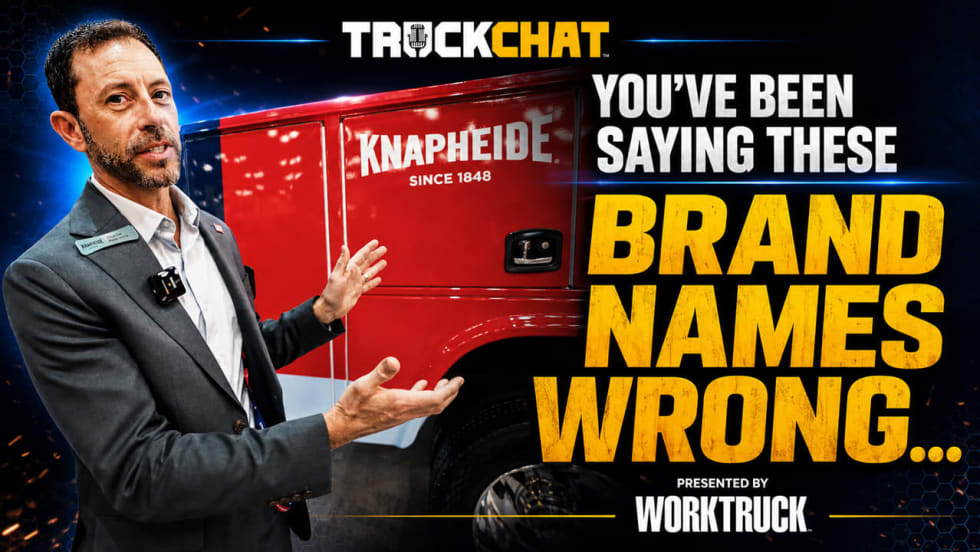
Are You Saying These Work Truck Company Names Correctly?
Think you know how to pronounce the biggest names in work trucks? We asked the companies themselves to settle it once and for all.
Read More →
Why Reactive Fleet Management Is Becoming Too Expensive to Sustain
Research highlights a growing need for proactive management strategies to address rising costs in fleet operations effectively.
Read More →
Is Your Fleet Structure Built to Scale?
As fleets grow across regions, structural inconsistencies can increase costs, limit visibility, and create operational risk. This guide helps fleet and business leaders evaluate whether their current operating model can support growth without sacrificing control or performance.
Read More →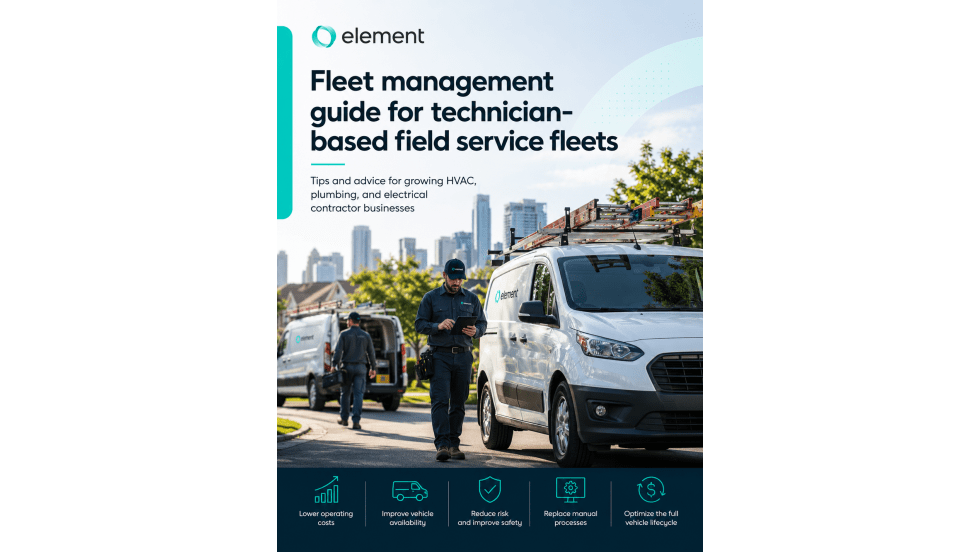
Fleet Management Guide for Growing Field Service Fleets
As HVAC, plumbing and contractor businesses grow, fleet complexity can begin to affect technician productivity, customer response times, operating costs, and revenue. This guide helps field service leaders build a more structured approach to managing vehicles, drivers, maintenance, safety, and lifecycle decisions.
Read More →
Fleet Forward Conference Registration Opens With Plenty on Tap for Work Truck Fleets
From commercial vehicle safety and AI to benchmarking, crash costs, OEM relationships, and autonomy, this year’s Fleet Forward Conference agenda has plenty aimed at the issues work truck fleets are dealing with now and preparing for next.
Read More →
Viatec Fleet Intelligence: Turning Fleet Data into Actionable Insights
Fleet managers don't need more data, they need better answers. Viatec's new Fleet Intelligence platform connects telematics, maintenance, fuel, finance, video, and other systems to deliver actionable insights through simple, natural language queries.
Read More →
Drones, Robots, DTNA Manufacturing Moves, and Smarter Fleet Tech Lead the News
Drones, robots, major manufacturing moves, and smarter connected fleet technology headline this week’s Truck Chat Cheat Sheet.
Read More →