




GMC Pickups 101: What’s in a Name?
DETROIT – When three truck builders – Randolph, Reliance, and Rapid – merged to become GMC in 1912, the brand’s range of gasoline- and electric-powered trucks used model numbers between 1 and 12, each denoting payload in thousands of pounds or how much weight could be loaded on the rear.
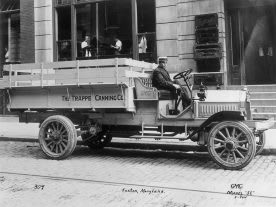
GMC pickup trucks were classified by payload ratings right in the brand’s earliest years. This 1913 2-ton model was used for deliveries by the Trappe Canning Company in Easton, Md.
DETROIT – When three truck builders – Randolph, Reliance and Rapid – merged to become GMC in 1912, the brand’s range of gasoline- and electric-powered trucks used model numbers between 1 and 12, each denoting payload in thousands of pounds, or how much weight could be loaded on the rear.

GMC pickup trucks were classified by payload ratings right in the brand’s earliest years. This 1913 2-ton model was used for deliveries by the Trappe Canning Company in Easton, Md.
Today, the labels “½-ton”, “¾-ton” and “1-ton” are still used industry wide for fullsize pickup truck classes despite their having little connection to the trucks’ capabilities. For 2013, a GMC Sierra 1500 “½-ton” has a payload capacity that ranges from 1,550-1,940 pounds – considerably more than the 1,000 pounds once implied. A “1-ton” Sierra 3500HD can haul up to 7,215 pounds; almost four times the 2,000 pounds its moniker suggests.
“The payload-based naming convention for pickups existed right from the beginning,” said General Motors Heritage Center Manager Greg Wallace. “The ½-ton, ¾-ton, and 1-ton models became most popular with retail customers over a few decades, not just for GMC but all manufacturers. While payload capacities have grown since, those three names stuck.”
As with payload classifications, GMC helped pioneer other naming conventions for pickups. In 1967, GMC was the first company to use 1500, 2500 and 3500 to designate its three truck models, numbers that were based off the first segment of vehicle identification numbers, or VINs, and denoted hauling capability. Those numbers remain an integral part of the GMC naming strategy and every current fullsize truck sold by an American automaker uses numbers starting with 15, 25 and 35 to denote the three classifications.
The Sierra name became standard for all GMC fullsize pickups in 1989 after being used for various upscale trim packages through the ‘70s and ‘80s. The 2013 Sierra 1500 represents the core of GMC’s truck business, while the purpose-built Sierra 2500HD and 3500HD models are some of the most-capable pickups ever produced, with class-leading maximum payload.
More Operations

With 293% 3-Year Revenue Growth, Fleetworthy is One of the Fastest-Growing Private Companies in the U.S.
Fleetworthy has been named to 2026 Inc. 5000 list of fastest-growing private companies for the second consecutive year. It ranked No. 2 overall in the Albany-Schenectady-Troy, New York metro area.
Read More →
EV Fleet Reality, Ford Fathom, Robots, and Smarter Fleet Tech Lead the News
EV fleet lessons, Ford’s new Fathom electric truck, robots, manufacturing shifts, and smarter fleet technology headline this week’s Truck Chat Cheat Sheet.
Read More →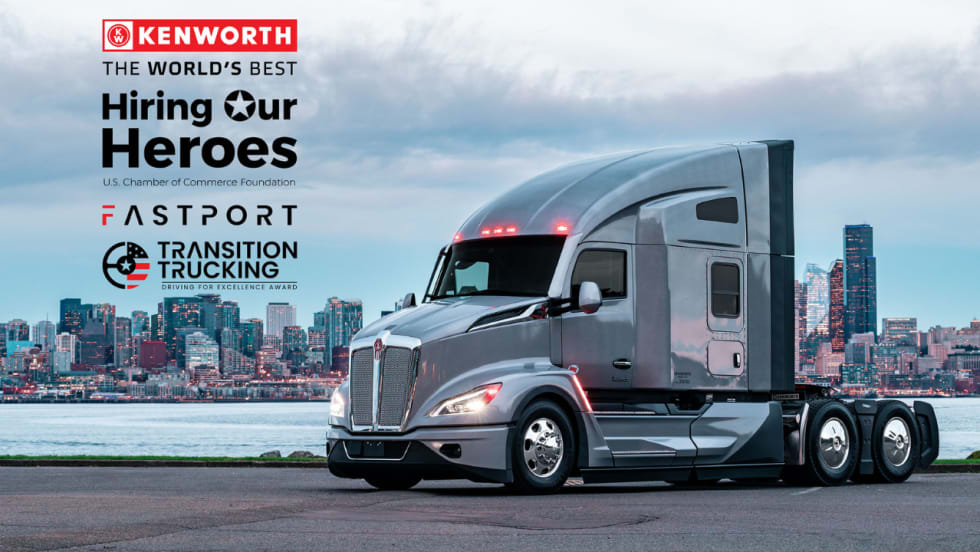
Elite 11 Semi-Finalists Announced for the 2026 Transition Trucking: Driving for Excellence Award
The 11 semi-finalists for the 2026 Transition Trucking: Driving for Excellence award have been announced. The award honors the achievements of military veterans who have transitioned into careers in the professional trucking industry.
Read More →
Are You Saying These Work Truck Company Names Correctly?
Think you know how to pronounce the biggest names in work trucks? We asked the companies themselves to settle it once and for all.
Read More →
Why Reactive Fleet Management Is Becoming Too Expensive to Sustain
Research highlights a growing need for proactive management strategies to address rising costs in fleet operations effectively.
Read More →
Is Your Fleet Structure Built to Scale?
As fleets grow across regions, structural inconsistencies can increase costs, limit visibility, and create operational risk. This guide helps fleet and business leaders evaluate whether their current operating model can support growth without sacrificing control or performance.
Read More →
Fleet Management Guide for Growing Field Service Fleets
As HVAC, plumbing and contractor businesses grow, fleet complexity can begin to affect technician productivity, customer response times, operating costs, and revenue. This guide helps field service leaders build a more structured approach to managing vehicles, drivers, maintenance, safety, and lifecycle decisions.
Read More →
Fleet Forward Conference Registration Opens With Plenty on Tap for Work Truck Fleets
From commercial vehicle safety and AI to benchmarking, crash costs, OEM relationships, and autonomy, this year’s Fleet Forward Conference agenda has plenty aimed at the issues work truck fleets are dealing with now and preparing for next.
Read More →
Viatec Fleet Intelligence: Turning Fleet Data into Actionable Insights
Fleet managers don't need more data, they need better answers. Viatec's new Fleet Intelligence platform connects telematics, maintenance, fuel, finance, video, and other systems to deliver actionable insights through simple, natural language queries.
Read More →
Drones, Robots, DTNA Manufacturing Moves, and Smarter Fleet Tech Lead the News
Drones, robots, major manufacturing moves, and smarter connected fleet technology headline this week’s Truck Chat Cheat Sheet.
Read More →