




Related: Maintenance Inefficiencies Costing USPS $21.8M a Year
NAFA Urges USPS Against Mass Vehicle Purchase
The NAFA Fleet Management Association urged the U.S. Postal Service not to replace 180,000 new vehicles at the same time and implement better fleet management practices at a congressional hearing on May 21.
by Staff
May 21, 2015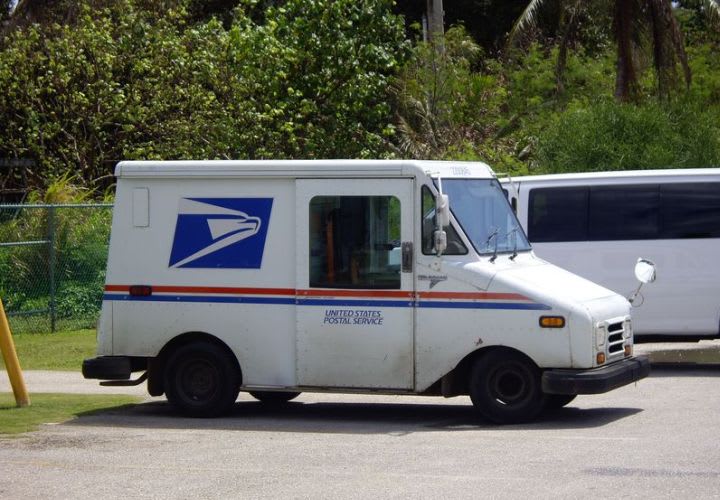
Photo of USPS vehicle via Wikimedia.
3 min to read
Photo of USPS vehicle via Wikimedia.
The NAFA Fleet Management Association urged the U.S. Postal Service not to replace 180,000 new vehicles at the same time and implement better fleet management practices at a congressional hearing on May 21.
Katherine Vigneau, CAFM, NAFA's director of professional development, gave testimony to the U.S. House Committee on Oversight & Governmental Reform. The committee had scheduled a hearing regarding the agency's plan to spend up to $6.3 billion on next-generation delivery vehicles. The USPS has narrowed the list to 15 suppliers.
Other testimony came from William Toth, director of the GSA's Office of Vehicle Management, and Lori Rectanus, the GAO's director of physical infrastructure.
Vigneau offered the most stinging rebuke of USPS fleet management practices, and said the "idea of replacing all 180,000 at the same time, from a single source, is not in keeping with best practices," according to a NAFA release.
"In accordance with NAFA best practice, the USPS has a definite requirement to replace a significant portion of their fleet," Vigneau said. "Lifecycle cost analysis has been used to demonstrate that operating costs are rising significantly. Extended replacement also has the disadvantages of not introducing important safety and technological improvements in the fleet. The lifecycle methodology should be used further to analyze custom versus commercial purchase options and alternative fuel options."
A report from the U.S. Office of Inspector General released earlier this month said the USPS could reduce its maintenance costs by $21.8 million per year by improving oversight of its mechanics and right-sizing staffing at vehicle garages. A 2011 GAO report concluded the USPS was spending $750 million per year on maintenance for its fleet.
Vigneau said the USPS fleet should be centralized and individuals responsible for maintaining the fleet should be trained in the best practices of fleet management. She recommended five specific practices:
Use lifecycle spreadsheets to define and observe optimal vehicle lifecycles and avoid the pitfalls of extended replacement.
Develop a long-term capital procurement plan that's regularly reviewed and updated.
Centralize management of fleet assets for better efficiency, liability and control.
Create a vehicle selector list that considers lifecycle costs, safety and environmental impact.
Set goals for fuel and emissions reductions.
During his testimony, Toth said the GSA supports the USPS "in a limited capacity." The USPS is exempt from federal mandates that require other federal agencies to purchase vehicles through the GSA. The GSA now leases 389 vehicles to the USPS for administrative purposes. The USPS takes advantage of the GSA's short-term rental fleet for surge requirements.
Rectanus discussed fleet management practices and challenges faced by USPS in replacing its aging fleet. The GAO analyzed fleet costs logged into the USPS accounting system, conducted visits to USPS sites, and reviewed prior studies on USPS financial challenges in a recent audit.
Originally posted on Automotive Fleet
More Operations
Family Ties Inside the Fleet Families Building Careers Across Generations
Three fleet families share what it really takes to work together, learn across generations, and keep business from following them home.
Read More →
Shades of Fleet Call for Voices: Fleet's Hidden Heroes
Fleet’s hidden heroes are often the ones keeping everything moving behind the scenes. September’s Shades of Fleet is looking for dispatchers, coordinators, parts specialists, and other support pros to share their stories.
Read More →
Truck Centers, Inc. Celebrates National Truck Driver Appreciation Week with $1,000 Fuel Card Giveaways
During National Truck Driver Appreciation Week, Truck Centers, Inc. is offering customers a chance to fuel up for free. Customers at all Truck Centers locations can enter to win one of four $1,000 fuel cards from Sept. 14 - 18.
Read More →
Fleet Guides, AI Time-Savers, Truck Tariffs & Fuel Strategy Lead the News
This week’s Truck Chat Cheat Sheet covers new fleet vehicle guides, practical AI use cases, U.S.-Canada truck production, mixed-energy strategy, and more.
Read More →
What Fleet Employers Are Missing When Hiring Veterans
What if some of the strongest candidates for fleet are already out there, but their experience is written in a language our industry does not always recognize?
Read More →
Automotive Fleet Opens 2026 Personal Use Survey for Commercial Fleet Managers
Less than two weeks left! Commercial and corporate fleet managers are invited to share how their organizations handle company vehicle personal-use policies, charges, and driver eligibility.
Read More →
What Resilient Fleets Do Differently When Conditions Change
Fleet resilience is about more than reacting to disruption. Lauren Fletcher talks with AP Fleet’s Alex Coveney about flexibility, planning, scaling, and what helps fleets adapt when business conditions shift.
Read More →
If We Want the Next Generation in Automotive, We Have to Give Them a Reason to Care
The automotive industry talks constantly about its workforce shortage. But before we can recruit the next generation, we may need to do a better job giving kids a reason to care about automotive in the first place.
Read More →
Ram ProMaster City Under $40K, Truck Tariffs, and AI Maintenance Lead the News
A sub-$40K commercial van, tariff questions, AI-powered maintenance, and a new EV production strategy headline this week’s Truck Chat Cheat Sheet.
Read More →
Bob Adamsky Shares the Fleet Lessons You Usually Learn the Hard Way
After more than 30 years in fleet, Arrow International’s Bob Adamsky has learned that the job is about far more than vehicles. He shares the lessons he wishes every fleet manager could learn a little earlier.
Read More →