





HDT Talks Trucking podcast–Self-driving Trucks: Savior or Scourge for Trucking?
Looking for an Autonomous Truck Driving Job? Waymo Is Hiring In Texas
Waymo is hiring Class A Drivers to monitor autonomous systems during driverless truck tests out of its new Dallas facility.
August 26, 2020
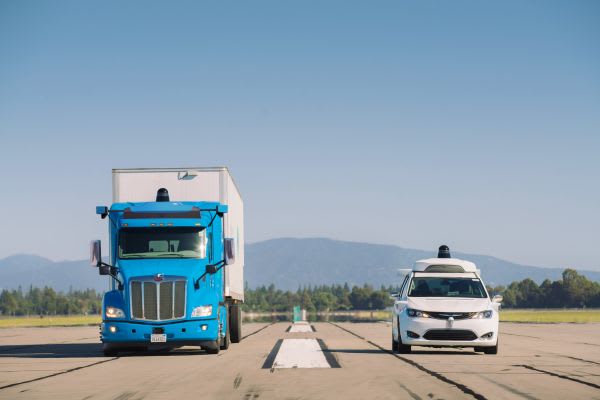
Waymo divides its autonomous initiatives into two divisions: Waymo Via, focused on goods delivery in both trucking and local delivery formats, and Waymo One, its consumer ride-hailing service.
Photo courtesy of Waymo.
4 min to read
“Class A Truck Driver (Dallas, TX) - Autonomous Vehicle Division” the online job listing reads. Did you ever think we’d see the day? It’s here.
The listing was posted by Transdev, a global public transport operator. Transdev is managing the hiring for Waymo, the autonomous driving technology company, which is looking for professional drivers for its Waymo Via trucking team in its new Dallas operation.
When it comes to a truck driving job, the post is unremarkable. It contains the usual requirements for a driving position, from license type and endorsements to experience and starting pay ($29 per hour). It has the obligatory “strong culture of safety, professionalism, and personal responsibility” language.
Even the technology requirements — “Must be able to multitask multiple technologies, including communications devices and vehicle status systems” — don’t give away the true nature of the job.
Among a list of 45 bullet points defining the job, however, three requirements stand out to bring us into this brave, new world:
Monitor automated driving software systems.
Work closely with engineers, software developers, and technicians.
Interact with the members of the public and educate them on self-driving technology.
Yes, the traditional trucking industry is continuing to collide with autonomous driving in unique ways that are redefining how we think about the truck driving profession and the business side of autonomous transportation.
Waymo plans to operate on popular Texas commercial routes traversing Interstates 10, 20, and 45. The tests out of Dallas start this week — though Waymo says it’ll gradually grow the personnel base at the Texas operation, including CDL test drivers, over time.
Waymo will use the professionally licensed truck drivers in the driver’s seat of Waymo’s trucks to monitor the autonomous systems. A software technician who sits in the passenger seat does not require a CDL.
The CDL-trained drivers must complete Waymo’s standard New Driver Training program in addition to trucking-specific training, including vehicle orientation, trucking specific-lessons, and how to manage the self-driving system, Waymo wrote in response to questions from Fleet Forward.
The driver must also go through the Allen Berg Defensive Driving school and pass manual driving knowledge and skills assessments before operating the self-driving trucks. Many of the driver hires to date are industry veterans of over 20 years, Waymo wrote.
As the timeline to autonomy shows an eventual transition away from traditional, behind-the-wheel driving jobs, humans will be involved with truck driving tasks surrounding autonomy for a while.
Waymo’s Vijaysai Patnaik, trucking product lead at Waymo, said commercially licensed drivers will continue to monitor vehicle performance from behind the wheel. “We have lots of checks and balances to understand that the system is performing as expected,” he told Heavy Duty Trucking’s Jim Park in a recent interview.
Those drivers are also responsible for pulling the truck over in the event of a law enforcement stop and for weigh station stops or surprise truck inspections, Patnaik said.
These common practices will evolve along with the market. Patnaik said that Waymo and other autonomous companies are working with regulators to figure out new processes.
(Patnaik and Park will have a “fireside chat” on Waymo’s initiatives as the keynote for the 2020 virtual Fleet Forward Experience. Also, look for Park’s full interview with Patnaik for an upcoming episode of the HDT Talks Trucking podcast.)
Texas: New Autonomous Vehicle Testing Hub
For commercial drivers looking to get into opportunities in autonomy, Texas is the place to be. The state has a favorable regulatory environment for AV testing and is on par with California in terms of activity.
“We are fortunate to operate in a region and state where policy officials encourage innovative problem-solving, and decisions from companies like Waymo demonstrate they recognize they can both test their technology and succeed here,” wrote Tom Bamonte, NCTCOG senior program manager for the North Central Texas Council of Governments, in a statement.
In January, Waymo began mapping interstate highways in New Mexico and Texas and launched initial tests with its long-haul trucks and retrofitted Chrysler Pacificas.
In 2019, Kodiak Robotics started making its first autonomous commercial deliveries with a safety driver behind the wheel from a new facility in North Texas.
In July, autonomous trucking technology company TuSimple has teamed up with UPS, Penske Truck Leasing, U.S. Xpress, and McLane to launch the Autonomous Freight Network. The network’s first phase will roll out with service between Dallas, Houston, and San Antonio, as well as Phoenix and Tucson.
TuSimple says the network will lay the groundwork for self-driving autonomous trucks to become commercially available by 2024. Waymo, however, is not releasing a timeline to a commercial launch.
Originally posted on Automotive Fleet
More Green Fleet

Fleet Forward Conference Introduces One-Day Passes for 2026
New one-day registration gives fleet professionals the flexibility to attend Tuesday, Wednesday, or Thursday, with passes available for $199 through Sept. 18.
Read More →
CALSTART Rebrands as Catalyst Mobility, Will Combine with Forth in 2027
CALSTART has rebranded as Catalyst Mobility and will combine with Forth at the start of 2027. The new organization said it is poised to become one of the world's largest, strongest, and most impactful clean transportation nonprofits.
Read More →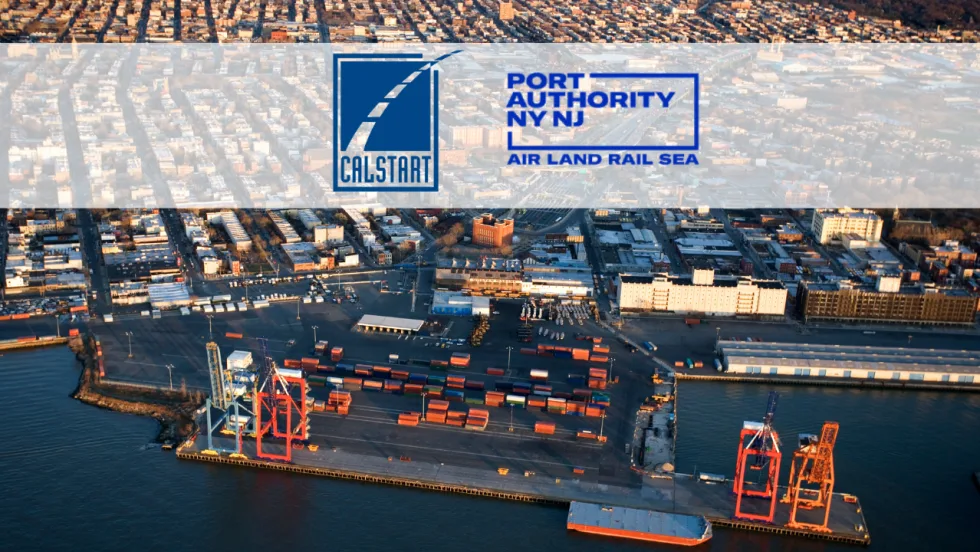
Electric Truck and Charging Programs to Boost Sustainability at NY & NJ Ports
Together, the Port Authority of New York and New Jersey and CALSTART will electrify drayage and terminal operations serving the East Coast’s busiest container port. A pair of incentive programs totaling $45 million has launched to accelerate adoption of zero-emission drayage trucks and terminal tractors.
Read More →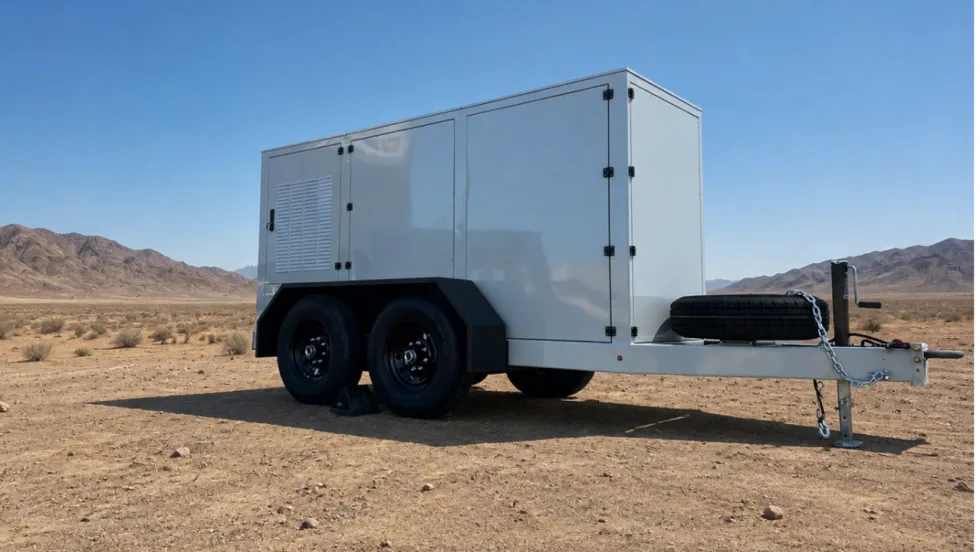
Xos Hub Surpasses One Gigawatt-Hour of Energy Delivered in the Field
A single Xos Hub has surpassed one gigawatt-hour of energy across more than 33,600 charging sessions in the field, demonstrating performance that supports Xos' expansion across new products and markets.
Read More →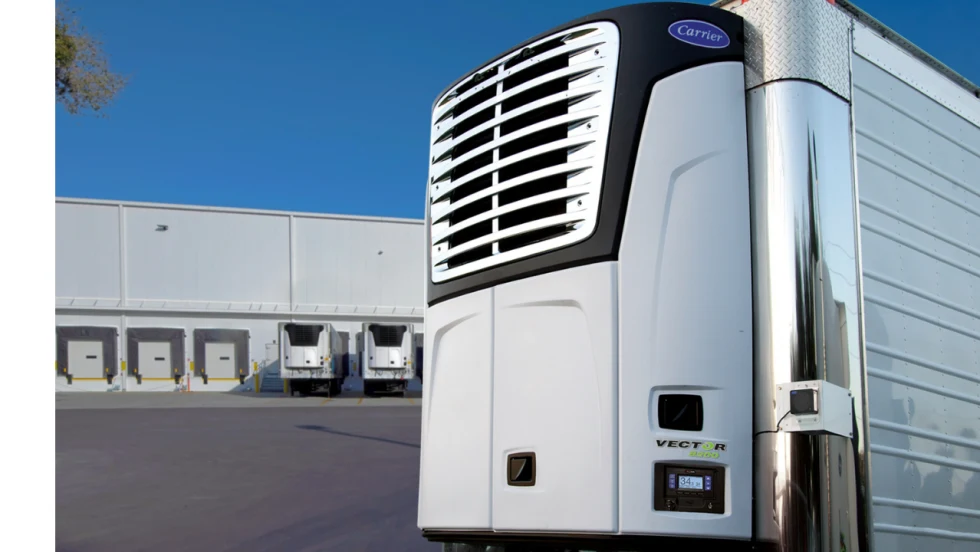
Carrier Transicold Launches All-Electric Vector 8200 TRU for Diesel-Free On-Site Cold Storage
Carrier Transicold’s first engineless multi-temperature TRU helps fresh- and frozen-food fleets add supplemental cold storage capacity during seasonal peaks.
Read More →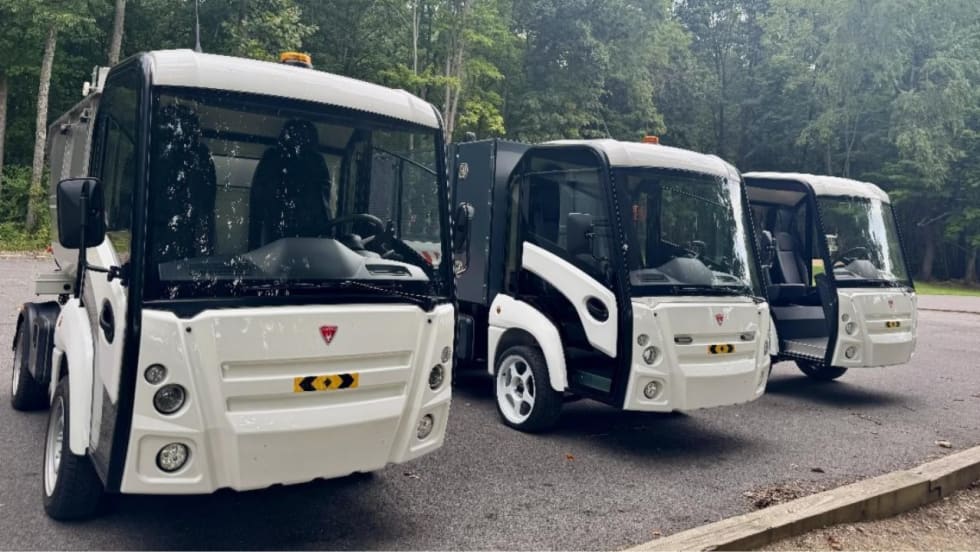
Narro Trucks Introduces Electric Utility Vehicle
Narro Trucks officially launched its operations on Aug. 20 and hosted a ride and drive to showcase its electric truck, which will be produced in Virginia.
Read More →
Samsung SDI Takes Full Control of GM Battery JV as Indiana Plant Pivots to Energy Storage
Samsung SDI is taking full control of its Indiana battery plant with GM, marking a major shift from the EV-focused joint venture Charged Fleet first covered in 2023.
Read More →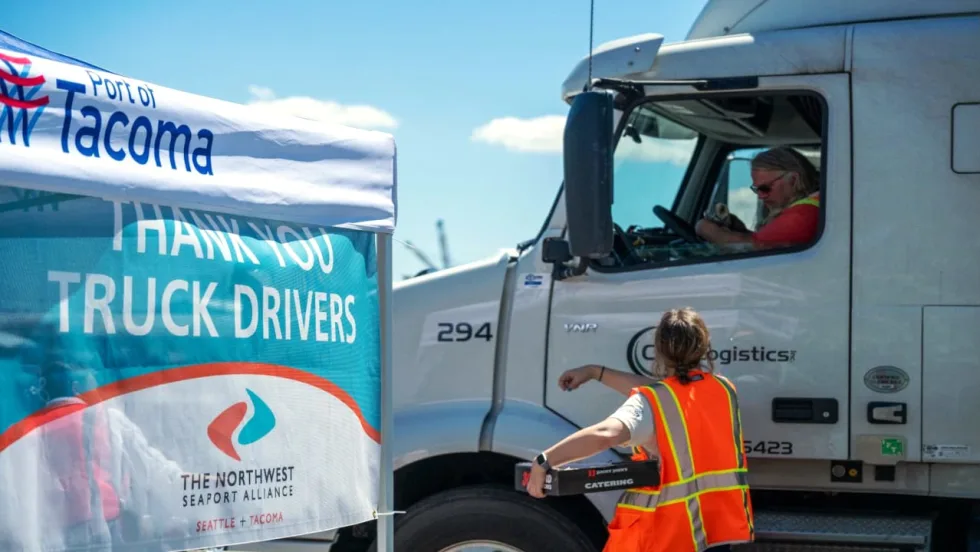
NWSA Taps CALSTART to Administer Zero-Emission Drayage Assistance Program
CALSTART will provide free technical assistance services to drayage fleets serving the Ports of Seattle and Tacoma and looking to transition to cleaner technologies and help decarbonize freight hubs.
Read More →
EV Fleet Reality Check: What Operators Wish They Knew Before Electrifying Their Work Vans
Electric work truck upfits bring new compatibility questions. Learn how parts availability, OEM guidance, power demands, and route planning can affect fleet performance.
Read More →
Peterbilt Expands Sourcewell Partnership with Electric Vehicle Lineup
Peterbilt Motors Company’s cooperative purchasing agreement with Sourcewell and its Canadian partner, Canoe Procurement Group, now includes including Peterbilt's battery-electric vehicle lineup.
Read More →