




Kia to Exhibit Platform Beyond Vehicle Models at Work Truck Week
Kia unveiled its Platform Beyond Vehicle strategy earlier this year at CES 2024 and soon will be displaying two of the brand's larger models, the PV5 and the PV7, at Work Truck Week. A variety of interchangeable upper bodies can be connected to the base vehicle via a hybrid electromagnetic and mechanical coupling technology.

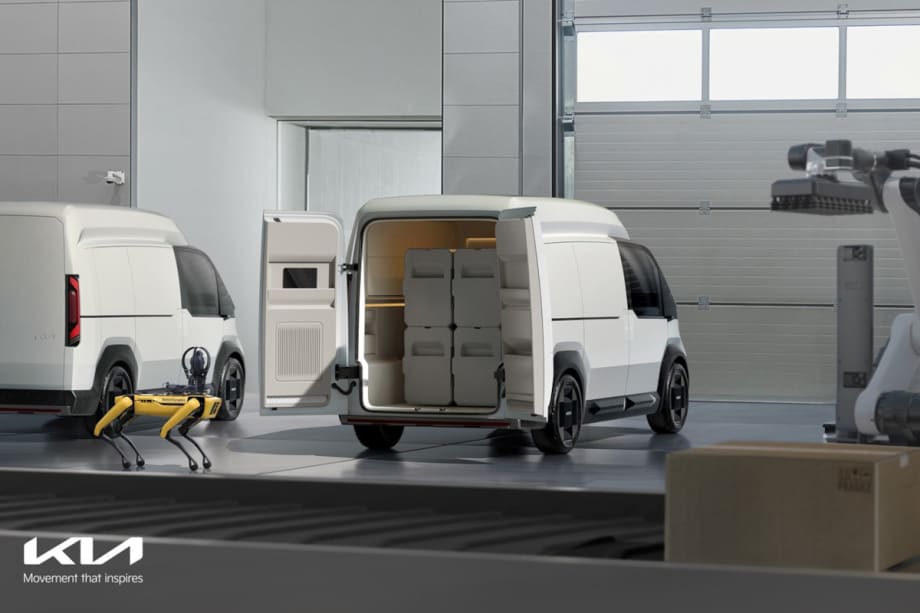
The Kia PV5 is designed to be modular and quickly adapted to different mobility needs.
Photo: Kia
Kia revealed its Platform Beyond Vehicle (PBV) future strategy earlier this year at CES 2024 in Las Vegas, Nevada, and will be exhibiting its PV5 and PV7 at Work Truck Week in March. Kia’s PBV business will initially be based around the introduction of an all-new, modular vehicle.
Kia PBV Flexibility
Kia PBVs are intended to be a total mobility solution that combines fit-for-purpose EVs with advanced software solutions based on the Hyundai Motor Group’s software-to-everything, or SDx, strategy. As a Platform Beyond Vehicle, Kia PBVs are designed to open the door to new businesses and lifestyles by redefining the concept of space thanks to advanced, tailored interiors that provide freedom and flexibility.
“Kia’s PBV business represents our vision of going beyond the traditional concept of automobiles by fulfilling the unmet needs of diverse customers and communities through optimized vehicles and services catering to specific market and business circumstances,” said Ho Sung Song, Kia Corporation president and CEO.
A Vision for Future Mobility
Kia said the launch of its PBV business marks the brand’s commit to providing a varied range of customized vehicle types to meet customers’ individual requirements. Determined to overcome existing restrictive and one-dimensional industry product line-up offerings, Kia believes its new approach to PBVs can help solve various mobility challenges encountered by individuals and organizations with limited transportation options.
Kia’s PBV offering will be built around a dedicated business system, integrating vehicles, software, and future technologies to deliver added value.
The company said the brand's PBV roadmap, divided into three distinct phases, illustrates how Kia PBVs will be pivotal in realizing the Group’s SDx vision as devices that offer tailored solutions according to customer usage patterns.
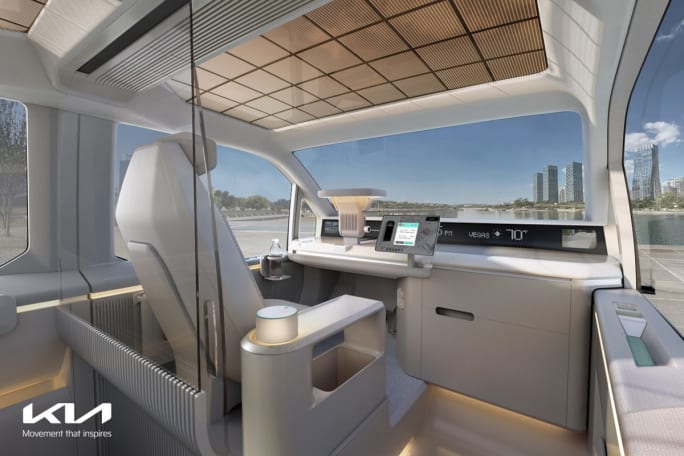
The interior of the Kia PV5 is futuristic and adaptable to a variety of transportation roles.
Photo: Kia
Phase One — Kia PV5
In phase one, Kia plans to introduce the Kia PV5, a versatile EV optimized for major domains such as hailing, delivery, and utilities that features conversion capability for diverse customer needs. Enhanced data connectivity between vehicles and external data such as route or delivery information is intended to enable the convenient operation of multiple vehicles as a software-defined fleet.
Phase Two — Complete PBV Lineup
The plan for phase two is to see the completion of the dedicated PBV model lineup, with PBVs evolving into AI-based mobility platforms that use data to interact with users and help keep vehicles updated. An integrated PBV solution can help provide a customized, seamless experience across devices and software.
Phase Three — Bespoke Mobility
In phase three, Kia PBVs are expected to evolve into highly customizable, bespoke mobility solutions by integrating with the future mobility ecosystem.
Multi-Purpose Vehicle
Kia’s design strategy is to enable a single-vehicle chassis to be used to fulfill multiple mobility needs. Behind a fixed cab, or driver zone, a variety of interchangeable upper bodies, or life modules, can be connected to the base vehicle via a hybrid electromagnetic and mechanical coupling technology, turning the PBV into a taxi during the day, to a delivery van at night, and a personal recreational vehicle on weekends.
The weldless body structure assembly is designed to enable the length of moveable members to be flexibly adjusted according to vehicle use purpose. Shipped in standardized, convenient kit form, Dynamic Hybrid technology is intended to allow for the quick and simple in-field transformation of a Kia PV5.
Whether the purpose of the vehicle is to transport people, move goods, or meet logistics or personal mobility needs, Kia’s goal is to ensure each PBV shares a consistent quality of design that reflects its solid, robust nature and projects a dependable and highly capable attitude.
On each vehicle, large doors open out to reveal what Kia calls an exceptionally accommodating pillarless opening that provides easy ingress and egress. Inside, the extended wheelbase and electric platform ensure wide, flat-open spaces to offer stowage and usage possibilities.
Inspiration Becomes Reality
With extensive modularity — including the ability to share features across all vehicles — Kia hopes its PBVs will enhance versatility, opening up possibilities to cater to the needs of both businesses and individuals.
In line with phase one, Kia plans to make various versions of the PV5 available in the future, including basic, van, high roof, and chassis cab. In the future, Kia also plans to introduce a Robotaxi model developed with Motional (a joint venture between HMG and Aptiv), which aims to provide a revolutionary autonomous hailing experience for passengers.
During phase two, the symbiosis of the PBV ecosystem will be complimented by two further models, the PV7 and PV1, utilizing cabinet and frame systems to enhance interaction and connectivity among vehicles based on the modular concept. Details of the new vehicles include:
PV7 — The largest product in the PBV line-up, designed with more interior space, impressive driving range, and enhanced functionalities.
PV1 — The smallest product in the line-up, PV1 is designed for agile and short-distance logistics transportation, using driving modules to minimize turning radius even in narrow spaces.
An integrated rail system on the vehicle’s ceiling, floor, and side panels, as well as on the exterior, enables customization of the vehicle to meet individual customer needs. This system is designed to enable the seamless transfer of goods and items between vehicles, using cabinets and frames. The rails within this ecosystem simplify the movement of items between vehicles, while the modular design of the tiles and functional accessories, such as speakers and shelves, offer limitless flexibility for a wide range of scenarios, according to the company.
“Kia PBVs will initiate a new era of seamless everyday business and lifestyle solutions. We hope to make our customers’ lives easier and better, whether they’re stationary or on the move, offering exceptional flexibility and customization through radical modularization,” said Karim Habib, executive vice president and head of Kia Global Design.
Dedicated Business System
To take full advantage of the opportunities enabled by PBVs, Kia plans to launch a dedicated business system, encapsulating various aspects of the process, from the product line-up to the integration of software solutions, and global partnerships.
The product line-up will be augmented by the introduction of a customer participation-based development process, utilizing customer input and feedback to create more tailored, mission-specific solutions.
PBV Manufacturing Location
Kia is constructing a PBV-dedicated EVO plant in Autoland Hwaseong, Korea. This factory will implement a hybrid production approach, combining conveyor and cell-based methods. Through collaboration with global conversion partners, Kia will be able to offer conversion models for various PBV line-ups, catering to different customer preferences. The factory is scheduled to become operational in 2025 and is expected to have an annual capacity of 150,000 units.
Infotainment and Fleet Management
The brand’s solutions for In-Vehicle Infotainment (IVI), Fleet Management Systems (FMS), and charging aims to leverage vehicle software-based data and AI technologies to further enable customer-centric solutions, predictive maintenance suggestions to reduce downtime, and charging programs tailored to the customer's business operating environment.
Kia's PBV IVI solution aims to enhance daily life by recognizing user preferences in real time and providing relevant contextual data. It is expected to offer access to the Kia PBV App Market and third-party apps, allowing customers to have information and entertainment content on the go. By connecting with business-specific apps previously limited to mobile devices, it seeks to improve service convenience and information reliability, providing a holistic user experience across different hardware form factors.
The fleet management solution for Kia PBVs will be designed to allow customers to efficiently oversee multiple vehicles, providing insights on sales, inventory, and deliveries, benefiting mobility and logistics businesses. Features may include inventory monitoring, temperature control, and intelligent route planning for efficiency. The solution is intended to streamline fleet management with real-time data and AI integration for predictive maintenance and optimal operational efficiency.
EV Charging
Kia's EV charging solution will be designed to optimize charging schedules by considering battery charge levels, routes, schedules, and breaks. Additionally, Kia aims to provide a total energy solution by utilizing advanced charging infrastructure, allowing high-density energy batteries to power mobile devices and emergency equipment. This can eventually be made possible through innovations like Vehicle-to-Everything (V2X) technology.
Software Integration
This integration of IVI, FMS, and charging systems is expected to be delivered via unified software, enabling packaged solutions adaptable to various business environments. Kia has established partnerships with companies like Uber, Coupang, CJ Logistics, Kakao Mobility, and Dubai Taxi Corporation to further enhance its PBV-dedicated business system.
“The Kia PBV business is the pinnacle of our customer-centric business approach. With the aim of developing PBVs and solutions tailored to their business environments, we are confident that these strong partnerships will be a driving force on the road to becoming a sustainable mobility solutions provider,” said Pierre-Martin Bos, vice president and director of PBV.
Robotics
Kia is leveraging robotics, including Boston Dynamics' Stretch and Spot robots, to enhance logistics automation and round-the-clock quality control at their smart factories. These efforts aim to uncover new business opportunities through collaborations and drive innovation.
Autonomous Driving
Together with Motional, Hyundai Motor Group plans to expand beyond personal autonomous driving technology into the business phase. This is underway with plans for the development of a software-based PV5 Robotaxi. This collaboration aims to combine Kia's competitive strengths with Motional's advanced Level 4 autonomous driving technology to expand global business opportunities.
As such, Hyundai Motor Group's software capabilities transcend beyond vehicles and extend to various areas of mobility, such as robotics, aircraft, and autonomous driving, aiming to enable operation, control, and management, fostering an era of hyper-connectedness between people and things.
More Vehicle Research
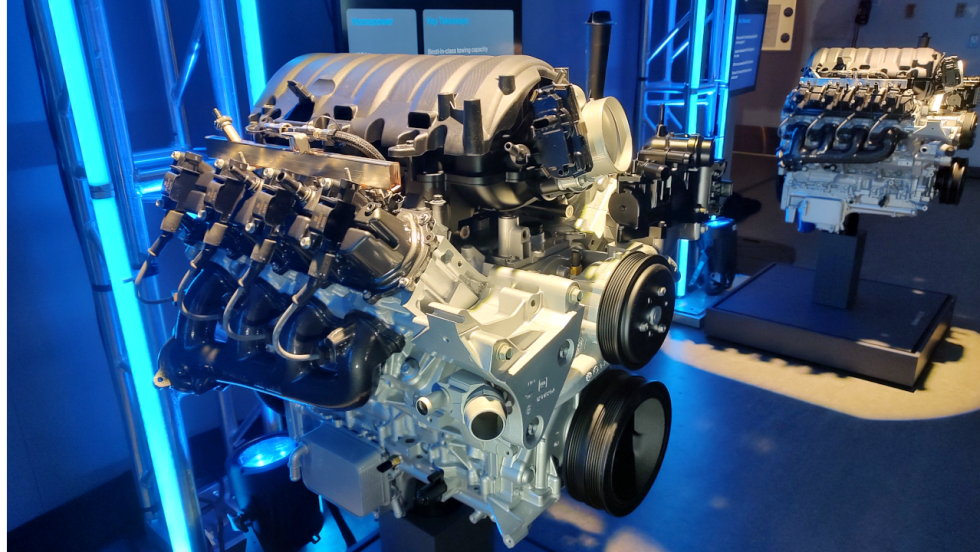
GM Unveils New Sixth-Generation Small Block Engines for 2027 Light-Duty Pickups
General Motors unveiled two new small-block engines, backed by extensive real-world validation and more than 70 years of small-block V8 manufacturing experience, as part of the engine portfolio for the 2027 Chevrolet Silverado 1500 and GMC Sierra 1500.
Read More →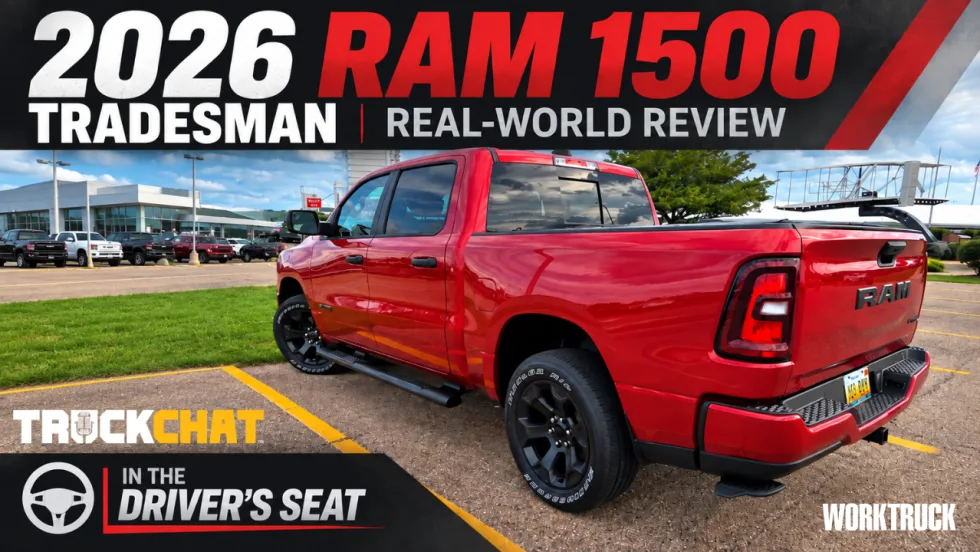
2026 Ram 1500 Tradesman Put to a Real-World Fleet Test
A few days behind the wheel of a 2026 Ram 1500 Tradesman turned into a test of visibility, parking, work-ready features, and even severe-weather driving.
Read More →
Isuzu N-Series Gas Fleet Guide: Specs, Capability and 2027 Model-Year Updates
Explore Isuzu Truck North America’s N-Series Gas fleet specs, engine performance, GVWR and payload capability, configurations, chassis dimensions, work-focused features, and 2027 model-year information.
Read More →
Chevrolet Silverado 1500 Fleet Guide Specs Capability and 2027 Model-Year Updates
The next-generation 2027 Chevrolet Silverado 1500 brings new V-8 engines, updated technology, expanded safety features, and a fleet-focused Work Truck. Here’s what commercial fleets need to know so far.
Read More →
Ram ProMaster City Fleet Guide Specs Cargo Capacity and 2027 Updates
Work Truck’s Ram ProMaster City Fleet Guide tracks the latest specifications, cargo capability, configurations, fleet technology, pricing, and model-year updates for Ram’s mid-size commercial van.
Read More →
Ford F-150 Fleet Guide Specs Capability and 2026 Model-Year Updates
Explore 2026 Ford F-150 fleet specs, engines, towing and payload capability, configurations, work features, technology, and model-year updates.
Read More →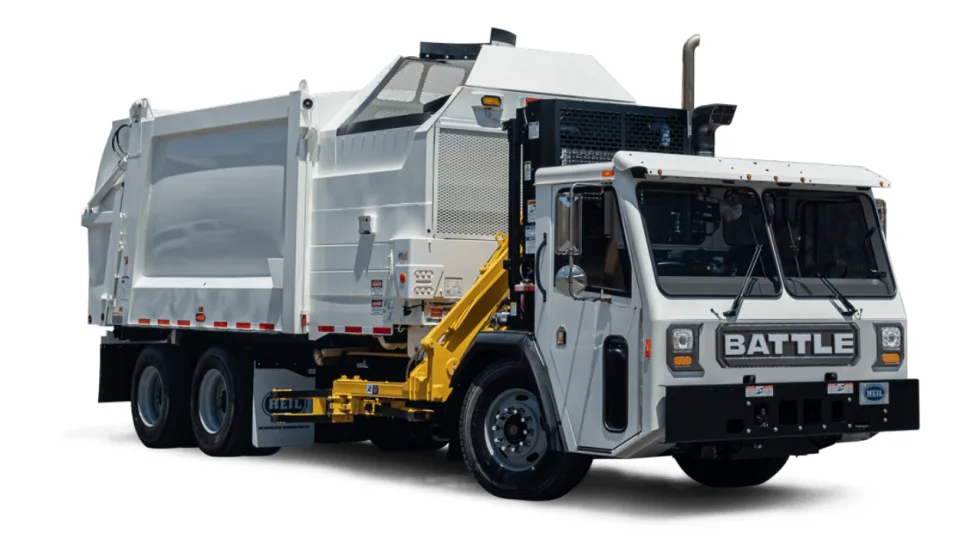
TCI Now Sells & Supports Battle Motors’ Vocational Trucks
Midwest truck dealer Truck Centers, Inc. (TCI) has expanded its transportation solutions with sales and service support for Battle Motors’ heavy-duty vocational trucks at locations in locations in Indiana, Illinois, and Missouri
Read More →
Ram 1500 Fleet Guide Specs, Capability and 2027 Model-Year Updates
Explore always up-to-date Ram 1500 fleet specs, engines, towing and payload capability, configurations, technology, pricing updates, and model-year changes.
Read More →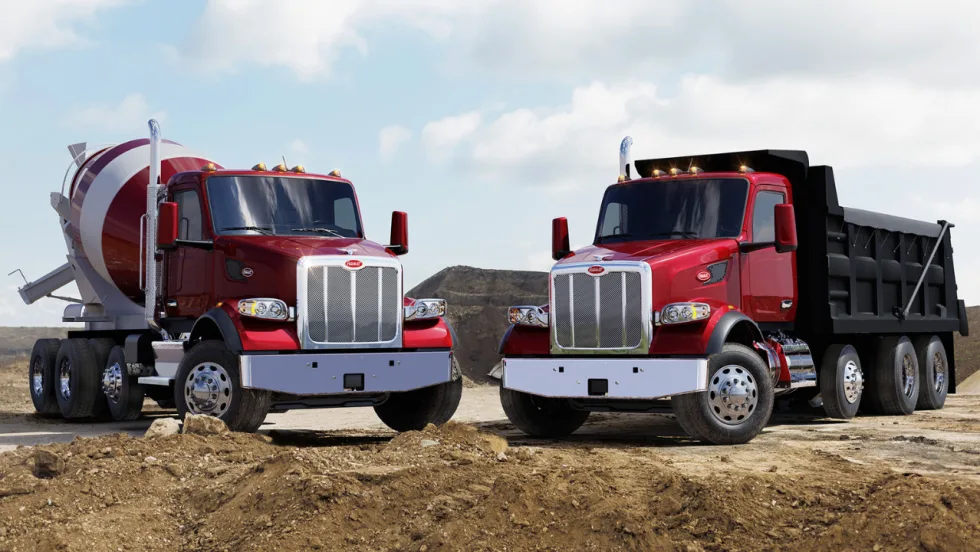
Peterbilt Trucks Equipped with Paccar TX-18 Pro Boost Efficiency for Maryland Fleet
Patuxent Companies is replacing aging trucks with the Peterbilt Model 567 and Model 589, specified with the Paccar TX-18 Pro 18-speed automated transmissions, and is reporting an 8% to 10% improvement in fuel economy.
Read More →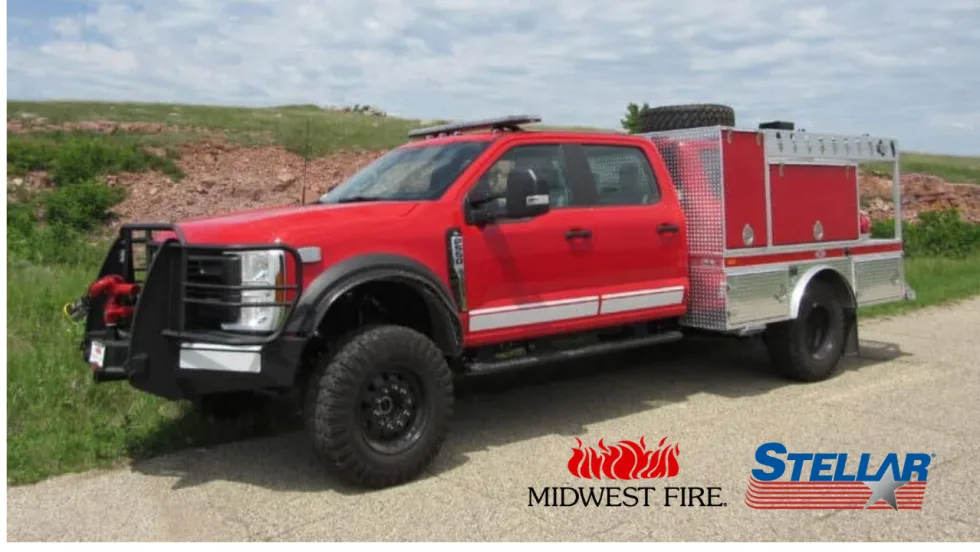
Stellar Expands into Fire Apparatus Market with Acquisition of Midwest Fire
Stellar Industries has acquired Midwest Fire, a custom fire apparatus manufacturer headquartered in Luverne, Minnesota, with nearly four decades of specialized apparatus experience.
Read More →