





Going Green: Toyota and DTE Put Michigan on the Path to 100% Renewable Energy
Kentucky Coal Mine Goes Solar with Toyota Agreement
The project is converting the former Martiki Coal Mine, a brownfield site in Martin County, on the border of Kentucky and West Virginia, into a new, clean solar photovoltaic energy facility.
May 26, 2023
Toyota Motor Manufacturing, Kentucky is the largest Toyota manufacturing facility in the world, employing more than 8,000 team members and producing up to 550,000 vehicles a year.
Photo: Toyota
3 min to read
The sun will power more of Toyota Motor North America Inc.’s (Toyota’s) operations thanks to a new power purchase agreement with Savion. Toyota has agreed to offtake 100-megawatts (MW) of the electricity generated as part of renewable energy company Savion’s Martin County Solar Project through a virtual power purchase agreement (VPPA).
The project is converting the former Martiki Coal Mine, a brownfield site in Martin County, on the border of Kentucky and West Virginia, into a new, clean solar photovoltaic energy facility.
The Road from Coal to Solar
Once an active coal mine on the top of a mountain that closed in the 1990s, the Martiki site has clear access to light from the sun, making it an ideal location for reclamation and the installation of solar photovoltaic panels for electricity generation.
Construction on the project is anticipated to begin in mid-2023 and commercial operation is expected in 2024.

The Brownfield coal mining site will be converted to produce clean, renewable solar energy that Toyota can utilize.
Photo: Toyota
“The Martin County Solar Project in Kentucky is really special as an example of how renewable energy VPPAs can bring new opportunities to former coal and energy communities and will help Toyota achieve our goal of increasing purchased renewable electricity to 45% or more of our total purchased electricity by 2025,” said David Absher, senior manager of environmental sustainability at Toyota Motor North America.
Absher went on to add: “It is important that renewable power is more available to large-scale U.S. energy buyers, and converting brownfields like this offers a path forward for former energy communities to take advantage of the infrastructure they already have with transmission lines while providing clean energy to the grid.”
The 100 MW that Toyota will offtake from the project will be used primarily to help reduce the company’s carbon footprint in North America, supplementing the "model it has created of environmental stewardship in Kentucky," the state with Toyota’s largest vehicle manufacturing plant in the world. The move is in-line with the company’s plans to make all its operations in North America carbon neutral by 2035.
Savion is developing the Martin County Solar Project with the support of local development partner Edelen Renewables. With dedicated support from state officials and local leadership, the project’s development phase continues to advance. The overall project, once completed, is expected to be one of the largest solar energy generation facilities operating in Kentucky.
“We are thankful for the local community, community officials, state officials, and the many local professionals that have supported this project,” said Kevin Butt, regional environmental sustainability director at Toyota Motor North America.
Toyota Motor Manufacturing, Kentucky is the largest Toyota manufacturing facility in the world, employing more than 8,000 team members and producing up to 550,000 vehicles a year.
While this facility focuses on cars (Avalon, Avalon Hybrid, Camry, Camry Hybrid, and Lexus ES 350), it showcases Toyota's focus on sustainability with its automotive operations and Work Truck will provide updates should the move be done to support any of their truck production facilities.
In April 2023, Toyota announced that its manufacturing facility in Alabama is also making changes to its power source, with more than 70% of the sites power to come from the sun. The Alabama plant supplies engines for Toyota vehicles such as the Tundra, Corolla Cross, and Sienna.
More Green Fleet

Fleet Forward Conference Introduces One-Day Passes for 2026
New one-day registration gives fleet professionals the flexibility to attend Tuesday, Wednesday, or Thursday, with passes available for $199 through Sept. 18.
Read More →
CALSTART Rebrands as Catalyst Mobility, Will Combine with Forth in 2027
CALSTART has rebranded as Catalyst Mobility and will combine with Forth at the start of 2027. The new organization said it is poised to become one of the world's largest, strongest, and most impactful clean transportation nonprofits.
Read More →
Electric Truck and Charging Programs to Boost Sustainability at NY & NJ Ports
Together, the Port Authority of New York and New Jersey and CALSTART will electrify drayage and terminal operations serving the East Coast’s busiest container port. A pair of incentive programs totaling $45 million has launched to accelerate adoption of zero-emission drayage trucks and terminal tractors.
Read More →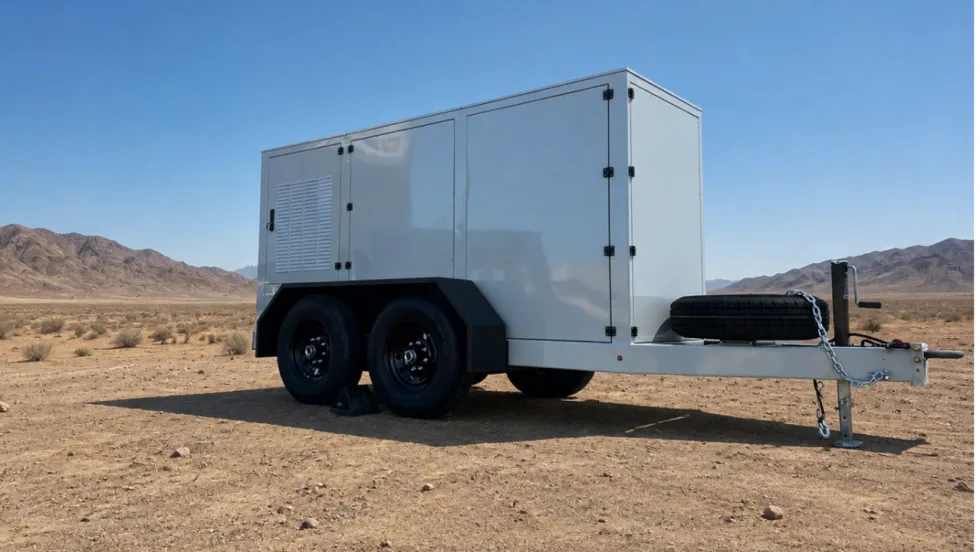
Xos Hub Surpasses One Gigawatt-Hour of Energy Delivered in the Field
A single Xos Hub has surpassed one gigawatt-hour of energy across more than 33,600 charging sessions in the field, demonstrating performance that supports Xos' expansion across new products and markets.
Read More →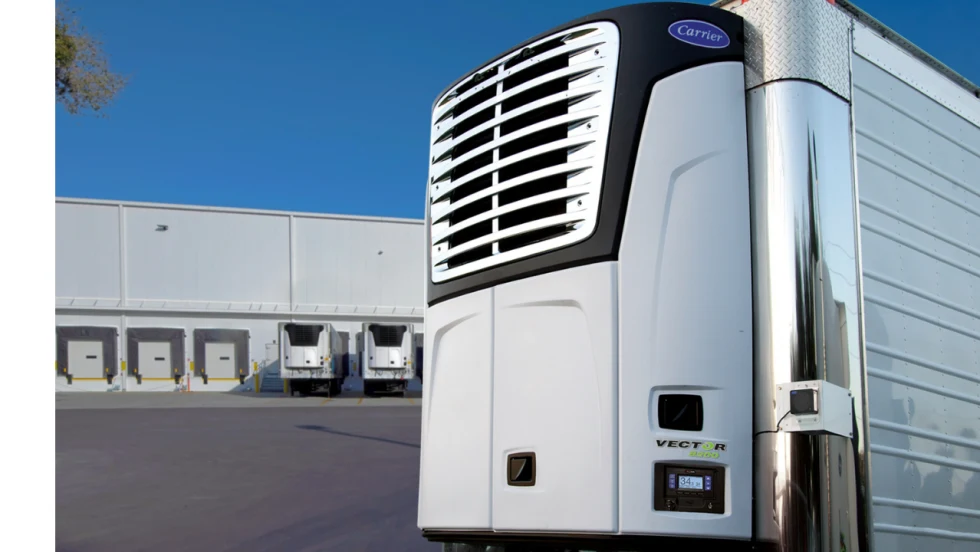
Carrier Transicold Launches All-Electric Vector 8200 TRU for Diesel-Free On-Site Cold Storage
Carrier Transicold’s first engineless multi-temperature TRU helps fresh- and frozen-food fleets add supplemental cold storage capacity during seasonal peaks.
Read More →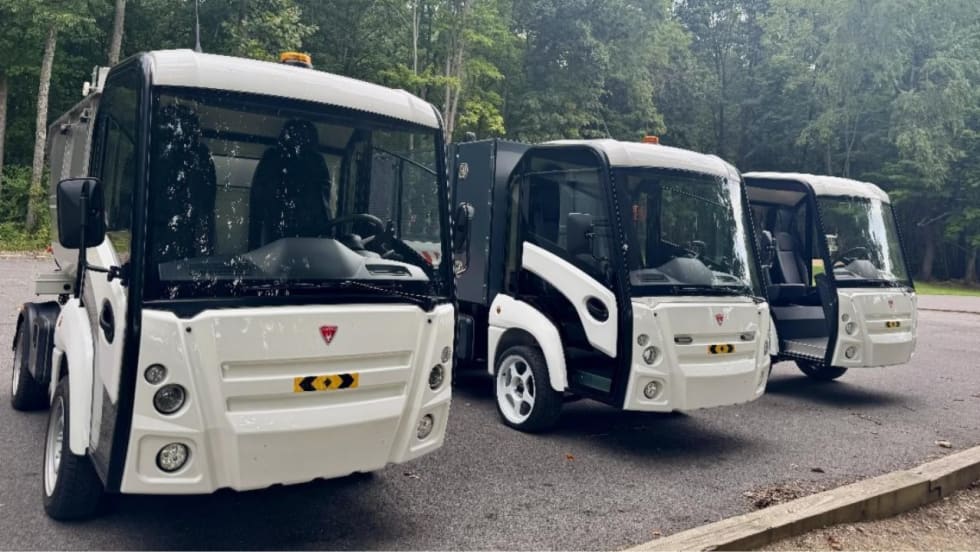
Narro Trucks Introduces Electric Utility Vehicle
Narro Trucks officially launched its operations on Aug. 20 and hosted a ride and drive to showcase its electric truck, which will be produced in Virginia.
Read More →
Samsung SDI Takes Full Control of GM Battery JV as Indiana Plant Pivots to Energy Storage
Samsung SDI is taking full control of its Indiana battery plant with GM, marking a major shift from the EV-focused joint venture Charged Fleet first covered in 2023.
Read More →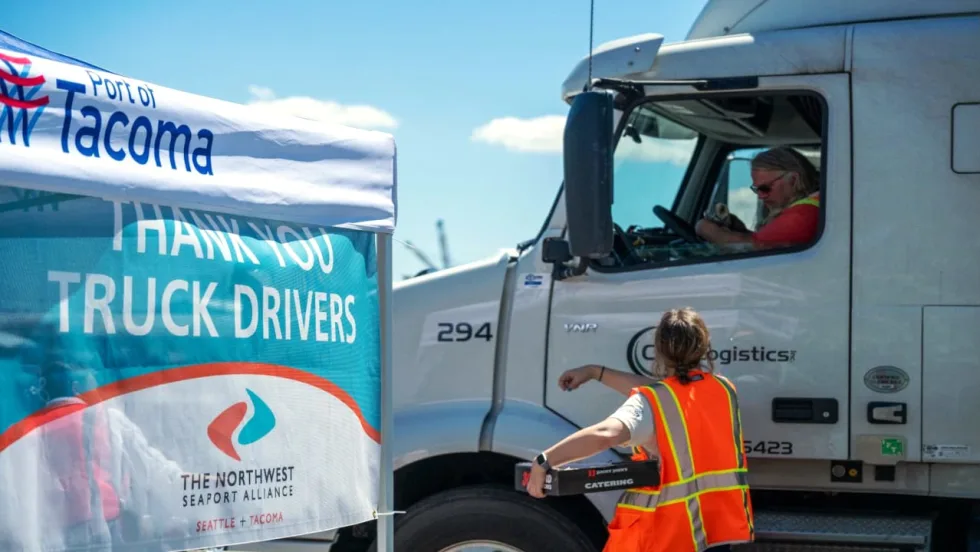
NWSA Taps CALSTART to Administer Zero-Emission Drayage Assistance Program
CALSTART will provide free technical assistance services to drayage fleets serving the Ports of Seattle and Tacoma and looking to transition to cleaner technologies and help decarbonize freight hubs.
Read More →
EV Fleet Reality Check: What Operators Wish They Knew Before Electrifying Their Work Vans
Electric work truck upfits bring new compatibility questions. Learn how parts availability, OEM guidance, power demands, and route planning can affect fleet performance.
Read More →
Peterbilt Expands Sourcewell Partnership with Electric Vehicle Lineup
Peterbilt Motors Company’s cooperative purchasing agreement with Sourcewell and its Canadian partner, Canoe Procurement Group, now includes including Peterbilt's battery-electric vehicle lineup.
Read More →