





Read More: NTSB Recommends Technology in New Cars to Reduce Speeding
IIHS Requests Automakers, Fleet Operators to Promote Speed Limiters
IIHS is calling on automakers, regulators, and fleet operators to promote technologies to help curb an epidemic of speeding.
December 8, 2023
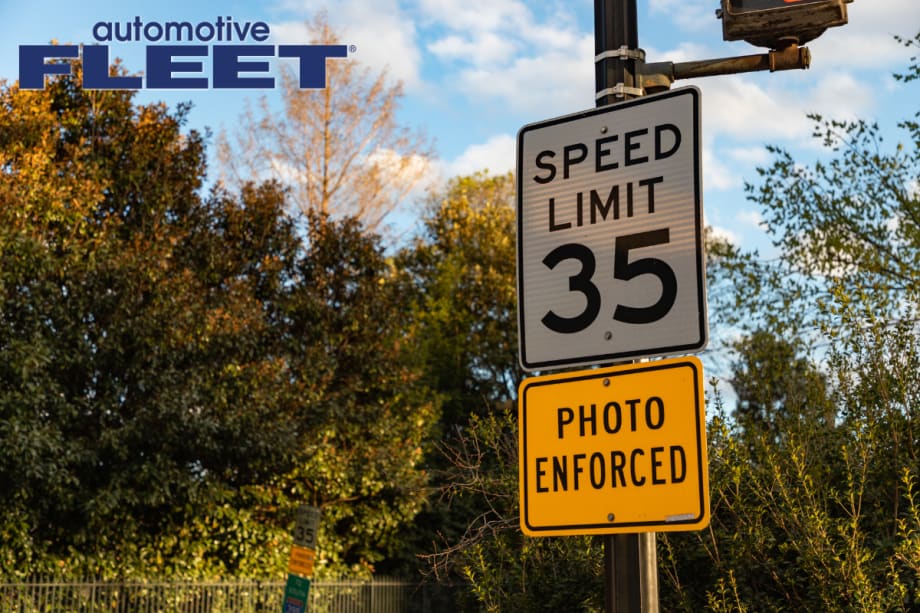
For commercial operators and public fleets, the coalition recommends promoting ISA or speed limiters.
Photo: Canva
2 min to read
The Insurance Institute for Highway Safety (IIHS) and other members of the Road to Zero Coalition are urging automakers, regulators, and fleet operators to promote intelligent speed assistance (ISA) and speed limiters to help curb an epidemic of speeding that has contributed to a spike in traffic deaths since 2020, according to the institute's news release.
“Speeding causes more than a quarter of all crash deaths every year, accounting for more than 12,000 lost lives in 2021,” said Jessica Cicchino, vice president of research at IIHS. “In-vehicle technologies can be an important part of the solution.”
How ISA Works
ISA uses a camera that reads posted signs or GPS mapping software to identify the prevailing speed limit and alerts drivers when they’re going too fast. Some systems also discourage speeding more aggressively by reducing power to the engine once the driver crosses the limit.
For all U.S. drivers, the coalition’s Accelerating Technology Working Group recommends warning-based, or “advisory,” ISA systems as a starting point.
Such systems will be required for all new vehicles in the European Union in 2024. For commercial operators and public fleets, the coalition recommends promoting ISA or speed limiters, which prevent the vehicle from exceeding a preset maximum speed.
Organizations Embracing Technologies
Some organizations already use one or the other, and the goal is to increase the number of fleets that embrace the technologies.
Led by the National Safety Council, the Road to Zero Coalition is committed to reducing traffic fatalities to zero by 2050. IIHS is a member of the steering group, along with other industry associations and safety organizations.
Members will also urge the National Highway Traffic Safety Administration to set performance standards for ISA technology that provides a warning when the vehicle exceeds the speed limit, require all new vehicles to be equipped with ISA, and add an ISA evaluation to the New Car Assessment Program.
The working group also recommended steps to promote both technologies for high-risk groups like repeat speeding offenders and teen drivers. Teens are more likely than any other age group to be speeding when they are involved in a crash, according to the IIHS.
Cars driven by repeat speeding offenders and teens could be equipped with aftermarket ISA systems that reduce power to the engine. Smartphone apps and in-vehicle systems that warn drivers when they exceed a preset speed could also help curb teen speeding.
Originally posted on Automotive Fleet
More Small Fleet


Developing Budget-Friendly Driver Safety Programs
From driver training and safety meetings to one-on-one coaching and incentive programs, several small fleets share how they have developed a safety culture with their drivers using low- to no-cost resources.
Read More →
Sponsored•March 9, 2026
Boosting Last-Mile Fleet Uptime, Safety, and Value with AI Vehicle Inspections
AI-powered inspections are transforming last-mile fleets by replacing manual checks with highly accurate automated scans that detect defects in seconds. By giving fleet operations visibility into the daily condition of their vehicles, you can identify trends over the vehicle’s lifecycle that enable improved procurement decisions, route management, driver training and accountability.
Read More →
Five Ways Seat Belts Help Prevent Injuries
There are five ways seat belts protect occupants from injuries, according to the Tennessee Department of Safety and Homeland Security.
Read More →
Sponsored•January 14, 2026
It’s here: The 2026 Fleet Technology Trends Report
What does AI mean for fleets? Get the answer — and learn other top tech trends.
Read More →
Small Fleets, Big Impact: How Independent Drivers Power Wreaths Across America
Check out how small fleets and independent drivers power Wreaths Across America each December and why their impact matters more than ever.
Read More →
VMS Survey Finds 65% of Small Fleet Managers Run Operations Alone
A new VMS survey shows small fleet managers are stretched thin, with most handling operations solo and eager to adopt digital tools for relief.
Read More →
Tips for Driving Safely on Halloween Night
This video features a reminder from the Connecticut Department of Transportation (DOT) and the Connecticut Police Chiefs Association, urging drivers to prioritize safety this Halloween.
Read More →
AI, Access, and Uptime: VMS’s Next Chapter with David Prusinski
VMS’s new Co-CEO, David Prusinski, shares how an AI-first approach will give small fleets and repair shops the tools to compete like big players.
Read More →
Fleet Managers Share Winter Prep Tips: It's Never Too Early!
Three fleets share best practices to prep vehicles for winter and prevent downtime when the cold sets in.
Read More →