




How to Safely Pass Another Vehicle
Collisions caused by improper lane changes are a one of the most common types, according to insurance and legal experts.
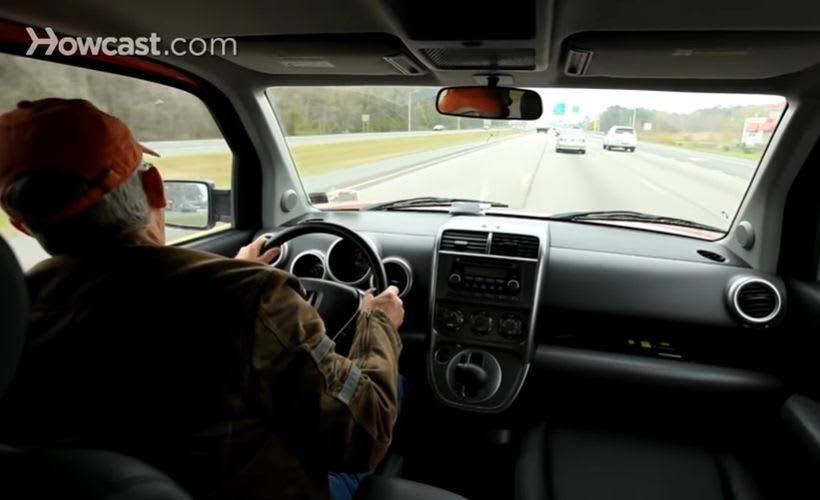
Collisions caused by improper lane changes are a one of the most common types, according to insurance and legal experts.
Screenshot via Howcast.
Collisions caused by improper lane changes are a one of the most common types, according to insurance and legal experts. What's more, passing accidents can be very dangerous.
For example, one study by the Federal Highway Administration found that passing accidents in three states on rural roads were somewhat more severe than non-passing accidents. In all three states, the percentage of fatal and incapacitating passing accidents was higher than that of non-passing accidents.
Now is a good time to remind your drivers about the proper and safe way to pass another vehicle. Experts suggest drivers take the following precautions before passing:
Passing must be done in the left lane. Always pass to your left; never to your right.
Never pass over a solid white line. Wait until you reach a staggered or broken line before passing.
Put on your turn indicator. This way other vehicles understand your intention is to pass.
Check that it's safe to pass. Use your side mirror and quickly turn your head over your shoulder to make sure there is no other vehicle in the lane you intend to move into.
Once you know it is safe, pass the vehicle on your right side.
Move safely back into the lane you came from. Make sure you can see the vehicle you passed completely in your rearview mirror before you move back into the lane.
Never exceed the speed limit to pass another vehicle.
Originally posted on Automotive Fleet
More Small Fleet


Developing Budget-Friendly Driver Safety Programs
From driver training and safety meetings to one-on-one coaching and incentive programs, several small fleets share how they have developed a safety culture with their drivers using low- to no-cost resources.
Read More →
Why Fleet Managers Are Replacing Departmental Vehicles with Shared Motor Pools
Departmentally assigned vehicles often create hidden costs through underutilization, poor visibility, and increased administrative burden. This white paper explores how shared motor pool strategies help fleets reduce costs, improve accountability, and optimize vehicle utilization.
Read More →
Boosting Last-Mile Fleet Uptime, Safety, and Value with AI Vehicle Inspections
AI-powered inspections are transforming last-mile fleets by replacing manual checks with highly accurate automated scans that detect defects in seconds. By giving fleet operations visibility into the daily condition of their vehicles, you can identify trends over the vehicle’s lifecycle that enable improved procurement decisions, route management, driver training and accountability.
Read More →
Five Ways Seat Belts Help Prevent Injuries
There are five ways seat belts protect occupants from injuries, according to the Tennessee Department of Safety and Homeland Security.
Read More →
It’s here: The 2026 Fleet Technology Trends Report
What does AI mean for fleets? Get the answer — and learn other top tech trends.
Read More →
Small Fleets, Big Impact: How Independent Drivers Power Wreaths Across America
Check out how small fleets and independent drivers power Wreaths Across America each December and why their impact matters more than ever.
Read More →
VMS Survey Finds 65% of Small Fleet Managers Run Operations Alone
A new VMS survey shows small fleet managers are stretched thin, with most handling operations solo and eager to adopt digital tools for relief.
Read More →
Tips for Driving Safely on Halloween Night
This video features a reminder from the Connecticut Department of Transportation (DOT) and the Connecticut Police Chiefs Association, urging drivers to prioritize safety this Halloween.
Read More →
AI, Access, and Uptime: VMS’s Next Chapter with David Prusinski
VMS’s new Co-CEO, David Prusinski, shares how an AI-first approach will give small fleets and repair shops the tools to compete like big players.
Read More →