




How to Make Chemicals from Waste CO2
The second episode of “Just A Minute or So about Renewable Fuels” focuses on making chemicals from waste CO2 in a circular economy.

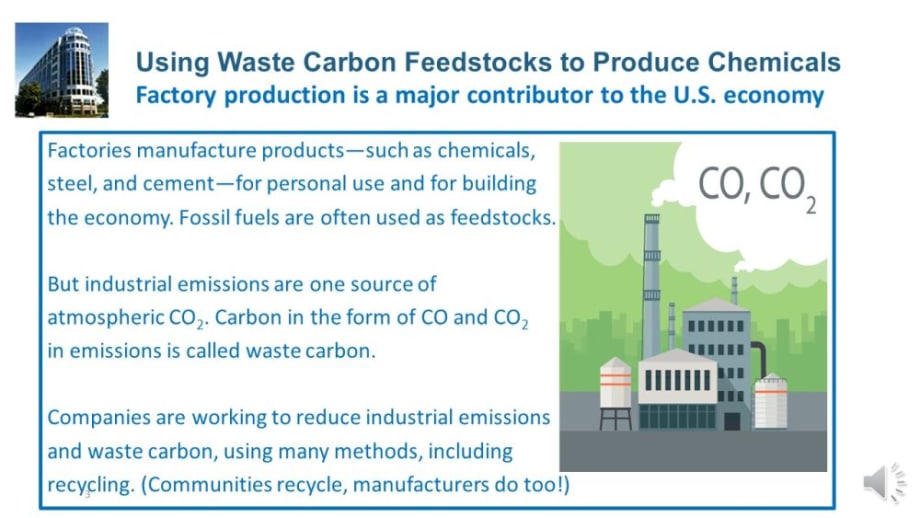
Photo: Renewable Fuels
Curious about renewable fuels? About biofuels? A new series of short videos enables you to take just a few minutes to get a quick review of essentials about renewable fuels.
A series of short, 2-4 minutes (or so) videos instruct on topics such as the wide range of things that can be used to make renewable fuels; making chemicals, including fuels, from waste CO2; retrofitting an old car to use E-85 (85% renewable fuel); the historical, everyday and future uses of renewable fuels; and deeper dives into the benefits of renewable fuels.
The second episode of “Just A Minute or So about Renewable Fuels” focuses on making chemicals from waste CO2 in a circular economy.
Students, teachers, or anyone interested in renewables can see in a 3-minute slide presentation narrated by Elizabeth Nesbitt of the U.S. International Trade Commission examples of technologies used to make chemicals used in cement production, for transportation fuels, and for building block chemicals used to make all kinds of everyday goods.
The presentation ends with a link to a working paper by Nesbitt about renewable chemicals.
“This second episode expands our research to gauge interest in this type of information and format,” said Joanne Ivancic, executive director of Advanced Biofuels USA. “We believe these short introductions about distinctive aspects of the world of renewable fuels and the circular economy are welcomed by teachers, students, homeschoolers, people who just want to know a little bit more, and even by potential investors. It takes “Just a Minute” or so to explore a small part of the world of renewables. If you want to know more, vast resources are available through the Advanced Biofuels USA website.”
Future topics could include overviews of more conversion technologies, different types of renewable fuels, focus on specific kinds of feedstock, explanation of octane, retrofitting for E85, links to resources for at-home experiments to demonstrate how ethanol or biodiesel are made, how to tell if you have a flex-fuel vehicle, and more.
The range of renewable fuels feedstocks was chosen for the first episode because during in-person lectures, that always attracts intense interest. This second episode introduces one aspect of a circular economy, a concept much in the news lately as we search for ways to recycle carbon to reduce carbon footprints.
Three questions you will be able to answer after watching Episode 2:
Name 2 or more things, that can be made from waste carbon (waste carbon dioxide (CO2) or waste carbon monoxide (CO)).
Name 2 ways that carbon capture and utilization (CCU) can be used to make chemicals.
What do you think of when you hear the phrase “circular economy”? Is your answer different after watching Episode 2 than it was before? What’s the difference, if any?
More Green Fleet

Fleet Forward Conference Introduces One-Day Passes for 2026
New one-day registration gives fleet professionals the flexibility to attend Tuesday, Wednesday, or Thursday, with passes available for $199 through Sept. 18.
Read More →
CALSTART Rebrands as Catalyst Mobility, Will Combine with Forth in 2027
CALSTART has rebranded as Catalyst Mobility and will combine with Forth at the start of 2027. The new organization said it is poised to become one of the world's largest, strongest, and most impactful clean transportation nonprofits.
Read More →
Electric Truck and Charging Programs to Boost Sustainability at NY & NJ Ports
Together, the Port Authority of New York and New Jersey and CALSTART will electrify drayage and terminal operations serving the East Coast’s busiest container port. A pair of incentive programs totaling $45 million has launched to accelerate adoption of zero-emission drayage trucks and terminal tractors.
Read More →
Xos Hub Surpasses One Gigawatt-Hour of Energy Delivered in the Field
A single Xos Hub has surpassed one gigawatt-hour of energy across more than 33,600 charging sessions in the field, demonstrating performance that supports Xos' expansion across new products and markets.
Read More →
Carrier Transicold Launches All-Electric Vector 8200 TRU for Diesel-Free On-Site Cold Storage
Carrier Transicold’s first engineless multi-temperature TRU helps fresh- and frozen-food fleets add supplemental cold storage capacity during seasonal peaks.
Read More →
Narro Trucks Introduces Electric Utility Vehicle
Narro Trucks officially launched its operations on Aug. 20 and hosted a ride and drive to showcase its electric truck, which will be produced in Virginia.
Read More →
Samsung SDI Takes Full Control of GM Battery JV as Indiana Plant Pivots to Energy Storage
Samsung SDI is taking full control of its Indiana battery plant with GM, marking a major shift from the EV-focused joint venture Charged Fleet first covered in 2023.
Read More →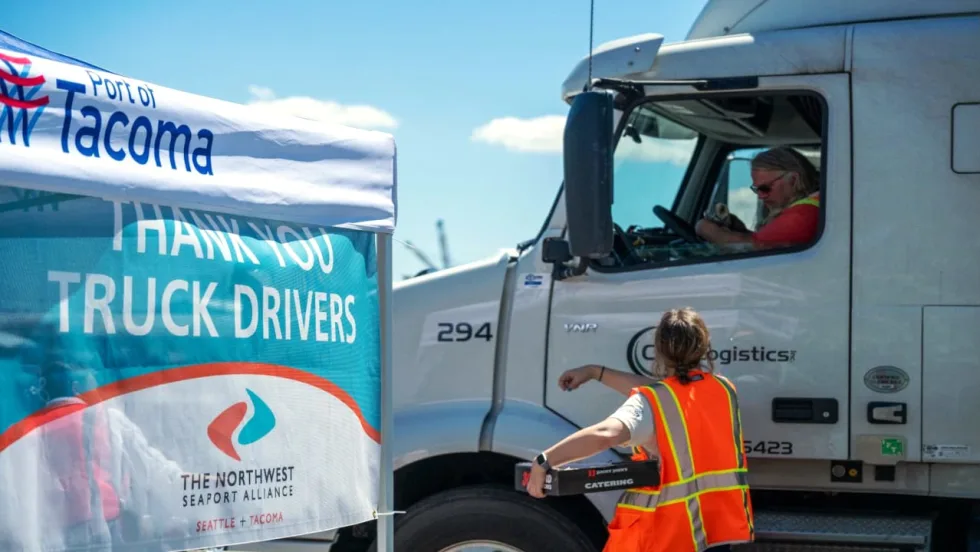
NWSA Taps CALSTART to Administer Zero-Emission Drayage Assistance Program
CALSTART will provide free technical assistance services to drayage fleets serving the Ports of Seattle and Tacoma and looking to transition to cleaner technologies and help decarbonize freight hubs.
Read More →
EV Fleet Reality Check: What Operators Wish They Knew Before Electrifying Their Work Vans
Electric work truck upfits bring new compatibility questions. Learn how parts availability, OEM guidance, power demands, and route planning can affect fleet performance.
Read More →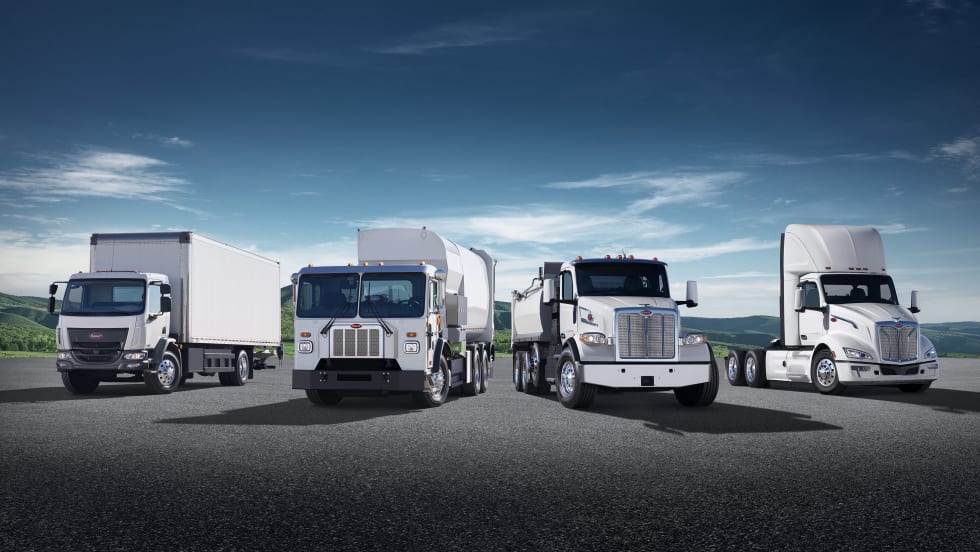
Peterbilt Expands Sourcewell Partnership with Electric Vehicle Lineup
Peterbilt Motors Company’s cooperative purchasing agreement with Sourcewell and its Canadian partner, Canoe Procurement Group, now includes including Peterbilt's battery-electric vehicle lineup.
Read More →