




How the Trump Tariffs Will Affect Fleets
President Donald Trump's executive order imposing tariffs on foreign steel and aluminum may translate to higher prices to commercial fleets for vehicles and truck or van equipment, fleet management company experts said.


Photo of Donald Trump via Gage Skidmore/Wikimedia.

Photo of Donald Trump via Gage Skidmore/Wikimedia.
President Donald Trump's executive order imposing tariffs on foreign steel and aluminum may translate to higher prices to commercial fleets for vehicles and truck or van equipment, fleet management company experts said.
Following Trump's March 8 executive order, tariffs of 25% on steel and 10% on aluminum imported into the U.S. go into effect 15 days later. Canada and Mexico will initially be exempted from the tariff, and other countries could be added later, according to reports.
Wall Street and automotive analysts have said the tariffs are likely to increase vehicle prices because manufacturers would pass along higher costs to customers.
"A likely result from these new steel and aluminum tariffs is that costs will increase throughout the supply chain, driven by higher raw material prices," said Charlie Chesbrough, senior economist for Cox Automotive. "With demand at high levels already, it’s likely suppliers will pass their higher costs up the chain, and eventually to car buyers. Alternatively, suppliers may have to absorb the higher input prices by cutting their own costs — generally, neither outcome is good for the industry."
JPMorgan analyst Ryan Brinkman released a report saying the tariff would likely impact the earnings of Ford and General Motors, but he added that any rise in the prices of these materials would likely be absorbed by the manufacturers, reports CNN Money.
Equipment manufacturers such as Adrian Steel, Knapheide, Ranger Design, and others have begun using lighter-weight materials but still primarily offer steel-based shelving, ladder racks, and other equipment.
Whether fleets will pay more for their vehicles and auxiliary equipment remains to be seen, said Partha Ghosh, ARI's director of vehicle supply chain and remarketing.
"Depending on where OEMs and upfit vendors source their steel and aluminum, and how much of these materials they source from foreign producers, they may be impacted by costs increases to varying degrees," Ghosh said. "Ultimately, we anticipate that how and when they choose to react to these possible input costs will likely depend on market landscape, competitive pressures, degree of the cost impact and the expected length of the impact."
Vehicle manufacturers have been reducing the amount of steel in their vehicles in recent years as a strategy to lighten weight to achieve higher fuel economy, a strategy that could help reduce the impact of the tariffs, said Dan Frank, chief executive of Wheels, Inc.
"The average vehicle is 54% steel and has about 1 ton of steel in it," Frank said. "Steel costs about $700 a ton, which is up about $100 per ton since tariff talks began, so some of the cost is already baked in. In any case, a 25% tariff, even if not offset, competed away [and] absorbed by the OEMs wouldn’t add that much to the cost of a vehicle."
Vehicles that contain steel and aluminum from foreign sources could see a higher cost increase, said Jeffrey Perkins, vice president of operations for Motorlease Corp.
"Making the underlying assumption that all of the steel and aluminum used to build a single average U.S. vehicle, is sourced from one of the locations subject to the tariffs, I approximate the cost to be in the range of $250 to $300 per vehicle," Perkins said. "This value however is arrived at solely based on the assumption of a straight pass through of the tariffs and does not take into account any of the additional costs that a manufacturer or supplier may bare such as new contract negotiations and additional carrying costs. While the additional $250 to $300 may seem strong as a percentage on a less expensive vehicle, vehicles priced in the mid-$20,000 to mid-$30,000 where we see most of the current small and mid-size SUV/crossovers priced today equates to about a minimal 1% increase."
Other fleet management experts said the tariffs could lead domestic steel producers to create more jobs.
"While it’s likely there will be short term employment gains in the protected industries, for those manufacturers that have depended on imports for some of their supply chain raw materials there is the strong possibility they will pass through to consumers and businesses their increase cost of goods," said Tom Coffey, vice president of sales and marketing for Merchants Fleet Management. "Overall, it is very possible we will see an impact in vehicles prices."
Originally posted on Automotive Fleet
More Vehicle Research
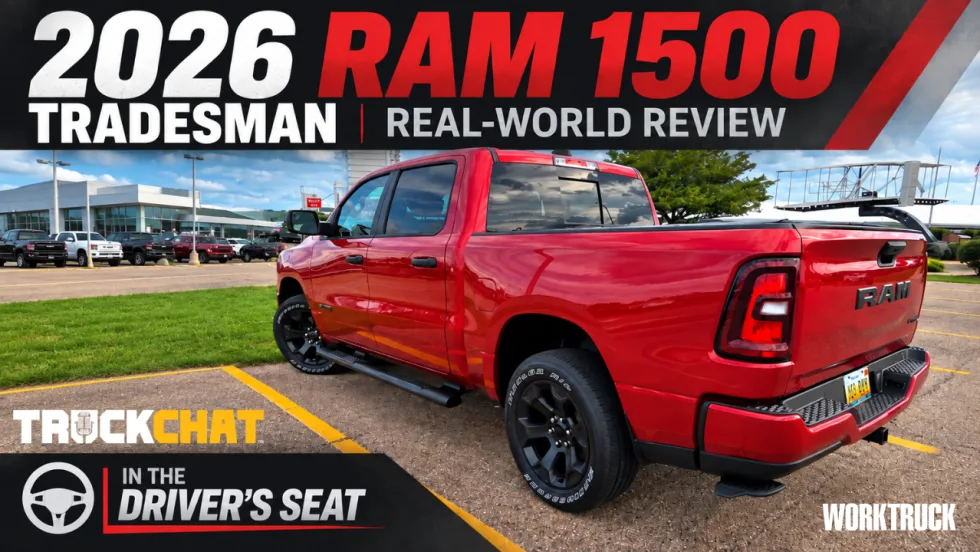
2026 Ram 1500 Tradesman Put to a Real-World Fleet Test
A few days behind the wheel of a 2026 Ram 1500 Tradesman turned into a test of visibility, parking, work-ready features, and even severe-weather driving.
Read More →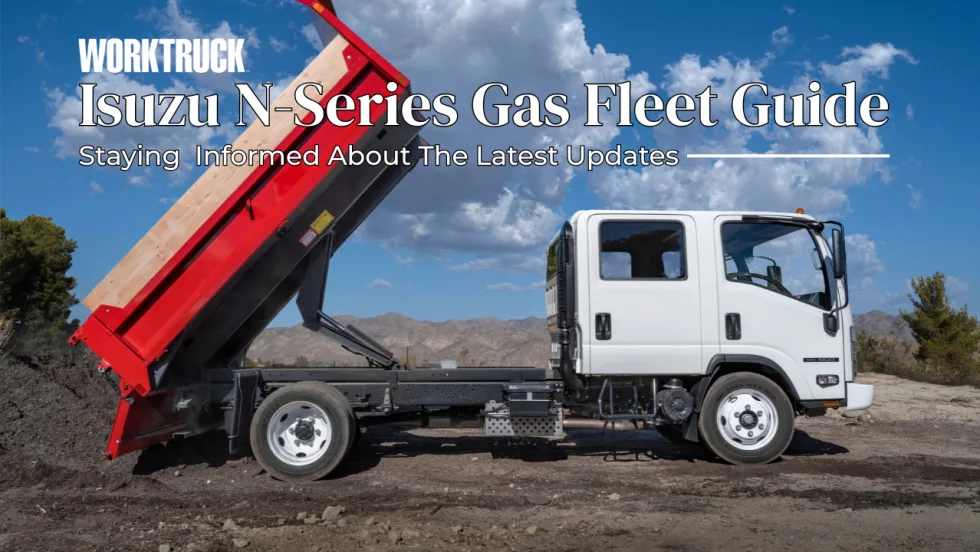
Isuzu N-Series Gas Fleet Guide: Specs, Capability and 2027 Model-Year Updates
Explore Isuzu Truck North America’s N-Series Gas fleet specs, engine performance, GVWR and payload capability, configurations, chassis dimensions, work-focused features, and 2027 model-year information.
Read More →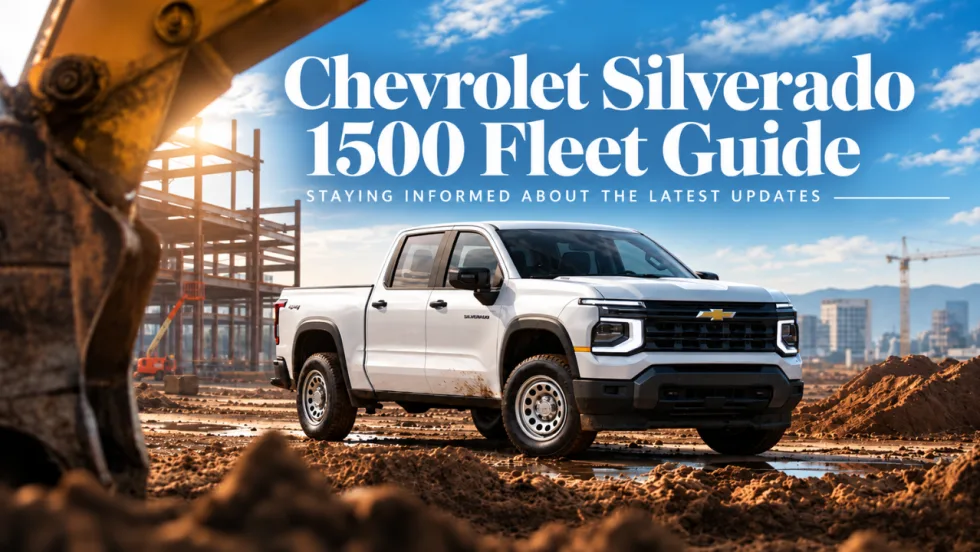
Chevrolet Silverado 1500 Fleet Guide Specs Capability and 2027 Model-Year Updates
The next-generation 2027 Chevrolet Silverado 1500 brings new V-8 engines, updated technology, expanded safety features, and a fleet-focused Work Truck. Here’s what commercial fleets need to know so far.
Read More →
Ram ProMaster City Fleet Guide Specs Cargo Capacity and 2027 Updates
Work Truck’s Ram ProMaster City Fleet Guide tracks the latest specifications, cargo capability, configurations, fleet technology, pricing, and model-year updates for Ram’s mid-size commercial van.
Read More →
Ford F-150 Fleet Guide Specs Capability and 2026 Model-Year Updates
Explore 2026 Ford F-150 fleet specs, engines, towing and payload capability, configurations, work features, technology, and model-year updates.
Read More →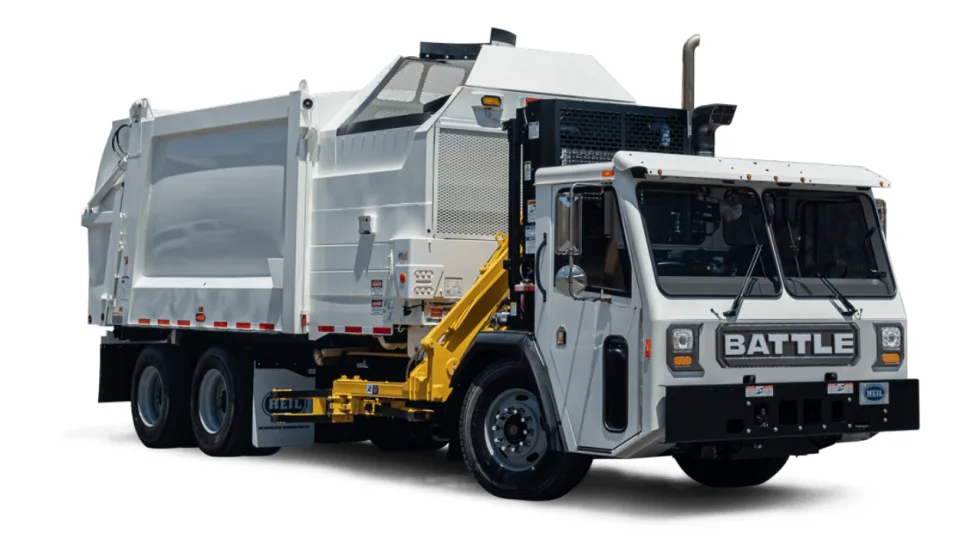
TCI Now Sells & Supports Battle Motors’ Vocational Trucks
Midwest truck dealer Truck Centers, Inc. (TCI) has expanded its transportation solutions with sales and service support for Battle Motors’ heavy-duty vocational trucks at locations in locations in Indiana, Illinois, and Missouri
Read More →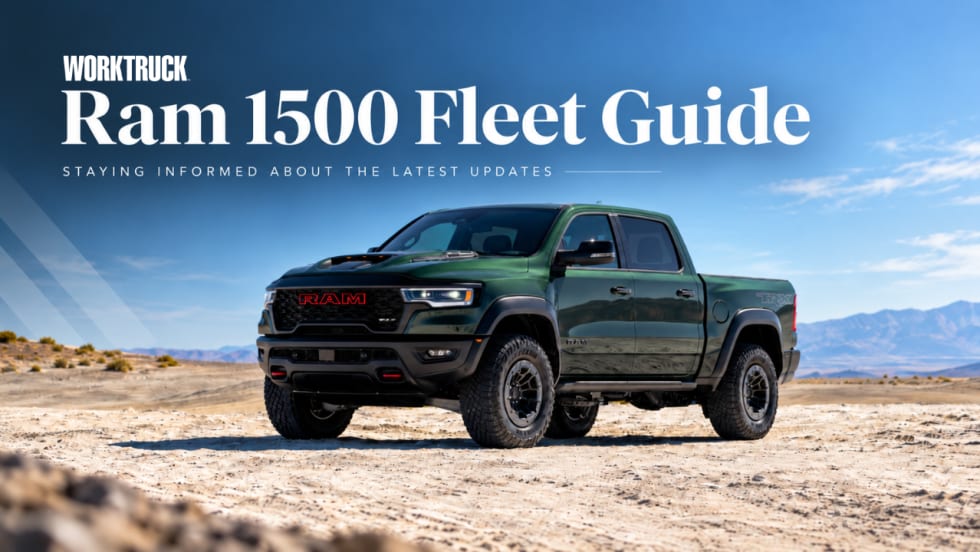
Ram 1500 Fleet Guide Specs, Capability and 2027 Model-Year Updates
Explore always up-to-date Ram 1500 fleet specs, engines, towing and payload capability, configurations, technology, pricing updates, and model-year changes.
Read More →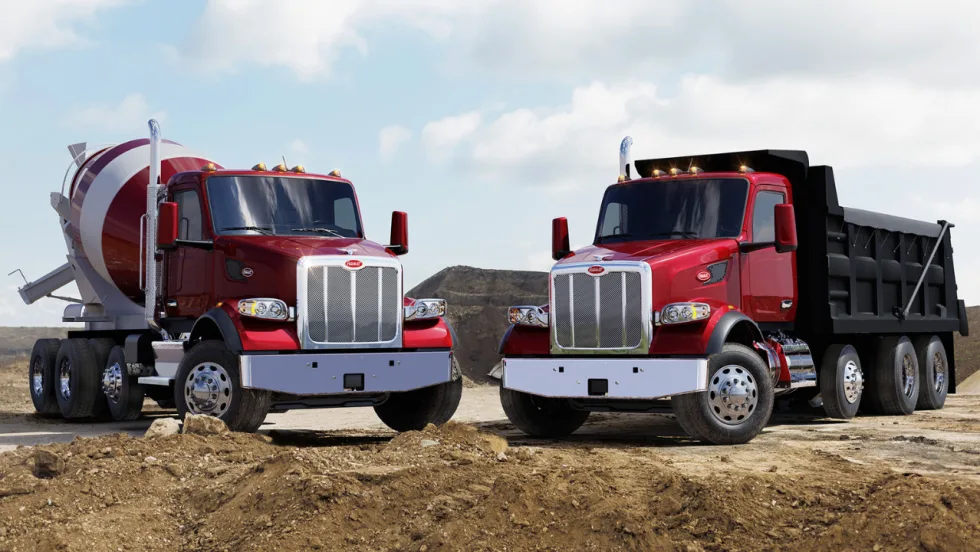
Peterbilt Trucks Equipped with Paccar TX-18 Pro Boost Efficiency for Maryland Fleet
Patuxent Companies is replacing aging trucks with the Peterbilt Model 567 and Model 589, specified with the Paccar TX-18 Pro 18-speed automated transmissions, and is reporting an 8% to 10% improvement in fuel economy.
Read More →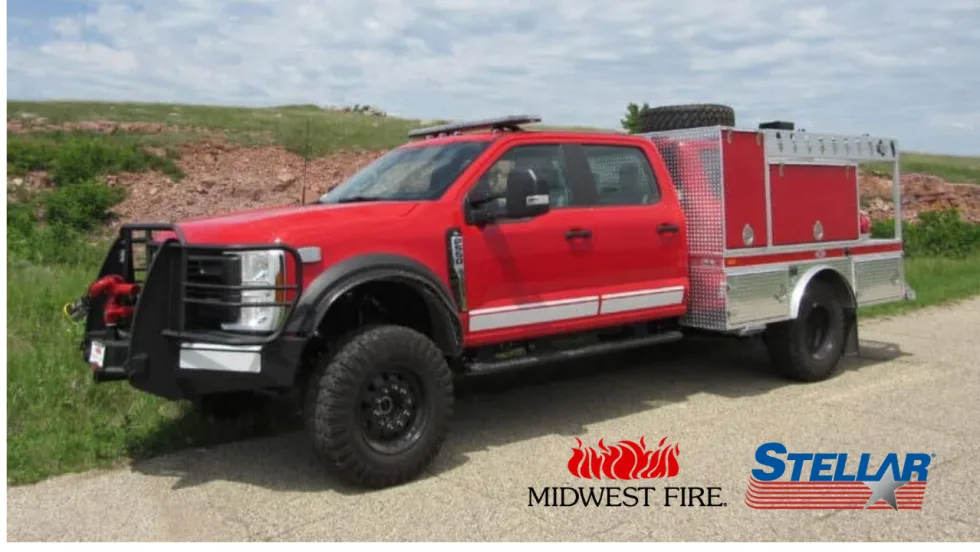
Stellar Expands into Fire Apparatus Market with Acquisition of Midwest Fire
Stellar Industries has acquired Midwest Fire, a custom fire apparatus manufacturer headquartered in Luverne, Minnesota, with nearly four decades of specialized apparatus experience.
Read More →
Recalls You Need to Know About in August 2026
If you have Altec, Chrysler, Ford, Heil, General Motors, International, Mack Trucks, Paccar, Rivian, Royal Truck, Toyota, US Truck Body, or Volvo Trucks vehicles in your fleet, you should check these important recalls issued by the National Highway Safety Administration.
Read More →