




How New Green Laws Will Affect Medium-Duty Market
It is predicted that the medium-duty truck market will coast through 2024, and then accelerates as new emissions standards loom into 2025.


Near-term forecasts of demand and growth for Class 5-8 commercial vehicles in North America.
Photo: Work Truck
Near-term forecasts from S&P Global Mobility suggest that the post-pandemic market corrections will flatten demand and growth for Class 5-8 commercial vehicles in North America.
However, introducing new regulations in 2027 is expected to drive accelerated growth through electrification.
Despite initial concerns, the US economy avoided a significant recession in 2023 due to resilient consumer spending on durable goods and nominal goods.
The recovery of services, travel, and restaurants has also provided a boost to freight and truck activity.
However, supply chain issues stemming from the aftermath of the COVID-19 pandemic continue to constrain progress.
As we approach the fourth quarter, a slowdown is anticipated, likely to persist into 2024, resulting in a period of soft growth for the industry.
Reduction in Medium-Duty Vehicles in Q2 2023
S&P Global Mobility's Q2 2023 forecast update suggests a moderate reduction in demand for medium- and heavy-duty commercial vehicles in the coming years, following a strong first half of 2023.
However, the updated forecast maintains a more positive outlook for 2025 to 2026 as the industry prepares for the next level of emissions regulations.
Anticipation of the third tier of greenhouse regulations in 2027, combined with the timing of fleet replacement cycles, is expected to drive a wave of pre-emptive buying and bolster demand during that period.
While the overall momentum may slow, the forecast estimates a dip in demand to around 505,000 units in 2024 (including buses and motorhomes), with projections indicating an increase to approximately 543,000 units by 2025.
The transition to cleaner energy in the trucking sector, mainly initiated in California and other states following CARB regulations, is expected to support volume growth in 2023 and beyond.
In addition to anticipated new-product updates, both established manufacturers and startup OEMs are introducing "cleaner" versions of their existing truck models, such as Freightliner's eCascadia, Hino's XL8 series, and Paccar's Kenworth and Peterbilt BEV models, which comply with zero-emissions standards.
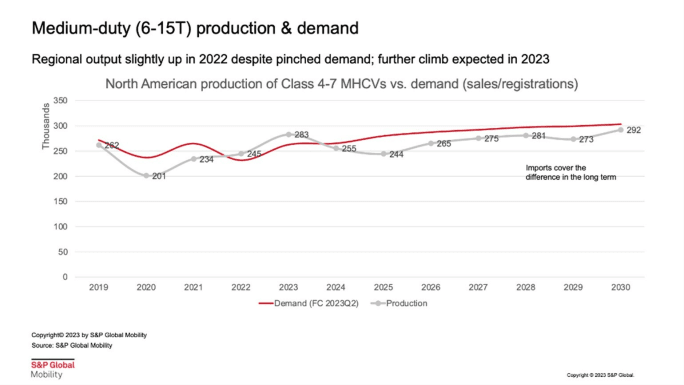
Medium-duty (6-15T) production & demand
Photo: S&P Global Mobility
Market Trends in Vehicle Classes
There are several variations in observable market trends across different vehicle classes:
Class 4 trucks, which were popular until the beginning of 2022, have been increasingly taken as lighter-duty applications for last-mile distribution during the pandemic. Ford's Class 4 Econoline Cutaway model accounts for nearly two-thirds of models in this segment and may see increased competition rising from the start-ups entering the fray.
Class 5 vehicles, while facing supply chain issues, are expected to see an increase in demand following a post-pandemic pause - for example in public-sector buying.
Class 6 trucks have gained attention due to their fuel efficiency and suitability for many commercial purposes. However, softening of the housing and construction market triggered a dip in Class 6 truck registrations.
Class 7 trucks have declined in popularity due to their licensing requirements and higher costs than Class 6, in addition to the recent preference of OEMs and customers for trucks that bracket this segment.
After a stronger 2022 where OEMs focused on Class 8 trucks amid supply chain bottlenecks, we expect tractor-truck registrations to remain flat this year before a dip in 2024, and a modest upward trajectory picks up again starting in 2025.
New Laws Forcing Traditional OEMs To Re-Evaluate
Regardless of weight class, the more stringent environmental compliance will be the key driver in demand and production of all vehicle types.
Upcoming regulations, specifically the proposed greenhouse gas emissions standards by the Environmental Protection Agency are forcing traditional OEMs to re-evaluate their manufacturing and investment strategies and prompting a potentially rapid shift from internal combustion engine (ICE) products to electrified vehicles.
In conjunction with the continued push for more aggressive decarbonization efforts by states like California with its Advanced Clean Fleet regulation, these laws act as the key catalyst in the transformation of powertrain technologies.
However, the transition to hydrogen and fuel cell technologies remains limited by cost, infrastructure, and availability issues. This suggests battery-powered electrification as the go-to strategy will be pushed further into the midterm until those issues can be resolved – notwithstanding the recharging network for BEV trucks, which remains to be built.
Looking Toward 2024
Brands like Tesla and Nikola will accelerate this transition for their part and help strengthen the US as the region's epicenter of production.
As for the legacy brands, despite supply chain and labor issues, their Class 4-8 production rates for the North America region reached and even slightly exceeded the average build rates of 2019 by the end of 2022. While some production targets are still not being achieved, inventories continue being rebuilt – setting the stage for potential growth later.
"Inventory figures of Class 4-7 trucks - which represent about half the market - remain below long-term averages, which is one reason why we think production has some upward potential," said Andrej Divis, executive director of global truck research at S&P Global Mobility.
Overall, present demand is still strong, owing to the muted risk of recession compared to the previous two quarters, combined with surprisingly resilient consumer activity. Production is expected to sustain its surge in the short term, while remaining constrained by supply chain and labor issues, before levelling off and even declining in 2024.
More Vehicle Insights
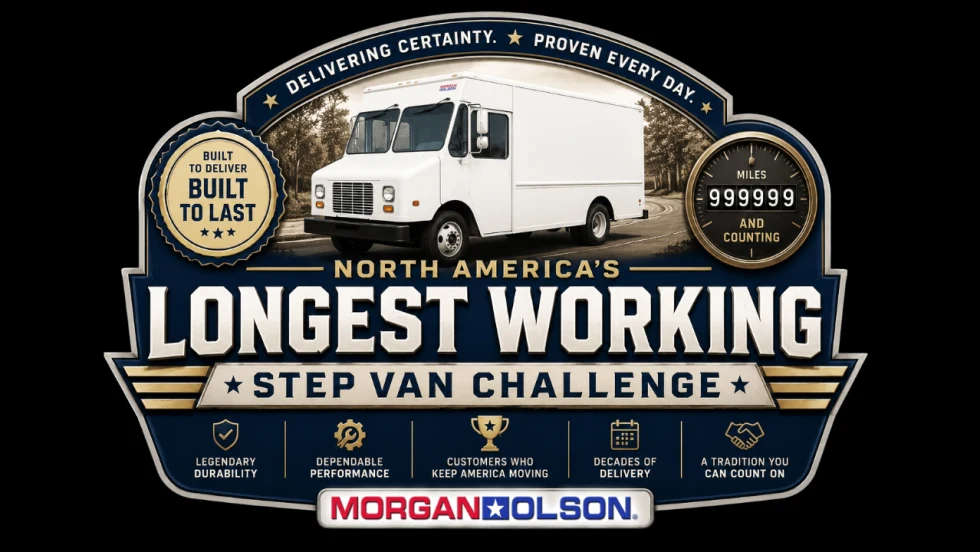
Morgan Olson Launches North America’s Longest Working Step Van Challenge
Morgan Olson has launched North America’s Longest Working Step Van Challenge, a new customer campaign to find the longest-working qualifying Morgan Olson or Grumman step van actively delivering packages for an independent service provider contracted by FedEx.
Read More →
Ford Transit Fleet Guide Specs Capability and 2027 Model-Year Updates
Explore 2027 Ford Transit fleet specs, engines, payload and towing capability, cargo configurations, work features, technology, and model-year updates.
Read More →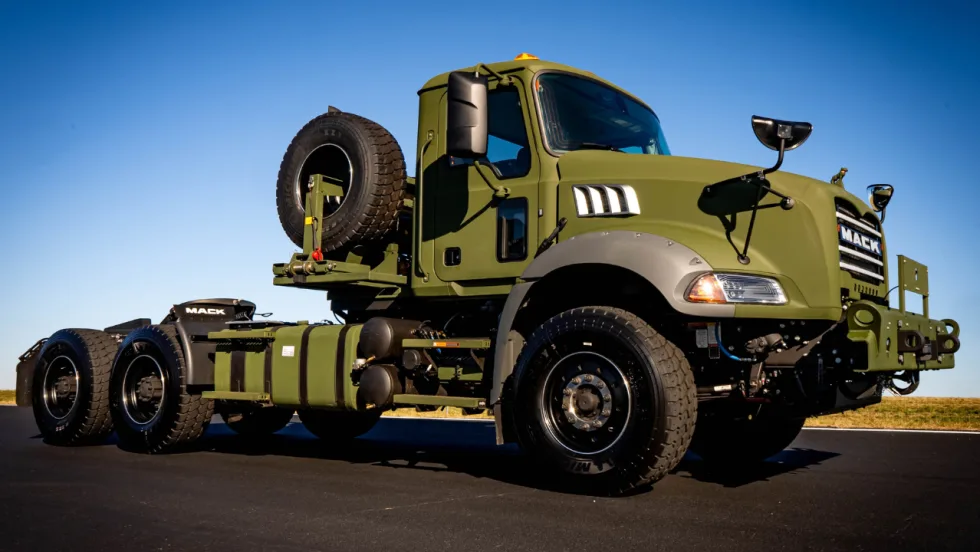
Mack Defense to Spotlight Common Tactical Truck Line Haul Hybrid Tractor During AUSA 2026
Mack Defense was awarded a contract to design, build, and deliver prototype vehicles for the U.S. Army’s Common Tactical Truck (CTT) program. It will show off its line-haul hybrid tractor prototype, based on the Mack Granite, at the 2026 United States Army (AUSA) Annual Meeting and Exposition.
Read More →
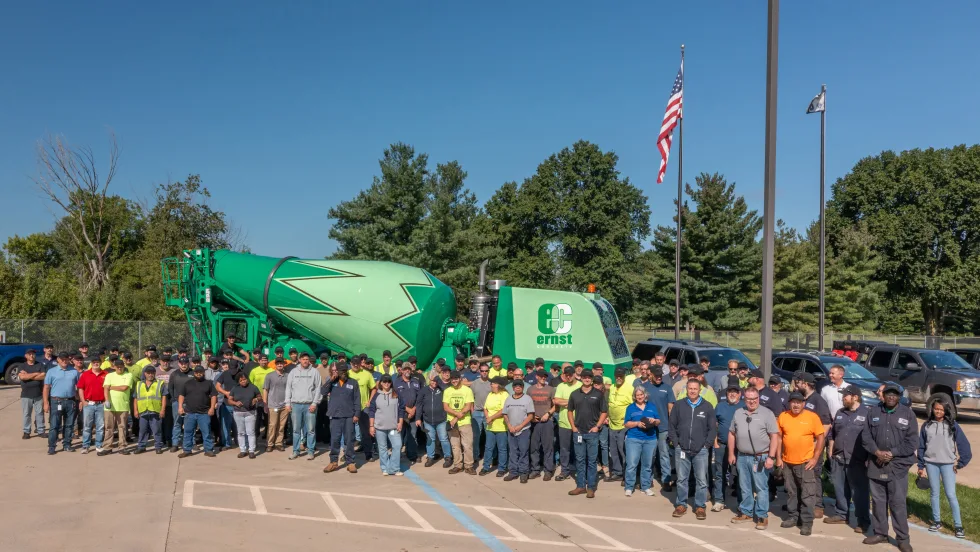
Advance Produces 20,000th Front-Discharge Mixer
Advance celebrated the production of its 20,000th front-discharge mixer, a Commander Series FD4000 mixer. Jack Willard first developed the original Rite-Way Truck in 1964, and then Advance was established in 1972.
Read More →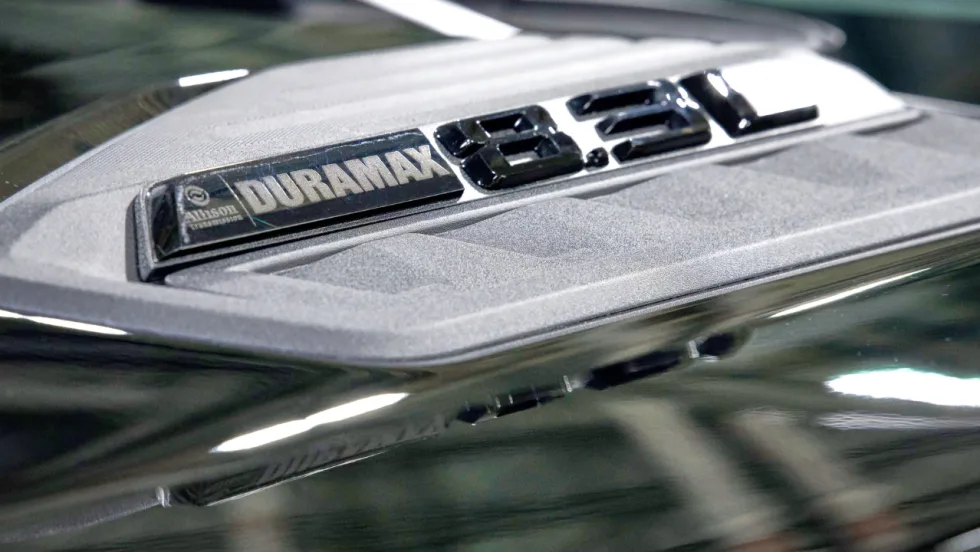
GM Launches Clean Sheet Duramax 8.3L Turbo-Diesel V8 for 2027 HD Pickups
General Motors previewed key updates for its 2027 HD pickup lineup, which will now include a new Duramax 8.3L Turbo-Diesel, electric power steering, and electronic brake boost.
Read More →
GMC Sierra 1500 Fleet Guide Specs Capability and 2027 Model-Year Updates
The next-generation 2027 GMC Sierra 1500 brings new V-8 engines, more standard safety technology, updated trailering tools, and a work-focused Pro trim. Here’s what fleets need to know.
Read More →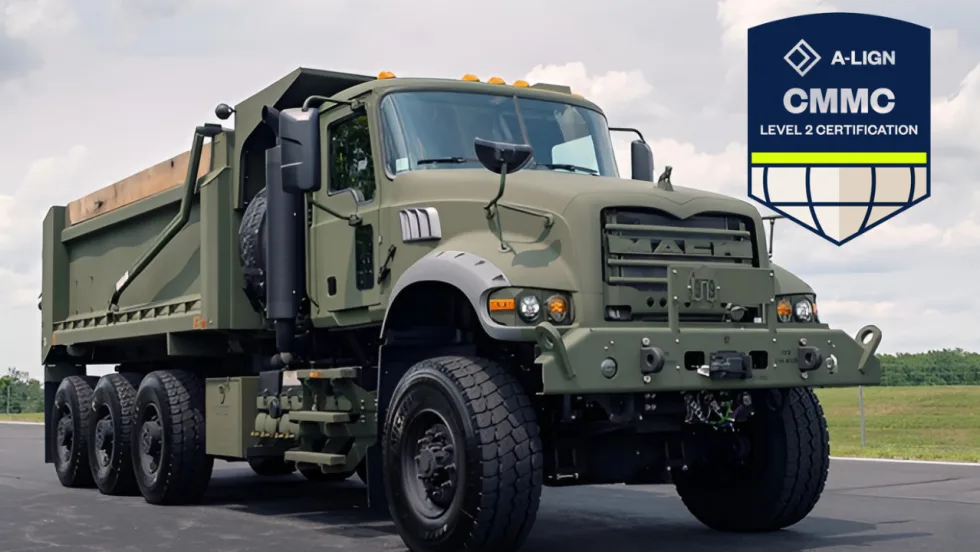
Mack Defense Achieves Cybersecurity Maturity Model Certification Level 2
After an assessment conducted by an authorized Certified Third-Party Assessment Organization (C3PAO), Mack Defense has achieved Cybersecurity Maturity Model Certification (CMMC) Level 2.
Read More →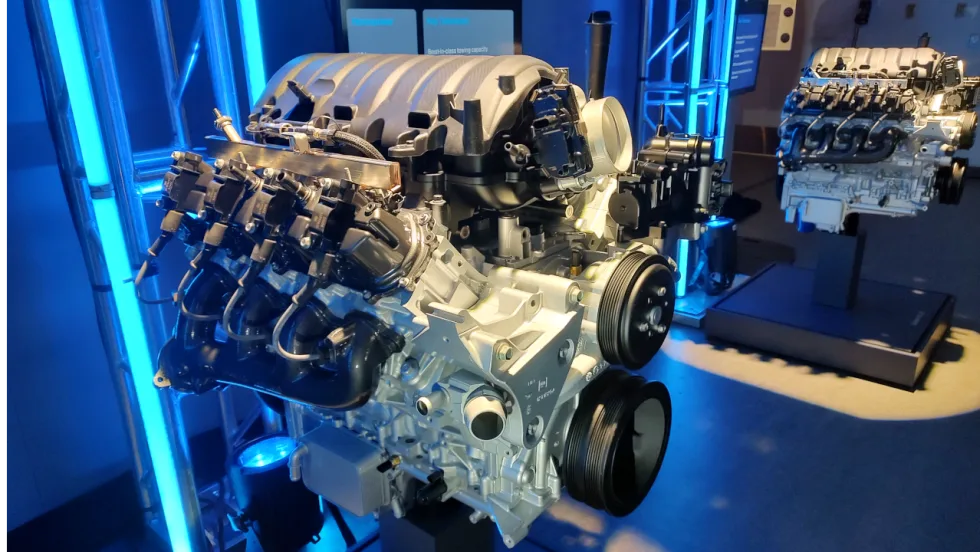
GM Unveils New Sixth-Generation Small Block Engines for 2027 Light-Duty Pickups
General Motors unveiled two new small-block engines, backed by extensive real-world validation and more than 70 years of small-block V8 manufacturing experience, as part of the engine portfolio for the 2027 Chevrolet Silverado 1500 and GMC Sierra 1500.
Read More →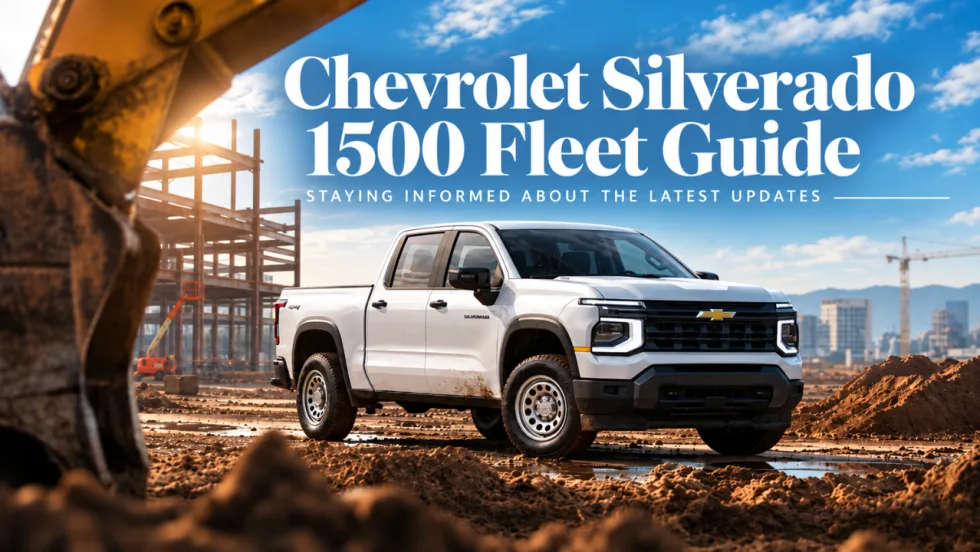
Chevrolet Silverado 1500 Fleet Guide Specs Capability and 2027 Model-Year Updates
The next-generation 2027 Chevrolet Silverado 1500 brings new V-8 engines, updated technology, expanded safety features, and a fleet-focused Work Truck. Here’s what commercial fleets need to know so far.
Read More →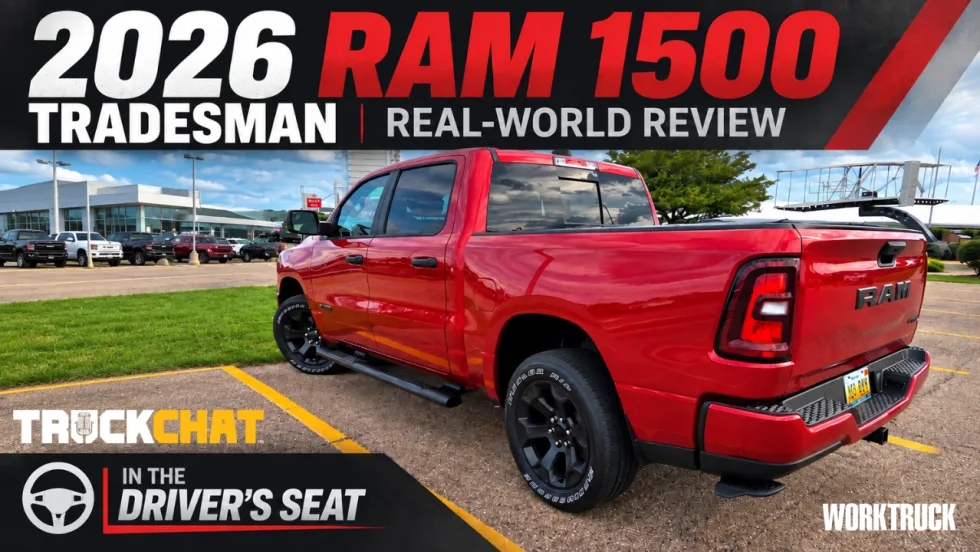
2026 Ram 1500 Tradesman Put to a Real-World Fleet Test
A few days behind the wheel of a 2026 Ram 1500 Tradesman turned into a test of visibility, parking, work-ready features, and even severe-weather driving.
Read More →