




Freightliner Custom Chassis Corporation Debuts All-Electric Walk-In Van Chassis
GAFFNEY, SC - Freightliner Custom Chassis Corporation (FCCC) introduced the highly anticipated plug-in all-electric walk-in van (WIV) chassis. he new chassis model is the only one domestically engineered and the first in the industry to be completely all-electric in North America.
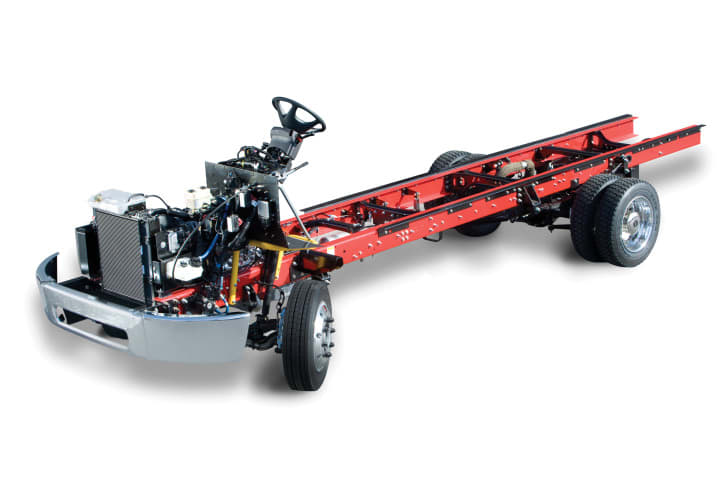
GAFFNEY, SC - Freightliner Custom Chassis Corporation (FCCC) introduced the highly anticipated plug-in all-electric walk-in van (WIV) chassis. The new chassis model is the only one domestically engineered and the first in the industry to be completely all-electric (includes HVAC system) in North America.
The all-electric chassis, developed in partnership with Enova Systems, a leading developer and producer of electric and hybrid-electric drive system technologies for commercial vehicle OEMs, is built on the popular FCCC MT-45 WIV chassis platform.
"In partnership with Enova we have developed an all-electric chassis to meet the environmental, economic and performance needs of our commercial vehicle customers," said Bob Harbin, FCCC president. "Our vision is clearly focused on transitioning the all-electric chassis into the mainstream of our walk-in van production programs. This new program demonstrates that FCCC remains fully committed to engineering chassis options that lower operating costs and decrease carbon footprints for our customers.
"Unlike competitive models, our all-electric chassis is custom-built from the ground up for the walk-in van market, integrating the proven ergonomic advantages of WIV bodies," Harbin added. "Competitor chassis are a cab chassis configuration and end up as box trucks typically built for the trucking industry. Competitor products do not offer the ergonomic benefits and safety features of a WIV such as curb-side exit, walk-through cargo area, direct access to cargo area from driver's station, etc."
Addressing the discussion in the industry surrounding recent federal funding for all-electric technology, Jonathan Randall, sales and marketing director at FCCC added, "FCCC initiated our all-electric project well before stimulus money and federal grants were available for alternative-power transportation projects. FCCC viewed the all-electric project as the logical next step in its alternative-power product offerings, as well as a strategic opportunity to continue its leadership role in the WIV industry."
The new all-electric chassis enables fleet operators to eliminate harmful emissions and cut operating and maintenance costs while delivering the performance and driver comfort features FCCC customers have come to expect. On select delivery and service routes, studies show that customers will save up to $15,000 per vehicle annually compared with traditionally powered walk-in vans. The quiet operation of the all-electric chassis also makes for an enjoyable driver experience. This new chassis has a flat-leaf spring front and rear suspension, allowing for a smooth, solid ride that minimizes cargo shifts on uneven road surfaces.
The development program with Enova involved the engineering and integration of Enova's 120kW all-electric drive system technology into the new MT-45 chassis. Ideal for the pickup and delivery market, the MT-45 chassis boasts a GVWR of 14,000 to 19,500 lbs. The durable steel straight-rail chassis frame reduces flex and bowing to minimize chassis stress while carrying heavy payloads.
"Collaborating with Freightliner Custom Chassis Corporation has enabled us to achieve our shared goal of introducing all-electric drive technology into the walk-in van market," said Mike Staran, president and CEO of Enova Systems. "The FCCC-Enova partnership is accelerating the broad deployment of EV technology in this critical vehicle segment while improving the environment and helping to reduce U.S. dependence on imported energy."
Powered by Tesla Motors lithium ion batteries, the chassis is 100 percent electric, including its HVAC system, making it the only fully featured WIV chassis in the industry to be completely electrically powered. FCCC is the first company within the industry to utilize Tesla batteries for commercial applications.
The all-electric drive system features battery packs that provides an up to 100-mile driving range on a single charge, making it ideal for pickup and delivery applications. The battery pack will charge from fully depleted to fully charged in six to eight hours.
The batteries featured on the electric system also capture and store energy during the regenerative braking phase of the vehicle's operation. The regenerative braking system reduces friction during braking, resulting in less brake wear and extended brake life. The regenerative braking system saves energy by recycling and storing it, which can then be reused to propel the vehicle instead of losing it to heat, as is the case with traditional brakes.
Other features include a parking pawl within the gear box and a push-button shifter for improved efficiency.
The all-electric MT-45 chassis is expected to go into full production during the first quarter of 2011 and will undergo testing with major U.S. pickup and delivery fleets.
FCCC and its parent company, Daimler Trucks North America LLC (DTNA), maintain a legacy of providing innovative technologies that benefit customers and the environment. FCCC's commitment to green technologies is in line with Daimler AG's global initiative called, "Shaping Future Transportation." Launched in Stuttgart, Germany, by Daimler in 2007, the initiative is focused on reducing category emissions pollutants, carbon dioxide and fuel consumption.
In August 2008, Daimler announced the opening of the Global Hybrid Center at Mitsubishi Fuso Truck and Bus Corporation in Kawasaki, Japan. The center is the worldwide hub for Daimler's hybrid development.
"FCCC is proud to continue to play an important role in Daimler's global initiative," said Randall. "We are committed to developing new chassis that offer a superior level of comfort, reliability, performance and durability that our customers need from their vehicles, while also manufacturing products that are environmentally responsible."
Along with the all-electric chassis, FCCC has extensive experience manufacturing compressed natural gas (CNG) WIV chassis, currently manufactures hybrid-electric vehicle (HEV) chassis and will offer full production of the hydraulic hybrid vehicle (HHV) chassis in Q4 2010 for the walk-in van market segment. These alternative-power vehicles have proven to offer significant fuel savings benefits.
FCCC also designs and manufactures alternative-fuel chassis for the commercial bus and motorhome market segments. In 2008, FCCC introduced ecoFRED, the motorhome industry's first hybrid-electric chassis, and the FCCC MB-HEV hybrid-electric commercial bus chassis in response to a growing customer demand for alternative-fuel power that provides the same excellent performance and durability as FCCC's premium diesel-powered chassis. At the 2009 NTEA Work Truck Show, FCCC introduced its HHV chassis to the commercial vehicle industry.
For more information about the new plug-in all-electric chassis or any of the FCCC WIV chassis, please visit www.freightlinerchassis.com.
More Operations
Family Ties Inside the Fleet Families Building Careers Across Generations
Three fleet families share what it really takes to work together, learn across generations, and keep business from following them home.
Read More →
Shades of Fleet Call for Voices: Fleet's Hidden Heroes
Fleet’s hidden heroes are often the ones keeping everything moving behind the scenes. September’s Shades of Fleet is looking for dispatchers, coordinators, parts specialists, and other support pros to share their stories.
Read More →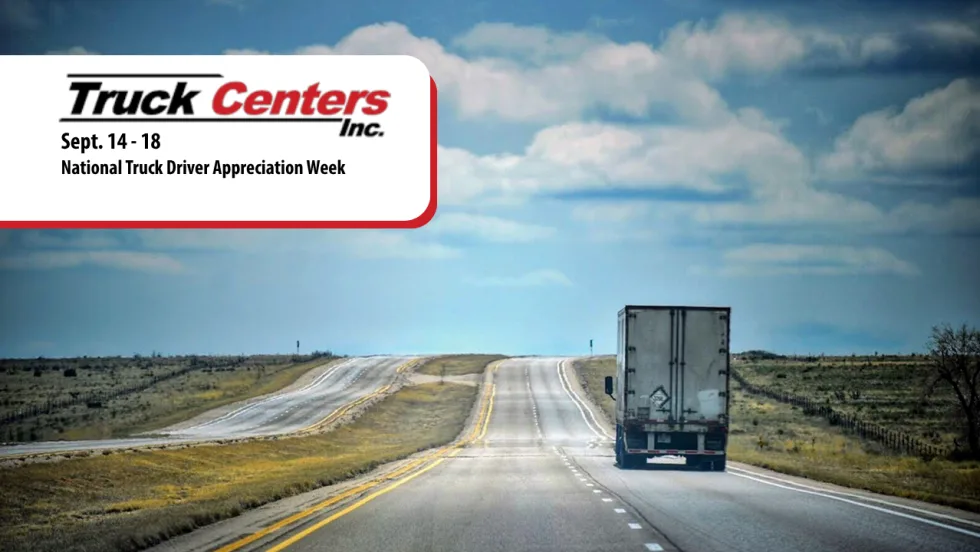
Truck Centers, Inc. Celebrates National Truck Driver Appreciation Week with $1,000 Fuel Card Giveaways
During National Truck Driver Appreciation Week, Truck Centers, Inc. is offering customers a chance to fuel up for free. Customers at all Truck Centers locations can enter to win one of four $1,000 fuel cards from Sept. 14 - 18.
Read More →
Fleet Guides, AI Time-Savers, Truck Tariffs & Fuel Strategy Lead the News
This week’s Truck Chat Cheat Sheet covers new fleet vehicle guides, practical AI use cases, U.S.-Canada truck production, mixed-energy strategy, and more.
Read More →
What Fleet Employers Are Missing When Hiring Veterans
What if some of the strongest candidates for fleet are already out there, but their experience is written in a language our industry does not always recognize?
Read More →
Automotive Fleet Opens 2026 Personal Use Survey for Commercial Fleet Managers
Less than two weeks left! Commercial and corporate fleet managers are invited to share how their organizations handle company vehicle personal-use policies, charges, and driver eligibility.
Read More →
What Resilient Fleets Do Differently When Conditions Change
Fleet resilience is about more than reacting to disruption. Lauren Fletcher talks with AP Fleet’s Alex Coveney about flexibility, planning, scaling, and what helps fleets adapt when business conditions shift.
Read More →
If We Want the Next Generation in Automotive, We Have to Give Them a Reason to Care
The automotive industry talks constantly about its workforce shortage. But before we can recruit the next generation, we may need to do a better job giving kids a reason to care about automotive in the first place.
Read More →
Ram ProMaster City Under $40K, Truck Tariffs, and AI Maintenance Lead the News
A sub-$40K commercial van, tariff questions, AI-powered maintenance, and a new EV production strategy headline this week’s Truck Chat Cheat Sheet.
Read More →
Bob Adamsky Shares the Fleet Lessons You Usually Learn the Hard Way
After more than 30 years in fleet, Arrow International’s Bob Adamsky has learned that the job is about far more than vehicles. He shares the lessons he wishes every fleet manager could learn a little earlier.
Read More →