




Four Automakers Settle Lawsuit Tied to Takata Recall
BMW, Mazda, Subaru and Toyota agree to pay a total of $553 million to resolve a lawsuit seeking compensation for customers affected by the air bag inflator recall.
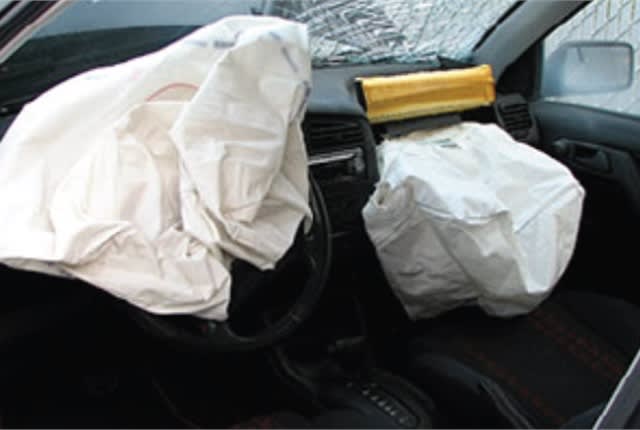
Photo courtesy of the National Highway Traffic Safety Administration.
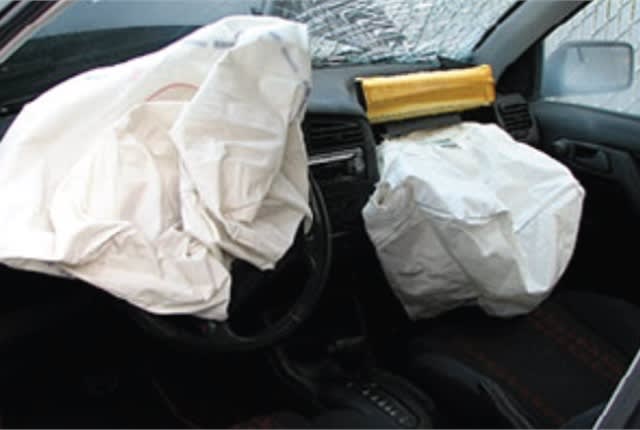
Photo courtesy of the National Highway Traffic Safety Administration.
Four automakers have agreed to pay American vehicle owners and lessees a total of $553 million to settle a class-action lawsuit seeking compensation for economic losses arising from the Takata air bag recall, the companies said. The automakers are BMW, Mazda, Subaru and Toyota.
The money will be used to reimburse customers for out-of-pocket expenses, such as for rental cars, and for court costs tied to the lawsuit. As part of the settlement, the companies also agreed to make rental or loaner vehicles available to eligible customers that have vehicles covered by the recall. Additionally, the money will help fund efforts to boost Takata safety recall completion rates.
The settlement, however, is still subject to approval by the U.S. District Court for the Southern District of Florida. The agreement was filed in court on Thursday, May 18.
Progress on the Takata safety recall — the largest vehicle recall in U.S. history — has been slow because of inadequate supplies of replacement air bags. The recall covers more than 42 million vehicles in the country. These vehicles, equipped with defective air bag inflators supplied by Takata, cut across 19 different vehicle manufacturers.
The settlement also stipulates that each of the four automakers will offer a customer support program that covers any needed repairs or adjustments to the replacement air bag inflators installed during the recall remedy.
The provisionary settlement provides that Toyota pay $278.5 million, BMW pay $131 million, Mazda pay $75.8 million, and Subaru pay $68.3 million, according to a New York Times report. Honda, Ford and Nissan also face similar economic-loss claims, but those haven’t been settled yet.
Takata air bag inflators, which can explode during air bag deployment, have been tied to at least 11 deaths and more than 180 injuries.
Originally posted on Automotive Fleet
More Small Fleet


Developing Budget-Friendly Driver Safety Programs
From driver training and safety meetings to one-on-one coaching and incentive programs, several small fleets share how they have developed a safety culture with their drivers using low- to no-cost resources.
Read More →
Boosting Last-Mile Fleet Uptime, Safety, and Value with AI Vehicle Inspections
AI-powered inspections are transforming last-mile fleets by replacing manual checks with highly accurate automated scans that detect defects in seconds. By giving fleet operations visibility into the daily condition of their vehicles, you can identify trends over the vehicle’s lifecycle that enable improved procurement decisions, route management, driver training and accountability.
Read More →
Five Ways Seat Belts Help Prevent Injuries
There are five ways seat belts protect occupants from injuries, according to the Tennessee Department of Safety and Homeland Security.
Read More →
It’s here: The 2026 Fleet Technology Trends Report
What does AI mean for fleets? Get the answer — and learn other top tech trends.
Read More →
Small Fleets, Big Impact: How Independent Drivers Power Wreaths Across America
Check out how small fleets and independent drivers power Wreaths Across America each December and why their impact matters more than ever.
Read More →
VMS Survey Finds 65% of Small Fleet Managers Run Operations Alone
A new VMS survey shows small fleet managers are stretched thin, with most handling operations solo and eager to adopt digital tools for relief.
Read More →
Tips for Driving Safely on Halloween Night
This video features a reminder from the Connecticut Department of Transportation (DOT) and the Connecticut Police Chiefs Association, urging drivers to prioritize safety this Halloween.
Read More →
AI, Access, and Uptime: VMS’s Next Chapter with David Prusinski
VMS’s new Co-CEO, David Prusinski, shares how an AI-first approach will give small fleets and repair shops the tools to compete like big players.
Read More →
Fleet Managers Share Winter Prep Tips: It's Never Too Early!
Three fleets share best practices to prep vehicles for winter and prevent downtime when the cold sets in.
Read More →