





Related: Replacement Tire Prices Moderate to Rate of Inflation
Forecasting Tire Price Trends in 2020
Most of the subject matter experts that we spoke to expect an increase in tire prices, although predicting future tire costs is difficult due to variables that influence tire pricing.
January 6, 2020
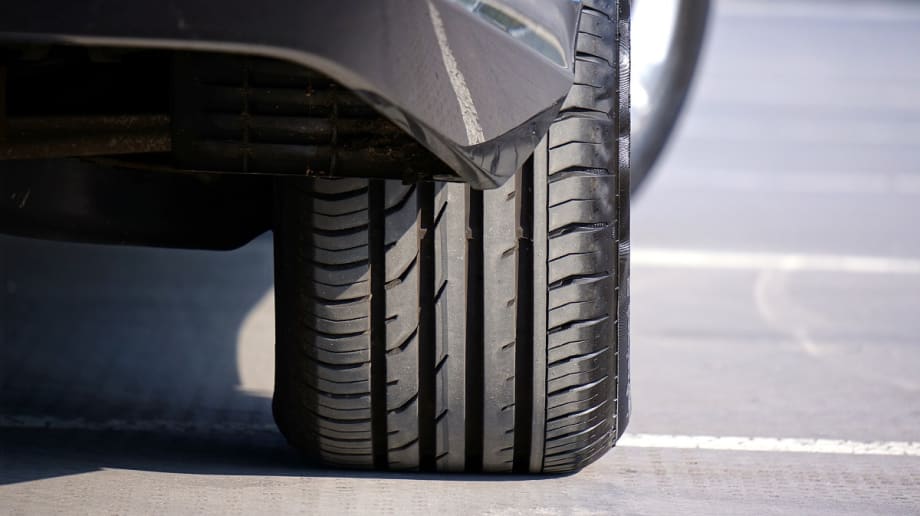
Possible tariffs on tires and commodities that are found in tires could have greater influence on tire prices in 2020.
Image by MikesPhotos from Pixabay.
3 min to read
Predicting future tire costs is very difficult due to the many variables that influence tire pricing.
The unpredictable cost variable for tire prices is the price of commodities, such as oil, rubber, and steel, which are three key ingredients needed to manufacture tires.

George Albright,
Merchants Fleet
“The cost of synthetic and natural rubber prices has risen in 2019,” said George Albright, director of fleet maintenance for Merchants Fleet.

Chris Foster, ARI
“Overall, tire prices increased slightly in 2019 – likely influenced somewhat by trade tariffs – but the increase was relatively minimal, ranging from approximately 2 to 4% on average,” said Chris Foster, manager, truck & equipment maintenance for ARI.
LeasePlan USA also predicts price increases for replacement tires in calendar-year 2020.

Mark Ackerman,
LeasePlan
“Tire prices will continue to increase well into 2020 and possibly beyond due to continued raw material challenges and shortages,” said Mark Ackerman, director, maintenance and repair for LeasePlan USA.

John Wuich, Donlen
[EMPTY CREDIT]
Agreeing is Donlen. “A number of manufacturers have been in the news recently announcing tire price increases for U.S. and Canada. So, a continued trend upward in tire price. Also, a continued trend in tire strategy that includes both price strategy and emphasis on proper maintenance. Also, there’s been an emphasis on vendor management and choosing cost-effective vendors for oil changes, tires, and tire rotations,” said John Wuich, vice president of strategic consulting for Donlen.
EMKAY offered this assessment of the probability of price increases for replacement tires in calendar-year 2020.

Mark Donahue, EMKAY
[EMPTY CREDIT]
“It appears price increases will continue. If commodities and transportation costs continue to rise, we could see national vendors passing more of the expense onto the consumer. With tires already being a large expense, especially for an aging fleet, we may see fleets testing different solutions to counteract the growing cost. One example may be the purchasing of a higher-cost tire with a longer tread-life,” said Mark Donahue, manager of fleet analytics for EMKAY.
Tire operating costs are a perennial concern with fleets, which can be effectively addressed by driver attention to tire inflation levels. Most instances of tire wear and higher fuel costs are directly associated with the fleet not properly maintaining air pressure.
“A continuation of 2018 and 2019 relative to price increases being passed down to the consumer. To combat, fleets will look to save money through retread programs and an emphasis on driver training relative to proper air pressure and other tire-wear and maintenance strategies. The cost of tires being passed down to consumers will continue to mirror the overall cost of oil and other raw materials. Additionally, more tire manufacturers have leveraged support teams designed to help fleet customers and FMCs with making targeted tire selections,” said Albright of Merchants Fleet.
Since oil represents a large percentage of the raw materials used to manufacture tires, the forecast for future oil prices is a positive sign.

[EMPTY CREDIT]
“Oil makes up a significant percentage of a tire’s cost and oil is forecast to remain relatively flat in 2020. With no anticipated labor disruptions, tire costs should remain relatively flat or slightly increase,” said Mark Lange, CAFM, technical services consultant for Element Fleet Management.
Tire prices are driven by the costs of labor, carbon black, crude oil, rubber, and steel. While the price of natural rubber continued its sharp downward trend, carbon black, crude oil, and steel prices increased in 2019.
Barring unforeseen events, the industry consensus is that commodity prices will be higher in 2020, led by higher natural rubber prices, which will translate into higher tire prices.
Topics:Tires and WheelsReplacement TiresMaintenance ManagementOperating CostsTire CostsMaintenanceOperationsSmall Fleet
Originally posted on Automotive Fleet
More Maintenance
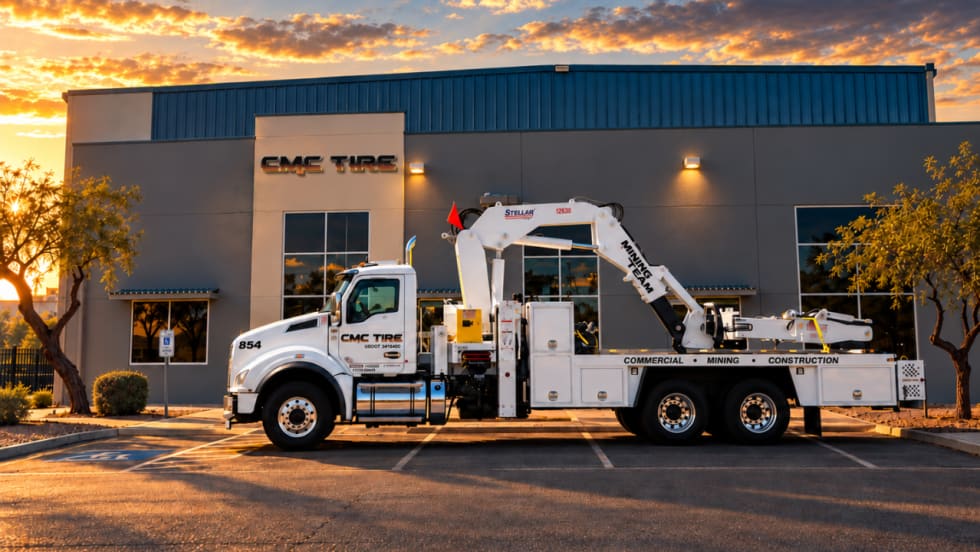
Les Schwab Expands Commercial Tire Footprint Into Arizona
Les Schwab Tires has expanded into Arizona with two commercial tire locations in Phoenix and Tucson, strengthening its fleet service footprint in the Southwest.
Read More →
Volvo Trucks’ 'Lock and Leave' Software Updates Go Live Across North America
Unattended over-the-air software updates are now available in Volvo trucks across the U.S. and Canada. The new capability lets trucks stay current with the latest software without interrupting operations or requiring a dealership visit.
Read More →
Why Technician Appreciation Can’t Be a Once-a-Year Thought
For fleets trying to keep skilled technicians, recognition cannot begin and end with Technician Appreciation Week. Learn what year-round appreciation really looks like and why the everyday technician experience matters just as much as pay when fleets are trying to keep good people.
Read More →
How Faster Driver Reporting Can Keep Small Truck Problems Small
When minor damage, warning lights, or equipment issues are reported late, small problems can quickly become bigger maintenance headaches. Conversational AI can help shorten the path from what a driver notices in the field to the person who can act on it.
Read More →
BendPak’s Ranger Wheel Service Equipment Achieves North American Safety Certification
BendPak’s full line of Ranger tire changers and wheel balancers has been ETL certified to UL and CSA standards to improve operator safety.
Read More →
Isuzu & U.S. Department of Labor Celebrate Milestone for Veterans Apprenticeship Program
The Isuzu Veterans Apprenticeship Program (IVAP) signing ceremony highlighted Isuzu’s long-term commitment to veterans, Isuzu dealers, and the skilled workforce supporting its customers and the commercial transportation industry.
Read More →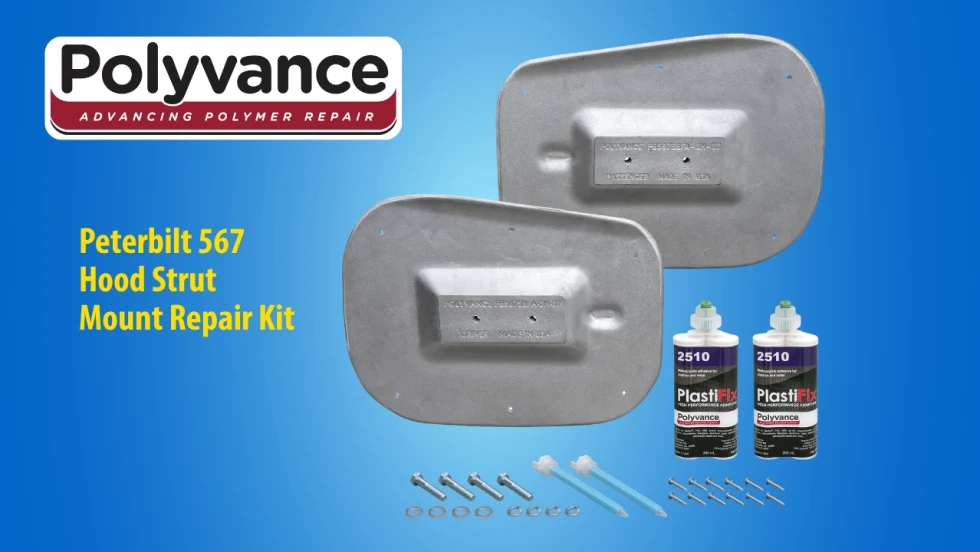
Polyvance Introduces New Peterbilt 567 Hood Strut Mount Repair Kit
Polyvance has launched a repair solution for Peterbilt 567 hood struts, helping truck owners and repair facilities avoid costly hood replacements.
Read More →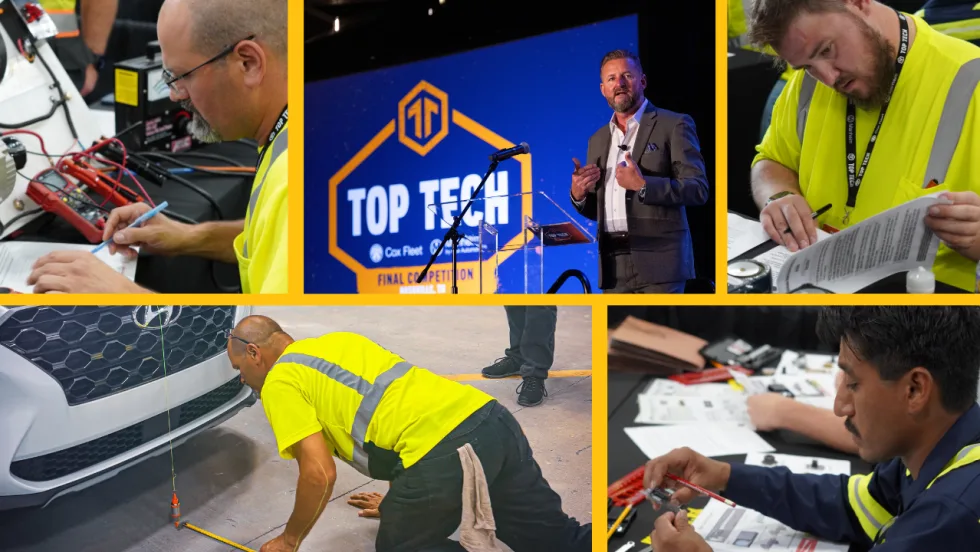
Cox Automotive Celebrates Technical Excellence at 2026 Top Tech Finals
The top technicians from Cox Fleet and Manheim tested their skills in Nashville, Tennessee, at Cox Automotive’s 2026 Top Tech Finals. The overall winners will advance to compete at the American Trucking Association’s TMC SuperTech competition.
Read More →
Grote Industries Appoints Vice President of North American Operations
Grote Industries has appointed Patrick Smith as vice president of North American operations as it celebrates 125 years of innovation and manufacturing excellence. He has more than 20 years of manufacturing leadership experience.
Read More →
Winter Fleet Prep: Expert Tips to Keep Vehicles Running Smoothly
Cold weather can expose weak batteries, tires, fuel systems, and maintenance gaps fast. Use this winter fleet checklist to prepare trucks and drivers before temperatures drop.
Read More →