




Ford Unveils New Super Duty With Aluminum Body
Ford introduced the 2017 Ford F-Series Super Duty with a number of enhancements including a lighter weight aluminum-alloy body.
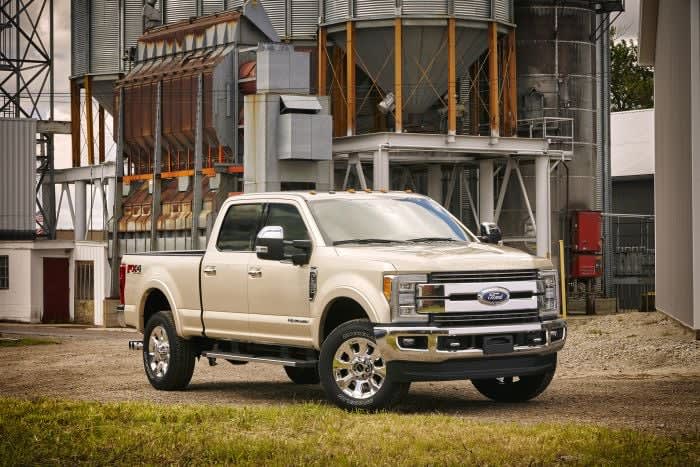
Ford's 2017 Super Duty Photo: Ford

Ford's 2017 Super DutyPhoto: Ford
Ford introduced the 2017 Ford F-Series Super Duty with a number of enhancements including a lighter weight aluminum-alloy body.
The 2017 model includes a new stronger steel frame, aluminum body, improved axles/springs and suspension, class-exclusive features and technologies, and multiple gasoline and diesel engine and transmission combinations.
Following a similar change in the latest F-150, the 2017 Super Duty will include a military-grade aluminum-alloy body, which the company says is more dent- and ding-resistant than the outgoing steel body and not subject to red rust corrosion.
The Super Duty’s frame is composed of more than 95% high-strength steel that offers up to 24 times more stiffness than the previous frame and is designed to improve towing and hauling capability, according to Ford. The aluminum body and steel frame combine to reduce the Super Duty’s weight by up to 350 pounds.
“As we remove weight, we’re making Super Duty more productive by giving our customers better towing and payload capability,” said Craig Schmatz, Super Duty chief engineer.
For powertrains, the 6.7L Power Stroke V-8 diesel engine is available for both pickup and chassis cab models. Available on the F-250 pickup is a 6.2L V-8 gasoline engine that is equipped with Ford's TorqShift-G transmission, which improves capability, according to Ford. The Super Duty chassis-cab lineup includes a choice of 6.7L Power Stroke V-8 Diesel, 6.8L V-10 gasoline or 6.2L V-8 gasoline engines.
“We’re backing up improved capability with a stronger gasoline and diesel Super Duty engine lineup,” said Schmatz. “The bottom line is Super Duty customers will be able to tow and haul more than ever before.”
The F-Series Super Duty is also available with several driver-assist technologies, including lane departure, blind spot, adaptive cruise control and collision warning features.
The Blind Spot Information System with trailer tow is optimized for Super Duty to include the length of the trailer and uses radar sensors in the tail lamps to monitor blind spots. The lane departure warning feature alerts a driver when they stray from a lane through a series of steering wheel vibrations.
Adaptive cruise control and collision warning with brake support makes use of sensors to detect slower vehicles moving in the same direction. If another vehicle gets too close, red lights flash on the windshield and a warning is sounded. If a driver fails to brake, the brake system is pre-charged to stop faster when the brake pedal is pressed.
The truck also features lighting technology, including LED side-view mirror spotlights to light up a work site, LED cargo box lighting and class-exclusive quad-beam LED headlamps and tail lamps.
All three cabs — Regular Cab, SuperCab and Crew Cab — are longer and include new interior design. The new interior features a dual-compartment glove box, overhead console-mounted auxiliary switches and a completely flat SuperCab and Crew Cab second-row floor to make loading large items in the cab easier.
There are five models in the Super Duty lineup — XL, XLT, Lariat, King Ranch and Platinum. The 2017 Super Duty will be built at Ford’s Kentucky truck plant, and goes on sale late next year.
Originally posted on Automotive Fleet
More Operations
Family Ties Inside the Fleet Families Building Careers Across Generations
Three fleet families share what it really takes to work together, learn across generations, and keep business from following them home.
Read More →
Shades of Fleet Call for Voices: Fleet's Hidden Heroes
Fleet’s hidden heroes are often the ones keeping everything moving behind the scenes. September’s Shades of Fleet is looking for dispatchers, coordinators, parts specialists, and other support pros to share their stories.
Read More →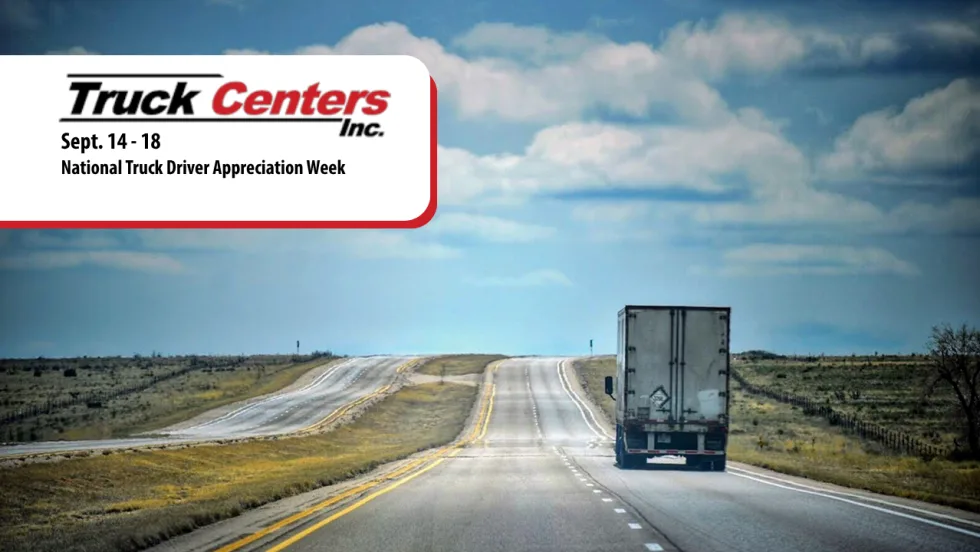
Truck Centers, Inc. Celebrates National Truck Driver Appreciation Week with $1,000 Fuel Card Giveaways
During National Truck Driver Appreciation Week, Truck Centers, Inc. is offering customers a chance to fuel up for free. Customers at all Truck Centers locations can enter to win one of four $1,000 fuel cards from Sept. 14 - 18.
Read More →
Fleet Guides, AI Time-Savers, Truck Tariffs & Fuel Strategy Lead the News
This week’s Truck Chat Cheat Sheet covers new fleet vehicle guides, practical AI use cases, U.S.-Canada truck production, mixed-energy strategy, and more.
Read More →
What Fleet Employers Are Missing When Hiring Veterans
What if some of the strongest candidates for fleet are already out there, but their experience is written in a language our industry does not always recognize?
Read More →
Automotive Fleet Opens 2026 Personal Use Survey for Commercial Fleet Managers
Less than two weeks left! Commercial and corporate fleet managers are invited to share how their organizations handle company vehicle personal-use policies, charges, and driver eligibility.
Read More →
What Resilient Fleets Do Differently When Conditions Change
Fleet resilience is about more than reacting to disruption. Lauren Fletcher talks with AP Fleet’s Alex Coveney about flexibility, planning, scaling, and what helps fleets adapt when business conditions shift.
Read More →
If We Want the Next Generation in Automotive, We Have to Give Them a Reason to Care
The automotive industry talks constantly about its workforce shortage. But before we can recruit the next generation, we may need to do a better job giving kids a reason to care about automotive in the first place.
Read More →
Ram ProMaster City Under $40K, Truck Tariffs, and AI Maintenance Lead the News
A sub-$40K commercial van, tariff questions, AI-powered maintenance, and a new EV production strategy headline this week’s Truck Chat Cheat Sheet.
Read More →
Bob Adamsky Shares the Fleet Lessons You Usually Learn the Hard Way
After more than 30 years in fleet, Arrow International’s Bob Adamsky has learned that the job is about far more than vehicles. He shares the lessons he wishes every fleet manager could learn a little earlier.
Read More →